


Short Overview
For generations, crop farmers have relied on dairy farming as a dependable source of extra income. While crops bring money only during harvest seasons, dairy provides daily cash flow. But with rising costs, climate challenges, and changing markets, many farmers now ask an important question: Is dairy farming still the safest side income for crop farmers today? This detailed guide explores the reality behind dairy farming, its benefits, challenges, and whether it still deserves its reputation as a low-risk income option.
Is dairy farming still the safest side income for crop farmers in 2026? This in-depth guide explains whether dairy farming remains profitable, low-risk, and sustainable alongside crop farming. Learn about startup costs, daily income, milk demand, feed management, labor needs, government support, risks, and future trends. Discover how dairy farming helps farmers earn regular cash flow, reduce dependency on seasonal crops, and protect income during crop failure. Written in simple, easy-to-understand language, this article is ideal for farmers looking for reliable side income ideas with long-term stability and growth potential.
Table of Contents
- Introduction: Why Crop Farmers Look for Side Income
- Understanding Dairy Farming as a Secondary Income
- Why Dairy Farming Became Popular Among Crop Farmers
- Regular Income vs Seasonal Crop Earnings
- Initial Investment and Setup Costs
- Daily Management and Workload
- Feed Availability and Crop Integration
- Milk Market Demand and Pricing Stability
- Risks Involved in Dairy Farming
- Disease, Climate, and Cost Challenges
- Government Support and Subsidies
- Small-Scale vs Medium-Scale Dairy Models
- Profit Margin Reality Check
- Is Dairy Farming Still Safe in Today’s Economy?
- Smart Strategies to Reduce Risk
- Future of Dairy Farming for Crop Farmers
- Conclusion: Is It Still Worth It?
1. Introduction: Why Crop Farmers Look for Side Income
Crop farming has always been unpredictable. Rainfall uncertainty, pest attacks, fluctuating market prices, and rising input costs make farming income unstable. Many farmers experience months with no earnings, followed by one-time seasonal payments. This financial gap forces farmers to search for reliable side income options that can support household expenses year-round.
Dairy farming naturally fits into this need because it provides daily income without abandoning crop cultivation.
2. Understanding Dairy Farming as a Secondary Income
Dairy farming as a side business does not require large land expansion. Most crop farmers already have access to fodder, crop residues, and family labor. Even maintaining two to five milking animals can generate consistent cash flow while crops continue growing in the fields.
This dual-income model reduces financial pressure and improves overall farm sustainability.
3. Why Dairy Farming Became Popular Among Crop Farmers
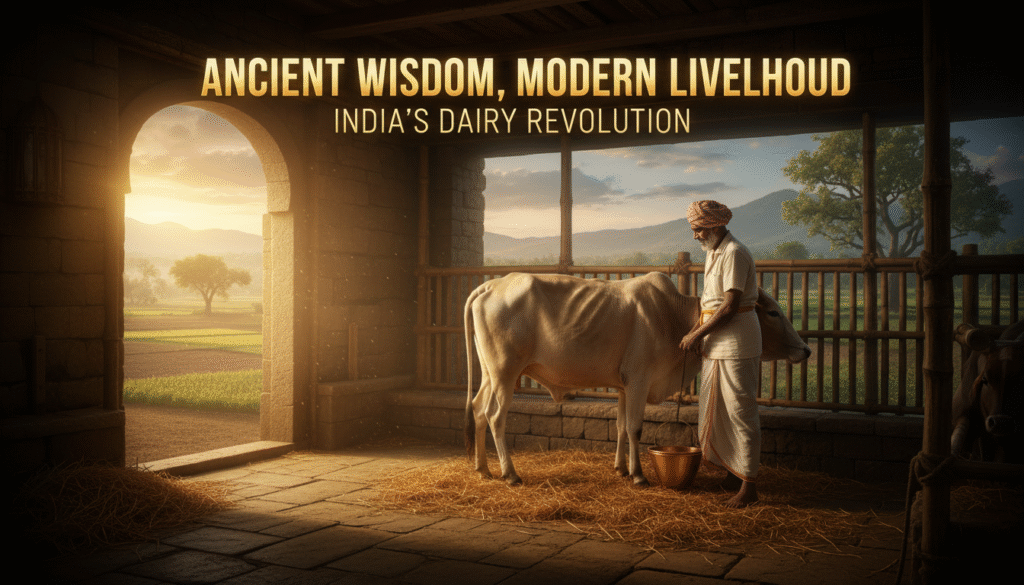
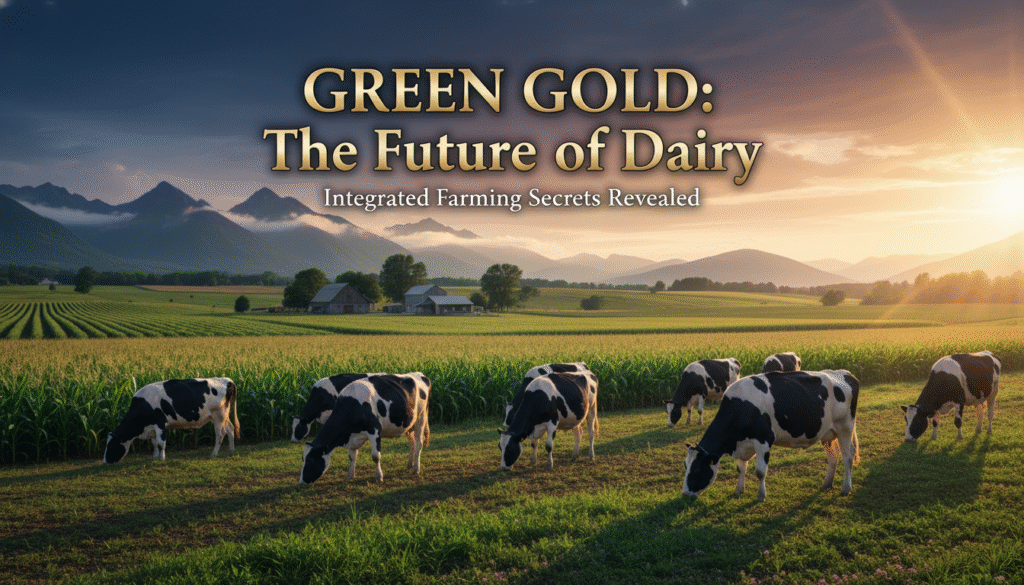
Dairy farming gained popularity because it complements crop farming rather than competing with it. Crop waste like straw, husk, and leftover grains can be reused as animal feed. Cow dung improves soil fertility, reducing fertilizer costs.
This natural integration makes dairy farming a logical and efficient choice for crop farmers.
4. Regular Income vs Seasonal Crop Earnings
One of the strongest reasons dairy farming is considered safe is its regular income pattern. Milk is sold daily or weekly, which helps farmers manage household expenses, school fees, and emergencies without waiting for harvest season.
This steady cash flow acts as a financial cushion when crop prices fall or yields fail.
5. Initial Investment and Setup Costs
Starting small-scale dairy farming requires moderate investment compared to other businesses. Expenses include purchasing animals, building a basic shed, feed, water arrangements, and veterinary care.
While costs have increased over time, farmers can begin with local breeds or crossbreeds and gradually expand using profits instead of loans.
6. Daily Management and Workload
Dairy farming demands discipline and consistency. Animals must be fed, cleaned, and milked every day. Unlike crops, dairy farming does not offer holidays. However, many farmers manage this workload by sharing responsibilities among family members.
For those already working on farms daily, dairy routines naturally fit into their lifestyle.
7. Feed Availability and Crop Integration
Crop farmers have a major advantage when it comes to feed availability. Crop residues, green fodder crops, and agricultural by-products reduce dependence on expensive commercial feed.
This integration significantly lowers operational costs and improves profit margins, making dairy farming safer compared to standalone livestock businesses.
8. Milk Market Demand and Pricing Stability
Milk remains one of the most consistently demanded agricultural products. Urbanization, population growth, and rising nutrition awareness continue to support strong milk demand.
Even when prices fluctuate, milk rarely becomes unsellable. Cooperative societies, private dairies, and local markets provide multiple selling options, reducing marketing risk.
9. Risks Involved in Dairy Farming
Despite its advantages, dairy farming is not risk-free. Animal health issues, feed price hikes, labor shortages, and market dependency can affect income.
However, these risks are often manageable through proper planning, vaccination, insurance, and maintaining small herd sizes.
10. Disease, Climate, and Cost Challenges
Animal diseases can cause sudden losses if not handled properly. Climate stress also affects milk yield, especially during extreme heat or cold.
Rising costs of feed, medicine, and labor further challenge profitability. Farmers who ignore these factors may struggle, while informed farmers adapt successfully.
11. Government Support and Subsidies
Many governments continue to support dairy farming through subsidies, low-interest loans, insurance schemes, and veterinary services. These programs reduce financial risk and encourage farmers to adopt scientific practices.
Crop farmers who utilize these benefits significantly improve income security.
12. Small-Scale vs Medium-Scale Dairy Models
Small-scale dairy farming is often safer than large operations. Fewer animals mean lower risk, manageable workload, and easier disease control.
Medium-scale farms can be profitable but require better management, higher investment, and stronger market connections. For side income, small-scale dairy remains the safest option.
13. Profit Margin Reality Check
Profit margins in dairy farming depend on breed quality, feed management, milk yield, and selling price. While profits may not be very high initially, stability is the key benefit.
Over time, improved practices and herd expansion can significantly increase income.
14. Is Dairy Farming Still Safe in Today’s Economy?
Yes, dairy farming is still one of the safest side income options for crop farmers, but only when done smartly. Blind expansion, poor animal care, or ignoring market trends can turn it risky.
Farmers who start small, control costs, and focus on quality continue to benefit from dairy farming’s reliability.
15. Smart Strategies to Reduce Risk
Successful dairy farmers focus on preventive healthcare, balanced feeding, proper housing, and record keeping. Insurance and cooperative membership further reduce uncertainty.
Using technology like mobile vet services and digital milk payments also improves efficiency.
16. Future of Dairy Farming for Crop Farmers
The future of dairy farming depends on adaptation. Value-added products like curd, ghee, and paneer offer new income streams. Organic and A2 milk markets are growing rapidly.
Crop farmers who diversify and modernize will continue to find dairy farming a dependable income source.
17. Conclusion: Is It Still Worth It?
Dairy farming remains one of the safest side income options for crop farmers because it offers regular cash flow, integrates well with crop farming, and meets constant market demand. While challenges exist, they are manageable with proper planning and realistic expectations.
For farmers seeking stability rather than quick profits, dairy farming still stands strong as a trusted companion to crop agriculture.