


Latest News
Middle East War Impact on India: PM Modi’s Fuel Warning and What It Means for Every Indian Family

Short Overview
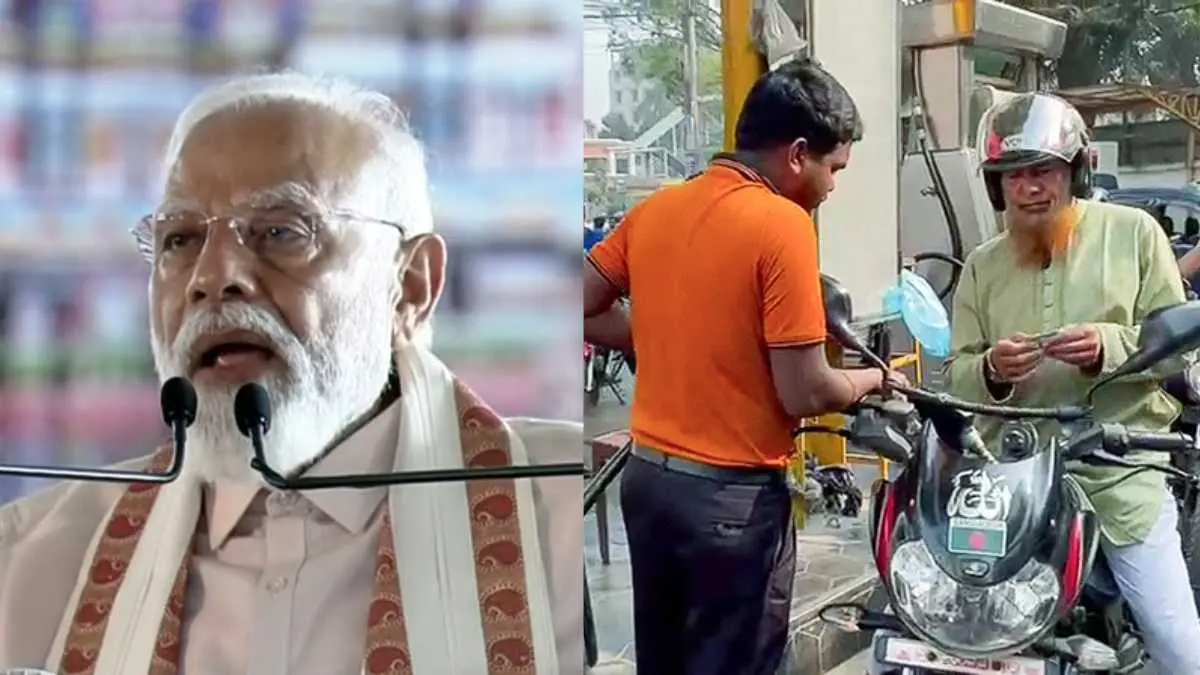
The growing conflict in the Middle East is becoming a major concern for countries across the world, especially for energy-dependent nations like India. Prime Minister Narendra Modi recently urged citizens to use petrol, diesel, and cooking gas carefully as global tensions continue to affect crude oil prices and fuel supply chains. For millions of Indians, this is not just an international issue anymore. Rising fuel prices directly impact transportation costs, food prices, household budgets, businesses, and overall inflation. This article explains in simple language how the Middle East crisis can affect India’s economy, why fuel conservation has become important, and what common people can do to manage expenses during uncertain times.
India is facing growing economic pressure due to the Middle East conflict and rising crude oil prices. Discover how petrol, diesel, LPG gas prices, inflation, transportation costs, and household expenses may impact common people and businesses. Learn PM Modi’s message on fuel conservation, India’s energy strategy, economic challenges, and practical ways citizens can save fuel and reduce expenses during uncertain global conditions while understanding the future of India’s energy security and fuel economy in 2026.

Table of Contents
- Introduction
- Why the Middle East Matters for India
- PM Modi’s Message on Fuel Conservation
- How Rising Crude Oil Prices Affect India
- Impact on Petrol, Diesel, and LPG Prices
- How Common Families May Feel the Pressure
- Transportation and Business Costs Could Rise
- Inflation and Daily Household Expenses
- India’s Energy Security Challenges
- What the Government Is Doing
- Why Fuel Conservation Is the Need of the Hour
- Practical Ways Indians Can Save Fuel and Money
- Future Outlook for India’s Economy
- Can Renewable Energy Reduce India’s Dependence?
- Final Thoughts and Conclusion
Introduction
India is one of the fastest-growing economies in the world, but it also depends heavily on imported crude oil. A large percentage of the petrol, diesel, and LPG gas used in the country comes from international markets, especially the Middle East. Whenever tensions rise in countries like Iran, Israel, Saudi Arabia, or nearby regions, oil prices usually increase worldwide.
Recently, Prime Minister Narendra Modi highlighted the importance of using petrol, diesel, and cooking gas with restraint. His statement came at a time when global fuel markets are witnessing uncertainty due to rising geopolitical tensions. For ordinary citizens, this warning is more than just political advice. It reflects a real economic challenge that could affect every household budget in India.
The impact of higher fuel prices is not limited to vehicles. It affects food transportation, electricity production, manufacturing, delivery services, airline tickets, and even the prices of vegetables and groceries.
Why the Middle East Matters for India
The Middle East plays a critical role in India’s energy supply. India imports a major portion of its crude oil from countries in this region. If conflict disrupts oil production or shipping routes, crude oil prices can rise sharply.
India’s economy is sensitive to these fluctuations because fuel is deeply connected to every sector. When global oil becomes expensive, India has to spend more foreign currency to buy the same amount of crude oil. This creates pressure on the Indian rupee and increases import bills.
The Middle East is not just an oil supplier for India. Millions of Indians also work in Gulf countries and send money back home. Any major instability in the region could indirectly affect jobs, remittances, and business relationships as well.
PM Modi’s Message on Fuel Conservation
Prime Minister Narendra Modi’s statement about using petrol, diesel, and gas carefully reflects the seriousness of the current global situation. His message was focused on responsible fuel usage and reducing unnecessary consumption.
Fuel conservation becomes extremely important during periods of global uncertainty because it helps reduce economic pressure. If people start using fuel more responsibly, overall demand may reduce slightly, helping the country manage resources more efficiently.
This message also encourages people to think about sustainable living. Simple habits like reducing unnecessary travel, carpooling, using public transportation, and saving cooking gas can collectively make a difference.
How Rising Crude Oil Prices Affect India
Crude oil is the raw material used to produce petrol, diesel, aviation fuel, and several industrial products. When international crude oil prices rise, India’s import costs increase significantly.
This creates multiple economic challenges. The government may face pressure to reduce taxes to control fuel prices. Oil companies may increase petrol and diesel rates. Transportation companies may charge more. Businesses may raise product prices to maintain profits.
As a result, inflation begins to rise across different sectors of the economy. Even people who do not own vehicles eventually feel the impact because transportation costs affect the prices of goods and services everywhere.
Impact on Petrol, Diesel, and LPG Prices
Petrol and diesel prices are directly connected to global crude oil markets. If the Middle East conflict continues or worsens, fuel prices in India could become more volatile.
Diesel is especially important because trucks, buses, agricultural equipment, and commercial transportation rely heavily on it. A rise in diesel prices increases logistics costs, which then affects market prices for food, clothing, electronics, and essential goods.
LPG gas cylinders are another major concern for middle-class and lower-income families. Higher cooking gas prices can create financial pressure for households already struggling with rising living costs.
Fuel price hikes also impact small businesses, delivery workers, taxi drivers, farmers, and transport operators who depend on affordable fuel for daily income.
How Common Families May Feel the Pressure
The biggest burden of rising fuel prices is usually carried by ordinary families. Monthly household budgets become difficult to manage when transportation, groceries, electricity, and cooking gas become expensive together.
For example, parents may spend more on school transportation. Office workers may spend more on fuel for commuting. Food prices may rise because farmers and transporters face higher operational costs.
Middle-class families often feel trapped because salaries usually do not increase at the same speed as inflation. This forces people to reduce discretionary spending on entertainment, travel, shopping, and savings.
Many families may start looking for alternative ways to cut costs, such as using public transport more frequently or reducing long-distance travel.
Transportation and Business Costs Could Rise
Transportation is the backbone of India’s economy. From vegetables transported from farms to e-commerce deliveries reaching homes, fuel powers every stage of the supply chain.
When diesel prices rise, trucking companies increase freight charges. Airlines may increase ticket prices due to higher aviation fuel costs. Ride-sharing services and taxi operators may also raise fares.
Small businesses may struggle the most because higher transportation costs reduce profit margins. Retailers and manufacturers may eventually pass these extra costs to consumers.
Industries such as logistics, tourism, agriculture, and manufacturing are particularly vulnerable to rising fuel prices.
Inflation and Daily Household Expenses
Fuel inflation eventually spreads into the broader economy. This process is known as cost-push inflation. When transportation becomes expensive, businesses increase prices to maintain operations.
Vegetables, milk, fruits, packaged foods, medicines, and household products may become more expensive. Electricity bills may also rise if energy production costs increase.
This creates a difficult financial situation for consumers because essential expenses increase together. Families may start prioritizing necessities while reducing non-essential spending.
High inflation can also slow economic growth because people spend less money overall, reducing demand in various industries.
India’s Energy Security Challenges
India’s dependence on imported crude oil has always been a major economic concern. The country imports a significant portion of its energy requirements, making it vulnerable to global conflicts and price shocks.
Energy security means ensuring stable and affordable access to fuel and power resources. The current Middle East tensions highlight why India needs stronger energy diversification strategies.
The government has already been promoting renewable energy, electric vehicles, ethanol blending, and solar power projects. However, reducing dependence on imported oil is a long-term process that requires infrastructure investment and public participation.
What the Government Is Doing
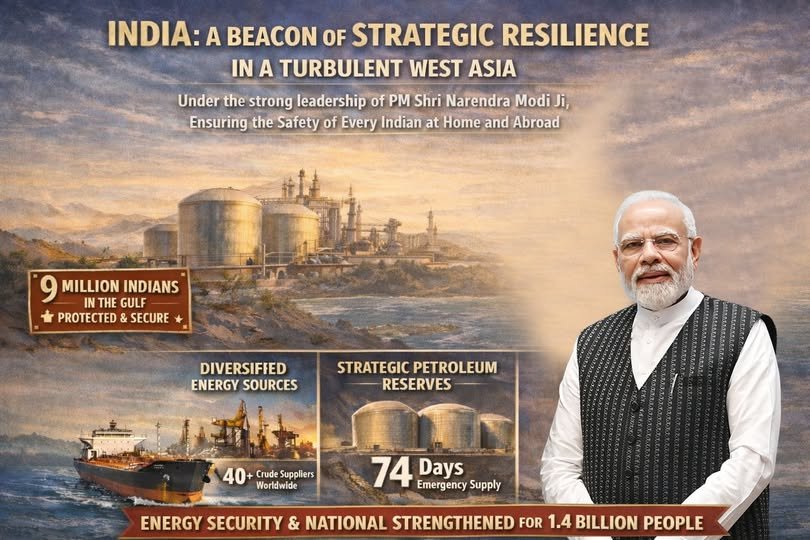
The Indian government has been taking several steps to reduce the impact of rising global oil prices. These include increasing strategic oil reserves, promoting renewable energy, encouraging electric mobility, and strengthening domestic energy production.
India is also exploring alternative energy partnerships with different countries to reduce overdependence on specific regions.
Programs supporting ethanol-blended fuel and solar energy are part of a broader strategy to improve long-term energy security.
The government may also intervene through tax adjustments or subsidies if fuel prices rise sharply, although such measures can affect fiscal balances.
Why Fuel Conservation Is the Need of the Hour
Fuel conservation is not only about saving money. It is also about protecting economic stability during uncertain times.
When millions of people reduce unnecessary fuel consumption, it can lower national demand and reduce pressure on imports. Conservation also supports environmental sustainability by reducing emissions and pollution.
Simple actions such as maintaining proper tire pressure, driving efficiently, switching off engines during long stops, and using public transport can collectively create a meaningful impact.
Responsible fuel use can help households save money while supporting the country during periods of global instability.
Practical Ways Indians Can Save Fuel and Money
Families can adopt smarter habits to reduce fuel expenses without drastically changing their lifestyles. Planning travel efficiently can reduce unnecessary driving. Carpooling with colleagues or neighbors can lower daily fuel consumption.
Using public transportation whenever possible can significantly cut commuting costs. Regular vehicle servicing improves fuel efficiency and reduces long-term maintenance expenses.
At home, people can save LPG gas by cooking efficiently, using pressure cookers, and avoiding fuel wastage.
Businesses can also adopt fuel-saving logistics strategies and optimize delivery routes to reduce operational expenses.
Future Outlook for India’s Economy
India’s economy remains strong compared to many global markets, but rising fuel prices can create short-term challenges. The future impact will largely depend on how long Middle East tensions continue and how global crude oil markets respond.
If oil prices stabilize, inflationary pressure may remain manageable. However, prolonged geopolitical conflict could create sustained economic pressure.
India’s growing focus on renewable energy, domestic manufacturing, and electric mobility may gradually reduce vulnerability to international oil shocks in the future.
Economic experts believe that diversification and energy innovation will play a major role in strengthening India’s long-term resilience.
Can Renewable Energy Reduce India’s Dependence?
Renewable energy is becoming increasingly important for India’s future. Solar energy, wind power, electric vehicles, and green hydrogen projects are helping reduce dependence on imported fossil fuels.
India has already become one of the leading countries in solar energy development. Electric vehicle adoption is also growing steadily in urban areas.
Although renewable energy cannot replace traditional fuels overnight, it offers a long-term solution for energy security and economic stability.
Investing in clean energy infrastructure today can help India protect itself from future global oil crises.
Conclusion
The ongoing Middle East conflict is a reminder of how interconnected the global economy has become. For India, rising crude oil prices are not just international headlines. They directly affect household expenses, transportation costs, inflation, and overall economic stability.
Prime Minister Narendra Modi’s message about using petrol, diesel, and gas carefully reflects a larger national concern about fuel security and economic resilience. In times of uncertainty, responsible fuel usage becomes both a financial necessity and a collective responsibility.
India is gradually moving toward renewable energy and stronger energy independence, but until then, global oil markets will continue to influence daily life across the country. By adopting fuel-saving habits, supporting sustainable energy solutions, and preparing financially for inflationary periods, Indian families can better manage the challenges ahead.
The road ahead may have uncertainties, but awareness, conservation, and smart planning can help both individuals and the nation remain resilient during global economic disruptions.


NEET UG Re-Exam 2026: Why Telegram Was Restricted in India and What It Means for Students

Spotify Outage 2026: Thousands of Users Report Streaming Issues Across the Globe

Stock Market Today: Sensex, Nifty & Top Stocks in Focus Amid Global Market Uncertainty

NEET Re-Exam Admit Card 2026 Released: Direct Download Link, Exam Day Guidelines & Important Updates

Made-in-India C295 Aircraft Maiden Flight Marks a New Chapter in India’s Defence Manufacturing

Higher Ethanol Blended Petrol Gets Excise Duty Exemption: What It Means for India’s Fuel Future

What I Eat In A Day As An Indian Diabetic To Lose Weight

10 Simple Indian Home Habits That Help You Lose Weight With Type 2 Diabetes

Diabetes-Friendly Indian Breakfasts That Melt Belly Fat and Control Blood Sugar Naturally

Mango Weight Gain Myth: Smart Ways to Enjoy Mangoes Without Gaining Weight This Summer

AI Cyber Attacks in India: What CERT-In’s New Cybersecurity Guidelines Mean for Businesses

Pension ULIP: Why the 10x Growth in FY26 Shows India Is Getting Serious About Retirement Planning

New Tata Tiago Facelift Launched At Rs 4.69 Lakh, Here’s Your COMPLETE Look At Every Detail And Pricing

11 Foods That Help Reduce Belly Fat Naturally and Support Healthy Weight Loss
Mango Weight Gain Myth: Smart Ways to Enjoy Mangoes Without Gaining Weight This Summer
Diabetes-Friendly Indian Breakfasts That Melt Belly Fat and Control Blood Sugar Naturally

Coconut Water Daily in Summer: What Happens When You Drink It for 15 Days?

Brain Tumor Warning Signs: When a Headache Is More Than Just a Headache

Blood Pressure Test Tips: Why Avoiding Tea Before Your BP Check Matters