




Short Overview
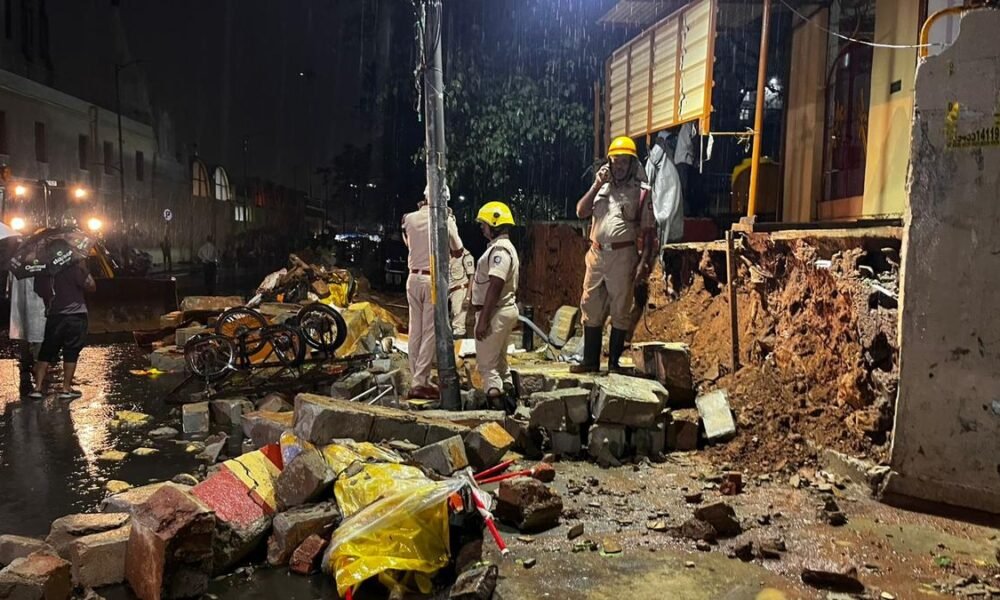
Heavy rains in Bengaluru recently led to a heartbreaking tragedy when a compound wall at Bowring and Lady Curzon Hospital collapsed, claiming seven lives. This incident highlights not just the intensity of urban flooding but also deeper concerns about infrastructure, safety preparedness, and city planning. This blog breaks down what happened, why it matters, and what it means for residents and authorities moving forward.
The recent Bengaluru rains tragedy that led to the collapse of a compound wall at Bowring Hospital, killing seven people, highlights serious concerns about urban infrastructure, drainage systems, and public safety. This in-depth blog explains the causes behind the incident, the role of heavy rainfall and poor construction, and the broader issue of flooding in Bangalore. Learn how climate change is worsening urban disasters and what steps residents and authorities must take to prevent such incidents. Also discover practical safety tips during heavy rains, government responses, and long-term solutions to improve city resilience. Stay informed with this detailed, easy-to-understand guide designed to raise awareness and promote safer urban living.
Table of Contents
- Introduction
- What Happed in Bengaluru?
- Understanding the Impact of Heavy Rains
- Why Did the Wall Collapse?
- The Human Cost of Urban Negligence
- Bengaluru’s Ongoing Infrastructure Challenges
- Climate Change and Urban Flooding
- Government Response and Public Reaction
- Lessons for Urban Planning and Safety
- How Residents Can Stay Safe During Heavy Rains
- The Need for Stronger Policies
- Future Outlook for Bengaluru
- Conclusion
Introduction
Bengaluru, often called India’s Silicon Valley, is known for its fast growth, modern lifestyle, and booming tech industry. But behind this rapid development lies a growing concern—urban infrastructure struggling to keep up with changing weather patterns. The recent tragedy involving the collapse of a compound wall at Bowring Hospital during heavy rains has once again exposed these vulnerabilities.
This is not just a one-time accident. It reflects a deeper issue that affects millions of people living in rapidly expanding cities.
What Happened in Bengaluru?
During intense rainfall, a compound wall at Bowring Hospital suddenly gave way. The collapse happened quickly, leaving people nearby with little time to react. Sadly, seven lives were lost in the incident.
The victims included individuals who were either passing by or present in the vicinity, unaware of the danger looming above them. What should have been a normal rainy day turned into a devastating event.
Understanding the Impact of Heavy Rains
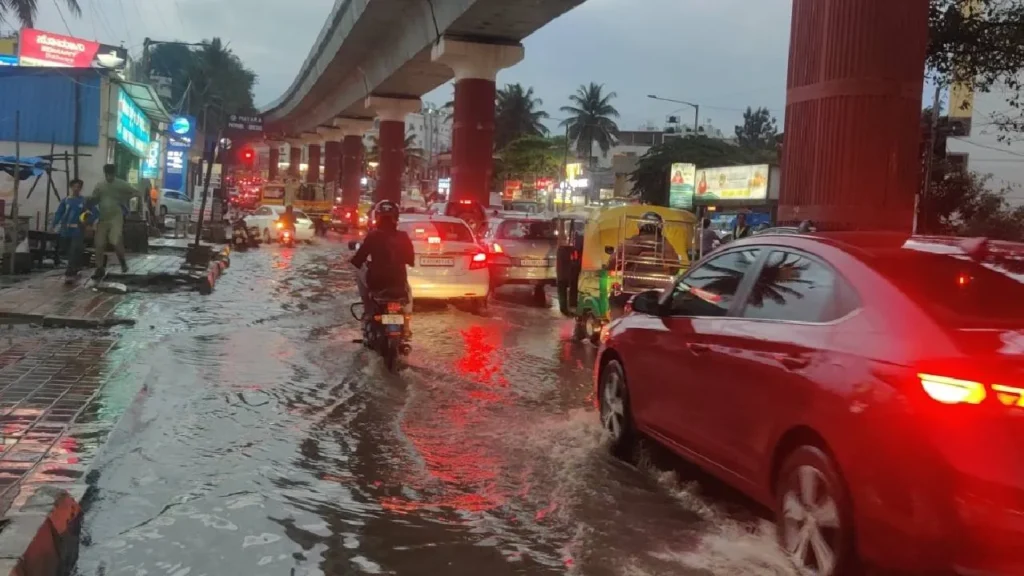
Rainfall in Bengaluru has become increasingly unpredictable. While the city has always experienced monsoons, the intensity and frequency of heavy downpours have increased significantly.
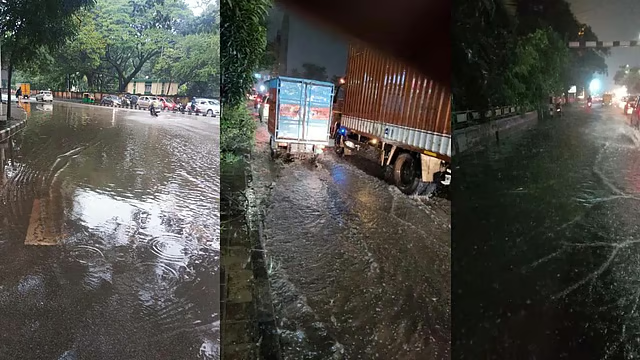
Waterlogging has become common in many areas. Roads flood within hours, drainage systems overflow, and buildings face structural pressure due to excessive water accumulation. These conditions create a dangerous environment where even strong structures can weaken over time.
Why Did the Wall Collapse?
The collapse of the hospital wall was not just due to rain alone. Several underlying factors likely contributed to the disaster.
Continuous exposure to moisture can weaken construction materials. If proper maintenance is not carried out, cracks develop and expand over time. Poor drainage around the structure may have caused water to accumulate at the base, reducing stability.
In many urban areas, older structures are not regularly inspected. This increases the risk of sudden failures, especially during extreme weather.
The Human Cost of Urban Negligence
Beyond statistics, this tragedy is about real people and families. Losing loved ones in such unexpected circumstances leaves a deep emotional impact.
Urban negligence often goes unnoticed until something goes wrong. When infrastructure fails, it is always ordinary citizens who suffer the most. This raises an important question—are cities truly prepared to protect their residents?
Bengaluru’s Ongoing Infrastructure Challenges
Bengaluru’s rapid growth has put immense pressure on its infrastructure. Roads, drainage systems, and buildings are often unable to handle the increasing population and environmental changes.
Many areas still rely on outdated systems designed decades ago. As the city expands, these systems struggle to cope with modern demands. Encroachments on lakes and drainage channels further worsen the situation.
Climate Change and Urban Flooding
Climate change is playing a major role in intensifying rainfall patterns. Cities like Bengaluru are experiencing sudden bursts of heavy rain instead of steady showers.
This leads to flash flooding, which puts stress on buildings and infrastructure. Without proper planning, such conditions can quickly turn dangerous.
Urban areas with limited green spaces are especially vulnerable. Water has nowhere to go, leading to accumulation and increased pressure on structures.
Government Response and Public Reaction
Following the incident, authorities have started investigations to determine the exact cause of the collapse. There have been discussions about inspecting old structures and improving drainage systems.
Public reaction has been strong, with many demanding accountability and better safety measures. Citizens are increasingly aware of the risks and are calling for immediate action.
Lessons for Urban Planning and Safety
This tragedy serves as a reminder that urban planning must prioritize safety. Regular inspections, proper drainage systems, and strict construction standards are essential.
Cities need to adapt to changing weather patterns. Planning should include long-term solutions rather than temporary fixes. Safety should never be compromised for rapid development.
How Residents Can Stay Safe During Heavy Rains
While authorities play a major role, residents also need to stay alert during heavy rains. Avoid standing near old walls or structures, especially during continuous rainfall.
It is important to stay updated with weather alerts and avoid flooded areas. Simple precautions can make a big difference in preventing accidents.
The Need for Stronger Policies
Authorities must ensure that construction follows safety guidelines. At the same time, urban planning should focus on sustainable development that can withstand extreme weather.
Future Outlook for Bengaluru
Bengaluru has the potential to become a model city for sustainable development. However, this requires immediate action and long-term commitment.
Investing in modern infrastructure, improving drainage systems, and increasing green spaces can help reduce risks. With the right approach, the city can overcome these challenges.
Conclusion
The Bengaluru rains tragedy is more than just a news event—it is a warning. It highlights the urgent need for better infrastructure, stronger policies, and increased awareness.
As cities continue to grow, the importance of safety cannot be ignored. Both authorities and citizens must work together to create a safer environment.
If lessons are learned and actions are taken, such tragedies can be prevented in the future. But ignoring them will only lead to more risks and more loss

- Latest News
- AgriTech & Innovation
- Benefits
- Creative Ideas
- live news
- 1 month ago
NEET UG Re-Exam 2026: Why Telegram Was Restricted in India and What It Means for Students

- Latest News
- AgriTech & Innovation
- Benefits
- Creative Ideas
- live news
- 1 month ago