


live news
India Gold Import Duty Hike 2026: What the New Gold and Silver Tariff Means for Indian Economy, Investors, and Buyers

Short Overview
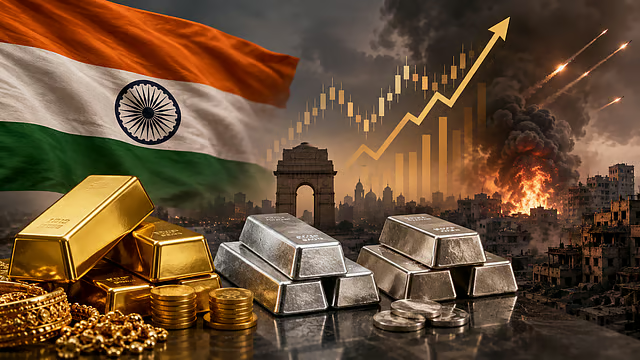
India’s decision to sharply increase gold and silver import tariffs in 2026 has become one of the biggest economic developments of the year. The government raised import duties from 6% to nearly 15% in an effort to reduce pressure on foreign exchange reserves, support the falling rupee, and control rising imports during global uncertainty. This move directly affects jewellery buyers, investors, traders, bullion businesses, and even common households that traditionally invest in gold for security and savings. While the government believes the decision will protect the economy in the short term, many experts believe it could also increase gold prices, reduce legal imports, and revive smuggling activities in India.
India has increased gold and silver import tariffs to 15% in 2026 to protect the economy and support the rupee. Learn how this major policy change will affect gold prices, jewellery buyers, investors, bullion traders, imports, inflation, the Indian economy, and future gold demand in simple and easy-to-understand language.

Table of Contents
- Introduction to India’s Gold Import Duty Hike 2026
- Why India Increased Gold and Silver Import Tariffs
- How the New 15% Gold Import Duty Works
- Impact on Gold Prices in India
- Effect on Jewellery Buyers and Wedding Season Demand
- What This Means for Investors and Gold ETFs
- Impact on the Indian Economy and Rupee
- Will Gold Smuggling Increase Again?
- How Bullion Traders and Jewellery Businesses Will React
- What Experts Are Saying About the New Policy
- Will Gold Demand Reduce in India?
- Long-Term Impact on Precious Metals Market
- Should Indians Buy Gold in 2026?
- Future Outlook for Gold and Silver Prices
- Final Conclusion
Introduction to India’s Gold Import Duty Hike 2026
India has officially increased import tariffs on gold and silver from 6% to around 15%, creating a major shift in the country’s precious metals market. The move came at a time when India is dealing with pressure on foreign exchange reserves, rising global uncertainty, and a weakening rupee. Gold has always been deeply connected with Indian culture, savings, weddings, festivals, and long-term investments. Because India imports most of its gold from international markets, rising imports can put pressure on the country’s economy.
The government introduced the new tariff structure to reduce unnecessary imports and protect the Indian economy during a period of global instability. According to reports, the revised duty includes a 10% basic customs duty along with a 5% Agriculture Infrastructure and Development Cess.
This sudden policy change has already triggered discussions across financial markets, jewellery businesses, and investment communities. People are now asking whether gold prices will rise further, whether buying jewellery will become more expensive, and whether this decision will actually help the Indian economy.
Why India Increased Gold and Silver Import Tariffs
The Indian government did not increase import tariffs without reason. Several economic challenges pushed policymakers toward this decision.
One of the biggest concerns is the pressure on India’s foreign exchange reserves. India imports massive amounts of gold every year, and these imports are paid in US dollars. When global oil prices are already rising and the rupee is under pressure, large gold imports can worsen the trade deficit.
The ongoing geopolitical tensions in the Middle East also increased economic uncertainty. India depends heavily on imported crude oil, and higher energy prices already create pressure on the economy. In such situations, governments often try to reduce non-essential imports to conserve foreign exchange reserves.

Gold is culturally important in India, but from an economic perspective, large-scale imports can weaken the country’s external balance. This is one of the main reasons why the government decided to make imported gold and silver more expensive.
Prime Minister Narendra Modi also recently urged citizens to reduce unnecessary gold purchases for a year. This unusual public appeal showed how serious the government is about protecting India’s economic stability.
How the New 15% Gold Import Duty Works
The new gold import duty structure is much higher than before. Earlier, the effective duty on gold and silver imports was around 6%. Now, the government has increased it to approximately 15%.
The revised structure includes:
- 10% Basic Customs Duty
- 5% Agriculture Infrastructure and Development Cess (AIDC)
This means imported gold and silver will now become significantly more expensive for importers, jewellers, and buyers.
Whenever import costs rise, businesses usually transfer some of the burden to consumers. As a result, ordinary jewellery buyers are expected to see higher prices in the market.
This increase also affects imported platinum and related jewellery components. Jewellery manufacturers may now face higher production costs, which could eventually increase retail prices across the market.
Impact on Gold Prices in India
The most immediate effect of the tariff hike is expected to be higher gold prices in India.
Gold prices are already trading near record highs globally due to economic uncertainty, inflation concerns, and strong investor demand. Adding a higher import duty on top of already expensive international prices makes gold even more costly for Indian consumers.
Experts believe domestic gold prices could continue rising in the coming months because India imports most of its gold. When import taxes rise sharply, the additional cost directly affects local market pricing.
For ordinary buyers, this means purchasing gold jewellery, coins, or bars will become more expensive than before. During wedding seasons and festivals like Diwali, Akshaya Tritiya, and Dhanteras, consumers may feel the impact even more strongly.
At the same time, rising prices may push some buyers toward lightweight jewellery or lower-carat gold products.
However, history shows that Indian demand for gold often remains strong despite higher prices because gold is seen as both an emotional and financial asset.
Effect on Jewellery Buyers and Wedding Season Demand
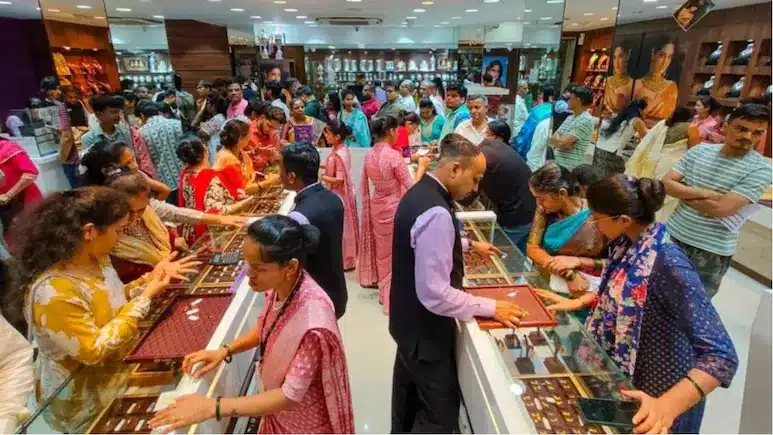
Indian families have traditionally considered gold an important part of weddings, celebrations, and financial security. Even during periods of high prices, demand often continues because cultural importance plays a major role.
Still, the new import tariff hike is likely to affect buying behaviour.
Families planning weddings may reduce their jewellery budgets or shift toward lighter designs. Some customers may delay purchases in the hope that prices stabilize later.
Jewellery retailers may also witness slower footfall initially because consumers often react cautiously after major price increases.
At the same time, many buyers may continue purchasing gold despite higher prices because weddings and festivals are emotionally connected with gold ownership in India.
Jewellers could start promoting smaller jewellery collections, flexible payment plans, and lower-weight ornaments to maintain customer demand.
The silver market may also experience similar trends because silver prices are expected to rise due to the increased import cost.
What This Means for Investors and Gold ETFs
The tariff hike may actually increase investment demand for gold in certain areas.
During uncertain economic periods, investors often turn toward gold as a safe-haven asset. Many people believe gold protects wealth during inflation, currency weakness, and market volatility.
In recent years, gold Exchange Traded Funds (ETFs) in India have witnessed strong growth. Higher tariffs could push more investors toward digital gold investments and ETFs instead of physical jewellery.
Investors may also see gold as a safer option when stock markets remain volatile.
Interestingly, even though the government wants to reduce imports, investment demand may continue growing because people often buy gold during uncertain times.
This creates a complicated situation where jewellery demand may slow slightly, but investment demand could remain strong.
Long-term investors are now closely watching how global gold prices react to geopolitical tensions, inflation, and central bank policies.
Impact on the Indian Economy and Rupee
The government’s primary objective behind the tariff increase is to protect the Indian economy.
India spends billions of dollars every year importing gold. When imports become extremely high, the country’s trade deficit increases because more money flows out of India.
By increasing tariffs, the government hopes to reduce gold imports and save foreign exchange reserves.
A reduction in imports can help stabilize the rupee, especially when global oil prices are rising.
The Indian rupee has faced pressure recently due to global economic uncertainty and rising import bills. A weaker rupee increases the cost of imports and can also contribute to inflation.
If the tariff hike successfully reduces gold imports, the government may achieve some relief in managing the current account deficit.
However, economists also warn that extremely high import duties can create unintended consequences, including smuggling and illegal trade.
Will Gold Smuggling Increase Again?
One of the biggest concerns after the tariff hike is the possible return of gold smuggling.
India has historically struggled with illegal gold imports whenever duties became too high.
When there is a large price difference between legal and illegal gold channels, smugglers often try to exploit the gap. Experts believe the new 15% duty could make illegal gold trading profitable once again.
Smuggling activities had reduced after India lowered duties in previous years. However, the latest increase may encourage underground networks to become active again.
Illegal imports not only reduce government tax collections but also create risks for legitimate jewellery businesses.
Authorities may now increase monitoring at airports, ports, and border areas to prevent illegal gold trade.
Despite these risks, the government appears willing to accept short-term challenges in order to protect foreign exchange reserves and stabilize the economy.
How Bullion Traders and Jewellery Businesses Will React
Bullion traders and jewellery businesses are expected to face a challenging period after the tariff hike.
Importers will now pay significantly higher costs for bringing gold and silver into India. This could reduce profit margins and increase operational pressure.
Jewellery retailers may need to redesign their pricing strategies, inventory management, and customer offerings.
Some businesses may shift focus toward:
- Lightweight jewellery
- Custom-made ornaments
- Gold exchange programs
- Investment-focused gold products
- Digital gold solutions
Large jewellery brands may survive the transition more easily because they have stronger financial systems and supply chains. Smaller local jewellers could face greater difficulties due to rising costs and reduced customer spending.
At the same time, bullion markets may witness temporary demand fluctuations as buyers adjust to the new pricing environment.
What Experts Are Saying About the New Policy
Economic experts have mixed opinions about the government’s decision.
Supporters of the tariff hike believe it is necessary to protect India’s foreign exchange reserves during a period of global uncertainty. They argue that reducing non-essential imports is important when oil prices are high and the rupee is under pressure.
Some analysts also believe the decision could help narrow the current account deficit if gold imports decline.
However, critics argue that India’s emotional and cultural connection with gold means demand may not fall significantly. Instead, they worry the higher tariffs could encourage smuggling and illegal trade.
Industry experts also believe that legal jewellery businesses could face temporary slowdowns due to weaker consumer sentiment.
Others believe that long-term investment demand for gold will remain strong regardless of import duties because gold continues to be viewed as a reliable store of wealth.
Will Gold Demand Reduce in India?
This is one of the biggest questions after the tariff announcement.
In theory, higher prices should reduce demand. However, India’s relationship with gold is very different from many other countries.
Gold is not only a luxury item in India. It is also considered:
- A symbol of status
- A family asset
- A wedding necessity
- A savings instrument
- A financial safety net
Because of these emotional and financial reasons, gold demand often stays resilient even when prices rise sharply.
Many experts believe jewellery demand could slow temporarily, but overall gold ownership demand in India may remain strong.
Investment demand may continue increasing if economic uncertainty remains high.
In rural India especially, gold is often viewed as a trusted long-term asset compared to volatile financial markets.
Long-Term Impact on Precious Metals Market
The long-term impact of the tariff hike will depend on multiple factors.
If global economic uncertainty continues and gold prices remain elevated, Indian consumers may slowly adjust their purchasing habits.
Jewellery brands may also focus more on affordability and innovation to attract customers.
The government may later reconsider the tariff structure depending on economic conditions and import trends.
If smuggling rises sharply, authorities could face pressure to review duties again in the future.
At the same time, the policy highlights how important gold imports are for India’s overall economic balance.
The decision also sends a message that the government is willing to take aggressive steps to protect the rupee and stabilize the economy during global financial stress.
Should Indians Buy Gold in 2026?
There is no simple answer to this question because it depends on personal financial goals.
For families purchasing gold for weddings or cultural purposes, demand may continue regardless of higher prices.
For investors, gold still remains one of the most trusted safe-haven assets during uncertain times.
However, buyers should now carefully compare prices, making charges, and investment alternatives before purchasing.
Some investors may prefer:
- Gold ETFs
- Sovereign Gold Bonds
- Digital gold
- SIP-based gold investments
instead of heavy jewellery purchases.
Experts generally recommend buying gold gradually instead of making large purchases during periods of high volatility.
Consumers should also ensure they purchase gold only from trusted and certified sellers.
Future Outlook for Gold and Silver Prices
The future of gold and silver prices will depend on several global and domestic factors.
International gold prices are influenced by:
- Inflation
- Interest rates
- Geopolitical tensions
- US Federal Reserve policies
- Global recession fears
- Central bank gold purchases
In India, local prices will also depend on:
- Import duties
- Rupee strength
- Domestic demand
- Festival season buying
- Government policies
If global uncertainty remains high, precious metals may continue attracting investors.
At the same time, higher import tariffs in India could keep domestic prices elevated even if international prices stabilize.
Silver may also witness strong interest because many investors see it as a more affordable alternative to gold.
Final Conclusion
India’s decision to increase gold and silver import tariffs to 15% marks a major shift in the country’s economic and trade strategy. The government is clearly trying to reduce pressure on foreign exchange reserves, support the rupee, and manage the growing impact of global uncertainty.
While the move may help reduce imports and protect the economy in the short term, it also creates new challenges for jewellery buyers, traders, importers, and investors.
Gold prices are likely to remain high, wedding jewellery could become more expensive, and legal import demand may slow temporarily. At the same time, India’s strong cultural connection with gold means overall demand may not disappear completely.
The coming months will reveal whether the tariff hike successfully supports the economy or whether unintended consequences like smuggling become a larger problem.
One thing is certain: gold continues to hold emotional, cultural, and financial importance in India, and any government policy related to precious metals will always have a deep impact across the country.


NEET UG Re-Exam 2026: Why Telegram Was Restricted in India and What It Means for Students

Spotify Outage 2026: Thousands of Users Report Streaming Issues Across the Globe

Stock Market Today: Sensex, Nifty & Top Stocks in Focus Amid Global Market Uncertainty

NEET Re-Exam Admit Card 2026 Released: Direct Download Link, Exam Day Guidelines & Important Updates

Made-in-India C295 Aircraft Maiden Flight Marks a New Chapter in India’s Defence Manufacturing

Higher Ethanol Blended Petrol Gets Excise Duty Exemption: What It Means for India’s Fuel Future

What I Eat In A Day As An Indian Diabetic To Lose Weight

10 Simple Indian Home Habits That Help You Lose Weight With Type 2 Diabetes

Diabetes-Friendly Indian Breakfasts That Melt Belly Fat and Control Blood Sugar Naturally

Mango Weight Gain Myth: Smart Ways to Enjoy Mangoes Without Gaining Weight This Summer

11 Foods That Help Reduce Belly Fat Naturally and Support Healthy Weight Loss
Mango Weight Gain Myth: Smart Ways to Enjoy Mangoes Without Gaining Weight This Summer
Diabetes-Friendly Indian Breakfasts That Melt Belly Fat and Control Blood Sugar Naturally

Brain Tumor Warning Signs: When a Headache Is More Than Just a Headache

Blood Pressure Test Tips: Why Avoiding Tea Before Your BP Check Matters
Higher Ethanol Blended Petrol Gets Excise Duty Exemption: What It Means for India’s Fuel Future
10 Simple Indian Home Habits That Help You Lose Weight With Type 2 Diabetes
What I Eat In A Day As An Indian Diabetic To Lose Weight
Spotify Outage 2026: Thousands of Users Report Streaming Issues Across the Globe