




Short Overview
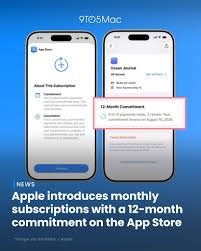
Apple is experimenting with a new subscription model in its App Store that blends monthly payments with a 12-month commitment. This change could reshape how users subscribe to apps and how developers earn revenue. In this article, we break down what this means, why it matters, and how it could impact the future of app subscriptions.
Discover how Apple’s new App Store monthly subscription model with a 12-month commitment could change the way users pay for apps. Learn about its benefits, drawbacks, and impact on developers, pricing strategies, and the future of subscription-based apps. This in-depth guide explains everything in simple language to help you understand how Apple is reshaping digital subscriptions, improving revenue stability for developers, and offering flexible payment options for users. Whether you’re an app developer or an iPhone user, this article covers all key insights, trends, and SEO-focused details you need to stay ahead in the evolving app ecosystem.
Table of Contents
- Introduction
- Understanding Apple’s New Subscription Model
- How Monthly Subscriptions with Annual Commitment Work
- Why Apple is Introducing This Model
- Benefits for Users
- Benefits for Developers
- Potential Drawbacks and Concerns
- Comparison with Existing Subscription Models
- Impact on the App Economy
- What This Means for the Future of Subscriptions
- Conclusion
Introduction
The subscription model has become a major part of the digital world. From streaming platforms to productivity apps, almost everything now runs on recurring payments. Recently, Apple has been testing a new approach in its App Store — a monthly subscription plan that requires a 12-month commitment.
At first glance, this might sound like just another pricing option. But when you look deeper, it could change how people subscribe to apps and how developers generate income.
Understanding Apple’s New Subscription Model
Apple’s idea is simple but powerful. Instead of choosing between a monthly plan or a yearly plan, users can now pay monthly while still committing to a full year.
This means:
- You pay smaller amounts each month
- But you agree to stay subscribed for 12 months
This hybrid model combines flexibility with long-term commitment.
How Monthly Subscriptions with Annual Commitment Work
Let’s make this easier to understand.
Imagine an app costs:
- ₹500 per month
- ₹5000 per year
With this new model:
- You still pay ₹500 monthly
- But you cannot cancel freely until the 12 months are completed
This creates a middle ground between:
- Flexible monthly subscriptions
- Discounted yearly plans
It gives users manageable payments while ensuring developers get stable income.
Why Apple is Introducing This Model
Apple’s decision is not random. It reflects how the subscription economy is evolving.
The main reason behind this change is predictability. Developers want steady revenue instead of users canceling anytime. At the same time, many users don’t like paying a large amount upfront.
So Apple is solving both problems:
- Developers get guaranteed long-term subscribers
- Users avoid large one-time payments
Benefits for Users
For users, this model feels more practical and less stressful financially.
Instead of paying a big yearly fee, you can spread the cost over time. This makes premium apps more accessible, especially for students and small business owners.
Another advantage is psychological comfort. Paying monthly feels easier than committing a large amount at once, even if the total cost is the same.
It also helps users try higher-value apps that they might otherwise avoid due to high upfront pricing.
Benefits for Developers
For developers, this is a major opportunity.
It also reduces churn. Many users cancel monthly subscriptions quickly, but this model locks in users for a longer period.
This allows developers to:
- Invest more in product quality
- Improve customer experience
- Build long-term engagement
Potential Drawbacks and Concerns
While the model looks promising, it is not perfect.
One major concern is flexibility. Users who want the freedom to cancel anytime may feel restricted. If they stop using the app, they still have to continue paying.
There is also a trust factor. Users must be confident that the app will continue delivering value throughout the year.
If developers fail to meet expectations, users may feel trapped in the subscription.
Comparison with Existing Subscription Models
Let’s compare:
Monthly Subscription
- Flexible
- Easy to cancel
- Higher long-term cost
Yearly Subscription
- Cheaper overall
- Requires upfront payment
- Long commitment
New Hybrid Model
- Monthly payments
- Long-term commitment
- Balanced approach
This hybrid model fills the gap between affordability and commitment.
Impact on the App Economy
This change could have a huge impact on the entire app ecosystem.
More developers may adopt subscription-based pricing instead of one-time purchases. This could lead to:
- Better app quality
- Regular updates
- Improved customer support
At the same time, competition may increase as more apps try to lock in users with long-term plans.
What This Means for the Future of Subscriptions
We could see this model expand into:
- Streaming services
- Online learning platforms
- Fitness apps
This would create a new standard in digital subscriptions.
Conclusion
Apple’s move to introduce monthly subscriptions with a 12-month commitment is more than just a pricing experiment. It represents a shift in how digital services are sold and consumed. By blending flexibility with long-term stability, Apple is trying to create a system that works for both users and developers.
For users, it reduces the financial burden of upfront payments. For developers, it ensures predictable income and long-term engagement. While there are some concerns about flexibility, the overall impact could be positive if implemented carefully.
As the app ecosystem continues to evolve, this model could become a standard approach in the subscription economy. Keeping an eye on how this develops will be important for anyone involved in digital products, whether as a user, developer, or business owner.
- Latest News
- AgriTech & Innovation
- Benefits
- Creative Ideas
- live news
- 1 month ago
NEET UG Re-Exam 2026: Why Telegram Was Restricted in India and What It Means for Students
- Latest News
- AgriTech & Innovation
- Benefits
- Creative Ideas
- live news
- 1 month ago