


Benefits
Real-Time Weather Forecasting for Farmers: Top Companies Helping Agriculture Thrive

Short Overview
Weather plays a critical role in agriculture, and even small changes can impact crop yield, irrigation planning, and harvesting decisions. Today, real-time weather forecasting companies are transforming farming by providing accurate, location-based data that helps farmers make smarter decisions. In this blog, we explore the top companies offering real-time weather forecasting services for farmers and how they are revolutionizing modern agriculture.
Discover the best companies providing real-time weather forecasting for farmers. Learn how accurate weather data helps improve crop planning, reduce risks, and increase agricultural productivity. Explore top platforms like IBM Weather Company, Skymet, DTN, and AccuWeather that offer advanced weather insights, hyper-local forecasts, and smart farming solutions. This detailed guide explains how modern weather technology supports farmers in making informed decisions, optimizing irrigation, preventing crop damage, and boosting yields. Whether you are a small-scale farmer or agribusiness professional, find the right weather forecasting tools to transform your farming strategy and stay ahead in today’s climate challenges.

Table of Contents
- Introduction
- Why Real-Time Weather Forecasting Matters in Agriculture
- Key Features Farmers Should Look For
- Top Companies Providing Real-Time Weather Forecasting
- How These Platforms Help Farmers Increase Productivity
- Challenges in Weather Forecasting for Agriculture
- Future of Weather Technology in Farming
- Conclusion
Introduction
Farming has always depended on weather, but in today’s unpredictable climate, relying on traditional methods is no longer enough. Farmers now need accurate, real-time weather updates to protect their crops and maximize yields. From sudden rainfall to unexpected droughts, every decision matters.
This is where modern weather forecasting companies step in. These companies combine advanced technology, satellite data, artificial intelligence, and ground sensors to provide highly localized weather insights. The goal is simple: help farmers reduce risk and improve productivity.
Why Real-Time Weather Forecasting Matters in Agriculture
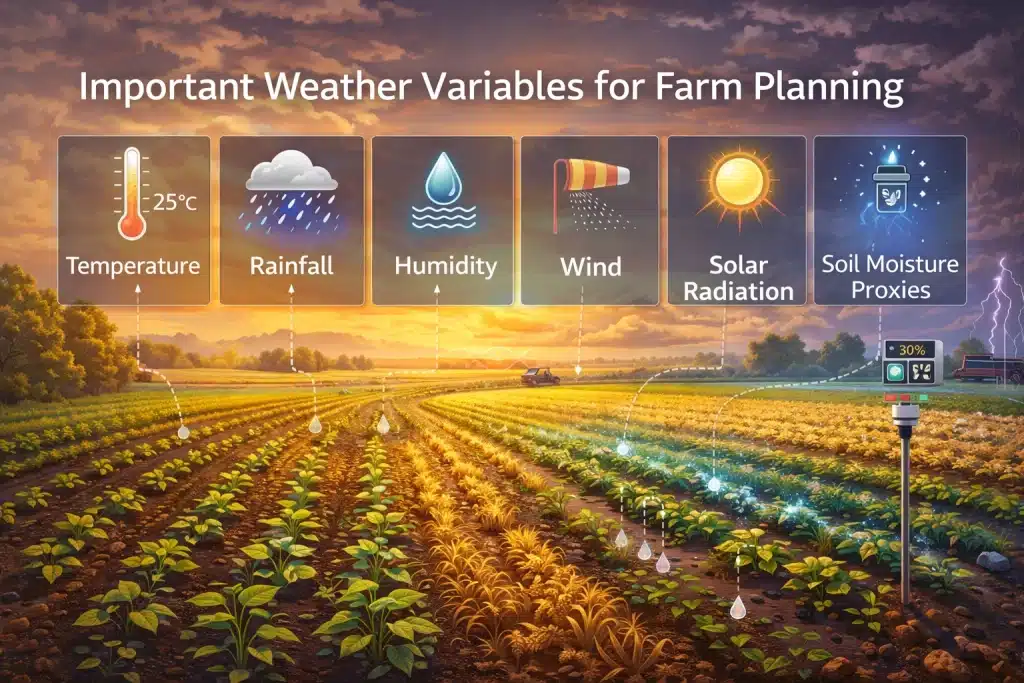
Real-time weather forecasting is not just about knowing whether it will rain tomorrow. It helps farmers plan every stage of farming more efficiently.
When farmers receive accurate weather updates, they can decide the right time for sowing, irrigation, fertilization, and harvesting. For example, knowing about upcoming rainfall can help avoid overwatering crops. Similarly, early warnings about storms or frost can prevent crop damage.
This kind of information reduces uncertainty and allows farmers to make confident decisions. It also helps in saving costs, improving crop quality, and increasing overall farm profitability.
Key Features Farmers Should Look For
Before choosing a weather forecasting service, farmers should focus on accuracy, reliability, and usability.
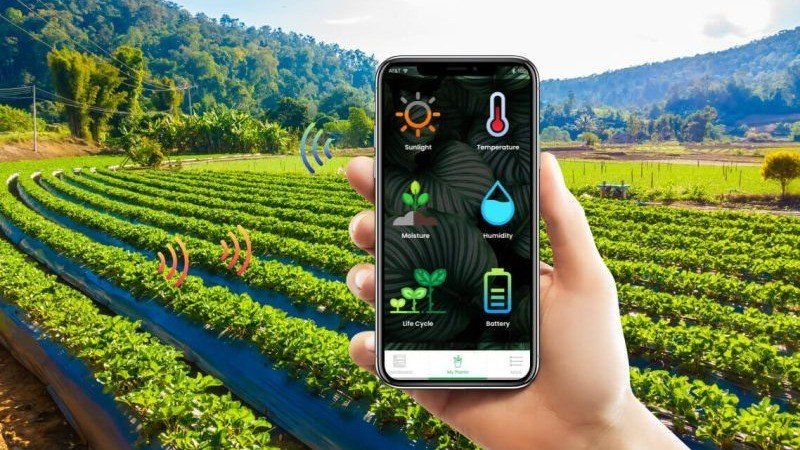
A good platform provides hyper-local forecasts, meaning weather data specific to a farmer’s exact location. It should also offer real-time alerts, easy-to-understand insights, and mobile accessibility.
Additionally, integration with farming advice such as crop recommendations and pest alerts makes these platforms even more valuable.
1. The Weather Company (IBM)
The Weather Company, owned by IBM, is one of the most advanced weather data providers in the world. It uses AI and massive datasets to deliver highly accurate forecasts.
Farmers benefit from detailed insights such as temperature changes, rainfall predictions, and severe weather alerts. The platform also offers agricultural-specific tools that help farmers plan their operations effectively.
2. DTN (Data Transmission Network)
DTN specializes in agriculture-focused weather intelligence. It provides real-time updates and predictive analytics tailored specifically for farmers.
3. AccuWeather
AccuWeather is a globally recognized weather forecasting company known for its precise and reliable forecasts.
Its MinuteCast feature provides minute-by-minute precipitation forecasts, which is extremely useful for farmers managing irrigation or planning fieldwork.
4. Skymet Weather
Skymet is one of India’s leading private weather forecasting companies. It focuses heavily on agricultural weather services.
The company provides monsoon forecasts, crop advisory, and localized weather data, making it highly relevant for Indian farmers.
5. Tomorrow.io
Tomorrow.io is a modern weather technology company that uses advanced data modeling and AI to deliver real-time insights.
Its platform is particularly useful for precision agriculture, offering hyper-local forecasts and actionable recommendations.
6. aWhere
aWhere provides weather data combined with agronomic insights. It focuses on helping farmers improve productivity through data-driven decisions.
The platform offers historical weather data, seasonal forecasts, and crop intelligence, making it a comprehensive solution.
7. CropX
CropX integrates soil sensors with weather forecasting to provide real-time farm insights.
This combination helps farmers understand soil moisture levels along with weather conditions, allowing for smarter irrigation decisions.
8. Climate FieldView (by Bayer)
Climate FieldView is a digital farming platform that includes weather forecasting as part of its services.
It helps farmers analyze field data, weather patterns, and crop performance all in one place, making farm management more efficient.
How These Platforms Help Farmers Increase Productivity
These companies are not just providing weather data—they are transforming agriculture.
With real-time insights, farmers can avoid crop losses caused by extreme weather. They can also optimize water usage, reduce input costs, and improve crop quality.
For example, precise rainfall predictions help farmers avoid unnecessary irrigation, saving both water and energy. Similarly, early warnings about pests and diseases allow for timely intervention.
Over time, these benefits lead to higher yields and better income for farmers.
Challenges in Weather Forecasting for Agriculture
Despite advancements, weather forecasting still has its challenges.
Additionally, small-scale farmers may face challenges in accessing or understanding advanced weather technologies. There is also a need for better internet connectivity in rural areas to fully utilize these services.
Future of Weather Technology in Farming
The future of weather forecasting in agriculture looks promising.
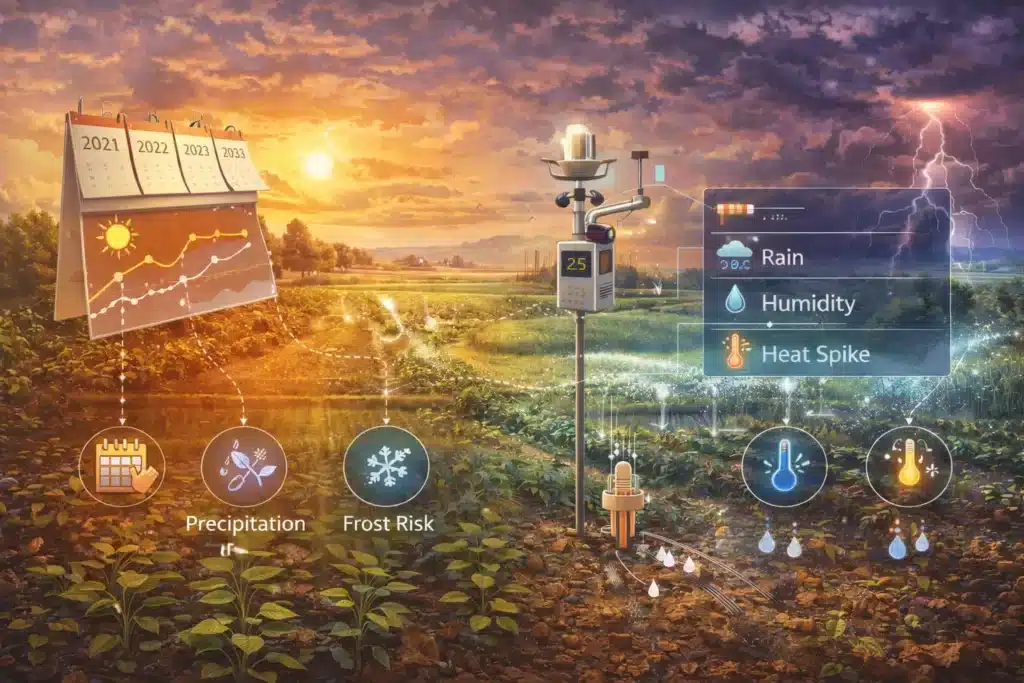
With advancements in artificial intelligence, machine learning, and IoT devices, weather predictions are becoming more accurate and personalized.
In the coming years, farmers can expect even more precise forecasts, automated farm systems, and real-time decision-making tools.
These innovations will make farming smarter, more efficient, and more sustainable.
Conclusion
Real-time weather forecasting has become an essential tool for modern agriculture. It empowers farmers with accurate, timely information that helps them make better decisions and reduce risks.
Companies like IBM’s Weather Company, DTN, AccuWeather, and Skymet are leading this transformation by providing reliable and actionable weather insights.
As technology continues to evolve, farmers who adopt these tools will be better equipped to handle challenges and improve their productivity. In a world where every drop of water and every degree of temperature matters, real-time weather forecasting is no longer optional—it is a necessity.


NEET UG Re-Exam 2026: Why Telegram Was Restricted in India and What It Means for Students

Spotify Outage 2026: Thousands of Users Report Streaming Issues Across the Globe

Stock Market Today: Sensex, Nifty & Top Stocks in Focus Amid Global Market Uncertainty

NEET Re-Exam Admit Card 2026 Released: Direct Download Link, Exam Day Guidelines & Important Updates

Made-in-India C295 Aircraft Maiden Flight Marks a New Chapter in India’s Defence Manufacturing

Higher Ethanol Blended Petrol Gets Excise Duty Exemption: What It Means for India’s Fuel Future

What I Eat In A Day As An Indian Diabetic To Lose Weight

10 Simple Indian Home Habits That Help You Lose Weight With Type 2 Diabetes

Diabetes-Friendly Indian Breakfasts That Melt Belly Fat and Control Blood Sugar Naturally
