


Latest News
Google unveils screenless Fitbit Air with advanced health tracking and week-long battery life

Short Overview
The wearable technology market is changing rapidly, and Google has taken a bold step with the launch of Fitbit Air. Unlike traditional smartwatches filled with notifications and distractions, Fitbit Air focuses completely on health and wellness. This lightweight screenless fitness tracker is designed for people who want accurate health monitoring without constantly checking a display. With advanced AI-powered health insights, week-long battery life, sleep tracking, heart rate monitoring, and seamless Google Health app integration, Fitbit Air introduces a new way to stay healthy while keeping life simple.
Discover the all-new Google Fitbit Air, a screenless fitness tracker with AI-powered health coaching, advanced sleep tracking, heart rate monitoring, week-long battery life, and smart wellness insights. Learn how Fitbit Air is changing the future of wearable fitness technology with a lightweight and distraction-free design.

Table of Contents
- Introduction to Google Fitbit Air
- Why Google Introduced a Screenless Fitness Tracker
- Design and Comfort Experience
- Advanced Health Tracking Features
- AI-Powered Google Health Coaching
- Sleep Tracking and Recovery Insights
- Fitbit Air Battery Life and Charging
- Fitness Tracking Without Distractions
- Fitbit Air vs Traditional Smartwatches
- Fitbit Air vs Whoop and Oura Ring
- Google Health App Integration
- Fitbit Air for Everyday Lifestyle Users
- Privacy and Health Data Security
- Fitbit Air Pricing and Availability
- Why Fitbit Air Could Change the Wearable Industry
- Final Verdict
- Conclusion
Google Fitbit Air: The Future of Screenless Health Tracking Is Finally Here
Introduction to Google Fitbit Air
Google has officially introduced the new Fitbit Air, and it is already creating huge excitement in the wearable technology industry. The company has completely changed the traditional idea of a fitness tracker by removing the screen entirely. At first, this might sound unusual because most people are used to smartwatches filled with notifications, apps, and colorful displays. However, Google believes many users are now looking for a simpler and more focused wellness experience.
Fitbit Air is designed for people who want accurate health tracking without digital distractions. The wearable quietly works in the background while collecting important health data such as heart rate, sleep quality, recovery levels, blood oxygen, and daily activity. Instead of constantly showing notifications, the device syncs everything directly to the Google Health app.
This new approach makes Fitbit Air different from most fitness trackers available today. Google is focusing more on wellness, comfort, simplicity, and long-term health improvement rather than turning the device into another mini smartphone.
According to recent reports, Fitbit Air also comes with AI-powered health coaching, advanced sleep monitoring, week-long battery life, and a highly lightweight design. These features make it one of the most interesting wearable launches of the year. (blog.google)
Why Google Introduced a Screenless Fitness Tracker
Over the last few years, many users started feeling overwhelmed by constant notifications, calls, alerts, and screen time. Smartwatches became useful but also distracting. Google noticed that a large group of users simply wanted health tracking without all the extra digital noise.
This is exactly where Fitbit Air enters the market.
Google designed Fitbit Air as a distraction-free wearable that focuses only on health and wellness. The absence of a screen allows users to stay more present in their daily life while still tracking essential health data in the background.
The idea behind Fitbit Air is actually very smart. Most users do not constantly check workout data every minute. Instead, they prefer reviewing detailed insights later on their smartphone. Google understood this behavior and created a device that quietly collects information while remaining almost invisible on the wrist.
This screenless approach also improves comfort and battery life. Without a bright display consuming energy all day, Fitbit Air can deliver up to seven days of battery life on a single charge.
Google is also positioning Fitbit Air as a wellness-focused device rather than a smartwatch competitor. This helps the company enter the growing market for minimalist wearables currently dominated by brands like Whoop and Oura.
Design and Comfort Experience
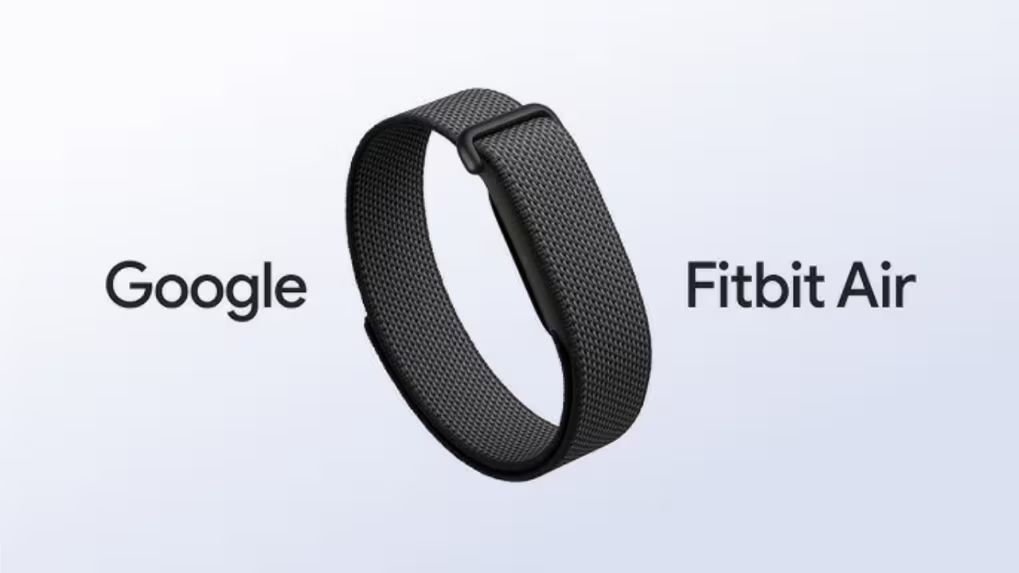
One of the biggest highlights of Fitbit Air is its incredibly lightweight and minimal design. Google describes the device as a small pebble-like wearable that feels almost invisible during daily use.
Unlike bulky smartwatches, Fitbit Air is designed for 24/7 wear. Users can comfortably wear it during workouts, office hours, travel, and even while sleeping. The compact design makes sleep tracking more natural because many people dislike wearing heavy watches at night.
Google has also introduced multiple interchangeable band styles for different lifestyles and fashion preferences. Users can choose from sporty silicone bands, breathable fabric loops, and premium modern-style straps.
The tracker itself can easily pop out and fit into different bands, giving users more flexibility and personalization.
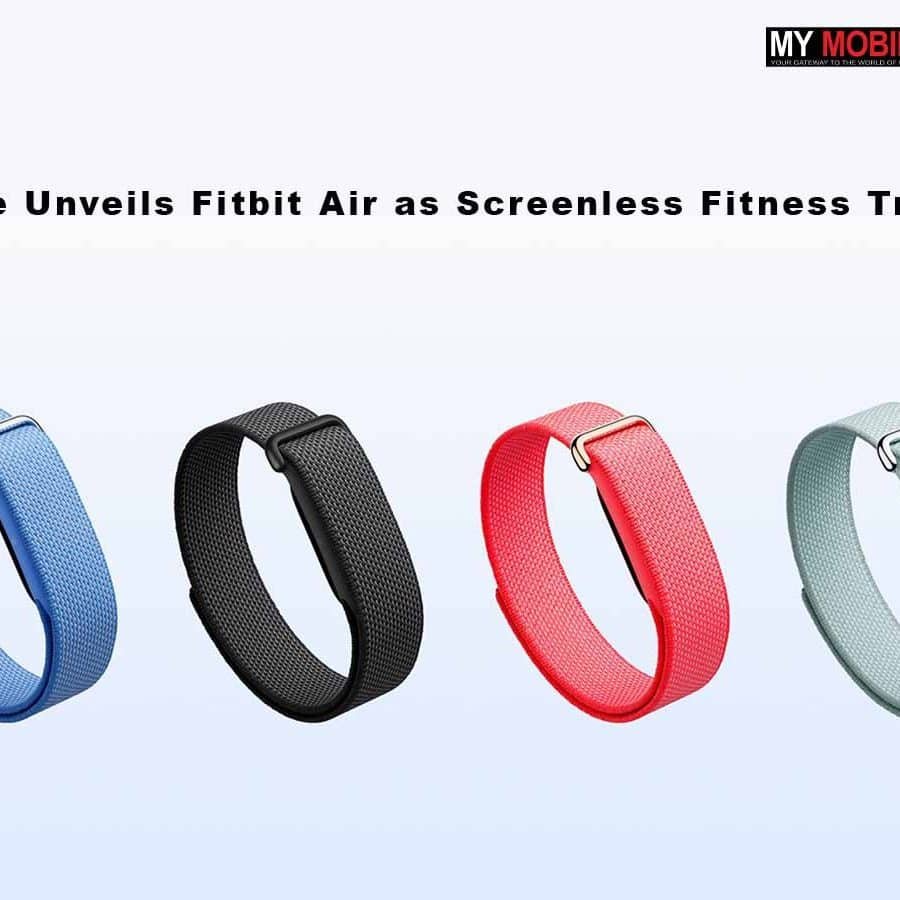
The available colors include:
- Obsidian
- Lavender
- Fog
- Berry
Google has also introduced a limited-edition Stephen Curry version, which adds a stylish and sporty look to the product lineup.
Another important advantage is the device weight. Fitbit Air reportedly weighs only around 12 grams with the band attached, making it one of the lightest health trackers available today. (techradar.com)
Advanced Health Tracking Features
Although Fitbit Air has no screen, it still includes advanced sensors capable of monitoring detailed health data throughout the day and night.
Google has focused heavily on health tracking accuracy and wellness insights. The wearable supports:
- 24/7 heart rate monitoring
- Blood oxygen level tracking (SpO2)
- Sleep stage monitoring
- Heart rate variability tracking
- Resting heart rate analysis
- Skin temperature monitoring
- Step tracking
- Activity tracking
- Afib detection alerts
- Workout detection
These features help users better understand their daily health patterns and long-term wellness trends.
Sleep tracking is another major feature. Fitbit Air monitors sleep duration, sleep stages, and recovery quality to provide deeper wellness insights.
Google also included automatic workout detection. This means users do not always need to manually start workouts because the device can identify common physical activities automatically.
Despite its small size, Fitbit Air delivers powerful health-tracking capabilities that compete with much larger smartwatches and fitness wearables.
AI-Powered Google Health Coaching
One of the most exciting features of Fitbit Air is the new AI-powered Google Health Coach.
Google is strongly pushing artificial intelligence into health and wellness technology. Fitbit Air works closely with the Google Health app, where Gemini AI analyzes user health data and provides personalized recommendations.
The AI health coach studies different wellness factors including:
- Sleep quality
- Recovery levels
- Workout performance
- Daily movement
- Stress indicators
- Heart rate trends
- Overall fitness behavior
Based on this data, the AI system provides smart suggestions that can help users improve their health habits.
For example, if the system notices poor sleep recovery, it may recommend lighter workouts or better bedtime routines. If activity levels drop, it can suggest achievable fitness goals.
This creates a more personalized health experience instead of generic fitness tracking.
Google believes AI coaching will become the future of wearable technology because people increasingly want guidance, not just raw data.
The Google Health Premium subscription unlocks deeper insights and advanced coaching tools. However, Fitbit Air still provides basic health tracking even without the premium subscription.
This AI-powered ecosystem is one of the main reasons Fitbit Air stands out from traditional fitness trackers.
Sleep Tracking and Recovery Insights
Sleep tracking has become one of the most important features in modern wearables, and Google is clearly prioritizing this area with Fitbit Air.
Because the tracker is lightweight and screenless, it feels much more comfortable during sleep compared to large smartwatches.
Fitbit Air continuously monitors:
- Sleep stages
- Sleep duration
- Sleep consistency
- Heart rate during sleep
- Recovery status
- Restlessness patterns
The Google Health app then converts this data into easy-to-understand wellness insights.
Users can learn whether they are getting enough deep sleep, whether stress affects their recovery, and how daily habits influence overall sleep quality.
Google has also introduced Smart Wake technology, which gently wakes users during lighter sleep stages using silent vibrations. This helps reduce grogginess and improves morning energy.
For many users, sleep improvement may become the biggest reason to purchase Fitbit Air.
Fitbit Air Battery Life and Charging
Battery performance is one of the strongest advantages of Fitbit Air.
Most smartwatches struggle to last more than one or two days because their displays consume heavy power. Since Fitbit Air has no screen, Google can optimize battery efficiency much better.
The company claims Fitbit Air offers up to seven days of battery life on a single charge.
This is a major benefit for users who dislike charging devices every night.
Google has also included fast charging support. Reports suggest users can get an entire day of battery life with just a few minutes of charging.
Long battery life improves the overall experience because users can continuously track sleep, workouts, and recovery without interruptions.
For health-focused wearables, consistent tracking is extremely important. Fitbit Air solves this issue very effectively.
Fitness Tracking Without Distractions
One of the most refreshing things about Fitbit Air is the distraction-free experience.
Modern smartwatches constantly deliver notifications, emails, social media alerts, and app updates. While this can be useful, it also increases screen addiction and digital stress.
Fitbit Air takes the opposite approach.
There are no notifications, no endless apps, and no unnecessary distractions. The wearable simply focuses on health.
This minimalist philosophy is becoming increasingly popular among users who want technology that supports wellness instead of constantly demanding attention.
Fitbit Air quietly tracks health data in the background while allowing users to stay more present during workouts, conversations, office work, and relaxation.
This simplicity may become one of the device’s biggest selling points.
Fitbit Air vs Traditional Smartwatches
Traditional smartwatches are designed as multifunctional devices. They include apps, messaging, calling, payments, navigation, notifications, and entertainment features.
Fitbit Air follows a completely different direction.
Instead of trying to replace a smartphone, the wearable focuses only on health tracking and wellness improvement.
This creates several advantages:
- Better battery life
- More comfortable wear
- Less distraction
- Simpler user experience
- Improved sleep tracking
- Lightweight design
However, users looking for smartwatch features like GPS, app notifications, or Google Wallet may still prefer devices such as the Pixel Watch.
Fitbit Air is mainly targeted toward users who prioritize wellness over digital convenience.
Fitbit Air vs Whoop and Oura Ring
The wearable market already includes popular screenless devices like Whoop and Oura Ring.
Google is clearly entering this growing category with Fitbit Air.
Compared to Whoop, Fitbit Air offers a more affordable price and easier ecosystem integration through Google Health.
Compared to Oura Ring, Fitbit Air provides a wrist-based design that many users may find more practical for workouts and activity tracking.
Google also has a major advantage because of its powerful AI ecosystem and massive software infrastructure.
The integration between Fitbit Air, Google Health, Gemini AI, Android devices, and Pixel products could create a highly connected wellness ecosystem in the future.
Google Health App Integration
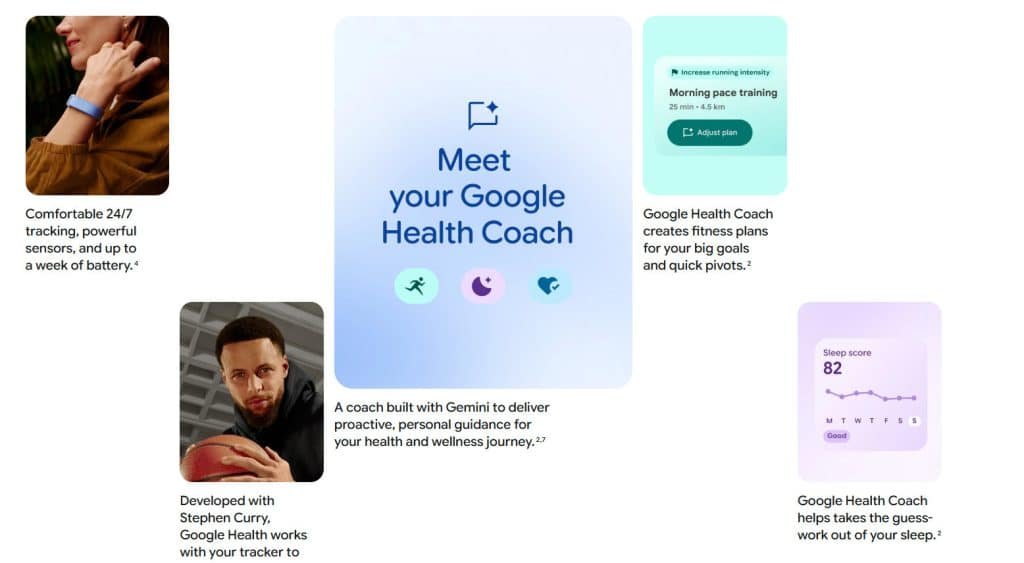
Fitbit Air works closely with the Google Health app, which acts as the central hub for all wellness data.
The app displays:
- Daily activity summaries
- Sleep reports
- Heart rate trends
- Recovery analysis
- Personalized wellness suggestions
- AI coaching recommendations
- Workout tracking
The interface is designed to be simple and user-friendly.
Instead of overwhelming users with complicated numbers, Google focuses on clear health insights and actionable recommendations.
This approach makes Fitbit Air suitable for beginners as well as fitness enthusiasts.
The app also supports Android and iPhone devices, which helps Google reach a much wider audience.
Fitbit Air for Everyday Lifestyle Users
One of the smartest things about Fitbit Air is that it is not designed only for athletes.
The device targets everyday users who simply want to improve their health habits.
The lightweight design, simple experience, long battery life, and comfortable sleep tracking make it practical for daily use.
Many people do not need advanced sports analytics or complicated smartwatch features. They simply want better health awareness.
Fitbit Air delivers exactly that.
Privacy and Health Data Security
As wearable devices collect more personal health data, privacy concerns are becoming increasingly important.
Google states that Fitbit Air health data will not be used for advertising purposes.
However, some experts still encourage users to carefully review privacy settings and understand how their data is stored and processed.
Google has promised stronger health data protection since acquiring Fitbit.
The company also uses encrypted systems to improve security and protect user wellness information.
As AI-powered health technology continues growing, data transparency will remain an important topic for consumers.
Fitbit Air Pricing and Availability
Google has launched Fitbit Air with a starting price of around $99.
This pricing strategy makes the device more affordable compared to premium wearables like Whoop or high-end smartwatches.
Users also receive a free trial of Google Health Premium with the purchase.
Pre-orders have already started in several markets, and the wearable is expected to attract strong demand because of its unique concept.
The affordable pricing may help Fitbit Air reach mainstream consumers much faster.
Why Fitbit Air Could Change the Wearable Industry
Fitbit Air represents a major shift in wearable technology.
For years, companies focused on adding more screens, apps, and digital features. Google is now moving in the opposite direction by simplifying the wearable experience.
This could inspire a larger trend toward minimalist health technology.
Consumers are becoming more aware of digital overload and screen fatigue. Devices like Fitbit Air provide a healthier balance between technology and real life.
Google is not just selling a fitness tracker. The company is building an entire AI-driven wellness ecosystem.
Final Verdict
Google Fitbit Air is not trying to compete directly with traditional smartwatches. Instead, it introduces a completely different wearable experience focused on simplicity, comfort, and health improvement.
The screenless design may initially surprise many users, but it actually solves several common problems associated with modern smartwatches.
The lightweight feel, week-long battery life, advanced sleep tracking, AI health coaching, and distraction-free experience make Fitbit Air one of the most innovative wearable launches in recent years.
For users who want better wellness tracking without constant notifications and screen distractions, Fitbit Air could become an ideal daily companion.
Conclusion
The launch of Google Fitbit Air shows how wearable technology is evolving beyond traditional smartwatches. Instead of overwhelming users with more apps and notifications, Google is focusing on health, simplicity, and long-term wellness.
Fitbit Air combines advanced health tracking, AI-powered coaching, sleep monitoring, lightweight comfort, and impressive battery life into a minimalist wearable designed for modern lifestyles.
As more people search for healthier relationships with technology, devices like Fitbit Air may become increasingly popular in the coming years.
Google’s screenless approach could easily redefine the future of wearable fitness technology.
If the company continues improving AI health insights and wellness personalization, Fitbit Air may become one of the most important wearable devices in the health-tech industry.


NEET UG Re-Exam 2026: Why Telegram Was Restricted in India and What It Means for Students

Spotify Outage 2026: Thousands of Users Report Streaming Issues Across the Globe

Stock Market Today: Sensex, Nifty & Top Stocks in Focus Amid Global Market Uncertainty

NEET Re-Exam Admit Card 2026 Released: Direct Download Link, Exam Day Guidelines & Important Updates

Made-in-India C295 Aircraft Maiden Flight Marks a New Chapter in India’s Defence Manufacturing

Higher Ethanol Blended Petrol Gets Excise Duty Exemption: What It Means for India’s Fuel Future

What I Eat In A Day As An Indian Diabetic To Lose Weight

10 Simple Indian Home Habits That Help You Lose Weight With Type 2 Diabetes

Diabetes-Friendly Indian Breakfasts That Melt Belly Fat and Control Blood Sugar Naturally

Mango Weight Gain Myth: Smart Ways to Enjoy Mangoes Without Gaining Weight This Summer

Cockroach Janta Party Website Taken Down: India’s Viral Youth Satire Movement Sparks Free Speech Debate

AI Cyber Attacks in India: What CERT-In’s New Cybersecurity Guidelines Mean for Businesses

Stock Market Today India: Sensex Jumps 1,074 Points, Nifty Ends Above 24,000

Pension ULIP: Why the 10x Growth in FY26 Shows India Is Getting Serious About Retirement Planning

New Tata Tiago Facelift Launched At Rs 4.69 Lakh, Here’s Your COMPLETE Look At Every Detail And Pricing

11 Foods That Help Reduce Belly Fat Naturally and Support Healthy Weight Loss
Mango Weight Gain Myth: Smart Ways to Enjoy Mangoes Without Gaining Weight This Summer
Diabetes-Friendly Indian Breakfasts That Melt Belly Fat and Control Blood Sugar Naturally

Coconut Water Daily in Summer: What Happens When You Drink It for 15 Days?
