


Latest News
BJP Victory in Bengal: How Narendra Modi Reshaped West Bengal Politics for the First Time

Short Overview
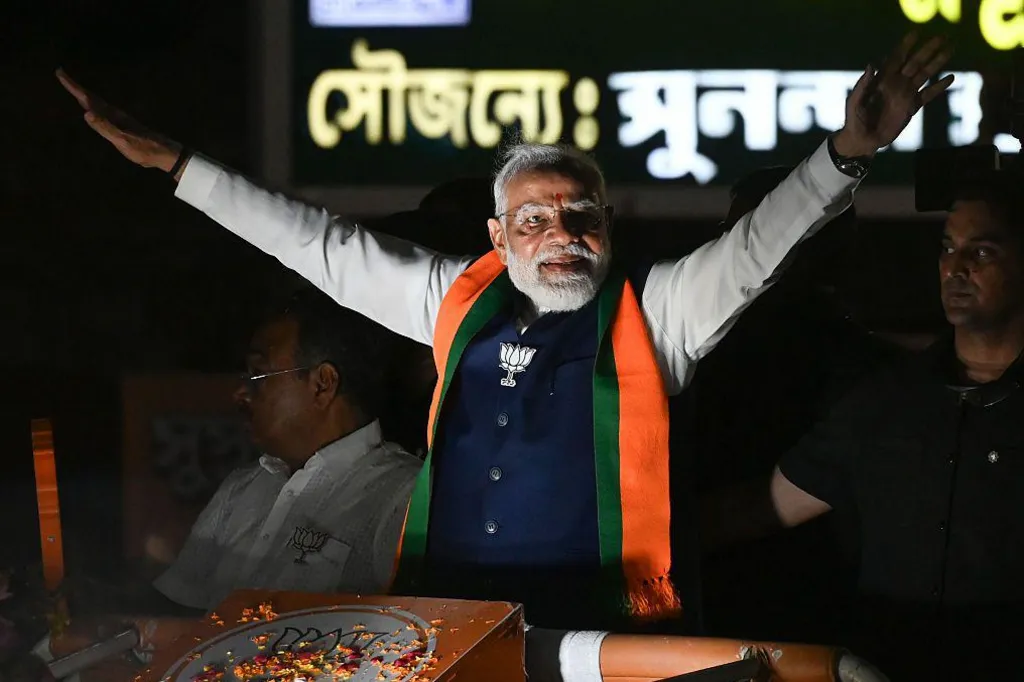
The political landscape of West Bengal has long been dominated by strong regional forces, making it one of the toughest states for national parties to crack. However, the recent developments show a significant shift, as the Bharatiya Janata Party (BJP), under the leadership of Narendra Modi, managed to expand its influence in Bengal like never before. This blog explores how strategy, messaging, and voter connection helped BJP break through traditional barriers.
Discover how BJP achieved a historic breakthrough in West Bengal politics for the first time. This in-depth blog explains Narendra Modi’s leadership, BJP’s grassroots strategies, voter outreach, cultural messaging, and political shifts that helped the party expand its influence in Bengal. Learn how this victory reshaped India’s political landscape, challenged long-standing regional dominance, and created new opportunities for BJP’s growth in eastern India. Whether you’re a political enthusiast, student, or analyst, this guide simplifies complex developments into easy-to-understand insights. Explore key factors, campaign strategies, voter behavior, and future implications of BJP’s rise in Bengal in this comprehensive, humanized, and SEO-friendly article.

Table of Contents
- Introduction to Bengal’s Political Landscape
- Why Bengal Was Difficult for BJP
- Rise of BJP in West Bengal
- Role of Narendra Modi’s Leadership
- Grassroots Campaign Strategy
- Cultural and Identity Politics
- Voter Behavior and Changing Mindset
- Role of Opposition and Weaknesses
- Media, Messaging, and Digital Influence
- Impact on National Politics
- What This Means for the Future
- Conclusion
1. Introduction to Bengal’s Political Landscape
West Bengal has always been known for its strong political identity. For decades, the state was dominated by regional parties and ideological movements that shaped its governance and culture. From Left rule to the rise of Mamata Banerjee and her party All India Trinamool Congress, Bengal’s politics has been deeply rooted in local issues and emotional connections with voters.
For a long time, national parties struggled to make a real impact here. But recent political shifts suggest that things are changing.
2. Why Bengal Was Difficult for BJP
BJP faced several challenges in Bengal. The state has a strong regional identity, and voters often prefer leaders who are seen as part of their cultural and social fabric. Unlike northern and western India, BJP initially lacked deep organizational roots in Bengal.
Additionally, linguistic pride, cultural narratives, and local political traditions created a barrier for BJP’s expansion. The party was often viewed as an outsider force trying to enter a deeply regional political space.
3. Rise of BJP in West Bengal
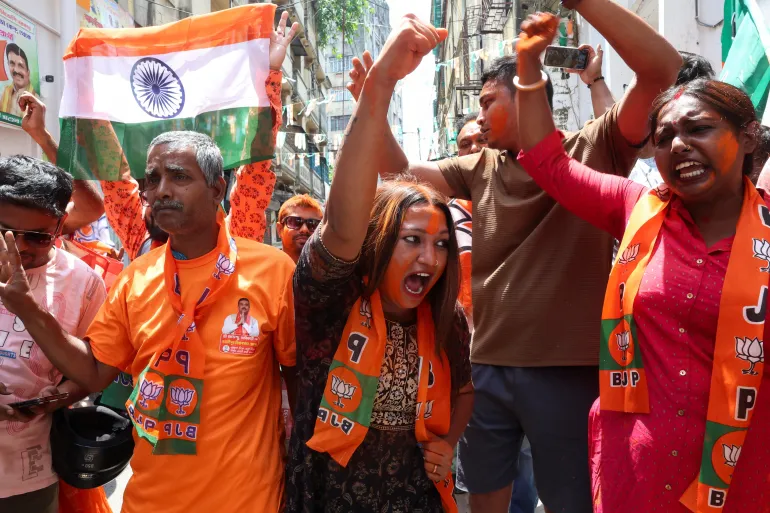
Despite these challenges, BJP slowly started building its presence. Over the years, the party focused on strengthening its local leadership and expanding its reach into rural and semi-urban areas.
This rise was not sudden. It came from consistent efforts, strategic planning, and understanding the pulse of the people. BJP worked on issues like development, governance, and national identity, which began to resonate with a section of voters.
4. Role of Narendra Modi’s Leadership
A major factor behind BJP’s growth in Bengal has been the leadership of Narendra Modi. His ability to connect with people across regions played a crucial role.
Modi’s speeches often focused on development, nationalism, and empowerment. He positioned BJP as a party that could bring change and progress to Bengal. His personal appeal and strong communication style helped the party gain attention even in areas where it previously had little presence.
5. Grassroots Campaign Strategy
One of the biggest strengths of BJP’s approach was its grassroots campaign. The party invested heavily in reaching voters at the local level.
Instead of relying only on big rallies, BJP focused on door-to-door campaigns, local meetings, and community engagement. This helped the party build trust and create a stronger connection with voters.
Local leaders were given importance, and efforts were made to understand the specific concerns of different regions within Bengal.
6. Cultural and Identity Politics
Culture plays a very important role in Bengal politics. BJP adapted its strategy to align with local sentiments.
The party highlighted cultural pride, traditions, and identity in its messaging. It tried to present itself not as an outsider but as a party that respects and celebrates Bengal’s heritage.
This approach helped BJP connect emotionally with voters, which is often more powerful than policy-based arguments alone.
7. Voter Behavior and Changing Mindset
Another important factor was the shift in voter behavior. Many voters, especially the youth, started looking for alternatives.
Issues like employment, development, and governance became more important. People began comparing different political options and evaluating what each party could offer.
This change in mindset created an opportunity for BJP to present itself as a viable alternative.
8. Role of Opposition and Weaknesses
No political rise happens in isolation. BJP’s growth was also influenced by the weaknesses of its opponents.
Internal conflicts, governance challenges, and voter dissatisfaction played a role in reducing the dominance of existing political forces. BJP capitalized on these gaps and positioned itself as a strong challenger.
9. Media, Messaging, and Digital Influence
Modern politics is heavily influenced by media and digital platforms. BJP used these tools effectively.
Social media campaigns, targeted messaging, and digital outreach helped the party reach a wider audience. The use of technology allowed BJP to communicate directly with voters and shape public perception.
10. Impact on National Politics
The rise of BJP in Bengal is not just a regional story. It has national implications.
It shows that BJP can expand beyond its traditional strongholds and challenge established regional parties. This strengthens the party’s position in national politics and increases its influence across India.
11. What This Means for the Future
The political future of Bengal is now more competitive. BJP’s presence has created a new dynamic in the state.
Elections are likely to become more closely contested, and parties will need to work harder to win voter trust. For BJP, the challenge will be to maintain and grow its support base.
12. Conclusion
The story of BJP’s rise in West Bengal is a mix of strategy, leadership, and changing voter expectations. It reflects how politics in India is evolving, with voters becoming more open to new options.
Under the leadership of Narendra Modi, BJP has shown that even the most challenging regions can be approached with the right mix of planning and execution.
This shift does not just change Bengal—it reshapes the broader political landscape of India. The coming years will reveal whether this growth is temporary or the beginning of a long-term transformation.


NEET UG Re-Exam 2026: Why Telegram Was Restricted in India and What It Means for Students

Spotify Outage 2026: Thousands of Users Report Streaming Issues Across the Globe

Stock Market Today: Sensex, Nifty & Top Stocks in Focus Amid Global Market Uncertainty

NEET Re-Exam Admit Card 2026 Released: Direct Download Link, Exam Day Guidelines & Important Updates

Made-in-India C295 Aircraft Maiden Flight Marks a New Chapter in India’s Defence Manufacturing

Higher Ethanol Blended Petrol Gets Excise Duty Exemption: What It Means for India’s Fuel Future

What I Eat In A Day As An Indian Diabetic To Lose Weight

10 Simple Indian Home Habits That Help You Lose Weight With Type 2 Diabetes

Diabetes-Friendly Indian Breakfasts That Melt Belly Fat and Control Blood Sugar Naturally

Mango Weight Gain Myth: Smart Ways to Enjoy Mangoes Without Gaining Weight This Summer

Cockroach Janta Party Website Taken Down: India’s Viral Youth Satire Movement Sparks Free Speech Debate

AI Cyber Attacks in India: What CERT-In’s New Cybersecurity Guidelines Mean for Businesses

Stock Market Today India: Sensex Jumps 1,074 Points, Nifty Ends Above 24,000

Pension ULIP: Why the 10x Growth in FY26 Shows India Is Getting Serious About Retirement Planning

New Tata Tiago Facelift Launched At Rs 4.69 Lakh, Here’s Your COMPLETE Look At Every Detail And Pricing

11 Foods That Help Reduce Belly Fat Naturally and Support Healthy Weight Loss
Mango Weight Gain Myth: Smart Ways to Enjoy Mangoes Without Gaining Weight This Summer
Diabetes-Friendly Indian Breakfasts That Melt Belly Fat and Control Blood Sugar Naturally

Coconut Water Daily in Summer: What Happens When You Drink It for 15 Days?
