


live news
India Raises Wheat Procurement Target: A Lifeline for Rain-Hit Farmers and Food Security

Short Overview
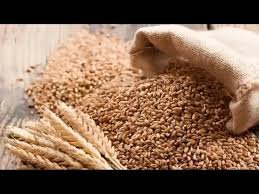
India’s decision to increase its wheat procurement target comes at a critical time when farmers are facing losses due to unexpected rains. This move is not just about buying more wheat—it’s about protecting livelihoods, stabilizing prices, and ensuring food security for millions.
India has increased its wheat procurement target by 15% to support farmers affected by unseasonal rains and crop damage. This strategic move aims to stabilize farmer incomes, strengthen food security, and maintain buffer stock levels across the country. With changing climate patterns impacting agricultural output, government intervention has become crucial to protect farmers and ensure steady wheat supply. In this detailed blog, we explore the reasons behind the decision, its impact on farmers, market prices, and the broader agricultural economy. Learn how this policy shift could shape India’s food system and benefit millions of farmers while keeping inflation under control.

Table of Contents
- Introduction
- Why India Increased Wheat Procurement Target
- Impact of Unseasonal Rain on Farmers
- How Government Procurement Works in India
- Benefits for Farmers and Rural Economy
- Effect on Wheat Prices and Market Stability
- Role of MSP in Supporting Farmers
- Challenges in Wheat Procurement
- Long-Term Impact on Food Security
- What This Means for Consumers
- Future of Agriculture Policy in India
- Conclusion
Introduction
In recent years, Indian agriculture has been facing unpredictable weather patterns, and 2026 is no different. Sudden and untimely rains have affected wheat crops across several states, leaving farmers worried about their income and future. In response, the Indian government has taken a significant step by increasing the wheat procurement target by 15%.
This decision is more than just a policy update—it reflects a deeper commitment to supporting farmers during difficult times while ensuring the country’s food supply remains stable. Understanding this move helps us see how agriculture, economy, and climate are closely connected.
Why India Increased Wheat Procurement Target
The government raised the wheat procurement target mainly due to crop damage caused by unexpected rainfall. When crops are damaged, farmers often struggle to sell their produce at fair prices. By increasing procurement, the government ensures that farmers can still sell their wheat at a guaranteed rate.
This move also helps maintain adequate buffer stock, which is essential for public distribution and food security programs. Without enough stock, even small disruptions can lead to price hikes and shortages.
Impact of Unseasonal Rain on Farmers
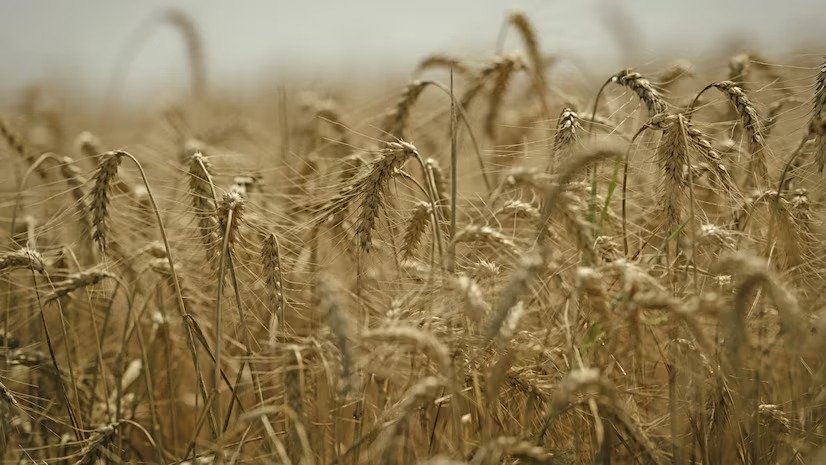
Unseasonal rains have become a growing concern in India. Wheat crops are especially sensitive during the harvesting stage. Even a short spell of rain can reduce grain quality, making it difficult for farmers to sell in open markets.
For many farmers, this means:
- Lower income
- Increased debt
- Uncertainty about the next crop cycle
By stepping in, the government is reducing this financial pressure and giving farmers some much-needed relief.
How Government Procurement Works in India
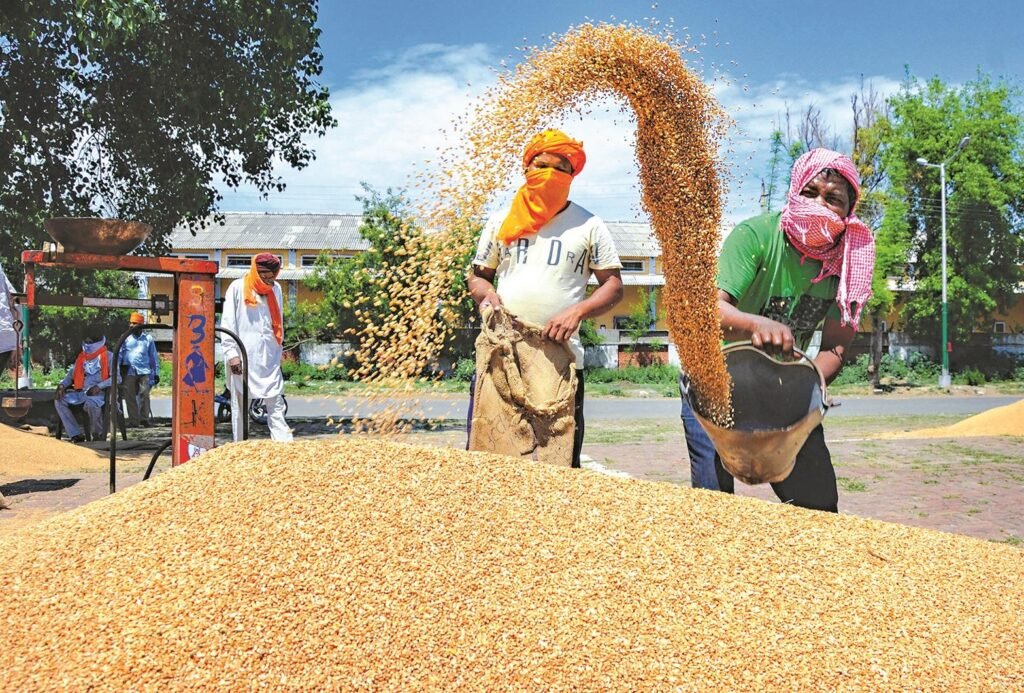
India follows a structured procurement system where the government buys crops directly from farmers at a fixed Minimum Support Price (MSP). This system ensures that farmers are not forced to sell at lower prices during market fluctuations.
When procurement targets are increased, more farmers get access to this system, and more produce is purchased at fair prices. This helps stabilize the agricultural economy, especially during crises.
Benefits for Farmers and Rural Economy
The increase in procurement has a direct and positive impact on farmers. It ensures that they receive a stable income even when crop quality is affected.
This income support also benefits the rural economy. When farmers earn more, they spend more on goods and services, which boosts local businesses and creates a positive economic cycle.
Effect on Wheat Prices and Market Stability
One of the biggest advantages of higher procurement is price stability. When the government buys more wheat, it prevents a sudden drop in market prices due to oversupply.
At the same time, it ensures that there is enough stock to control inflation. This balance is crucial for both farmers and consumers.
Role of MSP in Supporting Farmers
The Minimum Support Price (MSP) plays a key role in this entire process. It acts as a safety net for farmers, ensuring that they always receive a minimum price for their produce.
With increased procurement, the effectiveness of MSP improves, as more farmers are able to benefit from it.
Challenges in Wheat Procurement
While increasing procurement is helpful, it also comes with challenges. Storage capacity is a major concern. The government needs sufficient infrastructure to store the additional wheat safely.
There are also logistical challenges, such as transportation and distribution, which require careful planning and execution.
Long-Term Impact on Food Security
India’s decision is also aimed at strengthening long-term food security. By maintaining higher buffer stocks, the country is better prepared to handle future uncertainties, whether they are related to climate change or global market disruptions.
This proactive approach ensures that essential food supplies remain available to all sections of society.
What This Means for Consumers
For consumers, this move is likely to keep wheat prices stable. It reduces the chances of sudden price increases and ensures a steady supply of wheat and wheat-based products.
In simple terms, it protects both the farmer who grows the food and the consumer who depends on it.
Future of Agriculture Policy in India
This decision highlights a shift towards more responsive and farmer-focused policies. As climate change continues to impact agriculture, such proactive measures will become increasingly important.
The government may continue to adapt procurement strategies to address emerging challenges and ensure sustainability.
Conclusion
India’s move to increase its wheat procurement target is a timely and thoughtful decision. It not only supports farmers affected by unseasonal rains but also strengthens the country’s food security system.
By ensuring fair prices, stabilizing markets, and maintaining adequate stock, this policy benefits multiple stakeholders—from farmers to consumers. As agriculture continues to face new challenges, such initiatives will play a crucial role in shaping a resilient and sustainable future.


NEET UG Re-Exam 2026: Why Telegram Was Restricted in India and What It Means for Students

Spotify Outage 2026: Thousands of Users Report Streaming Issues Across the Globe

Stock Market Today: Sensex, Nifty & Top Stocks in Focus Amid Global Market Uncertainty

NEET Re-Exam Admit Card 2026 Released: Direct Download Link, Exam Day Guidelines & Important Updates

Made-in-India C295 Aircraft Maiden Flight Marks a New Chapter in India’s Defence Manufacturing

Higher Ethanol Blended Petrol Gets Excise Duty Exemption: What It Means for India’s Fuel Future

What I Eat In A Day As An Indian Diabetic To Lose Weight

10 Simple Indian Home Habits That Help You Lose Weight With Type 2 Diabetes

Diabetes-Friendly Indian Breakfasts That Melt Belly Fat and Control Blood Sugar Naturally
