


Innovative News
Digital Marketplace for Farmers: How Online Platforms Are Revolutionizing the Way Farmers Sell Produce

Short Overview
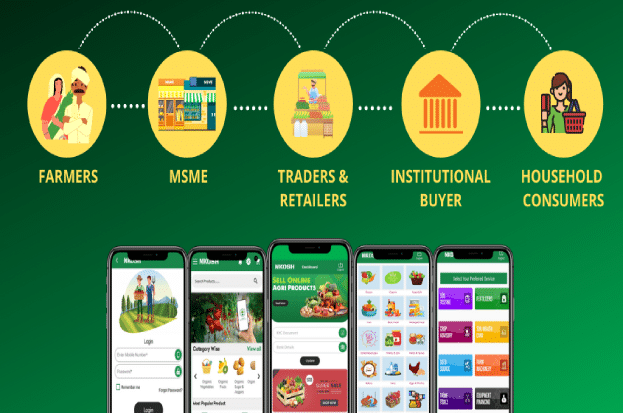
Digital platforms have given farmers new ways to sell their goods directly to customers without having to go through middlemen. These online marketplaces are changing farming by making it more open, boosting profits, and giving farmers more power over prices. This blog talks about how these platforms work, why they are important, and how farmers can use them to their advantage in today’s digital economy.
Find out how digital platforms that give farmers access to the marketplace are changing farming by letting them sell directly, cutting out middlemen, and boosting profits. This detailed guide shows farmers how to use online marketplaces to reach more people, get better prices, and make their supply chains work better. Find out about the main benefits, real-world examples, and trends that will shape digital agriculture in the future. This blog is useful for farmers, agri-entrepreneurs, and investors because it shows how technology is changing the way farms sell their goods. Learn how to use digital tools to your advantage, increase your income, and build long-lasting farming businesses in today’s competitive agricultural market.
Table of Contents
An Introduction to Digital Marketplaces for Farmers
What is changing in traditional farming supply chains?
What Are Digital Platforms That Farmers Can Use
The main benefits of online agricultural marketplaces
How Farmers Can Start Selling on the Internet
Digital Platforms That Help Farmers a Lot
Problems Farmers Might Have to Deal With, as Well as Solutions and Future Opportunities
The role of technology in the growth of agriculture

Digital Marketplaces for Farmers: An Introduction
Agriculture has always been the backbone of many economies, especially in countries that are still developing. Farmers have depended on local markets, traders, and middlemen to sell their crops for many years. This system worked in the past, but it often made it harder for farmers to make money and have more control over prices. The story is changing today.
Digital platforms that give farmers access to the market are opening up new doors. Farmers can talk directly to buyers, retailers, and even consumers on these platforms. Farmers can now list their goods online, compare prices, and make smart choices instead of waiting for traders to set prices. This change isn’t just about technology; it’s also about giving people power.
The shift to digital farming is helping farmers make more money and making the supply chain more open and efficient. Both farmers and buyers benefit from this.
What is changing in the supply chains of traditional farming?
Farmers relied on middlemen to sell their crops for a long time. These middlemen were very important, but they also took a big cut of the profits. Farmers didn’t always know what the market price was, so they had to sell at whatever price was offered.
There were a lot of problems with this system. Farmers made less money, consumers paid more, and the whole process was not very clear. Also, delays in transportation and bad communication often caused food to go bad.
Farmers can now break free from these limits thanks to the rise of smartphones and internet access in rural areas. Digital platforms are replacing old systems with ones that are faster, smarter, and more efficient.
What Are Digital Platforms for Farmers?
Online marketplaces for farmers are digital platforms where farmers can post and sell their goods. These platforms let farmers talk directly to buyers, including wholesalers, retailers, exporters, and even regular people.
Most of the time, these platforms offer features like real-time pricing, help with logistics, payment systems, and market information. Some platforms also offer extra services like crop advice, weather updates, and help with money.
The goal is simple: to help farmers sell their goods at fair prices and depend less on middlemen.
The main benefits of online agricultural marketplaces
One of the best things about digital marketplaces is that they let farmers reach a lot more customers directly. Farmers can now sell their goods to people from other regions and even other countries, not just in their own area.
Better price transparency is another big benefit. Farmers can see what the market is paying right now and decide when and where to sell their crops. This helps them not get paid too little.
Digital platforms also cut down on the need for middlemen, which means farmers can keep more of their money. Also, a lot of platforms have safe ways to pay, which makes sure that farmers get their money on time.
Another important feature is help with logistics. Some platforms help farmers with getting their goods to buyers quickly and safely by helping with transportation and delivery.
In general, these platforms make things run more smoothly, cut down on waste, and boost profits.
How to Start Selling Online as a Farmer
A lot of people think that starting out on digital platforms is hard, but it’s not. Farmers need a smartphone, access to the internet, and some basic digital skills.
The first thing you need to do is sign up for a reliable platform. Farmers can list their goods on the site after signing up. They can include information like the amount, quality, and price. High-quality pictures can also help get people to buy.
Once the product is on the platform, buyers can order it right from there. Farmers can talk to buyers, work out prices if they need to, and close the deal.
A lot of platforms also offer training and help to farmers so they can learn how to use their services correctly. This makes it easier to go from selling in person to selling online.
Digital platforms that are popular with farmers
Many digital platforms around the world are working to give farmers more power. These platforms are all about making it easier for farmers to get to the market, cutting down on waste, and raising their income.
Some platforms are good at connecting farmers with buyers who want to buy a lot of things, while others are better at selling directly to consumers. There are also platforms that offer a mix of services, such as payments, logistics, and advice.
These platforms are a big part of changing farming by making it easier to do and more profitable.
Problems that farmers might have
Digital platforms have a lot of benefits, but they also have some problems. One of the biggest problems is that people don’t know how to use technology. Not every farmer knows how to use a smartphone or the internet.
Another problem is that the internet doesn’t work well in rural areas. Farmers may have trouble using digital platforms well if they don’t have reliable internet access.
Trust is also a big deal. Some farmers might not want to use new systems because they are worried about payments or fraud.
Also, getting things to and from remote areas can still be hard.
Answers and chances for the future
Governments and businesses are spending money on digital education and infrastructure to get past these problems. Farmers are learning how to use digital tools well through training programs.
Another big goal is to make it easier for people in rural areas to get online. More farmers will be able to use online marketplaces as connectivity gets better.
Secure payment systems, clear policies, and customer support services can all help build trust.
The future of digital farming looks bright. Artificial intelligence, blockchain, and data analytics are some of the technologies that are expected to make things even more efficient and clear.
How technology helps agriculture grow
Technology is very important to farming today. Digital tools, like mobile apps and advanced analytics, are helping farmers make better choices.
Farmers can keep an eye on the weather, market trends, and their farming methods in real time. This makes the produce more productive and of better quality.
Digital platforms are just one part of this bigger change. These technologies are making the agricultural ecosystem more sustainable and efficient.
Conclusion
Digital platforms that let farmers sell their goods are changing the way farming works. They are giving farmers more power, better prices, and access to bigger markets.
There are still problems, but the good things far outweigh the bad things. These platforms could change the agricultural industry if they had the right support and infrastructure.
Farmers can no longer choose whether or not to use digital tools; they must use them. Farmers can make their futures safer and more profitable by using these platforms.


NEET UG Re-Exam 2026: Why Telegram Was Restricted in India and What It Means for Students

Spotify Outage 2026: Thousands of Users Report Streaming Issues Across the Globe

Stock Market Today: Sensex, Nifty & Top Stocks in Focus Amid Global Market Uncertainty

NEET Re-Exam Admit Card 2026 Released: Direct Download Link, Exam Day Guidelines & Important Updates

Made-in-India C295 Aircraft Maiden Flight Marks a New Chapter in India’s Defence Manufacturing

Higher Ethanol Blended Petrol Gets Excise Duty Exemption: What It Means for India’s Fuel Future

What I Eat In A Day As An Indian Diabetic To Lose Weight

10 Simple Indian Home Habits That Help You Lose Weight With Type 2 Diabetes

Diabetes-Friendly Indian Breakfasts That Melt Belly Fat and Control Blood Sugar Naturally
