


Benefits
West Bengal Assembly Elections Phase 1 Voting Live Updates 2026: Full Coverage, Turnout, Key Highlights & Ground Reality

Short Overview
The first phase of the West Bengal Assembly Elections 2026 has begun with high energy, tight security, and strong voter participation. This blog gives you a complete, easy-to-understand breakdown of everything happening on the ground—from voter turnout and key constituencies to political reactions and what it all means for the future.
Stay updated with West Bengal Assembly Elections Phase 1 Voting 2026 live updates, including voter turnout, key constituencies, security arrangements, political party reactions, and on-ground insights. This detailed blog explains everything in simple language, helping readers understand election developments, trends, and their impact on West Bengal’s political future. Whether you’re a first-time voter, political enthusiast, or analyst, this guide breaks down complex election updates into easy, human-friendly content. Discover key highlights, important events, and expert insights that matter most in shaping the outcome of one of India’s most closely watched elections.

Table of Contents
- Introduction to West Bengal Elections 2026
- Phase 1 Voting: What Happened Today
- Key Constituencies in Phase 1
- Voter Turnout and Public Response
- Security Arrangements and Election Commission Role
- Political Party Reactions and Statements
- Ground Reality: What Voters Are Saying
- Challenges and Controversies
- What This Phase Means for Final Results
- Future Phases and What to Expect
- Conclusion
1. Introduction to West Bengal Elections 2026
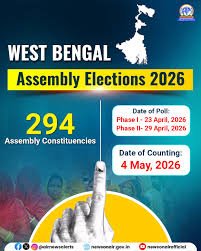
The West Bengal Assembly Elections 2026 are once again drawing attention from across the country. Known for intense political competition and high voter engagement, these elections are not just about choosing a government but also about shaping the future direction of the state.
Phase 1 voting, held on April 23, 2026, marks the beginning of this crucial democratic process. With multiple political parties competing aggressively, the atmosphere on the ground is both energetic and tense.
2. Phase 1 Voting: What Happened Today
The first phase of voting started early in the morning, with polling booths opening at the scheduled time. From the beginning, there was a visible enthusiasm among voters, including young voters, elderly citizens, and first-time participants.
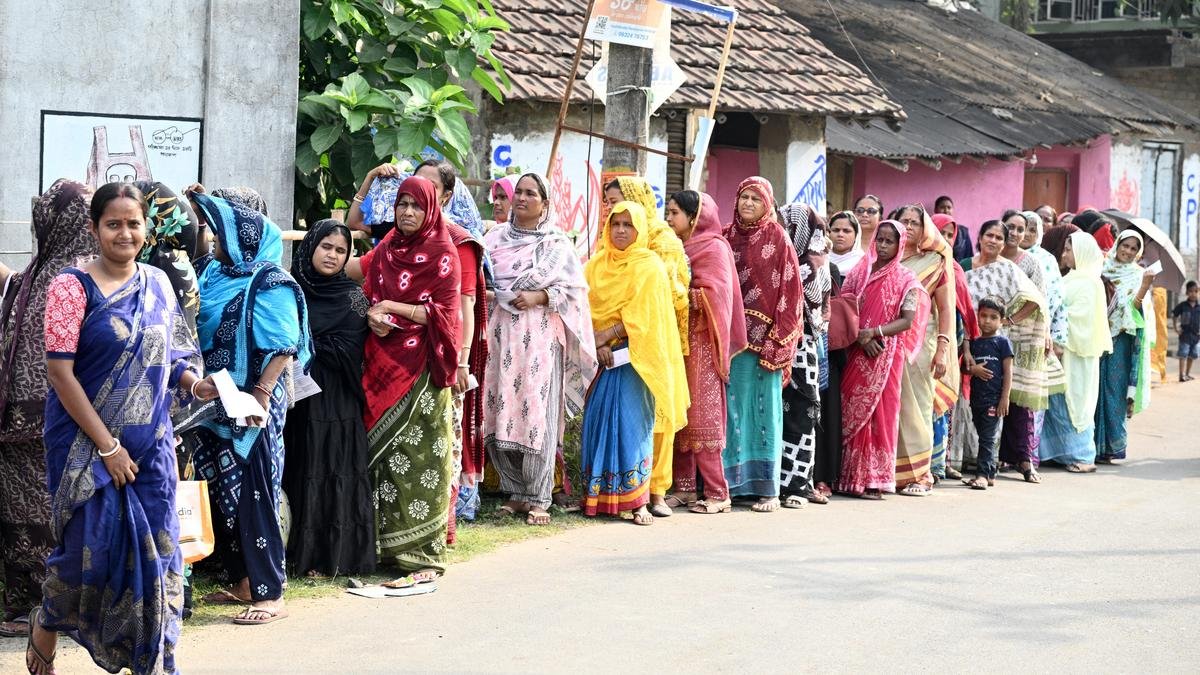
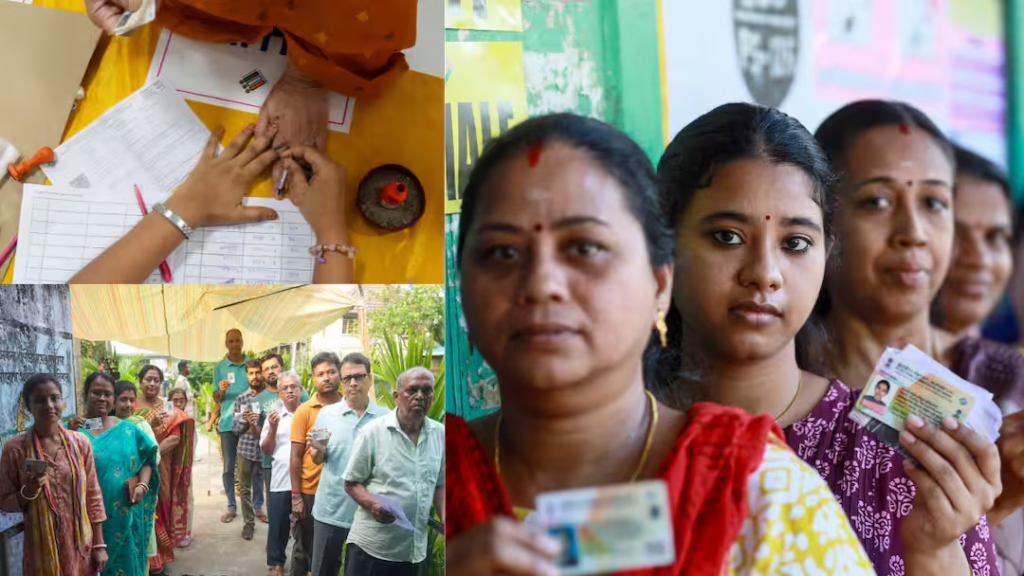
Long queues were seen outside polling stations in several areas. People waited patiently to cast their votes, showing a strong belief in the democratic system. Despite minor delays in some locations, the voting process largely remained smooth and organized.
Election officials ensured that the process was transparent and accessible. Special arrangements were made for senior citizens and differently-abled voters, making the experience more inclusive.
3. Key Constituencies in Phase 1
Phase 1 covered several important constituencies that are considered politically significant. These regions often influence the overall election outcome due to their voter demographics and historical voting patterns.
Some constituencies have traditionally been strongholds of specific parties, while others are known for unpredictable results. This makes Phase 1 particularly important, as early trends can set the tone for the remaining phases.
Political leaders have focused heavily on these areas during their campaigns, holding rallies and connecting directly with voters.
4. Voter Turnout and Public Response
One of the most notable aspects of Phase 1 voting is the strong voter turnout. From early morning hours, people stepped out in large numbers to exercise their voting rights.
The participation of women voters and young voters has been especially impressive. Many first-time voters expressed excitement and a sense of responsibility.
In rural areas, voter turnout remained consistently high, reflecting strong grassroots engagement. Urban areas also showed encouraging participation, although slightly lower compared to rural regions.
Overall, the turnout indicates that people are actively interested in the political future of West Bengal.
5. Security Arrangements and Election Commission Role
Security has always been a major concern during West Bengal elections. This time, strict arrangements were made to ensure peaceful voting.
Central forces and local police were deployed across polling stations. Sensitive areas were monitored closely, and quick response teams were kept ready to handle any situation.
The Election Commission played a key role in maintaining order. Regular updates were provided, and any complaints were addressed quickly. The use of technology also helped improve transparency and reduce errors.
These measures helped create a safe environment for voters.
6. Political Party Reactions and Statements
As voting progressed, political parties closely monitored the situation. Leaders from major parties expressed confidence in their performance.
Some parties claimed strong support from voters, while others raised concerns about minor irregularities. However, most leaders encouraged people to come out and vote peacefully.
Social media also played a big role, with leaders sharing updates and messages to motivate voters.
7. Ground Reality: What Voters Are Saying
Beyond political statements, the real story lies with the voters themselves. Many people shared their views after casting their votes.
Some voters focused on development issues like infrastructure, jobs, and education. Others talked about local problems such as roads, water supply, and healthcare.
There was also a strong sense of civic duty. Many voters said they participated because they believe their vote can bring change.
This human side of the election reflects the true spirit of democracy.
8. Challenges and Controversies
Like any large election, Phase 1 was not completely free from challenges. A few areas reported minor issues such as technical glitches or delays.
There were also isolated complaints about disturbances, but authorities acted quickly to control the situation.
Overall, these challenges did not significantly affect the voting process, and the day remained largely peaceful.
9. What This Phase Means for Final Results
Phase 1 voting often gives an early indication of the overall election trend. While it does not decide the final outcome, it provides valuable insights.
High voter turnout can sometimes indicate a desire for change, while consistent voting patterns may suggest stability.
Political analysts will closely study the data from this phase to predict future results.
10. Future Phases and What to Expect
The West Bengal Assembly Elections will continue in multiple phases. Each phase will bring new developments and challenges.
Political parties will adjust their strategies based on Phase 1 results. Campaign intensity is expected to increase, with more rallies and voter outreach programs.
Voters will also play a crucial role in the upcoming phases, as their participation will shape the final outcome.
11. Conclusion
The first phase of the West Bengal Assembly Elections 2026 has set a strong foundation for the rest of the election process. With high voter turnout, tight security, and active political participation, the day reflects the strength of democracy.
What stands out the most is the enthusiasm of the people. From young voters to senior citizens, everyone has contributed to making this phase successful.
As the election moves forward, all eyes will remain on West Bengal. The coming phases will be equally important, and the final results will determine the future direction of the state.
In the end, elections are not just about winning or losing—they are about the voice of the people. And in Phase 1, that voice has been loud and clear.


NEET UG Re-Exam 2026: Why Telegram Was Restricted in India and What It Means for Students

Spotify Outage 2026: Thousands of Users Report Streaming Issues Across the Globe

Stock Market Today: Sensex, Nifty & Top Stocks in Focus Amid Global Market Uncertainty

NEET Re-Exam Admit Card 2026 Released: Direct Download Link, Exam Day Guidelines & Important Updates

Made-in-India C295 Aircraft Maiden Flight Marks a New Chapter in India’s Defence Manufacturing

Higher Ethanol Blended Petrol Gets Excise Duty Exemption: What It Means for India’s Fuel Future

What I Eat In A Day As An Indian Diabetic To Lose Weight

10 Simple Indian Home Habits That Help You Lose Weight With Type 2 Diabetes

Diabetes-Friendly Indian Breakfasts That Melt Belly Fat and Control Blood Sugar Naturally
