


live news
Brain Tumor Warning Signs: When a Headache Is More Than Just a Headache


Headaches are one of the most common health complaints worldwide. In most cases, they happen because of stress, dehydration, lack of sleep, or long hours in front of screens. However, there are times when a headache may be trying to tell you something more serious. While brain tumors are relatively rare, recognizing the early warning signs can help ensure timely diagnosis and treatment. This guide explains the symptoms that should never be ignored and helps you understand when it’s time to consult a doctor.
Most headaches are harmless, but some can be early warning signs of a brain tumor. Learn how to identify persistent headaches, vision changes, memory problems, seizures, balance issues, and other symptoms that people often ignore. Discover when to seek medical attention, understand the difference between common headaches and serious neurological conditions, and explore expert-backed insights for early detection. This comprehensive guide explains the warning signs of brain tumors in simple language, helping you make informed decisions about your health. Early diagnosis can significantly improve treatment outcomes, making awareness of these symptoms more important than ever.

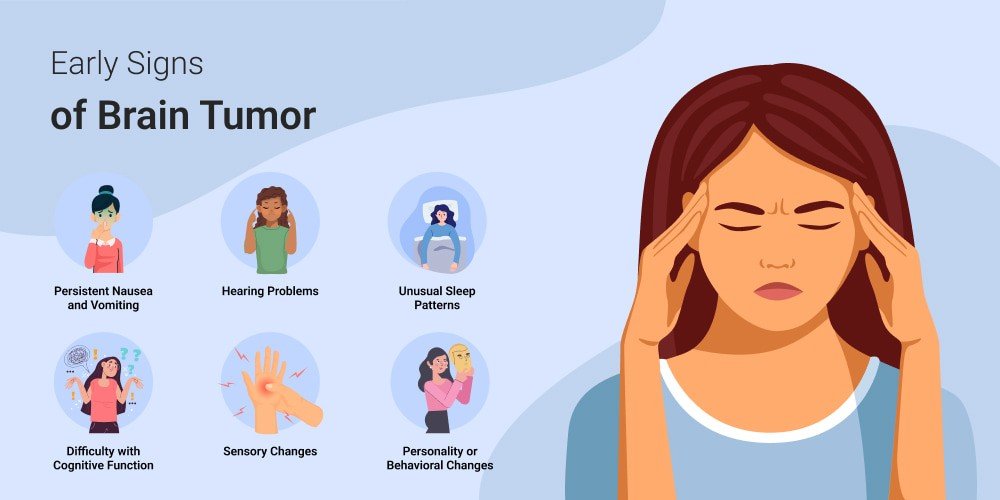
Brain Tumor Warning Signs: When a Headache Is More Than Just a Headache
Most of us have experienced headaches at some point in life. They often appear after a stressful day, poor sleep, dehydration, or spending too much time looking at screens. Usually, they go away with rest, hydration, or simple medication.
But what happens when a headache feels different?
Although the majority of headaches are harmless, some can be associated with underlying neurological conditions, including brain tumors. The challenge is that many people ignore early symptoms because they seem mild, unrelated, or easy to blame on everyday stress.
Understanding the difference between a common headache and a potentially serious health concern can make a significant difference in early diagnosis and treatment outcomes.
Understanding the Difference Between Normal and Serious Headaches
A normal headache usually has an obvious trigger. It may happen because of fatigue, dehydration, stress, hunger, or lack of sleep. These headaches generally improve after addressing the underlying cause.
A headache that deserves attention is one that gradually becomes more frequent, more intense, or starts appearing alongside other unusual symptoms. Experts explain that brain tumors do not always begin with severe headaches. In fact, some patients experience other neurological symptoms long before headache pain becomes noticeable.
This is why paying attention to changes in your body is more important than focusing on headaches alone.
Can a Brain Tumor Cause Headaches?
Yes, brain tumors can cause headaches, but not every headache indicates a brain tumor.
The headache associated with a brain tumor often develops because of increased pressure inside the skull. Unlike a typical tension headache, these headaches may worsen over time and may not respond well to regular pain relievers.
Some individuals notice headaches that are more severe in the morning. Others experience worsening pain when coughing, sneezing, bending over, or engaging in physical activity.
The key factor is persistence and progression rather than occasional discomfort.
Warning Signs People Often Ignore
One of the biggest challenges in detecting brain tumors early is that symptoms often develop slowly. Because the changes happen gradually, people may adapt to them without realizing something is wrong.
Many symptoms are mistaken for stress, aging, burnout, or simple exhaustion.
However, when multiple symptoms occur together or continue to worsen, they should not be ignored.
Changes in Vision
Vision changes are among the most commonly overlooked symptoms.
Some people begin experiencing blurry vision while reading. Others may notice double vision, difficulty focusing, or reduced peripheral vision. Because these symptoms often appear gradually, many assume they simply need new glasses.
When vision problems are accompanied by persistent headaches or balance issues, medical evaluation becomes important.
Memory and Personality Changes
Brain tumors can sometimes affect areas responsible for thinking, emotions, and behavior.
A person who was once highly organized may suddenly become forgetful. Someone who was calm and patient may become unusually irritable or withdrawn.
Family members are often the first to notice these changes.
Difficulty concentrating, confusion, memory lapses, and unexplained personality shifts should never be dismissed if they continue for weeks or months.
Balance and Coordination Problems
The brain controls movement, coordination, and balance.
If a tumor affects these areas, a person may start stumbling more often, feel unsteady while walking, or struggle with simple physical tasks that were previously easy.
Some people describe feeling dizzy even when standing still.
These symptoms may seem minor initially but can become more noticeable over time.
Speech and Communication Difficulties
Another warning sign is difficulty speaking or understanding language.
A person may know what they want to say but struggle to find the right words. Others may experience slurred speech or difficulty following conversations.
These symptoms can be alarming and should be evaluated promptly by a healthcare professional.
Seizures in Adults
One of the most important symptoms that should never be ignored is a seizure occurring for the first time in adulthood.
Seizures can happen even in people with no previous history of epilepsy.
A sudden seizure may indicate abnormal activity in the brain and often requires immediate medical investigation.
While seizures can occur for several reasons, they are considered a significant neurological warning sign.
When Should You See a Doctor?
Seeking medical advice does not mean you have a brain tumor. It simply means you are taking your health seriously.
Consider consulting a healthcare provider if you experience:
Persistent headaches that are becoming more severe, recurring vision problems, unexplained memory difficulties, balance issues, personality changes, speech difficulties, or a first-time seizure.
Doctors often emphasize that consistency and progression matter more than isolated symptoms.

How Brain Tumors Are Diagnosed
These imaging tools allow specialists to examine the brain and identify any abnormalities.
The earlier a condition is detected, the more treatment options are typically available.
This is why early evaluation can play a crucial role in improving outcomes.
Can Brain Tumors Be Prevented?
Currently, there is no guaranteed way to prevent brain tumors.
However, maintaining overall health, attending regular medical checkups, and paying attention to unusual symptoms can support earlier detection.
The goal is not to create fear but to encourage awareness.
Many symptoms have harmless explanations, but persistent changes should always be discussed with a healthcare professional.
Conclusion
Most headaches are caused by everyday factors such as stress, dehydration, poor sleep, or fatigue. However, some symptoms deserve closer attention.
When headaches become persistent, worsen over time, or occur alongside vision changes, memory issues, balance problems, speech difficulties, or seizures, it is important to seek medical advice.
Brain tumors are rare, but early recognition of warning signs can make a meaningful difference. Listening to your body and acting on unusual symptoms is one of the most important steps you can take for your long-term health and well-being.


NEET UG Re-Exam 2026: Why Telegram Was Restricted in India and What It Means for Students

Spotify Outage 2026: Thousands of Users Report Streaming Issues Across the Globe

Stock Market Today: Sensex, Nifty & Top Stocks in Focus Amid Global Market Uncertainty

NEET Re-Exam Admit Card 2026 Released: Direct Download Link, Exam Day Guidelines & Important Updates

Made-in-India C295 Aircraft Maiden Flight Marks a New Chapter in India’s Defence Manufacturing

Higher Ethanol Blended Petrol Gets Excise Duty Exemption: What It Means for India’s Fuel Future

What I Eat In A Day As An Indian Diabetic To Lose Weight

10 Simple Indian Home Habits That Help You Lose Weight With Type 2 Diabetes

Diabetes-Friendly Indian Breakfasts That Melt Belly Fat and Control Blood Sugar Naturally
