

Short Overview
Pashu Aadhaar and Bharat Pashudhan are two of the most visible digital initiatives to improve livestock management in India. A unique 12-digit identification tag allows farmers to keep data such as animal health, vaccination details, breeding information and treatment history in one digital system. This guide explains how Pashu Aadhaar works, why cattle registration is important, its benefits to dairy farmers and how livestock owners can access the government services associated with it.
Introduction
Livestock farming is an important source of livelihood for millions of Indian families. Many farmers depend on cows, buffaloes, goats and other animals for milk production, agriculture related activities and their daily earnings. Tracking animal health records, vaccination schedules, breeding information and ownership details can be a bit tricky sometimes.
The Government of India has launched the National Digital Livestock Mission (NDLM) with the help of the Bharat Pashudhan digital platform to simplify and streamline the management of livestock.
One of the key features of the initiative is the Pashu Aadhaar, a unique 12-digit identification number given to the registered livestock in the form of a barcode ear tag.
This digital identity allows farmers and veterinary professionals to house important information about individual animals in one place. It also means better animal health care, breeding management and livestock development.
In this article, let us understand what is Pashu Aadhaar, how Bharat Pashudhan works, why cattle registration is important and how this initiative can benefit Indian dairy farmers.
What is Pashu Aadhar?
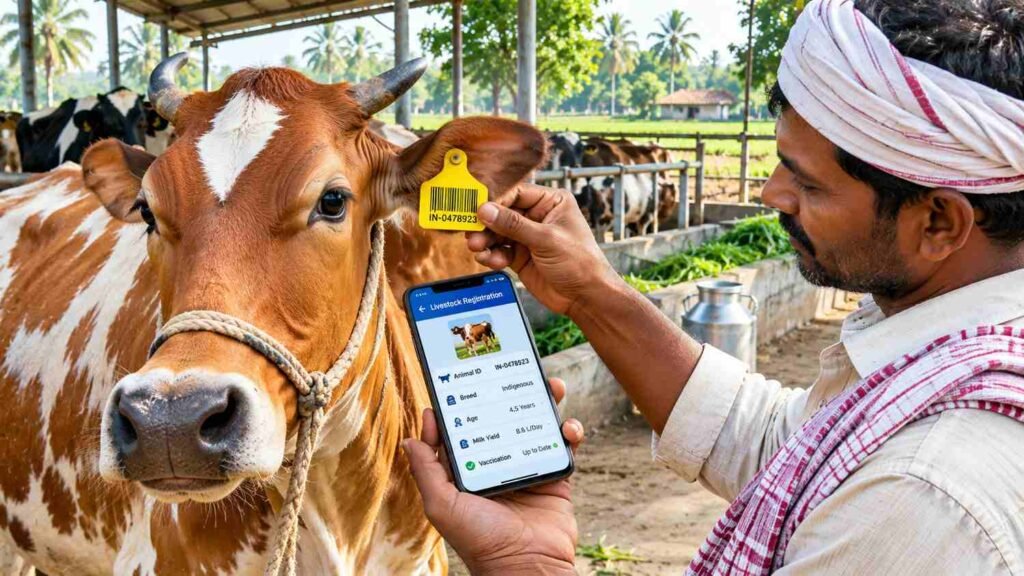
Pashu Aadhaar is a 12 digit unique identification number given to the registered livestock animals in India. It is in the form of a barcode ear tag, which is affixed to the ear of the animal.
Pashu Aadhaar is like Aadhaar for animals, it helps in identifying individual animals.
The main objective is to create a digital identity for each registered animal. authorized field workers and veterinary professionals to record key information such as vaccination, medical treatment, breeding activities and changes of ownership.
Take for instance a farmer who owns three cows and two buffaloes. Without proper records it can be difficult to remember the vaccination dates, treatment and breeding history of every animal.
Each animal is given a unique identification number under Pashu Aadhaar. And then you can keep its important records with that unique id.
It thus makes livestock management more organized and helps farmers keep track of their animals better.
What is Bharat Pashudhan Portal?
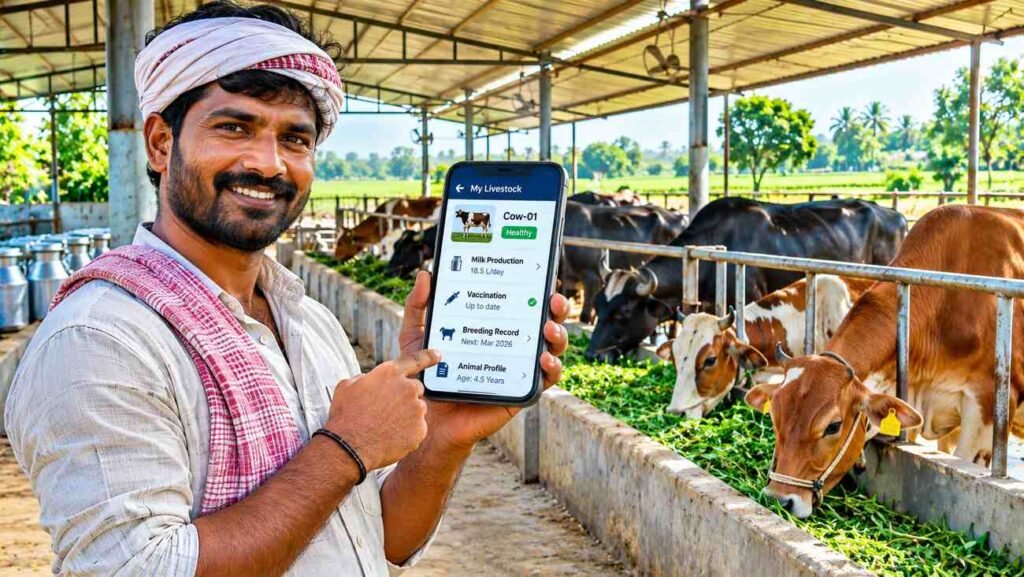
Bharat Pashudhan is a digital platform for livestock information developed by the Department of Animal Husbandry and Dairying in collaboration with the National Dairy Development Board (NDDB).
It operates under the National Digital Livestock Mission and aims to put livestock-related information and services in a common digital ecosystem.
The platform connects animal identification with the central tasks undertaken by veterinary professionals and authorized field workers.
These include registering animals, vaccination, artificial insemination, disease reporting, medical treatment, recording of milk production and changes in ownership of animals.
The system helps in maintaining a more organized database of the livestock in different regions of India.
It helps the government departments to know the condition of livestock and to plan better animal husbandry programs.
In an August 2026 update, the Press Information Bureau had said that more than 39.23 crore livestock animals had been registered under the Pashu Aadhaar identification system.
This indicates the growing importance of digital technology in the livestock sector of India.
Significance of Registration of Cattle in India
It is important to register cattle because each animal has its own health care, breeding and production needs.
If the information on animals is not kept well, farmers may forget about earlier treatments, vaccination schedules and breeding records.
Registration organizes the process of handling these details better.
For example, if a registered cow is vaccinated, the authorized veterinary worker can log that information against the cow’s unique identification number.
The history available in a future visit to the veterinarian can help the professional to know which services have already been provided.
Animal registration further improves livestock identification and traceability .
It can help farmers to keep ownership information, track animal productivity and access relevant livestock services.
Crucially, digital registration prompts farmers to maintain good records of their animals, instead of depending on memory or handwritten notes.
Main Benefits of Pashu Aadhaar Registration
Improved Animal ID
A major benefit of Pashu Aadhaar is that every registered animal is given a unique identification number.
This will help to avoid confusion when a farmer has several cows, buffaloes or other animals. Veterinary workers can use the identification number to find the right animal records.
Simple vaccination tracking
Vaccination is important to protect livestock against infectious diseases.
But farmers might miss vaccination dates or struggle with keeping treatment records.
Pashu Aadhaar allows authorized workers to record vaccination details digitally. Such records may improve the monitoring of animal health and vaccination activities.
Better Breeding Management
Breeding is an important aspect of dairy farming, as it has direct effects on future milk production and herd development.
The Bharat Pashudhan platform allows recording of artificial insemination and other activities related to breeding.
“These records can help farmers and veterinary professionals to understand an animal’s breeding history and plan future services more effectively.
Improved Veterinary Treatment Records
When an animal gets sick, knowing how it was treated in the past can help the veterinarian.
Digital records of livestock provide access for authorized professionals to information on previous treatments, health services and disease reports.
This may help inform better veterinary decisions.”
Livestock Insurance Support
A livestock insurance can help farmers manage the financial risks of unexpected livestock losses.
The official portal of livestock insurance has a registration process which requires the NDLM registered mobile number and a valid ear tag number.
This means that proper identification of animals is important when farmers apply for eligible livestock insurance services.
However, Pashu Aadhaar registration does not automatically entitle to insurance coverage. Farmers have to complete a separate application and verification process for insurance.
Better Delivery of Government Service
If well maintained, the livestock database will help the government departments to identify animals, monitor services and plan development programs.
It also helps to have a better coordination among the farmers, the veterinary and the animal husbandry departments.
Increased livestock productivity
Regularly recording information on nutrition, healthcare and milk production during breeding enables farmers to make better herd management decisions.
In the long term, these practices can lead to healthier animals and more productive farms.
What is the procedure for Pashu Aadhaar Registration?
Many livestock farmers are looking to know how to register cows and buffaloes under the Bharat Pashudhan system.
The registration process is usually facilitated by authorized field workers and the personnel of the animal husbandry department.
Here are the procedures for farmers to begin.
Step 1: Get in touch with the Local Veterinary Department
Go to the nearest government veterinary hospital, veterinary dispensary or contact the local animal husbandry department.
Please contact the concerned staff for information on Pashu Aadhaar registration services available at your location.
Step 2: Enter Livestock Owner Details
The authorized field worker may obtain the required livestock owner information, including contact information and other required registration information.
When asked, have your mobile number and relevant identification details ready.
Step 3: Locate the Animal
The field worker identifies the animal and makes note of the required information.
Identification is done by attaching a unique ear tag to the animal, which has a barcode.
Step 4: Registering Digitally
The authorized application or interface feeds the details of the animal in the Bharat Pashudhan system.
The registered animal is linked to a unique 12-digit identification number.
Step 5: Keep track of your animals
Farmers shall cooperate with the veterinary workers when they provide vaccination, breeding, treatment or other services for livestock after registration.
They should also make sure that important animal information is entered correctly.
Specific registration requirements may vary among states and local boards of veterinary medicine. Farmers should contact local authorities for the latest process.
What is recorded in Bharat Pashudhan?
Bharat Pashudhan is meant for management of information relating to different livestock.
The records may contain the animal’s unique identification number, species, breed and other identification information.
Health-related information includes vaccination, disease reporting, medical treatment and e-prescriptions.
Breeding information, including artificial insemination and other breeding activities.
The platform also has information on milk recording, changes in animal ownership and ration balancing.
These records help to build a richer digital history of an animal.
For example, a dairy farmer may want to know the breeding history of a cow to be able to make future breeding decisions. Digital records can provide useful information when the appropriate details have been entered correctly.
Vaccination and treatment records can also help the veterinary professionals to understand the previous healthcare history of the animal.
How does the Pashu Aadhaar benefit the Dairy Farmers?
Dairy farming involves constant attention to animal health, feeding, breeding and milk production.
Even a small mistake in managing these activities can impact farm income.
Pashu Aadhaar offers a structured method for identifying animals and managing records for dairy farmers.
Farmers have better access to livestock information that is available through the system’s digital services.
For example, breeding records can help farmers know the reproductive history of their cows. Vaccination data can be useful for healthcare planning and milk production records can be useful for monitoring productivity.
“Another benefit is the improved traceability.
Good animal records allow authorized professionals to identify individual animals and their service history on record.
This is especially useful for farmers who have bigger herds.
Farmers should also remember that digital recording is only one part of successful dairy farming. Good quality feed, clean drinking water, proper shelter, regular veterinary care and hygienic milking practices are equally important.
Technology in Digital Livestock Management
Technology is slowly transforming the way livestock is farmed in India.
Most of the information concerning animals was kept in notebooks or paper registers. These methods are still useful, but they become difficult to manage when the number of animals increases.
Digital platforms like Bharat Pashudhan provide a more systematic way of livestock information keeping.
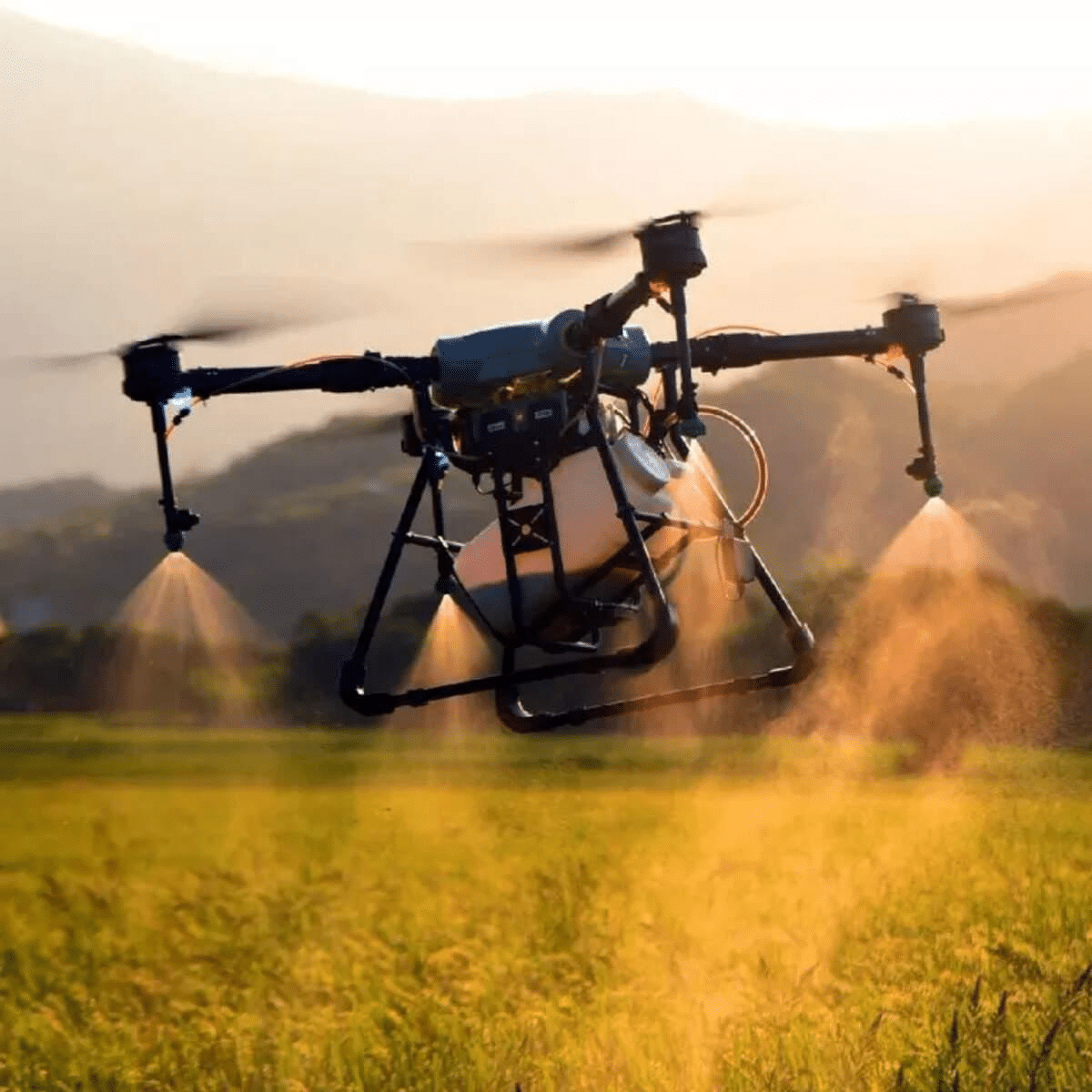
Authorized workers can record field activities using mobile applications. These records are associated with individual animals by digital identification.
Better integration of digital records, data analysis and other modern technologies could further support animal disease monitoring, breeding decisions and livestock productivity in the future.
Technology can also help government departments understand the needs of various animal husbandry regions, and improve planning.
These developments are particularly important for small and marginal farmers, for whom livestock farming is often an additional source of income for the household.
Things Important for Farmers to Know Before Registering
Farmers should know that Pashu Aadhaar is an animal identification system and not a financial assistance scheme per se.
Getting a 12-digit ID number doesn’t mean you’re automatically eligible to get a subsidy, loan, insurance payment or any other government benefit.
Each scheme has its own eligibility criteria
Farmers should also ensure their animal’s identification and ownership details are recorded correctly.
If an animal is sold, transferred or dies they should contact the local veterinary department or authorized personnel to find out the correct process for updating the records.
The ear tag must be handled carefully. Farmers should not remove or replace it without proper guidance.
They should also keep their own basic records of vaccination, treatment, milk production and breeding activities.
Farmers who are eligible can check the availability of the 1962 livestock service in their state for veterinary assistance.
Conclusion
Pashu Aadhaar and Bharat Pashudhan are significant steps in the direction of modernizing livestock management in India.
It gives each registered animal a unique 12-digit identification number and helps link animal health, vaccination, breeding, treatment and productivity records through a common digital platform.
For dairy farmers this can mean more organized animal management and access to important livestock information.
The initiative also helps veterinary professionals and government departments to monitor animal health and plan better livestock development programs.
But for digital livestock management to succeed, registration must be accurate, records must be updated regularly and farmers and field workers must participate actively.
If you have cows, buffaloes or any other livestock, contact your nearest veterinary department to know about the Pashu Aadhaar registration process in your area.
This simple step toward digital livestock identification can help create a more organized, informed and productive future for Indian dairy farming.