

Short Overview
Farming plays a major role in feeding the growing global population, but the methods used to grow crops have changed significantly over time. Organic farming focuses on natural processes, while inorganic farming uses chemical fertilizers and pesticides to increase production. This guide explains the key differences between organic and inorganic farming, their advantages, disadvantages, and their impact on soil, environment, and food quality.
Organic agriculture is a method of farming that improves the ecosystem, soil, and human health. Organic farmers rely on natural cycles, processes, and biodiversity that are adapted to local conditions rather than man made inputs like chemical fertilizers, insecticides, and herbicides. GMOs (Genetically Modified Organisms) are used in inorganic farming to boost crop productivity but are not allowed in organic farming.
Introduction to Organic and Inorganic Farming
Agriculture has been the basis of human civilisation. Farmers have been finding new ways to increase crop production and meet the increasing food demands from ancient farming techniques to modern agricultural technologies.
There are two main ways of farming today in agriculture. One is organic farming and the other is inorganic farming. These two methods have different principles, techniques and impact on crop production.
Organic farming uses natural agricultural methods such as the use of compost, animal manure, crop rotation and biological pest control methods. It is targeted towards improving soil health and maintaining ecological balance.
Inorganic or conventional farming meanwhile uses chemical fertilisers, pesticides, herbicides and synthetic inputs to increase the yield of crops and protect them from pests and diseases.
Understanding the difference between organic and inorganic farming can help farmers, consumers and businesses make informed decisions on food production and sustainable agriculture.
What is organic agriculture?
Organic farming is an agricultural system that relies on natural resources and biological processes rather than synthetic chemicals. Organic farming is about maintaining healthy soil, preserving biodiversity and producing food without chemicals.
Organic farmers use natural fertilisers such as compost, green manure, vermicompost and animal waste to maintain soil fertility. They use natural pest management techniques, beneficial insects, and plant-based products instead of chemical pesticides.
Another important aspect of organic farming is crop rotation. Growing crops in different seasons can help preserve soil nutrients and reduce the incidence of pests and diseases.
With the growing consumer interest in healthy food, environmentally friendly products and sustainable farming practices, organic farming has been gaining more and more popularity.
What is Inorganic Farming? ?
Inorganic farming is a modern way of farming. The method used to increase the production of crops is the use of chemical-based products and synthetic fertilisers.
Nitrogen, phosphorus and potassium based fertilisers are widely used by farmers so that they can provide the necessary nutrients to crops. Insects, weeds and crop diseases are controlled by chemical pesticides and herbicides.
The primary benefit of inorganic farming is that it grows crops faster and at higher levels of production. It has been important in making more food available throughout the world, especially when countries needed to increase agricultural production.
Too much use of chemical inputs creates problems for soil quality, water pollution and environmental sustainability.
The difference between organic and non-organic farming
Organic farming vs inorganic farming
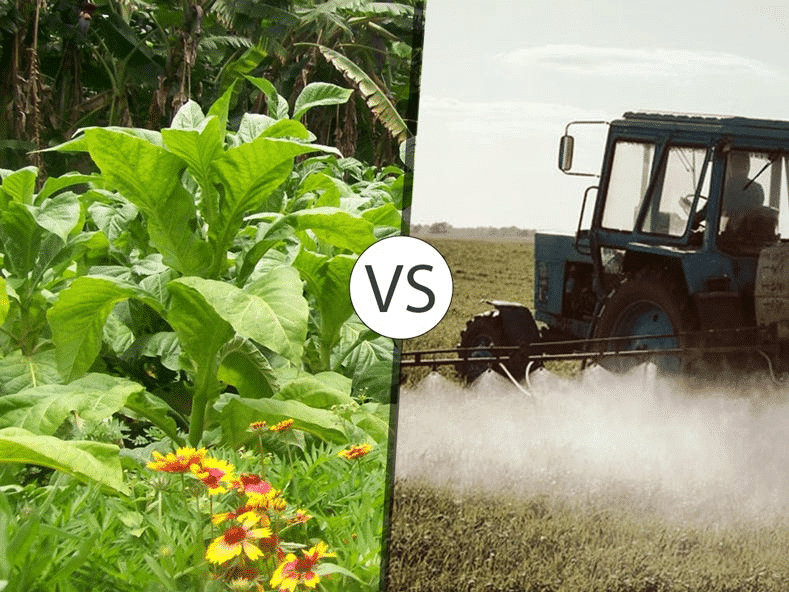
The main difference between conventional and organic farming is that conventional farming uses chemical to control weeds and pests and to provide plant nutrition. Also there are man-made fertilisers, herbicides, and insecticides. In the meantime, organic farming is based on organic principles such as composting and biodiversity, to produce a plentiful supply of nutritious food.
Organic farmers use natural fertilisers, and crop rotation improves soil fertilisation and maintains soil fertility. Inorganic farming land and soil deteriorate over time due to synthetic pesticides and soil exploitation.
The major difference between organic and inorganic farming is that the procedures used in organic farming do not use any animal cruelty. In inorganic farming antibiotics are often injected into the livestock.
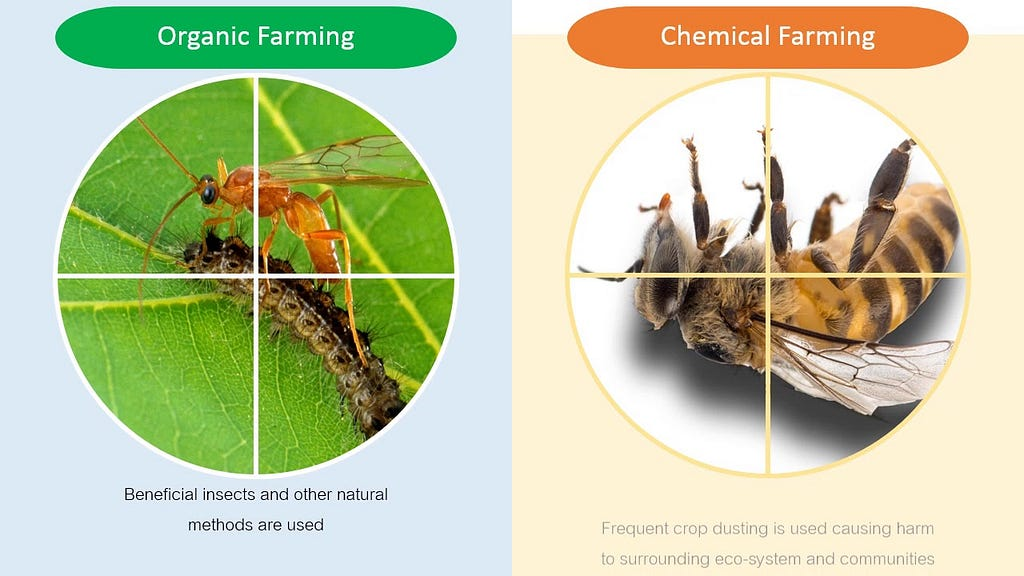
Organic farmers use crop rotations, composted animal manures, and green manure crops in ways that are economically viable in today’s culture. The central problem in organic production is the interaction of management techniques, which is rooted in the health of the whole system. Organic farmers apply a variety of methods to promote and sustain biodiversity and to regenerate soil fertility.
Different environmental and people impacts of inorganic and organic farming practices. Inorganic agriculture has an effect in increased greenhouse gases emissions, soil erosion, water pollution and human health. Organic farming not only avoids dangerous pesticide residues, it also improves the health of the soil, reduces carbon emissions and restores natural ecosystems for cleaner air and water.
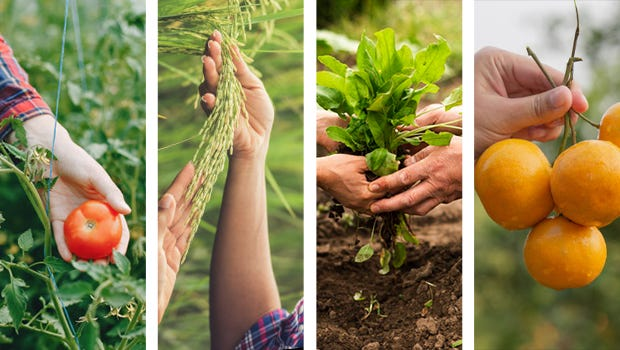
Techniques used for harvesting, water management and land preparation are the same in organic and inorganic farming. Organic farmers use fertilisers like paddy, husk, charcoal, gliricidia leaves, rice straw etc. Fertilisers used in non organic agriculture are urea, MOP and TSP. Organic farming tries to boost soil fertility, safety and health, safeguard the environment and provide people with chemical-free and nutritious food.
Maybe you’re wondering what difference you could make in this situation. The demand-supply relationship that governs all industries governs the farming industry. If you help the market for goods produced organically to grow, farmers won’t have much choice but to adapt to modern farming practices. If you have to choose between the two, choose organic foods over conventional farming foods. It all starts with you.
Organic Vs Inorganic Farming: Which Is Better?
The choice of organic or inorganic farming is dependent on the location, type of crop, resources of the farmer and the demand of the consumer.
The object of organic farming are sustainability, soil protection, natural agricultural systems. It is best for the farmers who want to keep the environment in balance and want to grow the crops naturally.
Inorganic farming is all about productivity and efficiency and meeting large scale food requirements. It is still a key practice in commercial agriculture.
Many agricultural experts believe that a combination of various sustainable techniques from both systems can achieve a balance in farming solutions. Integrated farming methods, precision agriculture and responsible input management are becoming important approaches for future.
The future of sustainable agriculture
Smart and sustainable farming is the future of agriculture.
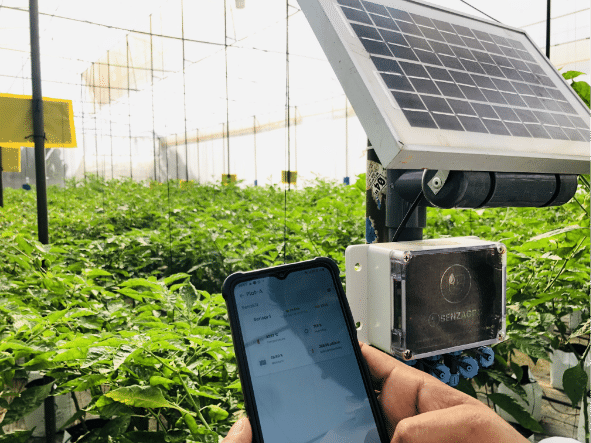
Technologies like precision farming, artificial intelligence, soil monitoring systems and organic farming innovations are helping farmers to boost productivity while minimising environmental damage.
Farmers are increasingly using such methods as integrated pest management, natural fertilisers and efficient irrigation systems.
Modern agriculture strives not only to produce more food, but to conserve natural resources for future generations.
A balanced approach of technology, sustainability and responsible farming practices can create a healthy agricultural future.
Conclusion
Both organic and inorganic farming have important roles to play in modern agriculture.Organic farming is concerned with natural processes, environmental protection and the sustainable health of the soil, whereas inorganic farming permits faster production and a simpler large-scale supply of food.
There is no one right way to farm for every situation. Farmers have to consider soil conditions, climate, crop needs and market demand when choosing a farming method.
Sustainable methods that boost productivity and protect nature are the future of agriculture. Through responsible farming, we are able to establish a healthier food system for generations to come.