


Latest News
Blood Pressure Test Tips: Why Avoiding Tea Before Your BP Check Matters


Short Overview
Many people start their day with a cup of tea without realizing it can temporarily affect their blood pressure readings. If you’re scheduled for a blood pressure test, even a seemingly harmless beverage like tea may lead to inaccurate results. Understanding how caffeine influences your cardiovascular system can help ensure your blood pressure measurement reflects your true health condition. In this article, we’ll explain why healthcare experts recommend avoiding tea before a blood pressure test and share practical tips for getting the most accurate reading possible.For millions of people, tea is more than just a beverage—it’s part of a daily routine. Whether it’s the first cup in the morning or a refreshing afternoon break, tea is often considered a healthy drink. However, if you’re planning to get your blood pressure checked, that comforting cup of tea could interfere with the accuracy of your results.
Healthcare professionals often advise patients to avoid caffeinated drinks before a blood pressure test. While tea offers several long-term health benefits, its caffeine content can temporarily raise blood pressure levels. As a result, the reading you receive may not accurately represent your normal blood pressure.

Understanding why this happens can help you prepare properly and ensure you receive the most reliable results.
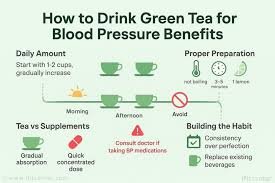
Why Accurate Blood Pressure Readings Matter
Blood pressure is one of the most important indicators of cardiovascular health. It helps doctors assess how efficiently your heart is pumping blood throughout your body.
Accurate blood pressure measurements are essential because they influence medical decisions related to hypertension, heart disease risk, medication adjustments, and lifestyle recommendations.
Even a slight increase in blood pressure caused by external factors can create misleading results. This may lead to unnecessary concern, additional testing, or incorrect treatment recommendations.
That’s why preparation before a blood pressure test is just as important as the test itself.
How Tea Affects Blood Pressure
Tea contains caffeine, a natural stimulant that can affect the cardiovascular system. Once consumed, caffeine enters the bloodstream and stimulates the nervous system.
This stimulation can temporarily increase heart rate and cause blood vessels to constrict slightly. As a result, blood pressure may rise for a short period after drinking tea. Research shows that caffeine can cause a temporary increase in blood pressure, particularly in people who do not consume caffeine regularly.
Although the effect is generally short-lived, it can be enough to influence the outcome of a blood pressure test.
The Role of Caffeine in Blood Pressure Changes
Caffeine triggers the release of adrenaline, often referred to as the body’s “fight or flight” hormone. Adrenaline causes the heart to pump more forcefully and increases blood flow throughout the body.
This natural response can temporarily elevate blood pressure levels. According to health experts, the rise usually occurs within 30 minutes to one hour after caffeine consumption and may last several hours.
The impact varies from person to person. Some individuals may experience only a minor increase, while others may notice a more significant change.
Why Doctors Recommend Avoiding Tea Before a BP Test
Doctors aim to obtain a blood pressure reading that reflects your body’s normal state. Drinking tea immediately before the test introduces a temporary variable that can distort the results.
A higher-than-usual reading may create the impression that your blood pressure is elevated when it is actually within a healthy range during normal conditions.
Avoiding tea before a blood pressure test helps eliminate this possibility and allows healthcare providers to assess your cardiovascular health more accurately.
This simple precaution can prevent confusion and ensure appropriate medical recommendations.
How Long Before a Blood Pressure Test Should You Avoid Tea?
Most healthcare professionals recommend avoiding caffeinated beverages for at least 30 minutes before a blood pressure measurement. Some experts suggest waiting one hour for the most accurate results.
This includes:
Black tea
Green tea
Masala chai
Iced tea
Energy tea drinks
Tea-based beverages with added caffeine
Giving your body enough time to process caffeine helps reduce its temporary impact on blood pressure.
Other Things That Can Affect Blood Pressure Readings
Tea isn’t the only factor that may influence your blood pressure test results.
Several everyday activities can temporarily raise blood pressure, including physical exercise, smoking, emotional stress, anxiety, and consuming coffee or energy drinks.
Even talking during the test or sitting in an uncomfortable position can affect the reading.
Modern lifestyle habits such as stress, poor sleep, excessive screen time, and stimulant consumption are increasingly linked to elevated blood pressure levels.
Being aware of these factors can help you prepare properly before your appointment.
Best Practices Before a Blood Pressure Check
To achieve the most accurate blood pressure reading possible, it is important to follow a few simple guidelines.
Arrive a few minutes early and sit quietly before the test. Avoid caffeine, smoking, and vigorous exercise beforehand. Wear comfortable clothing that allows easy access to your upper arm.
Sit upright with your feet flat on the floor and keep your arm supported at heart level during the measurement.
These small steps can make a significant difference in obtaining reliable results.
Common Mistakes People Make Before BP Testing
Many people unintentionally influence their blood pressure readings by engaging in activities that temporarily elevate blood pressure.
Common mistakes include drinking tea or coffee on the way to the clinic, rushing to the appointment, climbing multiple flights of stairs, smoking shortly before the test, or checking blood pressure immediately after stressful situations.
Understanding these mistakes can help you avoid inaccurate readings and reduce unnecessary concern.
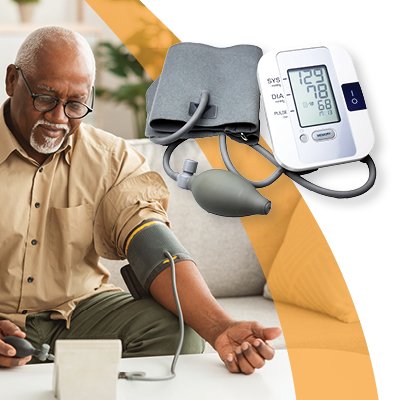
When Should You Monitor Blood Pressure Regularly?
Regular blood pressure monitoring is especially important for individuals with hypertension, diabetes, heart disease, kidney disease, obesity, or a family history of cardiovascular conditions.
Even healthy adults should have their blood pressure checked periodically because high blood pressure often develops without obvious symptoms.
Routine monitoring allows early detection and helps reduce the risk of serious complications such as heart attack, stroke, and kidney damage.
Conclusion
A simple cup of tea may seem harmless, but drinking it shortly before a blood pressure test can temporarily influence your results. Because caffeine can cause a short-term rise in blood pressure, healthcare professionals recommend avoiding tea before your appointment whenever possible.
If you want the most accurate blood pressure reading, it’s best to skip tea, coffee, and other caffeinated beverages before testing. Combined with proper preparation and regular monitoring, this small adjustment can help provide a clearer picture of your cardiovascular health and support better long-term wellness.


NEET UG Re-Exam 2026: Why Telegram Was Restricted in India and What It Means for Students

Spotify Outage 2026: Thousands of Users Report Streaming Issues Across the Globe

Stock Market Today: Sensex, Nifty & Top Stocks in Focus Amid Global Market Uncertainty

NEET Re-Exam Admit Card 2026 Released: Direct Download Link, Exam Day Guidelines & Important Updates

Made-in-India C295 Aircraft Maiden Flight Marks a New Chapter in India’s Defence Manufacturing

Higher Ethanol Blended Petrol Gets Excise Duty Exemption: What It Means for India’s Fuel Future

What I Eat In A Day As An Indian Diabetic To Lose Weight

10 Simple Indian Home Habits That Help You Lose Weight With Type 2 Diabetes

Diabetes-Friendly Indian Breakfasts That Melt Belly Fat and Control Blood Sugar Naturally
