


Latest News
Are You Losing 30% Yield by Skipping Farm Data and Record-Keeping?

Short Overview
Farm data and record-keeping are no longer optional in modern agriculture. Farmers who do not track their inputs, yields, and field activities often lose productivity without realizing it. This article explains how missing records silently reduce crop yield, how farm data improves decisions, and how simple record-keeping can protect your farm’s future.
Many farmers unknowingly lose up to 30% of their crop yield due to poor farm data and record-keeping practices. This guide explains how skipping farm records affects productivity, costs, soil health, and decision-making. Learn how farm data management, crop records, and digital farming tools help increase yields, reduce waste, and improve profits. Whether you manage a small farm or large operation, this article shows simple, practical ways to track farm activities, analyze data, and build a more sustainable and profitable farming system using accurate record-keeping.

Table of Contents
- Introduction: The Hidden Yield Loss on Farms
- What Farm Data and Record-Keeping Really Mean
- How Skipping Records Can Cost You 30% Yield
- The Link Between Farm Data and Crop Performance
- How Record-Keeping Improves Soil Health and Fertility
- Farm Input Tracking and Cost Control
- Weather, Timing, and Data-Driven Decisions
- Digital Farm Records vs Traditional Notebooks
- Common Mistakes Farmers Make with Farm Data
- Simple Ways to Start Farm Record-Keeping Today
- Long-Term Benefits of Farm Data Management
- Conclusion: Protect Your Yield, Protect Your Future
Introduction: The Hidden Yield Loss on Farms
Many farmers work hard every season yet still feel disappointed with their final harvest. The soil is prepared, seeds are planted, fertilizers are applied, and pests are controlled, but the yield still falls short. What most farmers don’t realize is that the problem often isn’t effort or experience—it’s missing farm data and poor record-keeping.
When farming decisions are based only on memory or habit, small mistakes repeat themselves year after year. These mistakes slowly reduce productivity, increase costs, and lower profits. Over time, this can easily add up to a 30% yield loss without being clearly visible.
What Farm Data and Record-Keeping Really Mean
Farm data is simply information about what happens on your farm. This includes planting dates, crop varieties, fertilizer use, pesticide applications, irrigation schedules, labor costs, weather conditions, and harvest results. Record-keeping means writing down or digitally storing this information in an organized way.
Good farm records don’t need to be complicated. They just need to be accurate, consistent, and easy to review. When farmers track data regularly, patterns become clear, and better decisions follow naturally.
How Skipping Records Can Cost You 30% Yield
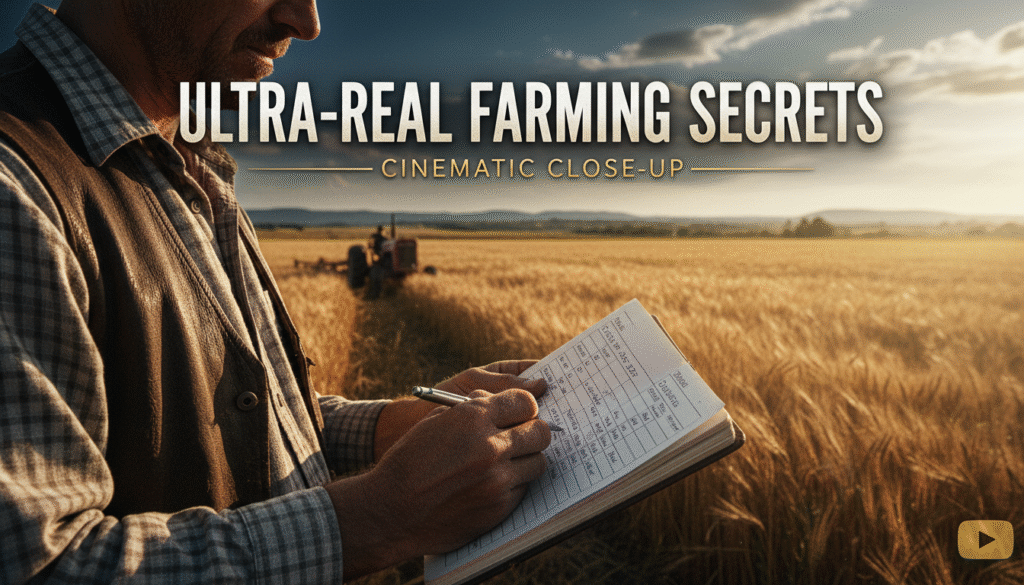
When farm records are missing, farmers rely on memory, which is often inaccurate. It becomes difficult to remember exactly how much fertilizer was applied, when irrigation was done, or which field performed best. This leads to repeated mistakes such as under-fertilizing, over-watering, or planting the wrong crop at the wrong time.
Without clear data, problems are noticed too late. Pest outbreaks spread before being identified. Soil fertility declines slowly without detection. These issues quietly reduce yield season after season until losses become significant.
The Link Between Farm Data and Crop Performance
Crop performance is closely connected to how well farm activities are tracked. When farmers record planting dates, seed varieties, and yield results, they can identify which practices work best. Over time, this knowledge leads to higher productivity and more stable harvests.
Farm data helps farmers compare seasons objectively. Instead of guessing why one year was better than another, the data provides real answers. This allows farmers to repeat successful strategies and avoid failed ones.
How Record-Keeping Improves Soil Health and Fertility
Soil health is one of the most important factors in crop yield. Without records, farmers often apply fertilizers blindly, leading to nutrient imbalance and soil degradation. Overuse wastes money, while underuse reduces yield.
Keeping track of soil tests, fertilizer applications, and crop rotations helps maintain balanced soil nutrition. Healthy soil retains moisture better, supports root growth, and improves plant resistance to disease. Over time, this directly translates into higher and more consistent yields.
Farm Input Tracking and Cost Control
Farming inputs such as seeds, fertilizers, pesticides, fuel, and labor represent a large portion of farm expenses. Without records, it is impossible to know where money is being wasted.
Farm data shows which inputs deliver the best return and which ones don’t. This allows farmers to reduce unnecessary costs while maintaining or even improving productivity. Better cost control means better profit margins without increasing workload.
Weather, Timing, and Data-Driven Decisions
Weather conditions change every year, and timing plays a critical role in farming success. Without data, farmers struggle to adapt to changing conditions.
By tracking rainfall, temperature patterns, and planting dates, farmers can adjust schedules more accurately. Data helps predict risks such as drought or disease outbreaks and supports better planning for future seasons.
Digital Farm Records vs Traditional Notebooks
Traditional notebooks are better than nothing, but they are often lost, damaged, or incomplete. Digital farm records offer better organization, easy access, and long-term storage.
Digital tools allow farmers to analyze trends, compare seasons, and share information easily. Even simple mobile apps or spreadsheets can significantly improve record-keeping without requiring advanced technical skills.
Common Mistakes Farmers Make with Farm Data
Many farmers start recording data but stop after a few weeks. Inconsistent records are almost as ineffective as no records at all. Another common mistake is recording too much information without structure, making it hard to use later.
The key is simplicity. Focus on the most important data points and record them consistently. Over time, the habit becomes easier and more valuable.
Simple Ways to Start Farm Record-Keeping Today
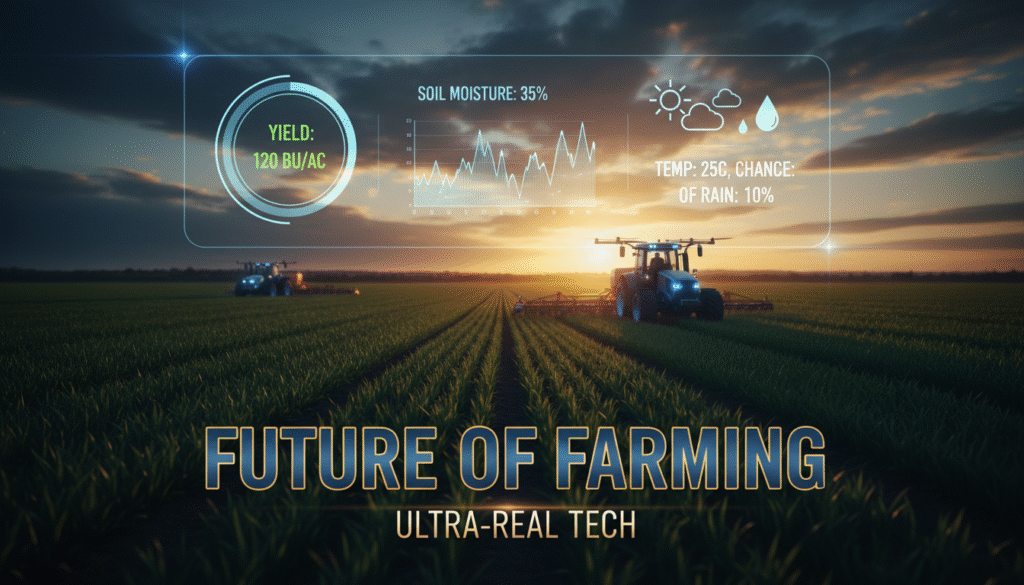
Starting farm record-keeping doesn’t require expensive software or complex systems. A simple notebook, spreadsheet, or mobile app is enough to begin.
Start by recording planting dates, input usage, and harvest results. Gradually add more details as you become comfortable. The goal is consistency, not perfection.
Long-Term Benefits of Farm Data Management
Over time, farm data becomes one of the most valuable assets a farmer owns. It supports smarter decisions, reduces risk, improves sustainability, and increases profitability.
Farmers who use data effectively are better prepared for market changes, climate challenges, and regulatory requirements. They are also more attractive to buyers, lenders, and partners.
Conclusion: Protect Your Yield, Protect Your Future
Skipping farm data and record-keeping may seem harmless, but the hidden cost is high. Yield losses, rising costs, and declining soil health slowly eat away at farm profitability. By simply tracking what happens on your farm, you gain control over decisions, reduce waste, and protect your harvest.
Farm record-keeping is not about paperwork—it’s about understanding your land, your crops, and your future. The sooner you start, the sooner you stop losing yield you didn’t even know was disappearing.


India’s 2026 strategy for importing fertiliser: how India is making global supply chains stronger

The Effects of Global War on Farming in India: Why Prices Are Going Up and What Farmers Can Do

Digital Transformation in Agriculture: How Smart Technology is Changing the Way We Farm Today

The Truth About AI Stock Trading: An AI-Powered Trading Agent Turns ₹11 Lakh Into ₹40 Lakh Overnight

Organic Fertilizer Market Size and Forecast for 2026–2034: Trends in Growth, Future Demand, and Information on Sustainable Agriculture

Bharat-VISTAAR: India’s New AI Digital Platform Changing Farming for Millions of Farmers

Liberating Agriculture in Bharat: A Long-Term Future for Farmers Through Farming with Trees

FAO World Programme of Census of Agriculture 2030: A Global Data Revolution for the Future of Farming

India is running low on LPG in 2026, so hotels are switching to firewood as the government focuses on cooking gas for homes.

The economy of Karnataka is doing better than the national average. The state’s growth rate is 12% for the second year in a row.

What Is the Best Climate for Saffron Cultivation?
India is running low on LPG in 2026, so hotels are switching to firewood as the government focuses on cooking gas for homes.

Farming: ಹಳ್ಳಿಗಳಿಗೆ ಹಿಂದಿರುಗಿ ಕೃಷಿಯತ್ತ ಒಲವು ತೋರುತ್ತಿರುವ ವೃತ್ತಿಪರರು – ನಿಜವಾದ ಕಾರಣಗಳು ಮತ್ತು ಭವಿಷ್ಯದ ಜೀವನಶೈಲಿ

Karnataka Budget 2026–27: Key Announcements, Infrastructure Plans, Welfare Schemes and Economic Impact

ಕೇಂದ್ರ ಬಜೆಟ್ 2026 ಕೃಷಿಕರಿಗೆ ಏನು ಕೊಡುಗೆ? ಭಾರತ್ ವಿಸ್ತಾರ್ AI ಪರಿಕರದಿಂದ ರೈತರಿಗೇನು ಲಾಭ?

Aadhar Model Smart Card To Farmers: ರೈತರಿಗೆ ಆಧಾರ್ ಮಾದರಿ ಸ್ಮಾರ್ಟ್ ಕಾರ್ಡ್ ಯೋಜನೆ – ಸಂಪೂರ್ಣ ಮಾಹಿತಿ, ಅನುಕೂಲತೆಗಳು ಮತ್ತು ನೋಂದಣಿ ವಿವರಗಳು

ಭಾರತ್-ವಿಸ್ತಾರ್ ಎಐ ಸಾಧನ: ರೈತರ ಕೃಷಿ ಸಮಸ್ಯೆಗೆ ಬೆರಳ ತುದಿಯಲ್ಲಿ ಎಐ ಪರಿಹಾರ | ಸಂಪೂರ್ಣ ಮಾಹಿತಿ

Sugar Shares Rally on Hopes of Higher Ethanol Blend Amid West Asia Crisis
FAO World Programme of Census of Agriculture 2030: A Global Data Revolution for the Future of Farming
