{ Agriculture Waste Recycling – Agriculture is one of the most crucial pillars of the Indian economy, but it also generates a significant amount of waste. Crop residues, animal manure, food processing by-products, and other organic materials often go unused or are burned, contributing to pollution and environmental degradation. Fortunately, Agriculture Waste Recycling offers a sustainable solution by transforming this “trash” into “treasure.” This eco-friendly approach not only addresses environmental concerns but also opens up exciting economic opportunities. }
In this blog post, we explore the top methods of agricultural waste recycling, along with their benefits and practical examples.
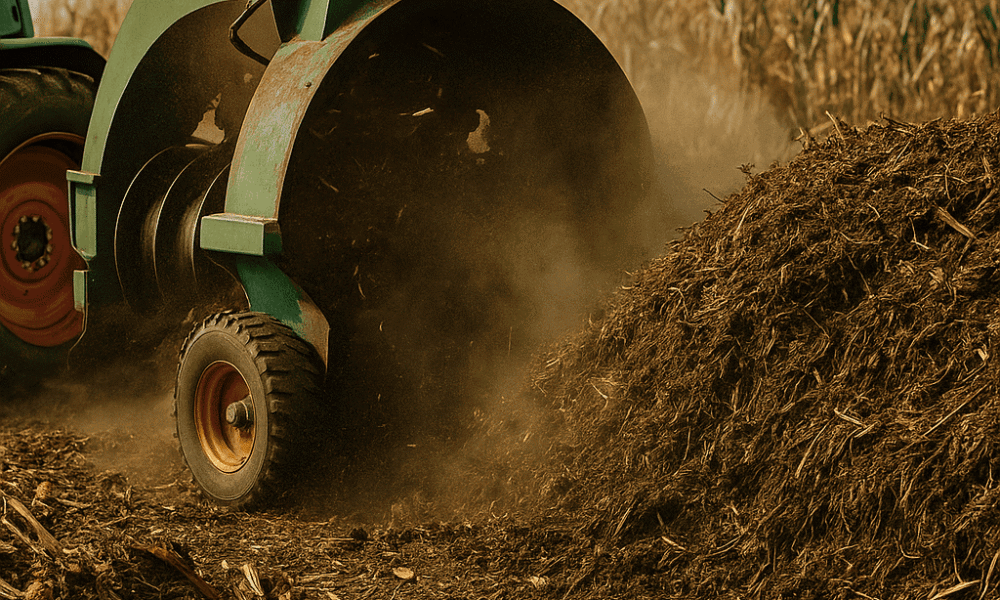
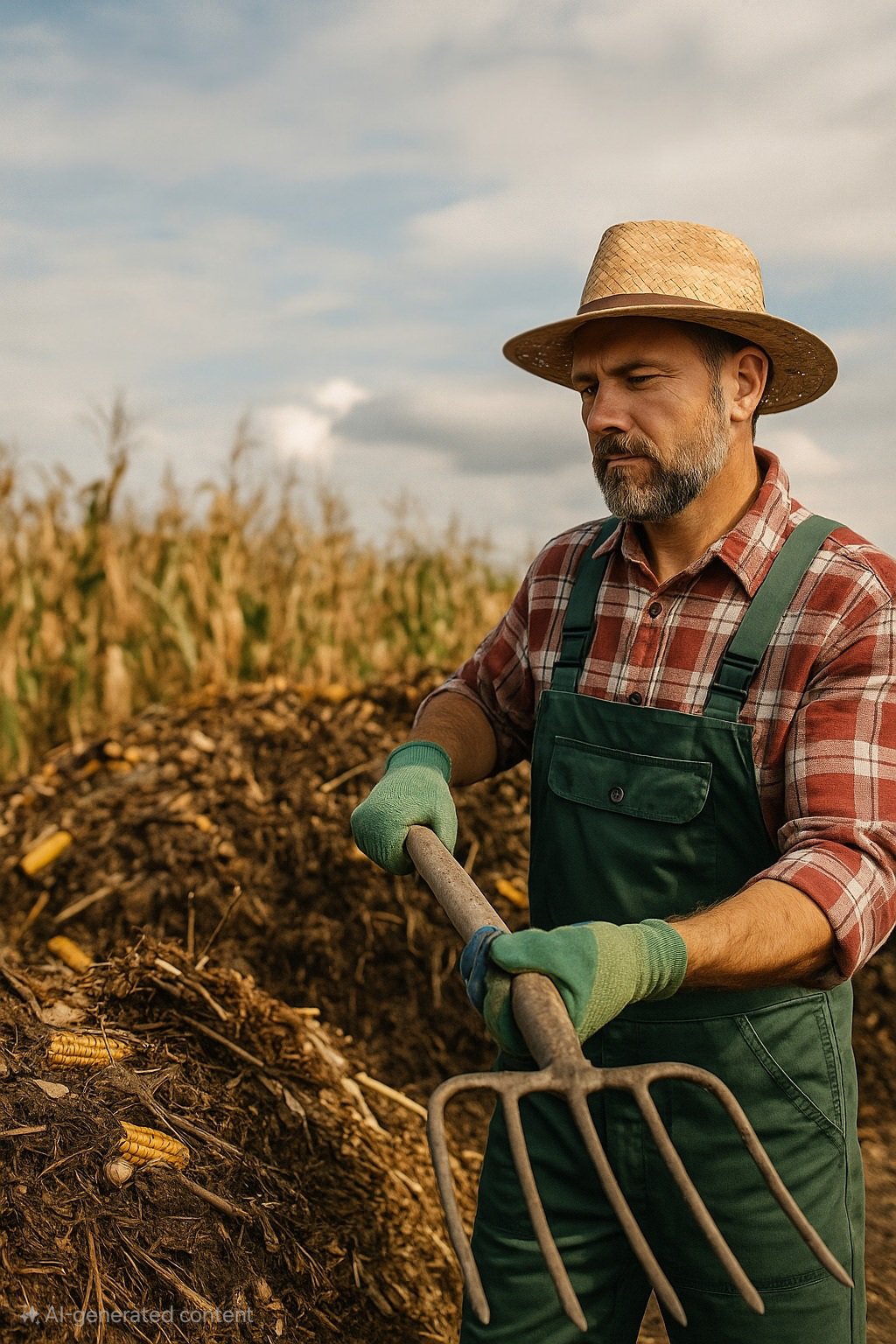
1. Composting: Nature’s Way of Agriculture Waste Recycling
Minimizes the volume of organic waste sent to landfills
Examples:
Paddy straw, sugarcane bagasse, and kitchen waste from farm households can all be composted.
The resulting compost helps improve crop yields and reduces the dependence on synthetic inputs.
2. Anaerobic Digestion: Turning Waste into Biogas
What it is: Anaerobic digestion involves breaking down organic matter in oxygen-free environments, producing biogas (a renewable source of energy) and digestate (a high-quality organic fertilizer).
Benefits:
Generates clean energy that can be used for cooking or electricity
Reduces harmful methane emissions from open manure
Converts waste into a dual-use product (energy + fertilizer)
Examples:
Gobar gas plants in rural India use cow dung and food waste to produce biogas.
Crop residues such as maize stalks and wheat straw can be co-digested with manure.
3. Bioenergy Production: Fuel from the Farm
What it is: This method converts agricultural waste into energy forms like electricity, bioethanol, or biodiesel by combustion or fermentation.
Benefits:
Decreases reliance on fossil fuels
Adds new revenue streams for farmers
Encourages rural energy self-sufficiency
Examples:
Biomass power plants use rice husks, corn stalks, and cotton stems as fuel.
Ethanol production from sugarcane bagasse is a booming sector in India.
4. Industrial Utilization: Waste as Raw Material
What it is: Agricultural waste can also be used in industries as a raw material for manufacturing textiles, paper, packaging, and construction materials.
Benefits:
Reduces the need for virgin materials
Drives sustainable manufacturing practices
Diversifies the utility of farm by-products
Examples:
Jute and cotton waste is used in the handmade paper industry.
Rice husk ash is used in cement production.
Corn cobs are repurposed into particle boards and biodegradable cutlery.
5. Other Innovative Applications
Beyond energy and industry, agricultural waste is now being utilized in a variety of innovative, value-added applications:
Biosorbents: Some crop residues can absorb pollutants from wastewater, making them useful for environmental cleanup.
Animal Feed: De-oiled seed cakes and fruit peels are rich in nutrients and can be turned into cost-effective animal feed.
Mushroom Cultivation: Paddy straw and sawdust serve as an ideal substrate for growing edible mushrooms.
Fortified Rice Analogues: Broken rice and bran can be transformed into nutrient-enriched food supplements.
A clean, high-intent view of agricultural waste being transformed into compost — showcasing eco-friendly farming practices that convert waste into valuable resources.
Benefits of Agricultural Waste Recycling
Environmental Benefits
Reduces air, water, and soil pollution
Helps mitigate climate change by lowering methane emissions
Promotes biodiversity by improving soil health
Economic Benefits
Cuts down on waste disposal costs
Creates additional revenue streams
Lowers dependency on costly inputs like chemical fertilizers and fossil fuels
Social Benefits
Enhances livelihoods for farmers and rural communities
Boosts food security by improving soil and crop productivity
Encourages environmental stewardship and awareness
Q&A Section: Common Questions on Agricultural Waste Recycling
Q1: Is agricultural waste recycling feasible for small-scale farmers? A: Yes, even small farms can benefit. Simple compost pits, low-cost biogas units, and DIY mushroom cultivation kits make it easy and affordable.
Q2: How can farmers get started with Agriculture Waste Recycling-to-energy solutions? A: Many state and central government schemes support biogas and bioenergy projects. Start by contacting your local agricultural extension office or Krishi Vigyan Kendra (KVK).
Q3: Can recycling waste really improve farm profits? A: Absolutely. By converting waste into inputs like compost and energy, farmers reduce input costs and can sell surplus products like bioenergy, mushrooms, or animal feed.