


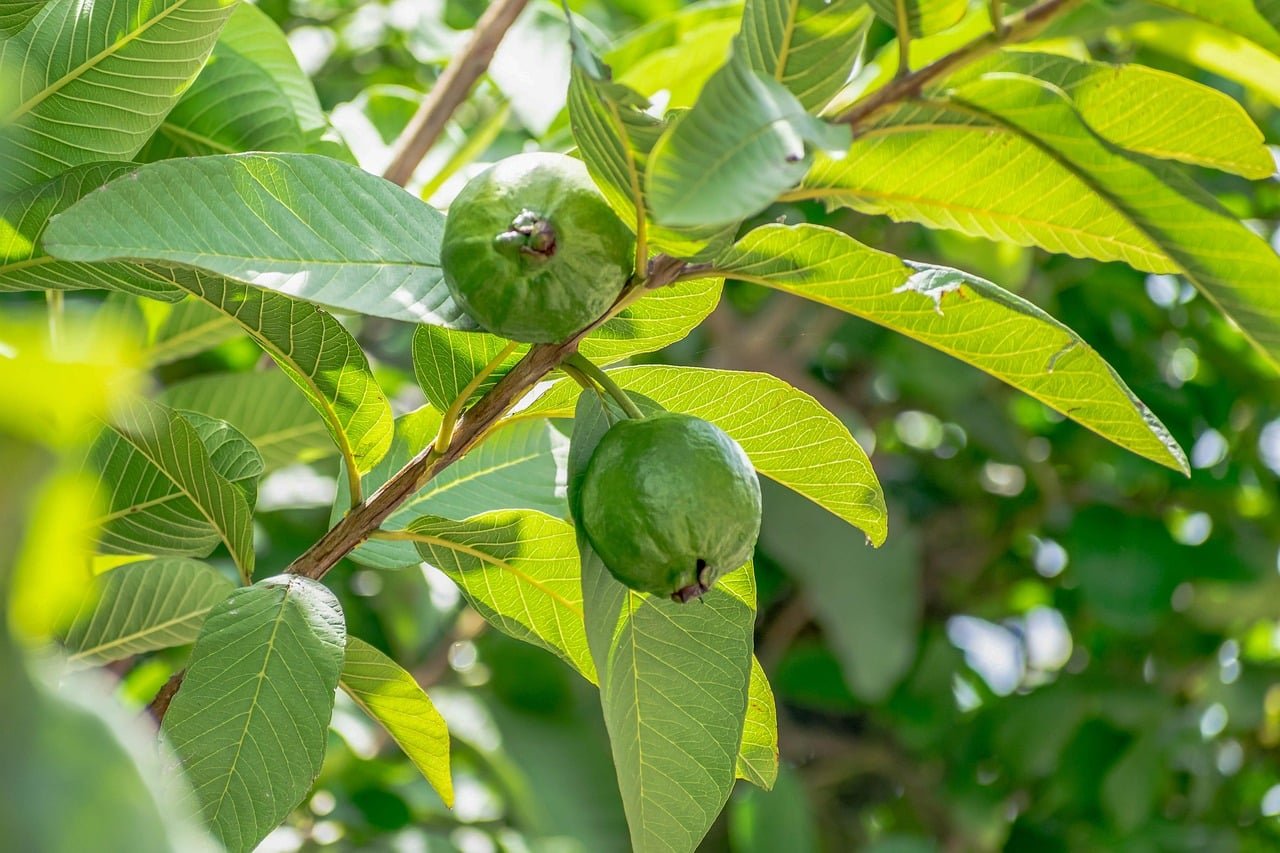


Guava (Psidium guajava) is one of the most common tropical fruits in India and is often called the “Apple of the Tropics”. It is hardy, highly nutritious and thrives well under diverse agro-climatic conditions. Guava farming is gaining popularity among farmers because of its low cost of cultivation, high yield and good market demand. India is the leading producer of guava in the world and is a major contributor for domestic consumption and exports.Guava is more than just a popular tropical fruit. For Indian farmers, it can become a valuable commercial crop when the orchard is planned properly from the beginning. The fruit has strong demand in fresh markets and can also be converted into juice, pulp, jam, jelly, nectar and other processed products.
For farmers looking for a fruit crop with manageable orchard maintenance and multiple marketing opportunities, guava farming deserves serious attention. The key to success is not simply planting trees and waiting for fruits. Profitability depends on choosing the right variety, preparing the soil, maintaining proper plant spacing, managing water and nutrients, controlling pests and diseases, and selling good-quality fruits at the right market.
This complete guide explains how to start guava cultivation in India and how farmers can improve productivity and commercial returns.
Why Guava Cultivation Is a Good Business Opportunity
Guavas are in demand by local markets, wholesale markets and processing businesses and this is making guava growing more intriguing to the farmers. Many people eat fresh guava and red and pink skinned types may also be of interest to premium fruit and processing markets.
Adaptability is one of the biggest guava advantages. When drainage, irrigation and orchard management are correctly managed, it can perform well under a variety of situations. Recommended well-drained soils and guava can be grown in wet and dry places. Irrigation is very important in dry areas (TNAU).
Besides fresh-fruit sales, there are chances in guava. Farmers can look to direct marketing, fruit processors, juice producers, retailers, local fruit shops, farmer producer organisations and other organised customers.
Growing guavas is not just a cultivation effort. It can be a comprehensive agricultural enterprise if planned properly.
Guava Cultivation and Its Importance
Rich in Vitamin C, dietary fibre and antioxidants
It can be eaten raw or processed into juice, jam, jelly and nectar
Robust demand from domestic and export markets
Suitable for growing in marginal and drought-prone soils
Farmers get good returns and less maintenance
Environmental Requirements
Temperature: Guava can be grown in the temperature range of 15°c to 35°c.
Rainfall: Annual rainfall of 100-150 cm is ideal but it does not tolerate water logging.
Altitude: It can be cultivated up to 1500 meters above sea level.
Main flowering months: June–July (rainy crop) and October–November (winter crop).
Soil Needs
Guava is adaptable to a wide range of soils from sandy loam to clay. Loamy soil, well-drained and high in organic matter, is best. The pH should be in between 5.5 and 7.5. Do not plant insalt or alkaline soils.A farmer should select land where excess rainwater can move away easily. Waterlogging can damage roots and increase the risk of serious orchard problems. TNAU recommends well-drained soils and indicates that guava can be cultivated up to around 1000 metres altitude.
A fertile loamy soil with good organic matter is generally suitable. Before establishing a commercial orchard, conducting a soil test is a smart decision because it helps farmers understand soil pH, nutrient availability and possible deficiencies.
Guava is cultivated mainly in the following states of India
Uttar Pradesh Madhya Pradesh Uttar Pradesh
Andhra Pradesh Gujarat Bihar Tamil Nadu Popular Varieties of Guava in India
Allahabad Safeda : Sweet variety, white pulp, very popular, grown in Uttar Pradesh.
Lucknow-49 (Sardar) : High yielding, bold fruits, good keeping quality.
Lalit: Attractive red fleshed variety, good for processing.
Arka Amulya: Larger fruit size, high TSS and suitable for table purpose.
Arka Kiran Pink flesh variety developed by IIHR, Bengaluru.
Chittidar: Small fruit, good sweet taste, grown in north India.
Red Fleshed (Hybrid) – Colourful and good for processing industries.
Planting and Propagation
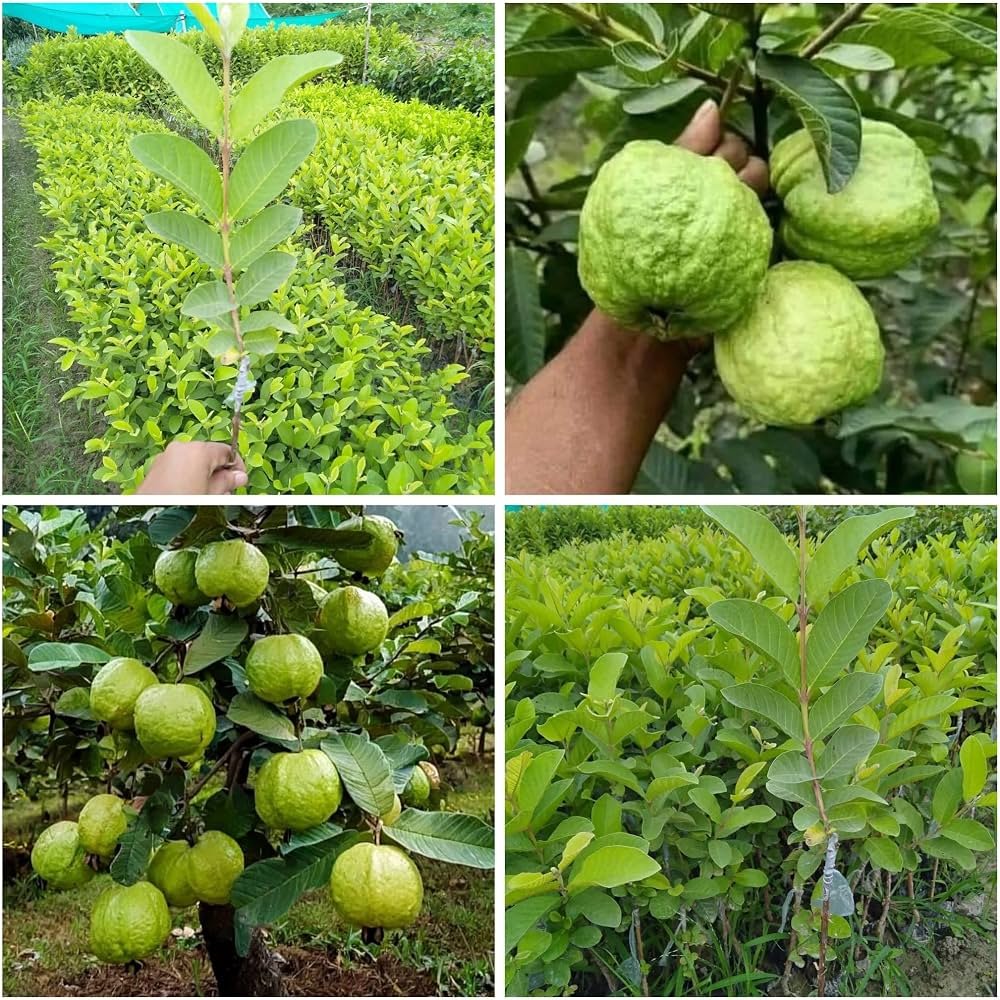
Propagation Guava is propagated by air layering, budding or grafting on seedling rootstock.
Planting Season: June-July (monsoon) or February-March (spring).
Spacing: 5m × 5m (about 160 trees/acre).
Pit Preparation: Dig pits 1m x 1m x 1m, fill with soil+FYM+neem cake.
Management of Irrigation
Young guava plants need irrigation every 7-10 days. Mature plants need water at critical flowering and fruit set stages. Drip method of irrigation of high density plantations is recommended.A farmer should select land where excess rainwater can move away easily. Waterlogging can damage roots and increase the risk of serious orchard problems. TNAU recommends well-drained soils and indicates that guava can be cultivated up to around 1000 metres altitude.
A fertile loamy soil with good organic matter is generally suitable. Before establishing a commercial orchard, conducting a soil test is a smart decision because it helps farmers understand soil pH, nutrient availability and possible deficiencies.
Requirement of Manure and Fertiliser (per tree per year)
FYM: 20-25 kg
Urea (N): 250-300 g
DAP (P2O5): 200-250 g
MOP (K2O): 200 g
FYM should be applied in June. Fertilisers should be divided into two doses – in June–July and in October–November.
Training and Cutting Back
Every year guava should be lightly pruned to remove dry branches that are diseased and crowded. This produces a larger, better coloured, higher quality fruit. The most suitable system for guava training is the open-centre system.
Blooming and Fruiting
Guava flowers twice a year – June-July (rainy season crop) and October-November (winter crop). The quality, sweetness and shelf life of the winter crop is better than the rainy season crop.The timing of flowering and harvesting varies according to variety, region, weather and management practices. Winter-season fruits are often valued for their quality, though the preferred production season depends on local market conditions.
Harvesting should be done carefully because bruising can reduce market value. Fruits should be harvested at the appropriate maturity stage according to whether they are intended for nearby fresh markets, distant markets or processing.
Pest and Disease Control
Fruit Fly: Pheromone traps, orchard sanitation, bagging of fruit.
Wilt disease: Prevent waterlogging, rotate crops and drench the soil with fungicide.
Aphids and Mealy Bugs: Spray neem oil or systemic insecticides as required.
Anthracnose: Controlled by copper-containing fungicides.
Yield and Harvesting
Guava trees begin to bear fruit 2-3 years after planting. The fruit is ready 4-5 months after flowering. Average yield 20-25 tonnes per hectare. Yields of up to 40 tonnes/hectare are possible in high density plantations.
Management Post Harvest
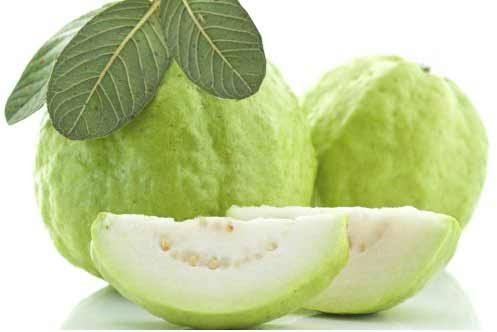
Grading : Fruit is graded by size and quality.
Shelf life: 7-10 days at room temperature, up to 3 weeks in cold storage.
Processing: For juice, nectar, jam, jelly, candies and dried products.
Government Support and Plans
MIDH: Assistance for planting material and orchard development
NHB: Need for high density plantation and post harvest infrastructure support.
State Horticulture Departments: Training, saplings and financial aid.
Marketing opportunities
Guava is in demand all year round in India. Farmers can sell in local mandi or wholesale market or directly to the processing industries. The red-fleshed varieties also command premium prices in urban and export markets. Selling through Farmer Producer Organisations (FPOs) and e-commerce platforms fetches better income.
Good yield might be rendered useless by inadequate post-harvest handling of fruits.Fresh guavas should be collected carefully, sized and graded according to quality and packed properly. Marketable food should be separated from damaged, overripe fruit.
Farmers can sell through traditional wholesale markets, local retailers, direct customers, fruit stores, processors and organised buyers; . Establishing ties with buyers in advance of the harvest season helps take pressure off selling at the last minute.Another opportunity is value addition. Guava can be made into juice, nectar, pulp, jam, jelly, candy and other goods. This can also be an extra source of income by processing under favourable market conditions.
Farmers intending for commercial guava farming should plan marketing before planting the orchard and not after the fruits are ready for harvest.
Conclusion
Guava cultivation in India offers a promising opportunity for farmers who approach it as a complete agribusiness rather than simply a fruit-growing activity.
The foundation of a successful guava orchard is simple: select suitable planting material, understand the soil and climate, maintain proper spacing, use efficient irrigation, provide balanced nutrition, prune the trees regularly, monitor pests and diseases, harvest carefully and build a reliable marketing channel.
High-density and ultra-high-density systems can offer attractive productivity potential, but they require stronger canopy management and technical planning. ICAR’s research and field examples show that modern orchard systems can improve land-use efficiency when they are managed correctly.
For farmers starting a new orchard, the best strategy is to begin with a realistic farm plan based on local conditions, available water, investment capacity and market demand. With consistent management and a clear selling strategy, guava farming can develop into a sustainable and commercially rewarding agricultural business.

