


Latest News
Top 6 Ultimate Guide to Soil Health: Tips for Farmers to Improve Yields


Discover essential tips for improving soil health and boosting crop yields. This ultimate guide covers everything farmers need to know about nurturing soil for better farming outcomes.
Table of Contents
- Introduction
- Why Soil Health Matters
- Key Factors Affecting Soil Health
- Practical Tips to Improve Soil Health
- The Role of Organic Matter in Soil
- Common Mistakes to Avoid
- Conclusion
1. Introduction
For farmers, the health of the soil is the foundation of a successful harvest. Healthy soil means better crops, higher yields, and sustainable farming practices. But what exactly does soil health mean? How can farmers improve it effectively? This guide will cover practical tips and essential steps farmers can take to enhance soil health, boost productivity, and create a more sustainable farming system.


2. Why Soil Health Matters
Soil health isn’t just about the physical appearance of your land—it directly affects plant growth, water retention, and nutrient availability. Healthy soil is teeming with beneficial microorganisms that help break down organic matter, cycle nutrients, and support plant roots. When soil is neglected or poorly managed, crop yields can decrease, and farms can experience issues like poor drainage, erosion, or nutrient imbalances.
Farmers who prioritize soil health enjoy:
- Improved crop productivity: Nutrient-rich soil supports better plant growth.
- Sustainable farming practices: Healthy soil reduces the need for chemical fertilizers and pesticides.
- Better resistance to diseases and pests: Strong soil supports stronger, healthier plants.
3. Key Factors Affecting Soil Health
Several factors influence soil health, and understanding them can help farmers improve the land’s overall quality. Here are some of the most important ones:
- Soil Texture: The composition of sand, silt, and clay in your soil affects water retention and root growth. The ideal soil texture for farming is loamy, which provides the right balance of these components.
- Soil pH: The acidity or alkalinity of the soil plays a crucial role in nutrient availability. Most plants thrive in soils with a pH between 6 and 7.
- Nutrient Levels: Adequate levels of essential nutrients like nitrogen, phosphorus, and potassium are critical for healthy plant growth. Soil testing helps determine if there are any deficiencies.
- Organic Matter: A healthy amount of organic material in the soil improves soil structure and nutrient retention. It also encourages microbial activity that is vital for soil health.
4. Practical Tips to Improve Soil Health
Improving soil health is not a one-time task—it requires ongoing attention and care. Here are some practical steps to enhance your soil’s vitality:
- Practice Crop Rotation: Rotating crops every season helps prevent soil depletion. Different plants require different nutrients, and rotating crops ensures the soil doesn’t become exhausted.
- Incorporate Cover Crops: Planting cover crops like clover or alfalfa during the off-season can prevent soil erosion, add organic matter, and help fix nitrogen in the soil.
- Use Organic Amendments: Adding compost, manure, or green manure to the soil enriches it with nutrients and improves its structure. Organic matter enhances water retention and supports a healthy ecosystem of microorganisms.
- Reduce Soil Compaction: Overworking the land with heavy machinery can compact the soil, making it difficult for plant roots to penetrate. To reduce compaction, avoid working the soil when it’s too wet and use lighter equipment.
- Implement No-Till or Reduced-Till Farming: Tilling the soil too often disrupts its structure and damages beneficial organisms. No-till farming preserves the soil structure, improves water infiltration, and promotes healthier ecosystems.
5. The Role of Organic Matter in Soil
Organic matter is the lifeblood of healthy soil. It includes plant material, animal residues, and microorganisms that decompose to create humus. Humus improves soil structure, helps retain nutrients, and increases microbial diversity. Here’s how organic matter benefits soil health:
- Improves soil structure: Organic matter binds soil particles together, creating a loose structure that allows roots to grow more easily.
- Enhances nutrient retention: It holds onto vital nutrients, preventing them from leaching away, and ensures that plants have access to them when needed.
- Boosts microbial activity: Organic matter supports a thriving population of microorganisms that break down nutrients, making them available for plants.
To increase organic matter, consider using compost, manure, or other organic amendments regularly.

6. Common Mistakes to Avoid
While improving soil health is essential, there are a few mistakes that can do more harm than good:
- Overusing Fertilizers: While fertilizers are important, using too much can lead to nutrient imbalances and harm soil microorganisms. It’s better to use organic methods or conduct soil tests to determine the exact nutrients needed.
- Ignoring Soil Tests: Without regular soil testing, you risk either over- or under-applying fertilizers and amendments. Soil tests help you understand the exact needs of your soil.
- Neglecting Soil Erosion: Erosion can deplete topsoil, the most fertile layer of soil. Use cover crops, mulch, and contour farming techniques to protect the soil from erosion.
7. Conclusion
Soil health is the cornerstone of successful farming. By understanding the factors that affect soil quality and following best practices like crop rotation, organic amendments, and reduced tillage, farmers can improve their yields while maintaining sustainable practices. Remember, healthy soil equals healthy plants, and healthy plants lead to better harvests. Take the time to nurture your soil—it’s an investment in your farm’s future.


Assembly Elections 2026 Live Updates: High-Stakes Battle Across Kerala, Assam & Puducherry

Farm Automation Tools That Increase Profitability for Vegetable Growers

Iran Israel War Latest News 2026: What’s Happening in West Asia and Why It Matters Globally
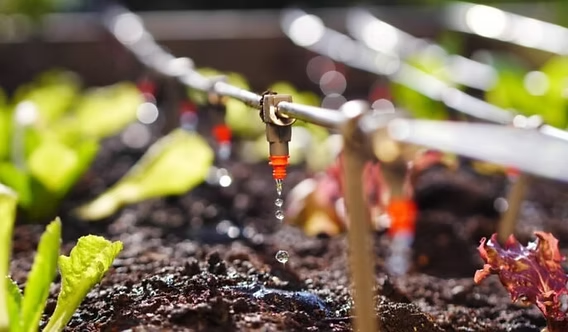
Smart Irrigation Systems Suitable for Water-Scarce Regions in India

Why India-Bound Iran Crude Oil Shipment Was Diverted to China: Full Story, Impact & What It Means for India

Best Software Platforms for Farm Management and Crop Monitoring in 2026

How to Implement IoT Solutions in Agriculture for Better Yields

New Income Tax Rules 2026: Complete Guide for Salaried Taxpayers in India

Best Smart Farming Tools for Small Farms in India

LPG Tankers from Strait of Hormuz Reach India: What It Means for Energy Security and Fuel Supply

The Effects of Global War on Farming in India: Why Prices Are Going Up and What Farmers Can Do

Potato Farming Crisis in Uttar Pradesh: Causes, Challenges, and Solutions for Farmers

Fibre Optic Sensors in Agriculture: The Future of Smart Farming and Soil Monitoring

FAO World Programme of Census of Agriculture 2030: A Global Data Revolution for the Future of Farming

The Truth About AI Stock Trading: An AI-Powered Trading Agent Turns ₹11 Lakh Into ₹40 Lakh Overnight

India’s 2026 strategy for importing fertiliser: how India is making global supply chains stronger

Bharat-VISTAAR: India’s New AI Digital Platform Changing Farming for Millions of Farmers

Iran Israel US War 2026: What the Conflict in West Asia Means for Oil, World Stability, and Daily Life

Organic Fertilizer Market Size and Forecast for 2026–2034: Trends in Growth, Future Demand, and Information on Sustainable Agriculture
