


Innovative News
What Is the Best Climate for Saffron Cultivation?

Short Overview
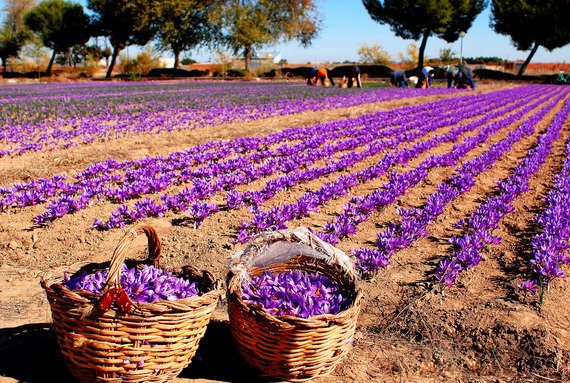
Saffron is one of the most valuable spices in the world, but growing it successfully depends heavily on climate. Many farmers fail because they plant saffron in unsuitable weather conditions. This guide explains the best climate for saffron cultivation in a clear and practical way, helping growers understand temperature, rainfall, soil moisture, and seasonal needs to achieve high-quality saffron yield.
Understanding the best climate for saffron cultivation is essential for growing high-quality Crocus sativus with maximum yield. This detailed guide explains the ideal temperature range, rainfall requirements, humidity levels, seasonal climate patterns, and environmental conditions needed for saffron farming success. Learn how cold winters, dry summers, and well-drained soil contribute to healthy saffron growth. The article also covers climate challenges, regional suitability, and practical tips to help farmers avoid common mistakes. Whether you are planning saffron cultivation in India, Europe, or other suitable regions, this guide provides clear and simple explanations to help you choose the right climate for profitable saffron production.

Table of Contents
- Introduction to Saffron Cultivation
- Why Climate Is Critical for Saffron Growth
- Ideal Temperature Range for Saffron Farming
- Role of Rainfall in Saffron Cultivation
- Importance of Dry Summers for Saffron
- Winter Climate Requirements for Saffron
- Humidity Levels and Their Impact on Saffron
- Soil Moisture and Climate Interaction
- Seasonal Climate Cycle of Saffron Plant
- Best Climatic Regions for Saffron Cultivation
- Climate Challenges in Saffron Farming
- How Climate Change Affects Saffron Production
- Practical Climate Tips for New Saffron Growers
- Conclusion: Choosing the Right Climate for Saffron Success
Introduction to Saffron Cultivation
Saffron comes from the flower of Crocus sativus and is known for its deep color, strong aroma, and high market value. Despite its profitability, saffron is not an easy crop to grow. The plant is highly sensitive to weather conditions, and even small climate changes can affect flowering and yield. This is why understanding climate requirements is the first step toward successful saffron farming.
Why Climate Is Critical for Saffron Growth
Climate controls every stage of saffron development, from corm sprouting to flowering and dormancy. Unlike many crops, saffron does not need heavy rainfall or constant moisture. Instead, it thrives in a balanced climate where temperature and dryness follow a natural seasonal rhythm. Farmers who match these conditions can produce high-quality saffron with strong color and aroma.
Ideal Temperature Range for Saffron Farming
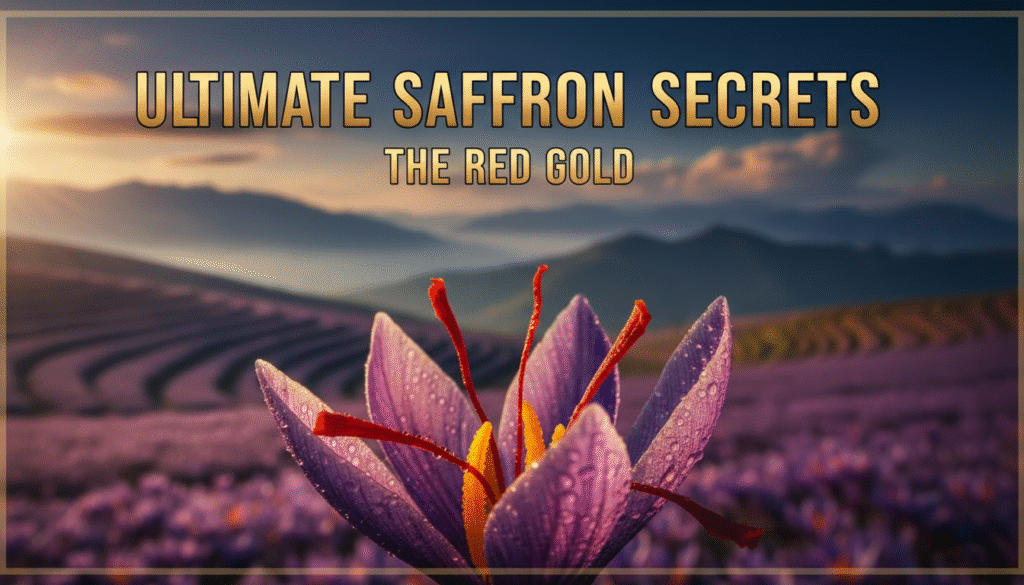
The best climate for saffron cultivation includes moderate summers and cold winters. During the growing and flowering season, temperatures between 15°C and 25°C are ideal. Saffron can tolerate higher summer temperatures up to 35°C as long as the soil remains dry. In winter, the plant benefits from cold conditions, and temperatures can drop to –10°C without damaging the corms. This temperature variation helps trigger healthy flowering.
Role of Rainfall in Saffron Cultivation
Rainfall plays a limited but important role in saffron farming. The crop requires low to moderate rainfall, ideally between 300–400 mm annually. Rain during the flowering period can damage delicate saffron flowers and reduce quality. Light rainfall before flowering helps initiate growth, but excessive rain leads to fungal diseases and corm rot. Controlled water supply is always better than unpredictable rainfall.
Importance of Dry Summers for Saffron
Dry summers are essential for saffron cultivation. During summer, saffron corms enter a dormancy phase and need dry soil to stay healthy. High moisture during this period can cause rotting and disease. Regions with dry summers naturally protect saffron corms and reduce the need for artificial drying methods, making cultivation easier and more sustainable.
Winter Climate Requirements for Saffron
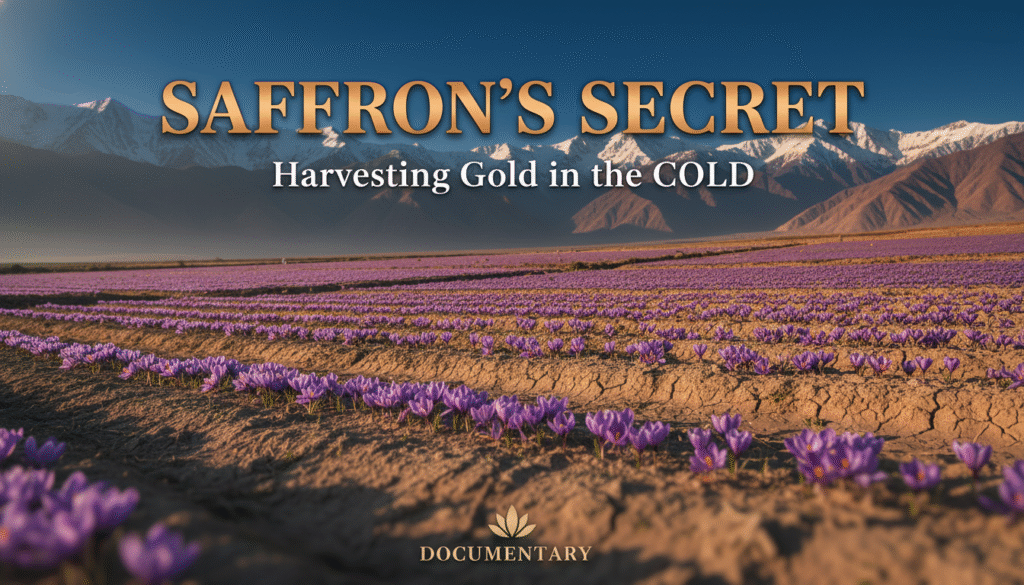
Cold winters support saffron plant development. Frost is not harmful and can actually improve flowering by breaking corm dormancy. Snow cover acts as insulation, protecting the corms from extreme cold. A cold winter followed by a mild autumn creates the perfect environment for saffron flowers to emerge.
Humidity Levels and Their Impact on Saffron
Low humidity is ideal for saffron cultivation. High humidity encourages fungal growth and pest infestation. Regions with dry air help keep saffron flowers healthy and improve stigma quality. Farmers in humid areas must rely on proper spacing, ventilation, and soil drainage to reduce moisture buildup.
Soil Moisture and Climate Interaction
Climate and soil moisture work together in saffron farming. Even in ideal temperatures, poorly drained soil can ruin a crop. Sandy-loam soil combined with a dry climate ensures excess water drains quickly. Climate that supports natural drying after rainfall significantly improves saffron yield and quality.
Seasonal Climate Cycle of Saffron Plant
Saffron follows a unique seasonal cycle. Planting usually happens in late summer. Flowering occurs in autumn when temperatures drop slightly. Leaf growth continues through winter, while summer brings dormancy. A climate that naturally supports this cycle reduces farming effort and increases success rates.
Best Climatic Regions for Saffron Cultivation
Regions with Mediterranean-like climates are best suited for saffron farming. These areas offer dry summers, cold winters, and mild autumns. Parts of Kashmir, Iran, Spain, Italy, Greece, and Morocco have climates that naturally support saffron cultivation. Similar conditions can be recreated in other regions using proper irrigation and drainage systems.
Climate Challenges in Saffron Farming
Unexpected rainfall, unseasonal heat, or high humidity can severely affect saffron production. Climate inconsistency often leads to low flowering, weak stigmas, and increased disease risk. Farmers must closely monitor weather patterns and adapt farming practices accordingly.
How Climate Change Affects Saffron Production
Climate change poses a serious threat to saffron cultivation. Rising temperatures, irregular rainfall, and unpredictable winters disrupt saffron’s natural growth cycle. Farmers are now experimenting with improved drainage, shade control, and adjusted planting schedules to cope with changing climatic conditions.
Practical Climate Tips for New Saffron Growers
New growers should choose locations with good sunlight, low humidity, and proper air circulation. Raised beds, drip irrigation, and rain shelters can help manage climate-related risks. Understanding local weather patterns before planting significantly improves success.
Conclusion: Choosing the Right Climate for Saffron Success
The best climate for saffron cultivation is one that balances cold winters, dry summers, low humidity, and moderate rainfall. Saffron does not need rich water supply but demands climatic stability. Farmers who respect saffron’s natural growth cycle and adapt their farming methods to local climate conditions can achieve high yields and premium-quality saffron. Climate understanding is not optional in saffron farming—it is the foundation of success.


Assembly Elections 2026 Live Updates: High-Stakes Battle Across Kerala, Assam & Puducherry

Farm Automation Tools That Increase Profitability for Vegetable Growers

Iran Israel War Latest News 2026: What’s Happening in West Asia and Why It Matters Globally
Smart Irrigation Systems Suitable for Water-Scarce Regions in India

Why India-Bound Iran Crude Oil Shipment Was Diverted to China: Full Story, Impact & What It Means for India

Best Software Platforms for Farm Management and Crop Monitoring in 2026

How to Implement IoT Solutions in Agriculture for Better Yields

New Income Tax Rules 2026: Complete Guide for Salaried Taxpayers in India

Best Smart Farming Tools for Small Farms in India

LPG Tankers from Strait of Hormuz Reach India: What It Means for Energy Security and Fuel Supply

The Effects of Global War on Farming in India: Why Prices Are Going Up and What Farmers Can Do

Potato Farming Crisis in Uttar Pradesh: Causes, Challenges, and Solutions for Farmers

Fibre Optic Sensors in Agriculture: The Future of Smart Farming and Soil Monitoring

FAO World Programme of Census of Agriculture 2030: A Global Data Revolution for the Future of Farming

The Truth About AI Stock Trading: An AI-Powered Trading Agent Turns ₹11 Lakh Into ₹40 Lakh Overnight

India’s 2026 strategy for importing fertiliser: how India is making global supply chains stronger

Bharat-VISTAAR: India’s New AI Digital Platform Changing Farming for Millions of Farmers

Iran Israel US War 2026: What the Conflict in West Asia Means for Oil, World Stability, and Daily Life

Organic Fertilizer Market Size and Forecast for 2026–2034: Trends in Growth, Future Demand, and Information on Sustainable Agriculture
