


Benefits
Union Budget 2026 Fertiliser Reforms: Strengthening India’s Fertiliser Backbone for Sustainable Agriculture

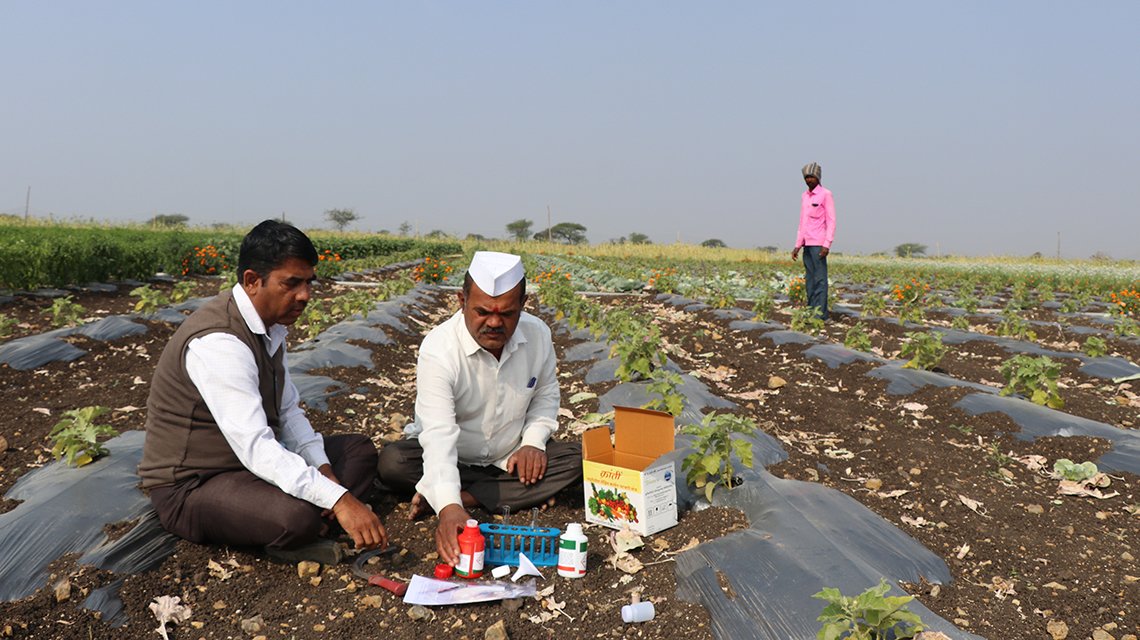
Short Overview
Union Budget 2026 presents a decisive opportunity to reshape India’s fertiliser ecosystem by balancing farmer affordability, domestic manufacturing strength, soil sustainability, and fiscal efficiency, ensuring long-term agricultural resilience while advancing the vision of Atma Nirbhar Bharat.

Union Budget 2026 fertiliser reforms are critical for strengthening India’s agricultural backbone by ensuring subsidy adequacy, promoting balanced nutrient use, boosting domestic fertiliser manufacturing, and enabling tax and GST reforms. With agriculture supporting nearly half of India’s workforce, targeted fertiliser policies can improve soil health, reduce import dependence, protect farmers from global price shocks, and accelerate Atma Nirbhar Bharat. This in-depth analysis explores fertiliser subsidies, nutrient-based pricing, phosphatic capacity expansion, green investments, GST rationalisation, and innovation in nano, bio, and slow-release fertilisers to build a sustainable and resilient agricultural future for India.
Table of Contents
- Introduction: Why Union Budget 2026 Matters for India’s Fertiliser Sector
- India’s Fertiliser Landscape and Strategic Importance
- Fertiliser Subsidies and the Need for Adequacy and Reform
- Moving Towards Balanced Nutrient Management
- Innovation Through Nano, Bio, and Slow-Release Fertilisers
- Achieving Atma Nirbharta in Fertiliser Manufacturing
- Addressing Phosphatic Fertiliser Constraints and Gypsum Challenges
- Customs Duty and Input Cost Rationalisation
- GST Reforms and Resolving Inverted Duty Structures
- Direct Tax Measures to Strengthen the Fertiliser Ecosystem
- Conclusion: Building a Sustainable Fertiliser Backbone for India
Introduction: Why Union Budget 2026 Matters for India’s Fertiliser Sector
Union Budget 2026 arrives at a time when Indian agriculture stands at a critical crossroads, facing rising input costs, climate uncertainty, soil degradation, and increasing dependence on global supply chains. As the world’s second-largest fertiliser consumer and with nearly 45 percent of its workforce dependent on agriculture, India’s fertiliser policy is not merely an economic issue but a strategic national priority. Fertilisers directly influence crop yields, farmer incomes, food prices, and long-term soil health, making them central to food security and rural stability.
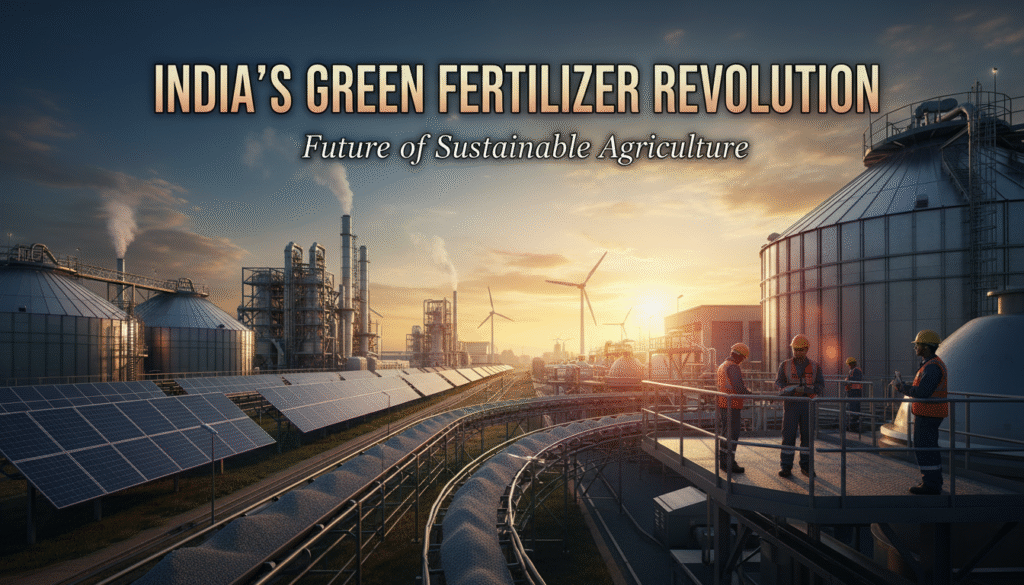
India’s Fertiliser Landscape and Strategic Importance
India’s fertiliser ecosystem has evolved with a clear focus on affordability and availability, ensuring farmers receive essential nutrients even during periods of global price volatility. Over decades, government intervention through subsidies has protected small and marginal farmers while supporting food grain production at scale. However, changing global markets, rising energy prices, and environmental challenges now demand a more balanced and future-ready fertiliser framework.
Fertiliser Subsidies and the Need for Adequacy and Reform
Unlike developed economies where agricultural support has shifted towards income insurance and climate resilience, India continues to rely heavily on input subsidies to ensure food security and farmer welfare. Fertiliser subsidy alone accounts for nearly ₹2 lakh crore annually, with close to 70 percent allocated to urea under a cost-plus pricing regime. While this approach has ensured stable urea availability, it has also encouraged imbalanced nutrient use, affecting soil health and crop productivity.
Union Budget 2026 offers an opportunity to gradually align urea pricing with the Nutrient Based Subsidy framework while safeguarding vulnerable farmers through targeted direct benefit support. Such a transition can correct nutrient distortions without disrupting farm economics, especially if supported by digital targeting and transparent subsidy delivery.
Moving Towards Balanced Nutrient Management
One of the most pressing challenges in Indian agriculture is excessive nitrogen use and under-application of phosphatic and potassic nutrients. Rising global prices of ammonia, sulphur, and other inputs have strained the viability of phosphatic fertiliser producers, particularly as subsidy rates under the NBS system have not kept pace with international cost trends.
Adequate, price-aligned allocations in Union Budget 2026 can ensure uninterrupted availability of all essential nutrients during critical cropping seasons. Balanced fertilisation not only improves yields but also enhances soil carbon content, water retention, and long-term farm sustainability.
Innovation Through Nano, Bio, and Slow-Release Fertilisers
Innovation is central to reducing subsidy burden while improving nutrient efficiency. Nano fertilisers, slow-release formulations, organic inputs, and bio-fertilisers offer the promise of higher nutrient uptake with lower environmental impact. These technologies reduce leaching, lower greenhouse gas emissions, and improve farmer profitability through reduced application frequency.
Schemes such as PM-PRANAM, which incentivise states to reinvest fertiliser subsidy savings into sustainable alternatives and farmer education, must receive higher budgetary support. Enhanced allocations can accelerate adoption, build awareness, and create a nationwide shift towards integrated nutrient management.
Achieving Atma Nirbharta in Fertiliser Manufacturing
India’s push for self-reliance has delivered notable success in the urea segment, with nearly 8 million tonnes of new capacity added over the past decade through policy reforms, energy efficiency improvements, and cleaner fuel adoption. However, phosphatic fertiliser manufacturing continues to lag, with almost 30 percent of domestic demand met through imports.
Union Budget 2026 can bridge this gap by offering time-bound capital grants, accelerated depreciation, and targeted tax incentives for greenfield phosphatic projects. Encouraging domestic investment will not only reduce foreign exchange outflows but also strengthen supply chain resilience during global disruptions.
Addressing Phosphatic Fertiliser Constraints and Gypsum Challenges
A critical bottleneck in phosphatic fertiliser production is the accumulation of phospho-gypsum, a by-product of phosphoric acid manufacturing. Despite domestic availability, India continues to import mineral and chemical gypsum due to favourable GST treatment, creating inefficiencies and environmental concerns.
Correcting this anomaly by reducing GST on downstream products derived from domestic gypsum, increasing customs duty on mineral gypsum, and restricting chemical gypsum imports can unlock domestic capacity while promoting circular economy principles.
Customs Duty and Input Cost Rationalisation
High customs duties on key raw materials such as ammonia, sulphur, sulphuric acid, and rock phosphate increase production costs and reduce competitiveness. Union Budget 2026 can support domestic manufacturers by reducing or exempting duties on these critical inputs and removing the Agriculture Infrastructure and Development Cess where applicable.
Such rationalisation would ease cash flow pressures, lower working capital requirements, and enable manufacturers to offer fertilisers at stable prices without excessive subsidy dependence.
GST Reforms and Resolving Inverted Duty Structures
While recent GST reductions on ammonia and acids are positive, the inverted duty structure continues to result in unutilised input tax credit accumulation. This ties up capital, increases borrowing costs, and discourages investment.
Clear provisions allowing GST refunds due to subsidy-related inversion, restoration of transportation service exemptions, and simplification of compliance systems can significantly improve operational efficiency. Removing duplication between e-invoice and e-way bill requirements would further reduce compliance burden.
Direct Tax Measures to Strengthen the Fertiliser Ecosystem
Restoring weighted tax deductions for research and development, farmer training, and education can drive innovation and knowledge dissemination across the fertiliser value chain. Accelerated depreciation for energy-saving equipment can encourage adoption of cleaner technologies, while reducing litigation and compliance complexity can improve ease of doing business.
Conclusion: Building a Sustainable Fertiliser Backbone for India
Union Budget 2026 holds the potential to redefine India’s fertiliser strategy by aligning affordability with sustainability, self-reliance with innovation, and fiscal discipline with farmer welfare. By reforming subsidies, supporting balanced nutrition, encouraging domestic manufacturing, and rationalising taxes, India can build a resilient fertiliser backbone that supports soil health, boosts farm incomes, and secures food systems for future generations. A forward-looking fertiliser policy is not just an agricultural reform but a cornerstone of India’s sustainable growth and Atma Nirbhar Bharat vision.


India’s 2026 strategy for importing fertiliser: how India is making global supply chains stronger

The Effects of Global War on Farming in India: Why Prices Are Going Up and What Farmers Can Do

Digital Transformation in Agriculture: How Smart Technology is Changing the Way We Farm Today

The Truth About AI Stock Trading: An AI-Powered Trading Agent Turns ₹11 Lakh Into ₹40 Lakh Overnight

Organic Fertilizer Market Size and Forecast for 2026–2034: Trends in Growth, Future Demand, and Information on Sustainable Agriculture

Bharat-VISTAAR: India’s New AI Digital Platform Changing Farming for Millions of Farmers

Liberating Agriculture in Bharat: A Long-Term Future for Farmers Through Farming with Trees

FAO World Programme of Census of Agriculture 2030: A Global Data Revolution for the Future of Farming

India is running low on LPG in 2026, so hotels are switching to firewood as the government focuses on cooking gas for homes.

The economy of Karnataka is doing better than the national average. The state’s growth rate is 12% for the second year in a row.

What Is the Best Climate for Saffron Cultivation?
India is running low on LPG in 2026, so hotels are switching to firewood as the government focuses on cooking gas for homes.

Farming: ಹಳ್ಳಿಗಳಿಗೆ ಹಿಂದಿರುಗಿ ಕೃಷಿಯತ್ತ ಒಲವು ತೋರುತ್ತಿರುವ ವೃತ್ತಿಪರರು – ನಿಜವಾದ ಕಾರಣಗಳು ಮತ್ತು ಭವಿಷ್ಯದ ಜೀವನಶೈಲಿ

Karnataka Budget 2026–27: Key Announcements, Infrastructure Plans, Welfare Schemes and Economic Impact

ಕೇಂದ್ರ ಬಜೆಟ್ 2026 ಕೃಷಿಕರಿಗೆ ಏನು ಕೊಡುಗೆ? ಭಾರತ್ ವಿಸ್ತಾರ್ AI ಪರಿಕರದಿಂದ ರೈತರಿಗೇನು ಲಾಭ?

Aadhar Model Smart Card To Farmers: ರೈತರಿಗೆ ಆಧಾರ್ ಮಾದರಿ ಸ್ಮಾರ್ಟ್ ಕಾರ್ಡ್ ಯೋಜನೆ – ಸಂಪೂರ್ಣ ಮಾಹಿತಿ, ಅನುಕೂಲತೆಗಳು ಮತ್ತು ನೋಂದಣಿ ವಿವರಗಳು

ಭಾರತ್-ವಿಸ್ತಾರ್ ಎಐ ಸಾಧನ: ರೈತರ ಕೃಷಿ ಸಮಸ್ಯೆಗೆ ಬೆರಳ ತುದಿಯಲ್ಲಿ ಎಐ ಪರಿಹಾರ | ಸಂಪೂರ್ಣ ಮಾಹಿತಿ

Sugar Shares Rally on Hopes of Higher Ethanol Blend Amid West Asia Crisis
FAO World Programme of Census of Agriculture 2030: A Global Data Revolution for the Future of Farming
