


Latest News
Subsidies or Traps: Are Government Schemes Keeping Farmers Poor?


Short Overview
Farmers are often described as the backbone of a nation, yet many of them remain trapped in poverty despite decades of government support. Subsidies and welfare schemes are meant to protect farmers from risk, but over time, many people are asking a difficult question: are these schemes helping farmers grow or quietly holding them back? This blog explores that uncomfortable reality with empathy, clarity, and honest analysis.
Are government subsidies helping farmers survive or quietly pushing them into long-term poverty? This in-depth blog explores whether agricultural schemes truly uplift farmers or create dependency traps. Using real-world insights, simple explanations, and human-centered analysis, we examine how subsidies affect farmer income, productivity, debt cycles, and rural development. Learn the hidden impact of government support programs, their benefits, failures, and what reforms are needed to create sustainable farming livelihoods. This article is ideal for policymakers, researchers, students, and anyone concerned about farmer welfare, agricultural economics, and food security in developing countries.

Table of Contents
- Introduction: The Promise Behind Farmer Subsidies
- Why Governments Introduced Agricultural Subsidies
- The Real Benefits Farmers Receive from Subsidy Schemes
- When Support Turns into Dependency
- How Subsidies Can Distort Farming Decisions
- Debt Cycles and the Illusion of Financial Relief
- Small Farmers vs Large Landholders
- Hidden Costs of Free or Cheap Inputs
- The Psychological Impact of Constant Assistance
- Are Subsidies Discouraging Innovation?
- Case Patterns from Developing Economies
- What Farmers Actually Need Instead
- Smarter Alternatives to Traditional Subsidies
- Policy Reforms That Can Break the Poverty Cycle
- Conclusion: Support Without Traps
1. Introduction: The Promise Behind Farmer Subsidies
Government schemes for farmers usually begin with good intentions. They are designed to protect farmers from unpredictable weather, fluctuating market prices, and rising input costs. On paper, subsidies look like a safety net that prevents farmers from falling into extreme poverty. However, when these schemes become permanent crutches rather than temporary support, they may slowly weaken the very people they aim to help.
2. Why Governments Introduced Agricultural Subsidies
Most agricultural subsidies were introduced after food shortages, economic crises, or farmer protests. Governments wanted to ensure stable food production while keeping farmers financially afloat. Cheap fertilizers, free electricity, minimum support prices, and direct cash transfers were meant to reduce risk and encourage farming. In theory, this support allows farmers to focus on productivity instead of survival.

3. The Real Benefits Farmers Receive from Subsidy Schemes
It is important to acknowledge that subsidies do provide immediate relief. For small farmers living season to season, a fertilizer subsidy or cash assistance can mean the difference between planting crops or abandoning land. Subsidies often help farmers survive bad harvests, natural disasters, and market crashes. Without them, many rural families would face hunger and displacement.
4. When Support Turns into Dependency
The problem begins when farmers start relying entirely on government aid rather than farm income. Over time, subsidies can reduce motivation to improve efficiency, diversify crops, or adopt new techniques. When support becomes predictable and permanent, it stops being a safety net and turns into a dependency trap that keeps farmers stuck at the same income level year after year.
5. How Subsidies Can Distort Farming Decisions
Subsidized inputs often push farmers to grow specific crops even when they are not suitable for the land or climate. This leads to overproduction, soil degradation, and water shortages. Instead of responding to market demand or environmental conditions, farmers respond to subsidy incentives, which can damage long-term sustainability.
6. Debt Cycles and the Illusion of Financial Relief
Many subsidy schemes reduce costs but do not increase actual profits. Farmers still take loans for seeds, equipment, and labor. When harvest prices fall, subsidies fail to cover losses, pushing farmers into debt. The next season, they rely even more on government support, creating a repeating cycle of borrowing and dependence rather than growth.
7. Small Farmers vs Large Landholders
One of the harsh truths about subsidies is that larger farmers often benefit more than small ones. Those with more land consume more subsidized inputs and receive higher payouts. Small farmers, who need help the most, receive limited benefits that barely change their financial condition. This imbalance quietly widens rural inequality.
8. Hidden Costs of Free or Cheap Inputs
Free electricity leads to groundwater overuse. Cheap fertilizers damage soil health. Subsidized pesticides harm biodiversity. While farmers save money in the short term, the land slowly becomes less productive. In the long run, farmers pay the price through lower yields and rising restoration costs.
9. The Psychological Impact of Constant Assistance
Constant dependence on schemes can affect farmer confidence. Many farmers begin to see themselves as beneficiaries rather than entrepreneurs. This mindset reduces risk-taking, innovation, and long-term planning. Farming becomes about surviving the season instead of building a future.
10. Are Subsidies Discouraging Innovation?
When income is partially guaranteed, there is less incentive to experiment with new technologies, sustainable practices, or value-added farming. Subsidies rarely reward efficiency or innovation. As a result, productivity growth remains slow while global agriculture moves forward.
11. Case Patterns from Developing Economies
Across many developing countries, farmers receiving heavy subsidies still report low incomes, rising debt, and unstable livelihoods. This suggests that subsidies alone cannot solve structural problems like poor market access, lack of storage, weak pricing power, and limited education.
12. What Farmers Actually Need Instead
Farmers need fair market prices, reliable infrastructure, access to education, affordable credit, and climate-resilient tools. When farmers earn stable income from markets rather than schemes, they gain dignity, confidence, and long-term security.
13. Smarter Alternatives to Traditional Subsidies
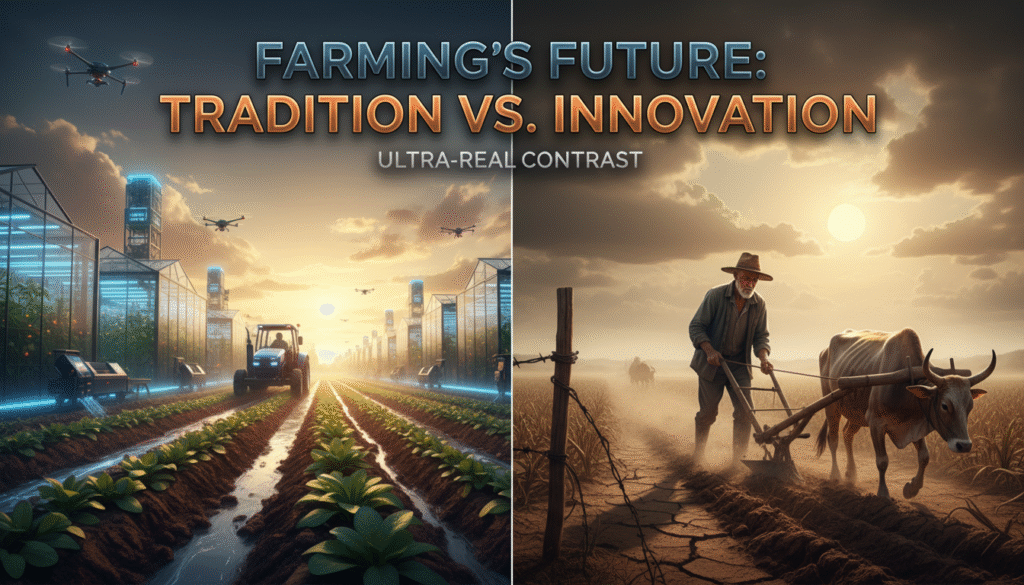
Income support linked to productivity, crop insurance instead of input giveaways, investment in irrigation and storage, and training programs can empower farmers without trapping them. These approaches build independence rather than dependency.
14. Policy Reforms That Can Break the Poverty Cycle
Governments must gradually shift from blanket subsidies to targeted, time-bound support. Policies should encourage innovation, sustainability, and market integration. Listening to farmers themselves is the most important reform of all.
15. Conclusion: Support Without Traps
Subsidies are not inherently bad, but poorly designed schemes can quietly keep farmers poor. True empowerment comes from policies that help farmers stand on their own feet rather than lean forever on government aid. If support is paired with opportunity, education, and fair markets, farmers can move from survival to prosperity.


OUAT Farmers Fair 2026: Helping Women Farmers Start Their Own Businesses and Moving Smart Agriculture Forward in India

India’s 2026 strategy for importing fertiliser: how India is making global supply chains stronger

The Effects of Global War on Farming in India: Why Prices Are Going Up and What Farmers Can Do

Digital Transformation in Agriculture: How Smart Technology is Changing the Way We Farm Today

The Truth About AI Stock Trading: An AI-Powered Trading Agent Turns ₹11 Lakh Into ₹40 Lakh Overnight

Organic Fertilizer Market Size and Forecast for 2026–2034: Trends in Growth, Future Demand, and Information on Sustainable Agriculture

Bharat-VISTAAR: India’s New AI Digital Platform Changing Farming for Millions of Farmers

Liberating Agriculture in Bharat: A Long-Term Future for Farmers Through Farming with Trees

FAO World Programme of Census of Agriculture 2030: A Global Data Revolution for the Future of Farming

India is running low on LPG in 2026, so hotels are switching to firewood as the government focuses on cooking gas for homes.

What Is the Best Climate for Saffron Cultivation?

Karnataka Budget 2026–27: Key Announcements, Infrastructure Plans, Welfare Schemes and Economic Impact
India is running low on LPG in 2026, so hotels are switching to firewood as the government focuses on cooking gas for homes.

Farming: ಹಳ್ಳಿಗಳಿಗೆ ಹಿಂದಿರುಗಿ ಕೃಷಿಯತ್ತ ಒಲವು ತೋರುತ್ತಿರುವ ವೃತ್ತಿಪರರು – ನಿಜವಾದ ಕಾರಣಗಳು ಮತ್ತು ಭವಿಷ್ಯದ ಜೀವನಶೈಲಿ

ಕೇಂದ್ರ ಬಜೆಟ್ 2026 ಕೃಷಿಕರಿಗೆ ಏನು ಕೊಡುಗೆ? ಭಾರತ್ ವಿಸ್ತಾರ್ AI ಪರಿಕರದಿಂದ ರೈತರಿಗೇನು ಲಾಭ?

Aadhar Model Smart Card To Farmers: ರೈತರಿಗೆ ಆಧಾರ್ ಮಾದರಿ ಸ್ಮಾರ್ಟ್ ಕಾರ್ಡ್ ಯೋಜನೆ – ಸಂಪೂರ್ಣ ಮಾಹಿತಿ, ಅನುಕೂಲತೆಗಳು ಮತ್ತು ನೋಂದಣಿ ವಿವರಗಳು

Sugar Shares Rally on Hopes of Higher Ethanol Blend Amid West Asia Crisis
FAO World Programme of Census of Agriculture 2030: A Global Data Revolution for the Future of Farming

ಮ್ಯೂಚುವಲ್ ಫಂಡ್ SIP ಮೂಲಕ 15 ವರ್ಷಗಳಲ್ಲಿ ₹10 ಕೋಟಿ ರೂಪಾಯಿ ಗಳಿಸುವುದು ಹೇಗೆ?
