


Innovative News
How to Start Mushroom Farming at Home?

Short Overview
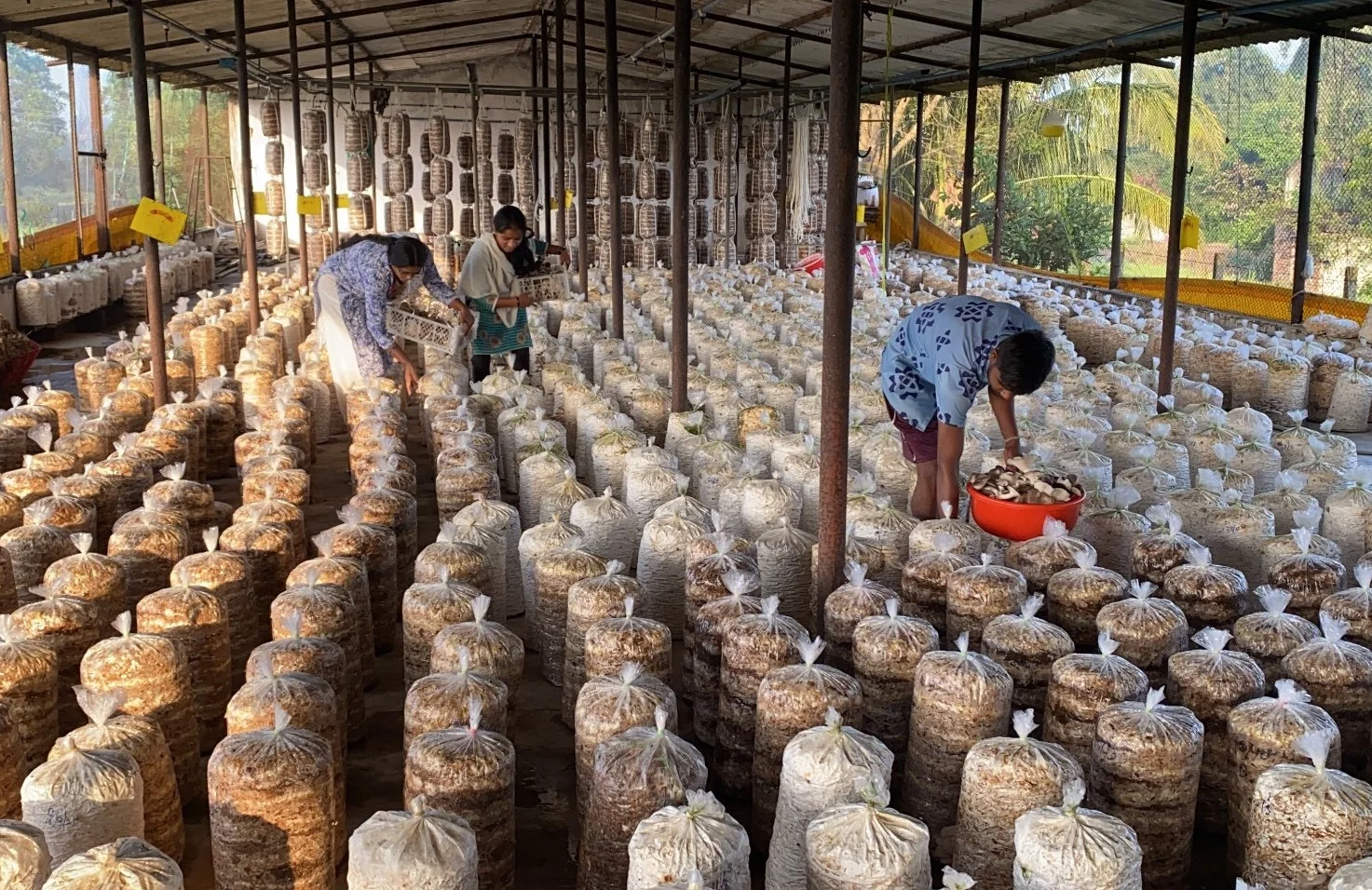
Mushroom farming at home is one of the easiest and most affordable ways to grow fresh, organic food without large land or heavy investment. With basic materials, little space, and simple care, anyone can start mushroom cultivation at home and enjoy healthy harvests within a few weeks while also creating an opportunity for extra income.
Learning how to start mushroom farming at home is a smart choice for beginners who want to grow healthy food and earn extra income. This detailed guide explains everything about home mushroom cultivation, including choosing the right mushroom type, preparing substrate, maintaining temperature and humidity, and harvesting fresh mushrooms successfully. You will learn simple indoor mushroom farming methods using low investment and minimal space. This guide is written in easy and understandable language, making it perfect for first-time growers. Whether you want to grow mushrooms for personal use or small business profit, this step-by-step mushroom farming guide will help you start confidently and avoid common mistakes while achieving better yield at home.

Table of Content
- Introduction to mushroom farming at home
- Why mushroom farming is perfect for beginners
- Types of mushrooms suitable for home farming
- Materials required for mushroom cultivation
- Step-by-step process to start mushroom farming at home
- Temperature, humidity, and light requirements
- Daily care and maintenance tips
- Harvesting mushrooms correctly
- Common mistakes to avoid
- Cost, yield, and profit potential
- Conclusion
Introduction to Mushroom Farming at Home
Mushroom farming at home is a modern and practical way to grow nutritious food in small spaces. Unlike traditional farming, mushrooms do not require soil, sunlight, or large land areas. They grow well indoors using agricultural waste materials such as straw, sawdust, or coco peat. Because of their fast growth cycle and high nutritional value, mushrooms have become popular among health-conscious families and beginner farmers. Home mushroom cultivation is especially suitable for people living in cities, apartments, or houses with limited outdoor space.
Why Mushroom Farming Is Perfect for Beginners
Mushroom farming is ideal for beginners because it requires low investment, minimal labor, and simple techniques. Anyone can start mushroom cultivation at home without prior farming experience. The process is clean, eco-friendly, and easy to manage. Mushrooms grow quickly, and you can harvest them within 20 to 40 days depending on the variety. This makes mushroom farming a rewarding activity that builds confidence and practical knowledge while producing fresh food for daily use.
Types of Mushrooms Suitable for Home Farming
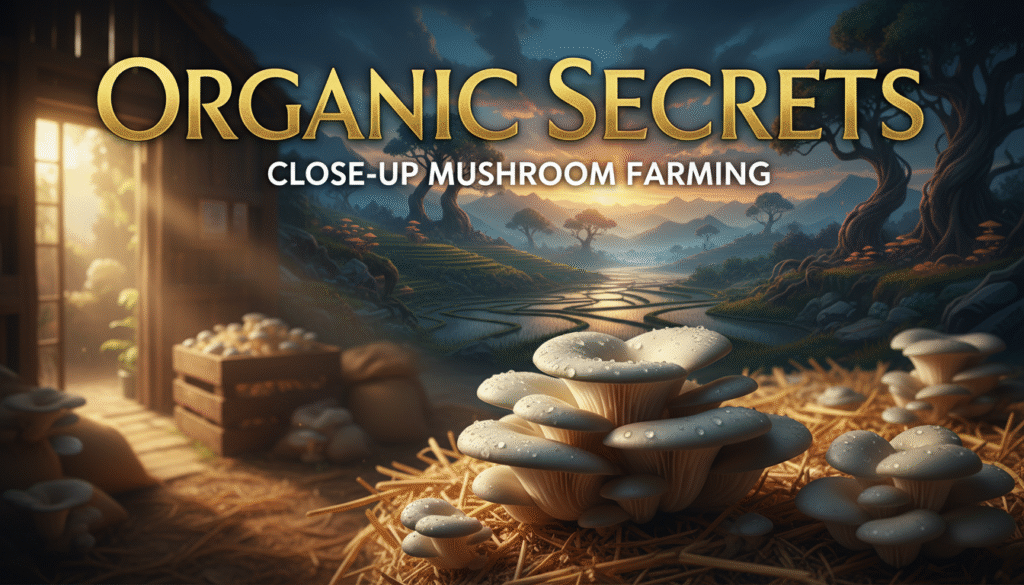
Choosing the right mushroom type is very important for successful home cultivation. Oyster mushrooms are the best choice for beginners because they grow fast, adapt well to indoor conditions, and require less maintenance. Button mushrooms are also popular but need more controlled temperature conditions. Milky mushrooms grow well in warm climates and are suitable for home growers with good ventilation. For first-time growers, oyster mushrooms are highly recommended because they are resistant to diseases and give good yield even with basic care.
Materials Required for Mushroom Cultivation
To start mushroom farming at home, you need a few basic materials that are easily available. These include mushroom spawn, clean straw or sawdust, plastic growing bags, clean water, and a simple indoor space such as a room, shelf, or balcony. The quality of spawn plays a major role in mushroom growth, so it is important to buy it from a reliable supplier. Cleanliness is very important throughout the process to avoid contamination and ensure healthy mushroom development.
Step-by-Step Process to Start Mushroom Farming at Home
Step One: Preparing the Substrate
The substrate is the material on which mushrooms grow. Straw is commonly used because it is affordable and easy to prepare. First, cut the straw into small pieces and soak it in clean water for several hours. After soaking, drain excess water and allow it to cool. This process helps soften the straw and remove harmful microorganisms that can affect mushroom growth.
Step Two: Filling the Growing Bags
Take clean plastic bags and make small holes for air circulation. Add a layer of prepared straw, then sprinkle mushroom spawn evenly on top. Repeat this layering process until the bag is full. Close the bag tightly and place it in a clean, dark, and well-ventilated area.
Step Three: Incubation Period
During incubation, the mushroom spawn spreads throughout the substrate. This stage usually takes 10 to 15 days. Keep the bags in a warm and dark place with moderate humidity. Avoid disturbing the bags during this time. Once the substrate turns white, it means the spawn has grown successfully.
Step Four: Initiating Mushroom Growth
After incubation, move the bags to a place with indirect light and good airflow. Light misting with water helps maintain humidity. Small mushroom buds will start appearing within a few days, which will grow rapidly into full mushrooms.
Temperature, Humidity, and Light Requirements
Mushrooms need specific environmental conditions to grow properly. Most home-grown mushrooms grow well at temperatures between 18°C and 30°C. Humidity should be maintained around 70 to 90 percent. Mushrooms do not need direct sunlight but require soft, indirect light for healthy growth. Maintaining proper ventilation prevents excess moisture and reduces the risk of fungal diseases.
Daily Care and Maintenance Tips
Daily care is simple but very important in mushroom farming. Spray clean water around the growing area to maintain humidity, but avoid direct watering on mushrooms. Keep the area clean and free from insects. Check for any signs of contamination such as bad smell or unusual colors. Proper hygiene ensures healthy mushroom growth and better yield.
Harvesting Mushrooms Correctly
Harvesting mushrooms at the right time improves taste and shelf life. Mushrooms should be harvested when caps are fully developed but still firm. Use clean hands or a sharp knife to gently twist and remove mushrooms from the base. Avoid pulling hard, as it can damage future growth. After harvesting, mushrooms can regrow from the same bag for multiple cycles.
Cost, Yield, and Profit Potential
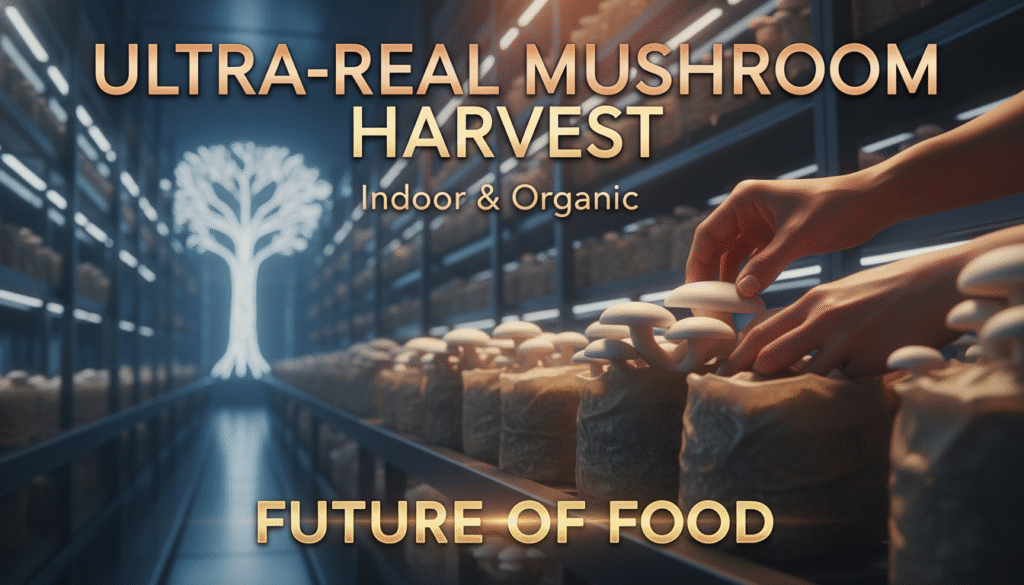
Mushroom farming at home requires very low investment, usually limited to spawn and basic materials. One small setup can produce several kilograms of mushrooms within a month. Home growers can save money by consuming fresh mushrooms and also earn extra income by selling surplus produce locally. With experience and proper care, mushroom farming can be expanded into a small home-based business.
Common Mistakes to Avoid
Many beginners make mistakes such as overwatering, poor ventilation, or using low-quality spawn. Maintaining cleanliness is crucial, as contamination can ruin the entire batch. Avoid exposing mushrooms to direct sunlight or extreme temperatures. Understanding these basics helps prevent losses and ensures consistent results.
Conclusion
Mushroom farming at home is a simple, rewarding, and sustainable activity that anyone can start with minimal resources. By following proper steps, maintaining cleanliness, and providing suitable environmental conditions, you can successfully grow fresh and healthy mushrooms indoors. Whether your goal is personal consumption or small-scale income, home mushroom cultivation offers a practical solution that combines health benefits, learning, and financial opportunity in one activity.


OUAT Farmers Fair 2026: Helping Women Farmers Start Their Own Businesses and Moving Smart Agriculture Forward in India

India’s 2026 strategy for importing fertiliser: how India is making global supply chains stronger

The Effects of Global War on Farming in India: Why Prices Are Going Up and What Farmers Can Do

Digital Transformation in Agriculture: How Smart Technology is Changing the Way We Farm Today

The Truth About AI Stock Trading: An AI-Powered Trading Agent Turns ₹11 Lakh Into ₹40 Lakh Overnight

Organic Fertilizer Market Size and Forecast for 2026–2034: Trends in Growth, Future Demand, and Information on Sustainable Agriculture

Bharat-VISTAAR: India’s New AI Digital Platform Changing Farming for Millions of Farmers

Liberating Agriculture in Bharat: A Long-Term Future for Farmers Through Farming with Trees

FAO World Programme of Census of Agriculture 2030: A Global Data Revolution for the Future of Farming

India is running low on LPG in 2026, so hotels are switching to firewood as the government focuses on cooking gas for homes.

What Is the Best Climate for Saffron Cultivation?

Karnataka Budget 2026–27: Key Announcements, Infrastructure Plans, Welfare Schemes and Economic Impact
India is running low on LPG in 2026, so hotels are switching to firewood as the government focuses on cooking gas for homes.

Farming: ಹಳ್ಳಿಗಳಿಗೆ ಹಿಂದಿರುಗಿ ಕೃಷಿಯತ್ತ ಒಲವು ತೋರುತ್ತಿರುವ ವೃತ್ತಿಪರರು – ನಿಜವಾದ ಕಾರಣಗಳು ಮತ್ತು ಭವಿಷ್ಯದ ಜೀವನಶೈಲಿ

ಕೇಂದ್ರ ಬಜೆಟ್ 2026 ಕೃಷಿಕರಿಗೆ ಏನು ಕೊಡುಗೆ? ಭಾರತ್ ವಿಸ್ತಾರ್ AI ಪರಿಕರದಿಂದ ರೈತರಿಗೇನು ಲಾಭ?

Aadhar Model Smart Card To Farmers: ರೈತರಿಗೆ ಆಧಾರ್ ಮಾದರಿ ಸ್ಮಾರ್ಟ್ ಕಾರ್ಡ್ ಯೋಜನೆ – ಸಂಪೂರ್ಣ ಮಾಹಿತಿ, ಅನುಕೂಲತೆಗಳು ಮತ್ತು ನೋಂದಣಿ ವಿವರಗಳು

Sugar Shares Rally on Hopes of Higher Ethanol Blend Amid West Asia Crisis
FAO World Programme of Census of Agriculture 2030: A Global Data Revolution for the Future of Farming

ಮ್ಯೂಚುವಲ್ ಫಂಡ್ SIP ಮೂಲಕ 15 ವರ್ಷಗಳಲ್ಲಿ ₹10 ಕೋಟಿ ರೂಪಾಯಿ ಗಳಿಸುವುದು ಹೇಗೆ?
