


Innovative News
Farm Automation Tools That Increase Profitability for Vegetable Growers

Short Overview
Farm automation is no longer a luxury for large farms. Today, even small and mid-size vegetable growers are using simple tools to reduce labor, save water, and increase yields. This blog explains how the right farm automation tools can directly improve profit, reduce waste, and make farming easier to manage.
Discover the best farm automation tools that increase profitability for vegetable growers by reducing labor costs, improving crop yield, and optimizing resource use. Learn how smart irrigation systems, precision farming technology, automated harvesting tools, and greenhouse automation can transform your vegetable farming business. This guide explains practical and easy-to-use solutions that help farmers save time, reduce water waste, and make better decisions using data. Whether you are a small-scale grower or managing large vegetable farms, these automation tools can help you increase efficiency and boost long-term profits. Start building a smarter, more productive, and profitable farming system today with the right automation strategies.

Table of Contents
- Introduction to Farm Automation
- Why Vegetable Growers Need Automation
- Types of Farm Automation Tools
- Smart Irrigation Systems
- Precision Farming Technology
- Automated Harvesting Tools
- Greenhouse Automation Systems
- Soil Monitoring and Sensors
- Drones in Vegetable Farming
- Cost vs Profit of Automation
- How to Choose the Right Tools
- Common Mistakes to Avoid
- Future of Farm Automation
- Conclusion
Introduction to Farm Automation
Farming has changed a lot in the last few years. Earlier, vegetable growers depended fully on manual work and guess-based decisions. Today, technology is helping farmers grow more with less effort. Farm automation means using tools and machines that can do tasks automatically or with very little human input.
This shift is important because labor is becoming expensive, weather patterns are changing, and competition is increasing. Farmers who adopt automation are able to stay ahead and earn more profit.
Why Vegetable Growers Need Automation
Vegetable farming is labor-intensive. From planting to watering, monitoring, and harvesting, every step requires time and effort. Many farmers struggle with rising costs and lower margins.
Automation solves these problems by reducing dependency on labor and improving efficiency. When tasks are automated, farmers can focus more on planning and scaling their business.
Another big advantage is consistency. Machines do not get tired or make random errors. This helps maintain quality and reduces crop loss.
Types of Farm Automation Tools
There are different types of automation tools available today. Some are simple and affordable, while others are more advanced. The main goal of all these tools is to save time, reduce cost, and increase output.
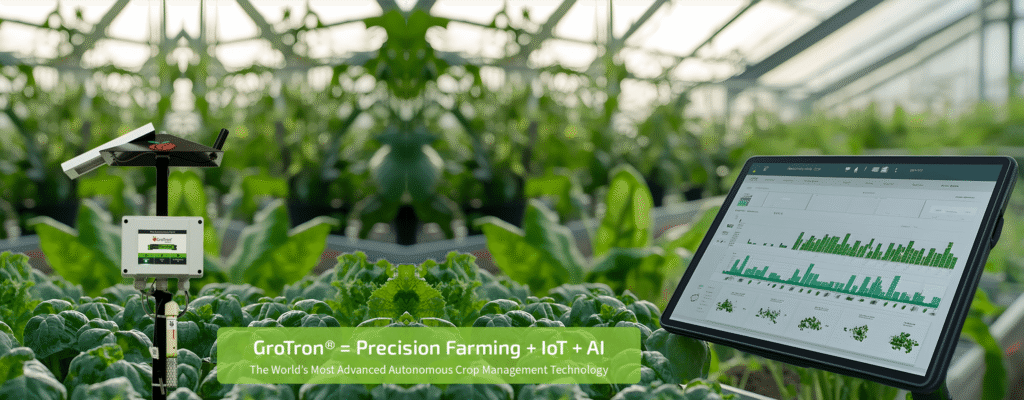
The most common tools include smart irrigation systems, soil sensors, drones, automated harvesters, and greenhouse control systems. Each tool plays a different role in improving farm productivity.
Smart Irrigation Systems
Water management is one of the biggest challenges in vegetable farming. Too much water can damage crops, while too little can reduce yield.
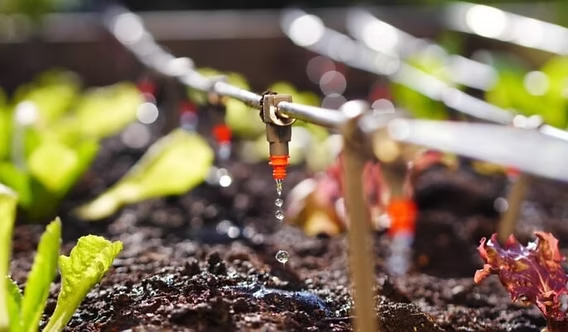
Smart irrigation systems solve this problem by using sensors and timers. These systems supply water only when needed and in the right quantity. This reduces water waste and improves plant health.
Farmers using smart irrigation often see better crop growth and lower water bills. Over time, this directly increases profitability.
Precision Farming Technology
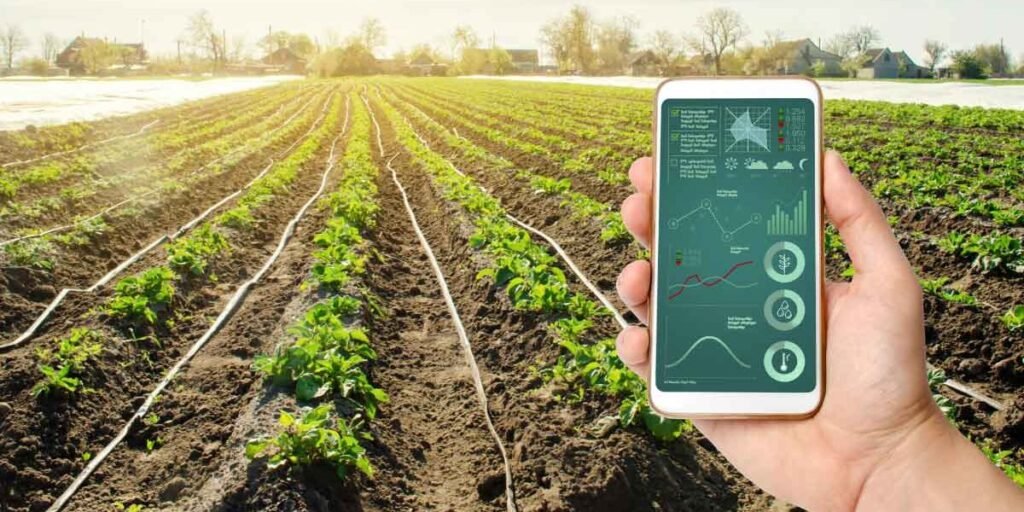
Precision farming is about making decisions based on data instead of guesswork. This includes using GPS, sensors, and software to monitor crop conditions.
For example, farmers can track soil moisture, temperature, and nutrient levels in real time. This helps them take quick action when needed.
Instead of treating the whole farm the same way, precision farming allows growers to focus on specific areas. This improves efficiency and reduces input costs.
Automated Harvesting Tools
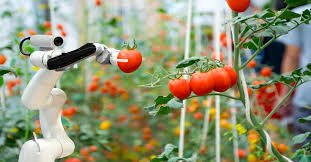
Harvesting vegetables is time-consuming and labor-heavy. Finding workers during peak seasons is also a major challenge.
Although the initial investment may be high, the long-term savings on labor costs make it worth it. Faster harvesting also means crops reach the market on time, which improves profits.
Greenhouse Automation Systems
Greenhouse farming is becoming popular among vegetable growers. It allows better control over growing conditions.
Automation takes greenhouse farming to the next level. Systems can control temperature, humidity, lighting, and ventilation automatically.
This creates the perfect environment for crops to grow. As a result, farmers can produce high-quality vegetables throughout the year.
Soil Monitoring and Sensors
Healthy soil is the foundation of good farming. But it is not always easy to understand soil conditions.
Soil sensors provide real-time data about moisture, nutrients, and pH levels. This helps farmers make better decisions about fertilization and irrigation.
Using this data, growers can avoid overuse of fertilizers and reduce costs. It also improves crop quality and yield.
Drones in Vegetable Farming
Drones are becoming more common in agriculture. They can cover large areas quickly and provide useful insights.
Farmers use drones to monitor crop health, detect pests, and assess damage. Some drones can even spray fertilizers and pesticides.
This saves time and reduces manual effort. It also ensures even application, which improves results.
Cost vs Profit of Automation
Many farmers hesitate to invest in automation because of the initial cost. But it is important to look at the long-term benefits.
Automation reduces labor costs, minimizes waste, and increases yield. Over time, these savings add up and improve profit margins.
In most cases, farmers recover their investment within a few seasons. After that, the tools continue to generate value.
How to Choose the Right Tools
Not every tool is suitable for every farm. Farmers should start by identifying their biggest challenges.
It is better to start small and gradually adopt more tools. This reduces risk and makes the transition easier.
Common Mistakes to Avoid
Many farmers make the mistake of adopting too many tools at once. This can lead to confusion and poor results.
Another common mistake is ignoring training. Even the best tools will not work properly if they are not used correctly.
Farmers should focus on understanding each tool and using it effectively before moving to the next one.
Future of Farm Automation
Farm automation is growing fast. New technologies are making tools more affordable and easier to use.
In the future, we can expect more AI-based systems that can predict crop problems before they happen. This will help farmers take preventive actions and reduce losses.
Automation will become a key part of farming, not just an option.
Conclusion
Farm automation is changing the way vegetable growers operate. It helps reduce costs, improve efficiency, and increase profits.
By using tools like smart irrigation, soil sensors, drones, and automated harvesting systems, farmers can make better decisions and grow healthier crops.
The key is to start with the right tools and focus on long-term benefits. With the right approach, automation can turn a struggling farm into a profitable business.


Farm Automation Tools That Increase Profitability for Vegetable Growers

Iran Israel War Latest News 2026: What’s Happening in West Asia and Why It Matters Globally
Smart Irrigation Systems Suitable for Water-Scarce Regions in India

Why India-Bound Iran Crude Oil Shipment Was Diverted to China: Full Story, Impact & What It Means for India

Best Software Platforms for Farm Management and Crop Monitoring in 2026

How to Implement IoT Solutions in Agriculture for Better Yields

New Income Tax Rules 2026: Complete Guide for Salaried Taxpayers in India

Best Smart Farming Tools for Small Farms in India

LPG Tankers from Strait of Hormuz Reach India: What It Means for Energy Security and Fuel Supply

Stock Market Crash 2026: Why Markets Fell Over 2% Amid Rising Crude Prices

India is running low on LPG in 2026, so hotels are switching to firewood as the government focuses on cooking gas for homes.

The Effects of Global War on Farming in India: Why Prices Are Going Up and What Farmers Can Do

Potato Farming Crisis in Uttar Pradesh: Causes, Challenges, and Solutions for Farmers

Fibre Optic Sensors in Agriculture: The Future of Smart Farming and Soil Monitoring

FAO World Programme of Census of Agriculture 2030: A Global Data Revolution for the Future of Farming

The Truth About AI Stock Trading: An AI-Powered Trading Agent Turns ₹11 Lakh Into ₹40 Lakh Overnight

India’s 2026 strategy for importing fertiliser: how India is making global supply chains stronger

Bharat-VISTAAR: India’s New AI Digital Platform Changing Farming for Millions of Farmers

Iran Israel US War 2026: What the Conflict in West Asia Means for Oil, World Stability, and Daily Life
