


Latest News
Contract Farming: Smart Business Move or Loss of Farmer Freedom?


Short Overview
Contract farming is often promoted as a win-win model for farmers and companies, but many farmers worry it could slowly take away their independence. This blog explains the reality behind contract farming, helping readers decide whether it is a smart business move or a hidden threat to farmer freedom.
Contract farming is changing modern agriculture by linking farmers directly with companies through pre-agreed contracts. This blog explains what contract farming is, how it works, its advantages and disadvantages, and whether it truly empowers farmers or limits their independence. Written in simple language, the article explores real-world impacts on income stability, market access, risk sharing, and farmer freedom. It also discusses legal safeguards, ethical concerns, and future possibilities of contract farming in developing and developed economies. Ideal for farmers, agribusiness professionals, students, and policymakers looking to understand the true potential and risks of contract farming.

Table of Contents
- Introduction to Contract Farming
- What Is Contract Farming and How It Works
- Why Contract Farming Is Growing Worldwide
- Types of Contract Farming Models
- Benefits of Contract Farming for Farmers
- How Agribusiness Companies Benefit
- Challenges and Risks Faced by Farmers
- Does Contract Farming Reduce Farmer Freedom?
- Legal and Ethical Issues in Contract Farming
- Role of Government and Policy Support
- Real-World Examples of Contract Farming
- Future of Contract Farming in Modern Agriculture
- Final Conclusion: Smart Business or Risky Trade-Off?
1. Introduction to Contract Farming
Agriculture has changed significantly over the last few decades. Farmers today face rising input costs, unpredictable weather, market instability, and limited access to fair prices. In this environment, contract farming has emerged as a structured system promising stability and assured income. However, behind this promise lies an important question—does contract farming truly help farmers, or does it slowly take away their freedom to make independent decisions?
2. What Is Contract Farming and How It Works
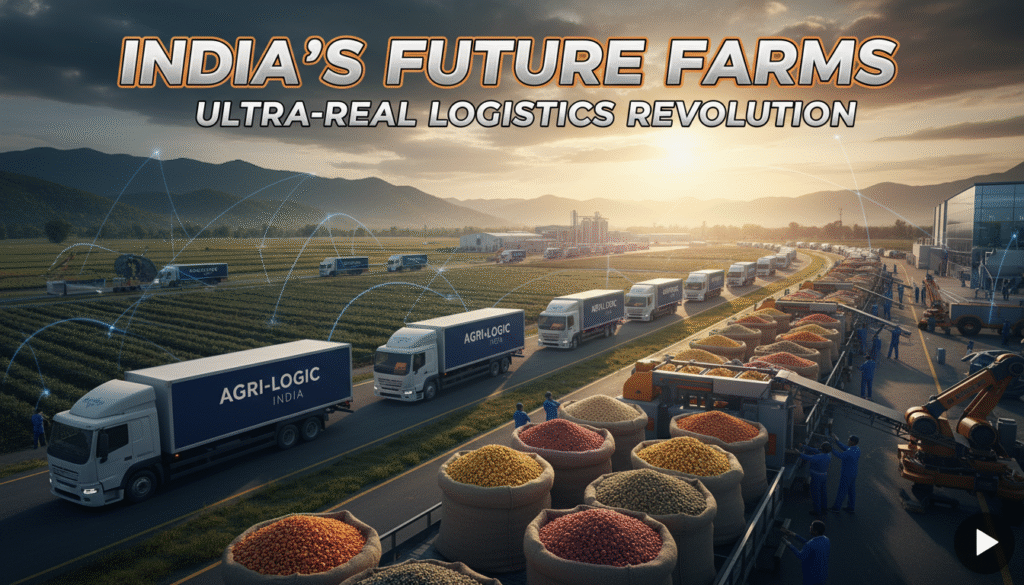
Contract farming is an agreement between farmers and buyers, usually agribusiness companies or food processors. In this agreement, farmers commit to producing specific crops or livestock according to agreed quality standards, quantity, and delivery time. In return, companies often provide inputs like seeds, fertilizers, technical guidance, and a pre-decided price.
This system reduces uncertainty for both sides. Farmers know who will buy their produce, and companies secure a steady supply of raw materials.
3. Why Contract Farming Is Growing Worldwide
The demand for consistent food quality and large-scale supply has increased globally. Supermarkets, exporters, and food processing industries prefer predictable sourcing. Contract farming fulfills this need while integrating small farmers into modern supply chains. It is also expanding due to government support, technological advancement, and growing consumer demand for traceable food production.
4. Types of Contract Farming Models
Different regions use different contract farming structures. In centralized models, companies directly manage contracts with farmers. In intermediary models, cooperatives or agents act as a bridge between farmers and buyers. Multipartite models involve government agencies, financial institutions, and private companies working together. Each model affects farmer control and risk differently.
5. Benefits of Contract Farming for Farmers
Contract farming offers farmers income stability by reducing price fluctuations. Access to high-quality inputs and modern farming techniques improves productivity. Farmers also benefit from reduced marketing stress, as they do not need to search for buyers. For small farmers, this system can open doors to global markets that would otherwise be unreachable.
6. How Agribusiness Companies Benefit
Companies benefit from assured supply, consistent quality, and lower procurement risks. Contract farming allows better planning, cost control, and reduced dependency on open markets. It also helps companies maintain food safety standards and traceability, which are critical in international trade.
7. Challenges and Risks Faced by Farmers
Despite its advantages, contract farming carries risks. Farmers may face unfair contract terms, delayed payments, or rejection of produce due to strict quality standards. Dependency on a single buyer increases vulnerability. If companies withdraw or change conditions, farmers may struggle to find alternative markets.
8. Does Contract Farming Reduce Farmer Freedom?
This is the most debated issue. While farmers technically remain landowners, contracts often restrict crop choice, farming methods, and selling options. Over time, farmers may lose decision-making power and bargaining strength. The fear is not immediate loss of freedom but gradual dependence that limits flexibility and innovation.
9. Legal and Ethical Issues in Contract Farming
Weak legal enforcement can leave farmers unprotected. Many contracts favor companies due to complex language and lack of transparency. Ethical concerns arise when power imbalances are exploited. Fair contracts, clear dispute resolution mechanisms, and farmer awareness are essential to prevent exploitation.
10. Role of Government and Policy Support
Governments play a crucial role in regulating contract farming. Policies should ensure transparent contracts, minimum price guarantees, and farmer education. Support systems like legal aid, insurance, and monitoring bodies can protect farmer interests while encouraging responsible agribusiness participation.
11. Real-World Examples of Contract Farming
In countries like India, Thailand, and Kenya, contract farming has helped farmers grow high-value crops like vegetables, poultry, and dairy products. However, there are also cases where farmers suffered losses due to unfair practices. These mixed outcomes show that success depends on implementation, not the model itself.
12. Future of Contract Farming in Modern Agriculture
The future of contract farming lies in balanced partnerships. Digital contracts, blockchain traceability, and farmer cooperatives can improve transparency and trust. If designed ethically, contract farming can empower farmers instead of controlling them.
13. Final Conclusion: Smart Business or Risky Trade-Off?
Contract farming is neither purely good nor completely harmful. It is a powerful tool that can stabilize farmer income and modernize agriculture, but it also carries risks of dependency and reduced freedom. The real question is not whether contract farming should exist, but how it should be regulated and practiced. With fair contracts, strong policies, and informed farmers, contract farming can become a smart business move without sacrificing farmer freedom.


OUAT Farmers Fair 2026: Helping Women Farmers Start Their Own Businesses and Moving Smart Agriculture Forward in India

India’s 2026 strategy for importing fertiliser: how India is making global supply chains stronger

The Effects of Global War on Farming in India: Why Prices Are Going Up and What Farmers Can Do

Digital Transformation in Agriculture: How Smart Technology is Changing the Way We Farm Today

The Truth About AI Stock Trading: An AI-Powered Trading Agent Turns ₹11 Lakh Into ₹40 Lakh Overnight

Organic Fertilizer Market Size and Forecast for 2026–2034: Trends in Growth, Future Demand, and Information on Sustainable Agriculture

Bharat-VISTAAR: India’s New AI Digital Platform Changing Farming for Millions of Farmers

Liberating Agriculture in Bharat: A Long-Term Future for Farmers Through Farming with Trees

FAO World Programme of Census of Agriculture 2030: A Global Data Revolution for the Future of Farming

India is running low on LPG in 2026, so hotels are switching to firewood as the government focuses on cooking gas for homes.

What Is the Best Climate for Saffron Cultivation?

Karnataka Budget 2026–27: Key Announcements, Infrastructure Plans, Welfare Schemes and Economic Impact
India is running low on LPG in 2026, so hotels are switching to firewood as the government focuses on cooking gas for homes.

Farming: ಹಳ್ಳಿಗಳಿಗೆ ಹಿಂದಿರುಗಿ ಕೃಷಿಯತ್ತ ಒಲವು ತೋರುತ್ತಿರುವ ವೃತ್ತಿಪರರು – ನಿಜವಾದ ಕಾರಣಗಳು ಮತ್ತು ಭವಿಷ್ಯದ ಜೀವನಶೈಲಿ

ಕೇಂದ್ರ ಬಜೆಟ್ 2026 ಕೃಷಿಕರಿಗೆ ಏನು ಕೊಡುಗೆ? ಭಾರತ್ ವಿಸ್ತಾರ್ AI ಪರಿಕರದಿಂದ ರೈತರಿಗೇನು ಲಾಭ?

Aadhar Model Smart Card To Farmers: ರೈತರಿಗೆ ಆಧಾರ್ ಮಾದರಿ ಸ್ಮಾರ್ಟ್ ಕಾರ್ಡ್ ಯೋಜನೆ – ಸಂಪೂರ್ಣ ಮಾಹಿತಿ, ಅನುಕೂಲತೆಗಳು ಮತ್ತು ನೋಂದಣಿ ವಿವರಗಳು

Sugar Shares Rally on Hopes of Higher Ethanol Blend Amid West Asia Crisis
FAO World Programme of Census of Agriculture 2030: A Global Data Revolution for the Future of Farming

ಮ್ಯೂಚುವಲ್ ಫಂಡ್ SIP ಮೂಲಕ 15 ವರ್ಷಗಳಲ್ಲಿ ₹10 ಕೋಟಿ ರೂಪಾಯಿ ಗಳಿಸುವುದು ಹೇಗೆ?
