


Benefits
Agriculture Loans: Growth Booster or Lifetime Debt Cycle?

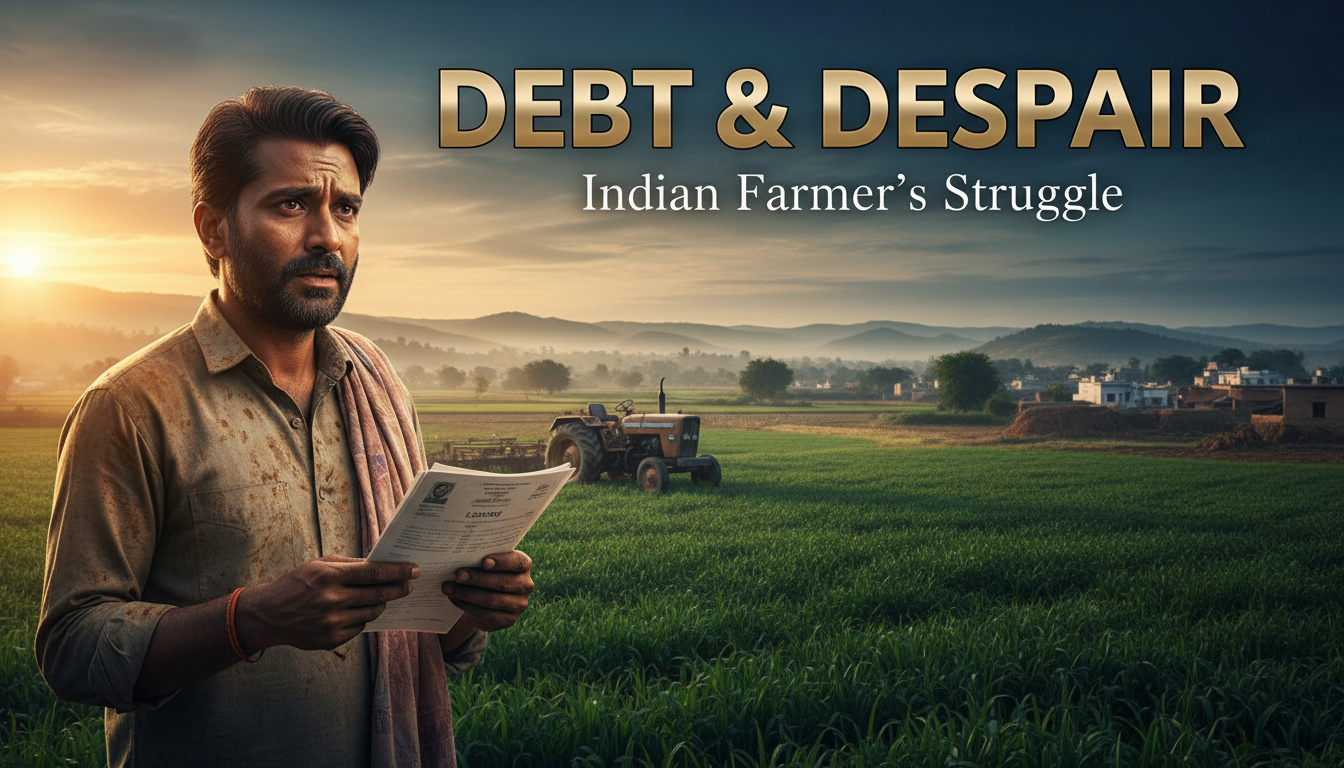
Short Overview
Agriculture loans are often seen as a lifeline for farmers, helping them buy seeds, equipment, and technology. But for many, these loans slowly turn into long-term financial pressure. This blog explores whether agriculture loans truly support farm growth or quietly trap farmers in a cycle of debt, using real-life perspectives, simple explanations, and practical insights.
Agriculture loans play a crucial role in supporting farmers, improving productivity, and modernizing farming practices. However, rising interest rates, unpredictable weather, and unstable crop prices often turn these loans into long-term financial burdens. This detailed guide explains how agriculture loans work, their benefits, hidden risks, real-life farmer experiences, and how debt cycles form. Learn how farmers can use loans wisely, avoid financial traps, and adopt sustainable strategies for long-term growth. If you want to understand whether agriculture loans are a true growth booster or a lifetime debt cycle, this guide offers clear, honest, and practical answers.

Table of Contents
- Introduction: Why Agriculture Loans Matter Today
- Understanding Agriculture Loans in Simple Terms
- Why Farmers Depend on Agriculture Loans
- Agriculture Loans as a Growth Booster
- When Agriculture Loans Turn Into a Debt Cycle
- Real-Life Impact on Farmers and Families
- Role of Banks, Governments, and Policies
- How Farmers Can Use Loans Wisely
- Sustainable Alternatives to Reduce Loan Dependency
- Future of Agriculture Financing
- Conclusion: Growth Tool or Debt Trap?
1. Introduction: Why Agriculture Loans Matter Today
Farming has never been easy, but modern agriculture comes with even higher costs. Seeds are expensive, fertilizers are costly, machinery prices keep rising, and climate uncertainty makes income unpredictable. In this environment, agriculture loans have become almost unavoidable. For many farmers, loans are not a choice but a necessity to keep farming alive.
2. Understanding Agriculture Loans in Simple Terms
An agriculture loan is money borrowed by farmers to support farming activities such as crop production, livestock management, irrigation systems, or purchasing equipment. These loans can be short-term for seasonal needs or long-term for infrastructure development. While the idea sounds simple, repayment depends heavily on weather, market prices, and yield quality, which are often beyond a farmer’s control.
3. Why Farmers Depend on Agriculture Loans
Farmers depend on loans because farming requires upfront investment long before income arrives. Crops take months to grow, and livestock takes years to mature. Without financial support, many farmers cannot afford seeds, labor, or tools. Agriculture loans help bridge this gap, making farming operations possible even when cash flow is limited.
4. Agriculture Loans as a Growth Booster
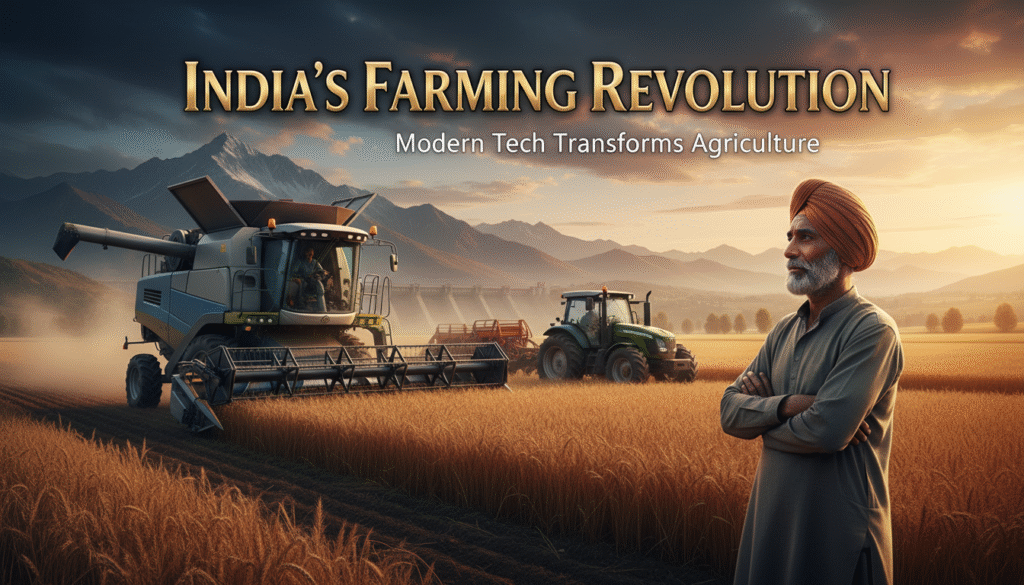
When used properly, agriculture loans can significantly improve productivity and income. Farmers can invest in better seeds, modern machinery, irrigation systems, and advanced farming techniques. These improvements can increase crop yields, reduce labor costs, and improve overall efficiency. For progressive farmers, loans act as a stepping stone toward sustainable growth and long-term profitability.
5. When Agriculture Loans Turn Into a Debt Cycle
The problem begins when crops fail, prices fall, or natural disasters strike. Loan repayments remain fixed, but farm income does not. Farmers often take new loans to repay old ones, slowly falling into a debt cycle. High interest rates, penalties, and lack of financial literacy worsen the situation, turning temporary support into lifelong financial stress.
6. Real-Life Impact on Farmers and Families
Debt affects more than finances; it impacts mental health, family stability, and social standing. Many farmers experience anxiety, stress, and fear of land loss. Families reduce essential spending, children leave school, and long-term dreams fade. The emotional cost of agriculture debt is often invisible but deeply damaging.

7. Role of Banks, Governments, and Policies
Banks and governments play a critical role in shaping agriculture finance. Subsidized interest rates, loan waivers, and insurance schemes aim to protect farmers. However, complicated processes, poor implementation, and lack of awareness prevent many farmers from benefiting fully. Better transparency and farmer-friendly policies are essential for meaningful change.
8. How Farmers Can Use Loans Wisely
Smart loan usage starts with realistic planning. Farmers should borrow only what they can reasonably repay and invest in income-generating improvements rather than short-term fixes. Understanding loan terms, interest rates, and repayment schedules is crucial. Financial literacy can turn agriculture loans into tools for growth instead of financial traps.
9. Sustainable Alternatives to Reduce Loan Dependency
Diversified income sources, organic farming, cooperative models, and government grants can reduce reliance on loans. Crop insurance, water conservation, and climate-smart practices also lower risk. When farmers focus on sustainability, they reduce vulnerability to unpredictable losses and financial pressure.
10. Future of Agriculture Financing
The future of agriculture financing lies in technology-driven solutions like digital lending, flexible repayment models, and data-based risk assessment. These systems can offer fairer interest rates and personalized financial support. With the right balance, agriculture loans can evolve into supportive financial partnerships rather than sources of stress.
11. Conclusion: Growth Tool or Debt Trap?
Agriculture loans are neither entirely good nor entirely bad. They are powerful tools that can boost growth when used wisely and supported by fair systems. However, without proper planning, education, and policy support, they can easily become lifelong debt cycles. The real solution lies in smarter borrowing, sustainable farming, and a financial system that truly understands farmers’ realities.


India’s 2026 strategy for importing fertiliser: how India is making global supply chains stronger

The Effects of Global War on Farming in India: Why Prices Are Going Up and What Farmers Can Do

Digital Transformation in Agriculture: How Smart Technology is Changing the Way We Farm Today

The Truth About AI Stock Trading: An AI-Powered Trading Agent Turns ₹11 Lakh Into ₹40 Lakh Overnight

Organic Fertilizer Market Size and Forecast for 2026–2034: Trends in Growth, Future Demand, and Information on Sustainable Agriculture

Bharat-VISTAAR: India’s New AI Digital Platform Changing Farming for Millions of Farmers

Liberating Agriculture in Bharat: A Long-Term Future for Farmers Through Farming with Trees

FAO World Programme of Census of Agriculture 2030: A Global Data Revolution for the Future of Farming

India is running low on LPG in 2026, so hotels are switching to firewood as the government focuses on cooking gas for homes.

The economy of Karnataka is doing better than the national average. The state’s growth rate is 12% for the second year in a row.

What Is the Best Climate for Saffron Cultivation?
India is running low on LPG in 2026, so hotels are switching to firewood as the government focuses on cooking gas for homes.

Farming: ಹಳ್ಳಿಗಳಿಗೆ ಹಿಂದಿರುಗಿ ಕೃಷಿಯತ್ತ ಒಲವು ತೋರುತ್ತಿರುವ ವೃತ್ತಿಪರರು – ನಿಜವಾದ ಕಾರಣಗಳು ಮತ್ತು ಭವಿಷ್ಯದ ಜೀವನಶೈಲಿ

Karnataka Budget 2026–27: Key Announcements, Infrastructure Plans, Welfare Schemes and Economic Impact

ಕೇಂದ್ರ ಬಜೆಟ್ 2026 ಕೃಷಿಕರಿಗೆ ಏನು ಕೊಡುಗೆ? ಭಾರತ್ ವಿಸ್ತಾರ್ AI ಪರಿಕರದಿಂದ ರೈತರಿಗೇನು ಲಾಭ?

Aadhar Model Smart Card To Farmers: ರೈತರಿಗೆ ಆಧಾರ್ ಮಾದರಿ ಸ್ಮಾರ್ಟ್ ಕಾರ್ಡ್ ಯೋಜನೆ – ಸಂಪೂರ್ಣ ಮಾಹಿತಿ, ಅನುಕೂಲತೆಗಳು ಮತ್ತು ನೋಂದಣಿ ವಿವರಗಳು

ಭಾರತ್-ವಿಸ್ತಾರ್ ಎಐ ಸಾಧನ: ರೈತರ ಕೃಷಿ ಸಮಸ್ಯೆಗೆ ಬೆರಳ ತುದಿಯಲ್ಲಿ ಎಐ ಪರಿಹಾರ | ಸಂಪೂರ್ಣ ಮಾಹಿತಿ

Sugar Shares Rally on Hopes of Higher Ethanol Blend Amid West Asia Crisis
FAO World Programme of Census of Agriculture 2030: A Global Data Revolution for the Future of Farming
