


Innovative News
Agri and Dairy Protection in India-US Trade Deal: A Strong Step Toward Self-Reliant India

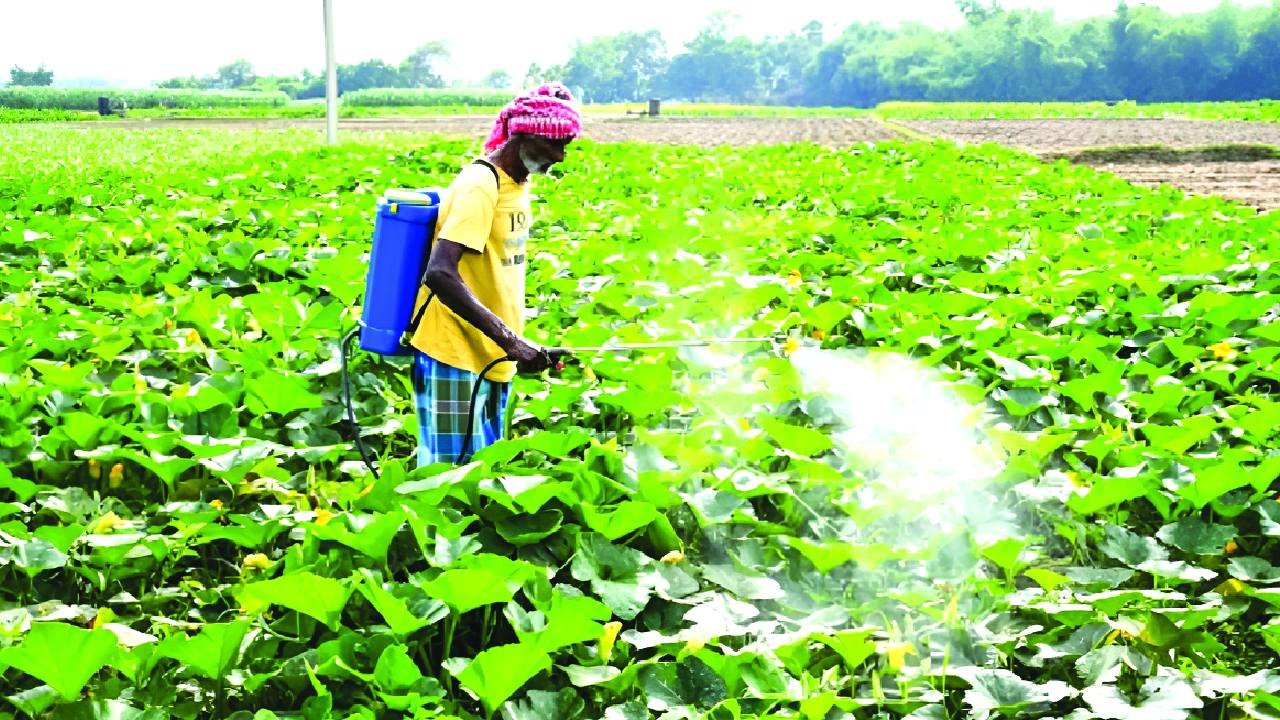
Short Overview
India’s interim trade agreement with the United States is being seen as a diplomatic success, but its real achievement lies in what it chose to protect rather than what it opened. By keeping agriculture and dairy out of sweeping tariff concessions, India has safeguarded farmers, rural livelihoods, and long-term food security while still strengthening its global trade position.

India’s protection of agriculture and dairy sectors in the India-US trade deal marks a strategic step toward self-reliant growth. By shielding farmers from unfair competition while enabling preferential export access to the US market, the agreement balances global trade ambitions with domestic food security. This approach safeguards rural livelihoods, prevents price shocks, and supports sustainable agricultural development. Learn why agri and dairy protection is a long-term win for Indian farmers, exporters, and the economy, and how it reflects India’s calibrated trade strategy in an uncertain global environment.
Table of Contents
- Introduction: Why the India-US Trade Deal Matters
- Agriculture and Dairy: The Backbone of India’s Rural Economy
- Why These Sectors Are Red Lines in Trade Negotiations
- Understanding the Interim India-US Trade Framework
- Protecting Farmers from Unfair Global Competition
- The Political Sensitivity of Agriculture and Dairy in India
- Lessons from India’s Exit from RCEP
- Preferential Market Access Instead of Import Liberalisation
- Strengthening Exports Without Weakening Domestic Production
- Trade Strategy in a Fragmented Global Economy
- How This Deal Supports Atmanirbhar Bharat
- Long-Term Impact on Indian Farmers and Agri-Industries
- What This Means for India-US Relations
- Challenges That Still Remain
- Conclusion: A Balanced and Sustainable Trade Path
1. Introduction: Why the India-US Trade Deal Matters
The recent interim trade agreement between India and United States marks an important moment in the evolving economic relationship between the two countries. While trade negotiations often focus on tariff reductions and market access, this agreement stands out because of what India deliberately chose to shield. Agriculture and dairy, two of the most sensitive sectors in the Indian economy, were kept protected, sending a clear message about India’s development priorities.
2. Agriculture and Dairy: The Backbone of India’s Rural Economy
Agriculture and dairy are not just sectors of economic activity in India; they are the foundation of rural life. Millions of small and marginal farmers depend on farming and milk production for daily income and food security. Unlike industrial sectors, these livelihoods are deeply tied to land, climate, local markets, and community structures. Any sudden exposure to large-scale global competition can disrupt this fragile balance and push farmers into distress.

3. Why These Sectors Are Red Lines in Trade Negotiations
India has historically treated agriculture and dairy as non-negotiable areas in trade talks. The reason is simple: countries like the US have highly subsidised agri-businesses that operate at massive scale. If Indian markets were opened without safeguards, domestic farmers would be forced to compete with artificially cheap imports. Such competition is not fair and could lead to price crashes, loss of income, and long-term dependency on imports.
4. Understanding the Interim India-US Trade Framework
Under the interim framework, India ensured that dairy products, fruits, vegetables, spices, and key grains were ring-fenced from broad tariff concessions. Commerce Minister Piyush Goyal publicly highlighted that these protections are meant to safeguard domestic farmers while strengthening India’s position in global trade. Instead of opening markets through imports, the agreement focuses on expanding export opportunities for Indian produce.
5. Protecting Farmers from Unfair Global Competition
Indian farmers largely operate at subsistence or near-subsistence levels. They do not receive the same level of state subsidies, technological support, or infrastructure benefits that farmers in developed economies enjoy. Allowing heavily subsidised foreign dairy and agricultural products into the Indian market would distort prices and threaten local production systems. By maintaining protective barriers, India has ensured stability in rural incomes.
6. The Political Sensitivity of Agriculture and Dairy in India
Agriculture and dairy are politically sensitive sectors because they directly affect a large portion of the population. Farmer protests, rural distress, and food price inflation can quickly turn into national issues. Any trade decision that threatens farmer incomes risks social unrest and political backlash. This reality shapes India’s cautious and calibrated approach to trade negotiations involving farm sectors.
7. Lessons from India’s Exit from RCEP
India’s withdrawal from the Regional Comprehensive Economic Partnership in 2019 remains a key reference point. The government feared that cheaper agricultural and dairy imports from member countries could harm domestic producers. The current India-US trade framework reflects those lessons by avoiding similar risks while still engaging with a major global economy.
8. Preferential Market Access Instead of Import Liberalisation
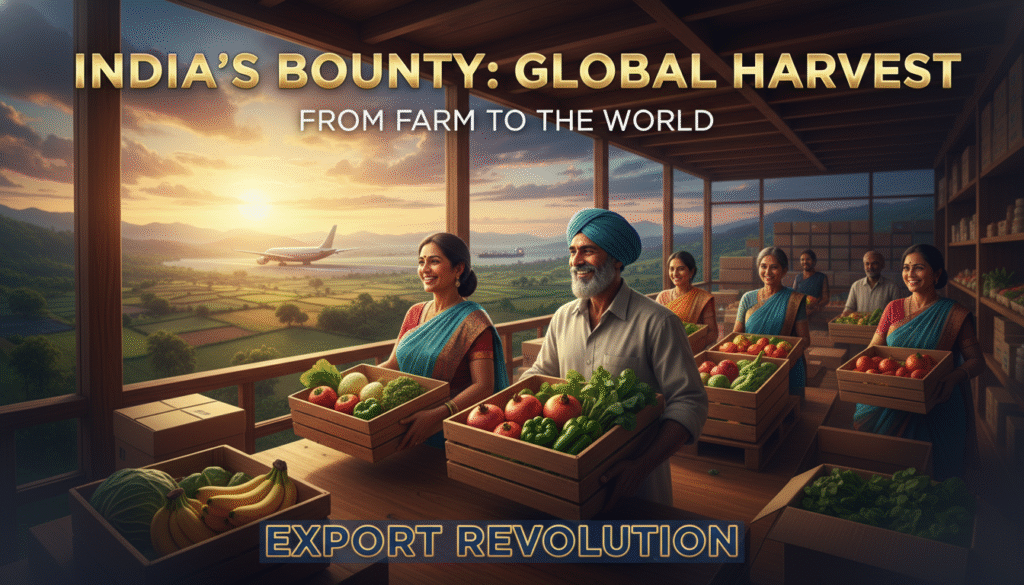
Rather than opening domestic markets, the interim deal emphasises preferential access for Indian agricultural products in the US market. This approach allows Indian farmers and agri-exporters to tap into one of the world’s largest consumer markets without facing the downside of import competition at home. It aligns with India’s goal of export-led growth while preserving domestic food systems.
9. Strengthening Exports Without Weakening Domestic Production
The agreement encourages Indian producers to scale up quality, processing, and value addition for exports. At the same time, it avoids creating pressure on local prices and supply chains. This balance is crucial because export growth should complement domestic needs rather than undermine them. By focusing on selective and strategic integration, India maintains control over its agricultural future.
10. Trade Strategy in a Fragmented Global Economy
Global trade is becoming increasingly uncertain due to geopolitical tensions, supply chain disruptions, and rising protectionism. In this environment, India’s cautious approach appears pragmatic rather than defensive. The interim deal creates space for trust-building with the US while protecting sensitive sectors, allowing India to adapt gradually to changing global conditions.
11. How This Deal Supports Atmanirbhar Bharat
The agreement reinforces the vision of Atmanirbhar Bharat by strengthening domestic capacity before deeper global integration. Self-reliance does not mean isolation; it means building resilience at home so that global engagement happens on fair and sustainable terms. Protecting agriculture and dairy is a practical expression of this philosophy.
12. Long-Term Impact on Indian Farmers and Agri-Industries
In the long run, the deal can help farmers benefit from global demand without exposing them to sudden shocks. Agri-based industries, cooperatives, and exporters stand to gain from improved access to international markets. At the same time, rural employment and food security remain protected, ensuring balanced growth across regions.
13. What This Means for India-US Relations
By respecting India’s sensitivities, the US has demonstrated flexibility in negotiations. This sets a positive tone for future trade talks across other sectors like technology, manufacturing, and services. The agreement shows that strategic partnerships can progress without forcing vulnerable sectors into premature competition.
14. Challenges That Still Remain
Despite the positives, challenges remain in improving productivity, infrastructure, and competitiveness within India’s agricultural sector. Protection alone is not enough; continued investment in technology, storage, logistics, and farmer education is essential. The trade framework provides breathing room, but domestic reforms must continue.
15. Conclusion: A Balanced and Sustainable Trade Path
India’s decision to protect agriculture and dairy in the India-US trade deal is not a retreat from globalisation but a thoughtful step toward sustainable integration. By prioritising farmer welfare, food security, and rural livelihoods, India has shown that trade policy can be both strategic and humane. This approach strengthens the foundation of self-reliant India while keeping the door open to global opportunities on India’s own terms.


2025ರ ವಾಣಿಜ್ಯ ಧಾನ್ಯ ಕೃಷಿಯ ಹೊಸ ಆವಿಷ್ಕಾರಗಳು: ಸ್ಮಾರ್ಟ್ ನೀರಾವರಿ, ಗೊಬ್ಬರ ಮತ್ತು ಪ್ರೆಸಿಷನ್ ಸ್ಪ್ರೇಯರ್ಗಳು

ಕಬ್ಬು ಬೆಳೆಯಲು ಸೂಕ್ತ ಸಲಹೆಗಳು – ಹೆಚ್ಚಿನ ಇಳುವರಿ ಮತ್ತು ಲಾಭಕ್ಕಾಗಿ ಸಂಪೂರ್ಣ ಮಾರ್ಗದರ್ಶಿ

ಕೇಸರಿ (Saffron) ಬೆಳೆಯಲು ಅತ್ಯುತ್ತಮ ಹವಾಮಾನ ಯಾವುದು?

ಕೇಸರಿ ಕೃಷಿಗೆ ಎಷ್ಟು ಹೂಡಿಕೆ ಅಗತ್ಯವಿದೆ?

Agri and Dairy Protection in India-US Trade Deal: A Strong Step Toward Self-Reliant India

Union Budget 2026–27 Agriculture Initiatives: Transforming Indian Farming for Global Markets

What Are the Best Mushrooms to Grow for Profit?

Budget 2026 Agriculture Policy: Push for High-Value Crops but Farmers Still Struggle

Climate Smart Agriculture in Europe: Why Supporting Farmers Is the Key to a Resilient Food Future
How to Start Kesari (Saffron) Farming in India?

Why Are So Many Polyhouse Projects Failing in India?

Canal Water in Punjab Agriculture: How Reaching the Last Field Is Transforming Farming, Saving Groundwater, and Building a Sustainable Future

What Is the Investment Required for Mushroom Farming?

Should Small Farmers Stop Growing Water-Hungry Crops Completely?

Union Budget 2026 Agriculture Industry Demands: Tax Relief, Biofuel Push and Strong Infrastructure Support

Union Budget 2026 Fertiliser Reforms: Strengthening India’s Fertiliser Backbone for Sustainable Agriculture

Natural Farming in India: Benefits, Challenges, and the Way Forward for Sustainable Agriculture

Is Dairy Farming Still the Safest Side Income for Crop Farmers?

How Modi Government’s National Mission on Sustainable Agriculture Is Future-Proofing Indian Farming
