


Government Schemes
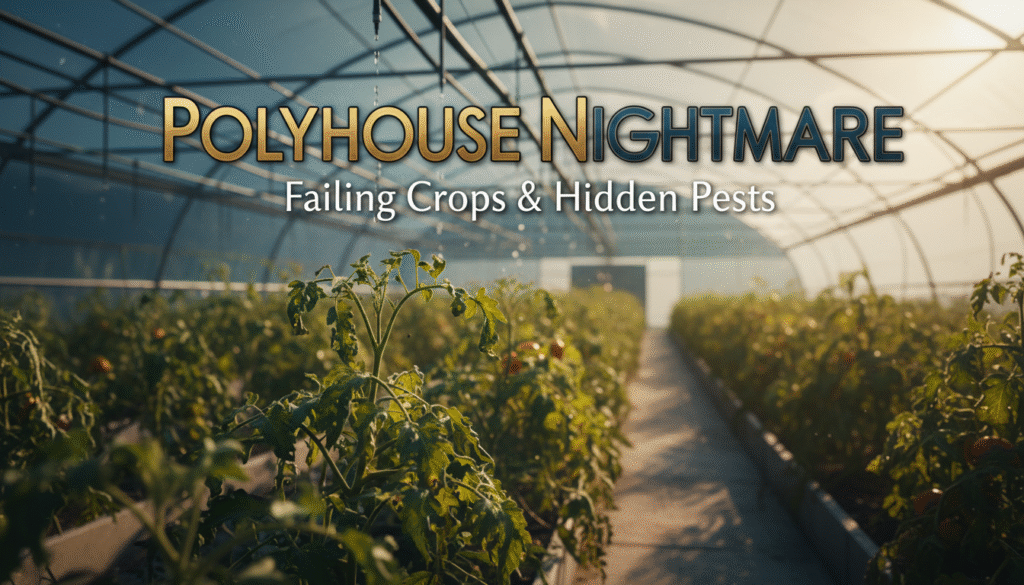
Why Are So Many Polyhouse Projects Failing in India?


Short Overview
Across India, thousands of farmers invested their savings and loans into polyhouse farming with hopes of higher yields and stable income. Yet, many polyhouse projects fail within two to three years. This blog explains why polyhouse projects are failing in India, what mistakes are commonly made, and how farmers can avoid them to build sustainable protected cultivation businesses.
Why are so many polyhouse projects failing in India despite government subsidies and modern technology? This in-depth blog explains the real reasons behind polyhouse farming failure in India, including poor planning, wrong crop selection, lack of technical knowledge, high maintenance costs, market risks, and unrealistic profit expectations. Learn how farmers lose money in polyhouse farming, common mistakes made during setup, and practical solutions to reduce risks. This guide helps farmers, agripreneurs, and investors understand how to make polyhouse farming sustainable and profitable in India with smart planning and proper execution.

Table of Contents
- Introduction: The Reality Behind Polyhouse Failures
- Understanding Polyhouse Farming in India
- Overestimated Profit Expectations
- Poor Planning and Wrong Project Reports
- Lack of Technical Knowledge and Training
- Wrong Crop Selection for Local Climate
- Poor Quality Construction and Materials
- High Maintenance and Operational Costs
- Market Access and Price Fluctuation Issues
- Government Subsidy Myths and Delays
- Water, Power, and Climate Control Challenges
- Pest, Disease, and Crop Management Failures
- Financial Mismanagement and Loan Pressure
- Lack of Professional Monitoring and Support
- Psychological Stress and Farmer Burnout
- How Successful Polyhouse Farmers Do It Differently
- Practical Solutions to Reduce Polyhouse Failure
- Future of Polyhouse Farming in India
- Conclusion: Learning Before Investing
Introduction: The Reality Behind Polyhouse Failures
Polyhouse farming is often promoted as a miracle solution for increasing farm income in India. Government advertisements, consultants, and success stories show high profits and export-quality vegetables. However, the reality on the ground is very different. Many farmers quietly shut down their polyhouses after suffering heavy financial losses. The gap between promise and performance is the main reason polyhouse projects are failing across the country.
Understanding Polyhouse Farming in India
Polyhouse farming is a form of protected cultivation where crops are grown under a controlled environment using plastic sheets, irrigation systems, and climate regulation tools. While the concept is sound, its success depends on precise management, local climate understanding, and market planning. In India, polyhouse technology is often copied blindly without adapting it to regional conditions, which creates long-term problems for farmers.
Overestimated Profit Expectations
One of the biggest reasons polyhouse projects fail is unrealistic income expectations. Many farmers are told they will earn double or triple their income within one year. These expectations are often based on best-case scenarios rather than average conditions. When yields drop or prices fall, farmers feel cheated and lose confidence, leading to abandonment of the project.
Poor Planning and Wrong Project Reports
Most polyhouse projects start with poorly prepared project reports. Consultants focus on subsidy approval rather than long-term viability. Factors like soil health, water quality, local demand, logistics, and climate risks are ignored. Without a realistic business plan, farmers enter polyhouse farming without understanding operational challenges, resulting in financial stress.
Lack of Technical Knowledge and Training
Polyhouse farming requires daily monitoring, technical skills, and decision-making. Many farmers receive only basic training or none at all. Without proper knowledge of fertigation, pruning, pest management, and climate control, even small mistakes can lead to crop failure. The absence of hands-on guidance is a major contributor to failure.
Wrong Crop Selection for Local Climate
Choosing crops unsuitable for the local climate is a silent killer of polyhouse projects. Farmers often grow tomatoes, capsicum, or cucumbers because others are doing so. However, temperature, humidity, and disease pressure vary by region. When crops fail repeatedly, farmers are unable to recover their investment.
Poor Quality Construction and Materials
In many cases, polyhouses are constructed using low-quality materials to reduce costs or increase contractor margins. Weak structures, inferior plastic sheets, and faulty irrigation systems lead to frequent repairs. During heavy rains, winds, or heat waves, such polyhouses collapse or underperform, causing major losses.
High Maintenance and Operational Costs
Running a polyhouse involves continuous expenses such as fertilizers, pesticides, labor, electricity, water, and repairs. These costs are often underestimated during planning. When income does not match expenses, farmers are forced to borrow more money, pushing the project into a debt trap.
Market Access and Price Fluctuation Issues
Even when production is good, selling the produce profitably is a challenge. Polyhouse vegetables often face price crashes during peak seasons. Lack of direct market access, cold storage, and transport facilities forces farmers to sell at low prices. Without assured buyers, profitability becomes unpredictable.
Government Subsidy Myths and Delays
Government subsidies attract many farmers into polyhouse farming, but the process is slow and complex. Delays in subsidy disbursement create cash flow problems. In some cases, farmers build polyhouses expecting subsidies that never arrive, leaving them burdened with full project costs.
Water, Power, and Climate Control Challenges
Polyhouse farming depends heavily on consistent water supply and electricity. Power cuts, poor water quality, or inadequate pressure damage irrigation and cooling systems. Climate control failures during extreme weather events can destroy entire crops within days.
Pest, Disease, and Crop Management Failures
Protected cultivation does not mean pest-free farming. In fact, pests and diseases can spread faster inside polyhouses if not managed properly. Many farmers lack integrated pest management knowledge, leading to excessive chemical use and crop rejection by markets.
Financial Mismanagement and Loan Pressure
Polyhouse projects are capital-intensive and often funded through bank loans. Poor cash flow management, delayed income, and rising expenses increase loan pressure. When repayments become difficult, farmers experience mental stress and may abandon the project altogether.
Lack of Professional Monitoring and Support
Most farmers are left alone after project installation. Consultants disappear once payments are made. Without ongoing technical support, farmers struggle to troubleshoot problems. Successful polyhouse farming requires continuous expert guidance, which is rarely available.
Psychological Stress and Farmer Burnout
Constant monitoring, financial pressure, and fear of crop failure take a toll on mental health. Many farmers feel isolated and overwhelmed. Emotional burnout is an overlooked but critical reason why polyhouse projects fail silently.
How Successful Polyhouse Farmers Do It Differently
Farmers who succeed treat polyhouse farming as a business, not a shortcut to wealth. They start small, learn gradually, invest in training, and focus on market demand before planting. Their success comes from discipline, planning, and adaptability rather than luck.
Practical Solutions to Reduce Polyhouse Failure
Polyhouse success depends on proper training, realistic planning, quality construction, crop diversification, market linkage, and continuous learning. Farmers should seek multiple expert opinions, visit successful projects, and avoid rushing into large investments without experience.
Future of Polyhouse Farming in India
Despite current failures, polyhouse farming has strong potential in India. With climate change affecting open-field farming, protected cultivation will become more important. The key lies in correcting mistakes and building farmer-centric support systems.
Conclusion: Learning Before Investing
Polyhouse farming is not a guaranteed profit machine. It is a high-risk, high-skill agricultural system that demands patience, planning, and professionalism. Most polyhouse projects fail not because the technology is wrong, but because execution is poor. Farmers who invest time in learning before investing money are the ones who succeed in the long run.


India GDP Growth 7.6% in FY26: New GDP Series Upgrades Growth but Lowers Economy Size

India Missing Out on Big Agriculture Export Opportunity: Path to $100 Billion by 2030

ಮ್ಯೂಚುವಲ್ ಫಂಡ್ SIP ಮೂಲಕ 15 ವರ್ಷಗಳಲ್ಲಿ ₹10 ಕೋಟಿ ರೂಪಾಯಿ ಗಳಿಸುವುದು ಹೇಗೆ?

Aadhar Model Smart Card To Farmers: ರೈತರಿಗೆ ಆಧಾರ್ ಮಾದರಿ ಸ್ಮಾರ್ಟ್ ಕಾರ್ಡ್ ಯೋಜನೆ – ಸಂಪೂರ್ಣ ಮಾಹಿತಿ, ಅನುಕೂಲತೆಗಳು ಮತ್ತು ನೋಂದಣಿ ವಿವರಗಳು

ಕೇಂದ್ರ ಬಜೆಟ್ 2026 ಕೃಷಿಕರಿಗೆ ಏನು ಕೊಡುಗೆ? ಭಾರತ್ ವಿಸ್ತಾರ್ AI ಪರಿಕರದಿಂದ ರೈತರಿಗೇನು ಲಾಭ?

Farming: ಹಳ್ಳಿಗಳಿಗೆ ಹಿಂದಿರುಗಿ ಕೃಷಿಯತ್ತ ಒಲವು ತೋರುತ್ತಿರುವ ವೃತ್ತಿಪರರು – ನಿಜವಾದ ಕಾರಣಗಳು ಮತ್ತು ಭವಿಷ್ಯದ ಜೀವನಶೈಲಿ

What Is the Best Climate for Saffron Cultivation?

ಕಾವೇರಿ 2.0 ಆಸ್ತಿ ನೋಂದಣಿ: 10 ನಿಮಿಷದಲ್ಲಿ ಸಂಪೂರ್ಣ ಕಾಗದರಹಿತ ಆಸ್ತಿ ನೋಂದಣಿ – ಅರ್ಜಿ ಸಲ್ಲಿಕೆ, ಲಾಭಗಳು & ಸಂಪೂರ್ಣ ಮಾರ್ಗದರ್ಶಿ

ಭಾರತ್-ವಿಸ್ತಾರ್ ಎಐ ಸಾಧನ: ರೈತರ ಕೃಷಿ ಸಮಸ್ಯೆಗೆ ಬೆರಳ ತುದಿಯಲ್ಲಿ ಎಐ ಪರಿಹಾರ | ಸಂಪೂರ್ಣ ಮಾಹಿತಿ

Bengaluru in Trouble: ಐಟಿ ಬಿದ್ದರೆ ಬೆಂಗಳೂರು ಬೀಳುತ್ತೆ – ಸಂಕಷ್ಟದಲ್ಲಿ ನಮ್ಮ ಬೆಂಗಳೂರು

What Is the Investment Required for Mushroom Farming?

What Are the Best Mushrooms to Grow for Profit?

Union Budget 2026–27 Agriculture Initiatives: Transforming Indian Farming for Global Markets

Budget 2026 Agriculture Policy: Push for High-Value Crops but Farmers Still Struggle

ಭಾರತದಲ್ಲಿ ಮಣ್ಣಿನ ಆರೋಗ್ಯ: ಸುಸ್ಥಿರ ಕೃಷಿ ಮತ್ತು ಆಹಾರ ಭದ್ರತೆಗೆ ಅಡಿಪಾಯ

2025ರ ವಾಣಿಜ್ಯ ಧಾನ್ಯ ಕೃಷಿಯ ಹೊಸ ಆವಿಷ್ಕಾರಗಳು: ಸ್ಮಾರ್ಟ್ ನೀರಾವರಿ, ಗೊಬ್ಬರ ಮತ್ತು ಪ್ರೆಸಿಷನ್ ಸ್ಪ್ರೇಯರ್ಗಳು

ಕೇಸರಿ ಕೃಷಿಗೆ ಎಷ್ಟು ಹೂಡಿಕೆ ಅಗತ್ಯವಿದೆ?
ಕೇಸರಿ (Saffron) ಬೆಳೆಯಲು ಅತ್ಯುತ್ತಮ ಹವಾಮಾನ ಯಾವುದು?
How to Start Kesari (Saffron) Farming in India?
