


live news
Why India-Bound Iran Crude Oil Shipment Was Diverted to China: Full Story, Impact & What It Means for India

Short Overview
A recent incident involving an Iran crude oil shipment originally bound for India but later redirected to China has raised questions about global oil trade dynamics, geopolitical influence, and India’s energy security. This blog explains the situation in simple, human-friendly language while exploring its deeper implications for India, China, and the global oil market.
Discover why an Iran crude oil shipment originally bound for India was rerouted to China mid-voyage. Learn the real reasons behind this global oil trade shift, India’s response, China’s strategic advantage, and its impact on energy security, fuel prices, and future oil imports. This in-depth guide explains everything in simple language, helping you understand geopolitical influences, economic implications, and how such events shape India’s energy strategy. Stay informed with expert insights designed to improve your understanding of global oil markets and their effect on India’s economy and consumers.

Table of Contents
- Introduction
- What Happened: The Oil Shipment Story
- Why the Shipment Was Rerouted to China
- India’s Response to the Situation
- Understanding Global Oil Trade Dynamics
- Iran’s Role in the Global Oil Market
- China’s Strategic Advantage in Oil Deals
- Impact on India’s Energy Security
- Geopolitical Factors Behind the Move
- Economic Implications for India
- What This Means for Future Oil Imports
- Key Takeaways for Businesses and Consumers
- Conclusion
Introduction
In today’s interconnected world, even a single oil shipment can reveal a lot about global politics, trade relationships, and economic priorities. Recently, an Iran crude oil shipment that was expected to reach India was suddenly redirected to China mid-voyage. This unexpected move has sparked curiosity and concern.
If you’re wondering why this happened, what it means for India, and whether it affects fuel prices or economic stability, you’re in the right place. Let’s break it down in a simple and easy-to-understand way.
What Happened: The Oil Shipment Story
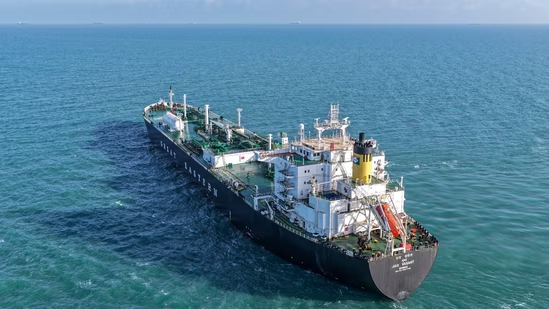
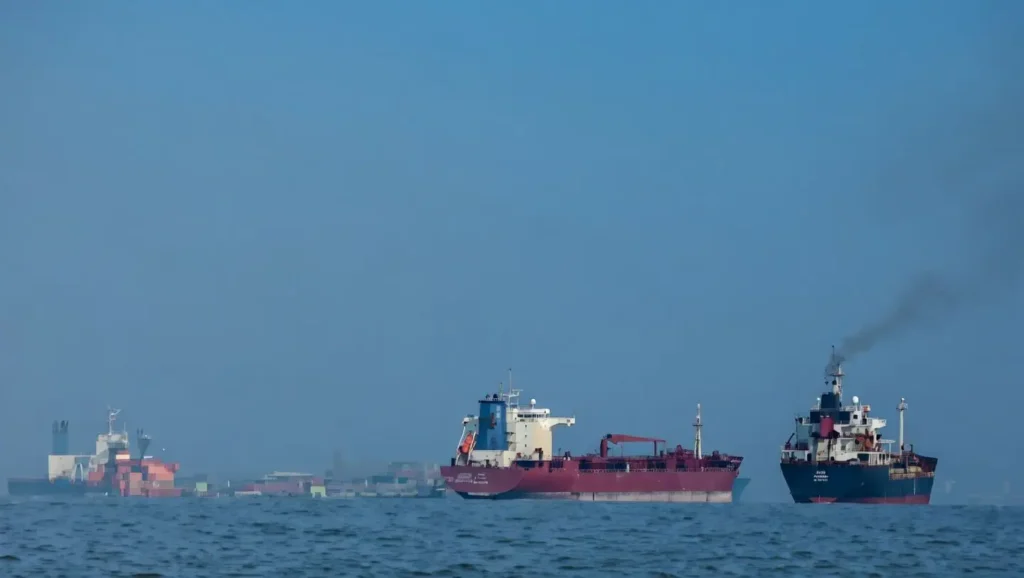
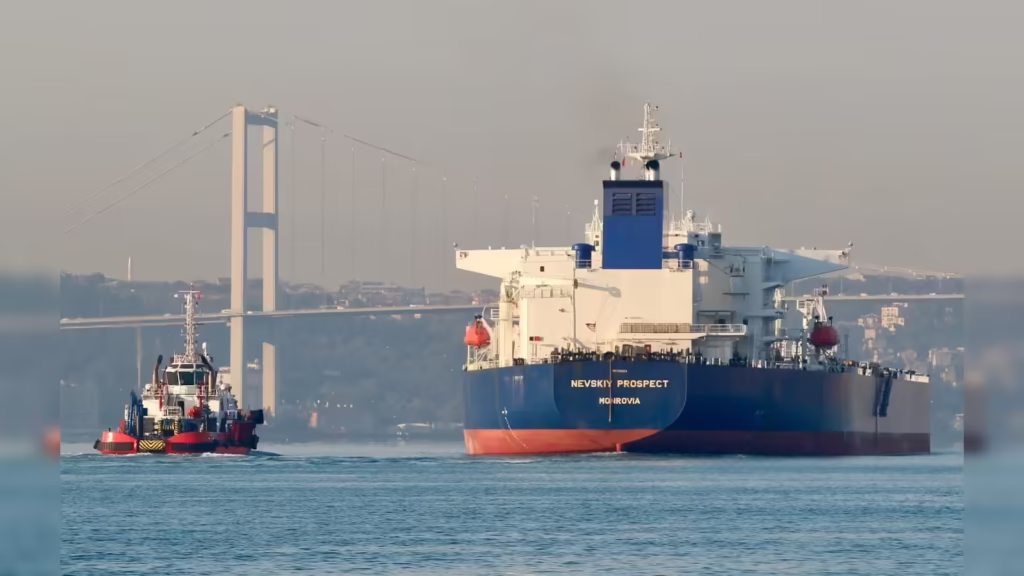
The story begins with a tanker carrying crude oil from Iran. Initially, the shipment was reportedly intended for India. However, midway through its journey, the tanker changed course and headed toward China instead.
This sudden rerouting raised eyebrows because oil shipments are usually planned well in advance. A change like this suggests deeper reasons beyond simple logistics.
Why the Shipment Was Rerouted to China
The Indian government clarified that the shipment was not officially contracted by Indian refiners. In simple terms, India had not placed a confirmed order for that oil.
This means the shipment was likely part of a speculative or flexible trade deal, where the seller (in this case, Iran or intermediaries) had the freedom to redirect the cargo to a more favorable buyer.
China, being one of the largest oil importers in the world, often offers quick deals, flexible payment options, and fewer restrictions compared to other countries. This makes it an attractive destination for such shipments.
🇮🇳 India’s Response to the Situation
India clarified that it was not affected directly by this diversion because there was no official purchase agreement. This is important because it shows that India’s oil supply chain remains stable and well-managed.
India sources oil from multiple countries like Iraq, Saudi Arabia, UAE, and the US. This diversification reduces dependency on any single supplier and protects against sudden disruptions.
Understanding Global Oil Trade Dynamics
The global oil market is not as straightforward as buying and selling goods. It is influenced by several factors:
- Political relations
- Sanctions
- Pricing agreements
- Demand fluctuations
- Strategic alliances
Oil shipments can change routes depending on where the best deal is available at a given moment. This is exactly what seems to have happened in this case.
Iran’s Role in the Global Oil Market
Iran holds some of the largest oil reserves in the world. However, due to international sanctions, it faces restrictions on selling oil freely in global markets.
Because of this, Iran often sells oil through indirect channels or at discounted prices. Countries willing to navigate these restrictions, like China, benefit from lower-cost oil.
🇨🇳 China’s Strategic Advantage in Oil Deals
China has built strong trade relationships with countries like Iran. It is known for:
- Buying oil in bulk
- Offering flexible payment systems
- Maintaining long-term agreements
- Taking advantage of discounted crude
This gives China a competitive edge in securing oil shipments, even those originally intended for other destinations.
Impact on India’s Energy Security
While this specific shipment did not impact India directly, it highlights an important point: energy security is crucial.
India is one of the fastest-growing energy consumers in the world. To meet its needs, it must:
- Maintain diversified oil sources
- Strengthen strategic reserves
- Build long-term supplier relationships
The good news is that India is already doing all of this.
Economic Implications for India
In the short term, there is no significant economic impact from this incident. However, such events can influence:
- Global oil prices
- Supply-demand balance
- Trade negotiations
If similar diversions happen frequently, they could indirectly affect pricing and availability in the long run.
Geopolitical Factors Behind the Move
This incident also reflects broader geopolitical realities. Countries like China and Iran often collaborate more closely due to shared strategic interests.
Meanwhile, India balances relationships with multiple global powers, including the US and Middle Eastern nations. This balanced approach sometimes limits its engagement in certain trade deals.
What This Means for Future Oil Imports
Looking ahead, India is expected to continue strengthening its energy strategy. This includes:
- Investing in renewable energy
- Expanding oil storage capacity
- Building stronger international partnerships
At the same time, global competition for oil resources is likely to increase, making such incidents more common.
Key Takeaways for Businesses and Consumers
For businesses, especially those dependent on fuel, this incident is a reminder of how global events can influence costs.
For consumers, it highlights the importance of energy planning and government policies that ensure stable fuel availability.
Conclusion
The rerouting of an Iran crude oil shipment from India to China may seem like a small event, but it tells a much bigger story about global trade, geopolitical strategies, and energy security.
The key takeaway is that India remains well-prepared and resilient. Its diversified oil sourcing strategy ensures stability, even when unexpected situations arise.
As global energy demand continues to grow, such developments will become more common. Staying informed helps us better understand how these changes impact our economy and daily lives.


Why India-Bound Iran Crude Oil Shipment Was Diverted to China: Full Story, Impact & What It Means for India

Best Software Platforms for Farm Management and Crop Monitoring in 2026

How to Implement IoT Solutions in Agriculture for Better Yields

New Income Tax Rules 2026: Complete Guide for Salaried Taxpayers in India

Best Smart Farming Tools for Small Farms in India

LPG Tankers from Strait of Hormuz Reach India: What It Means for Energy Security and Fuel Supply

Stock Market Crash 2026: Why Markets Fell Over 2% Amid Rising Crude Prices

AI for Agriculture Innovation Initiative: Transforming Farming with Smart Technology

Digital Agriculture Mission India 2025: Complete Guide to Smart Farming Trends and Future Growth

Potato Farming Crisis in Uttar Pradesh: Causes, Challenges, and Solutions for Farmers

Karnataka Budget 2026–27: Key Announcements, Infrastructure Plans, Welfare Schemes and Economic Impact

India is running low on LPG in 2026, so hotels are switching to firewood as the government focuses on cooking gas for homes.

The Effects of Global War on Farming in India: Why Prices Are Going Up and What Farmers Can Do
Potato Farming Crisis in Uttar Pradesh: Causes, Challenges, and Solutions for Farmers

Fibre Optic Sensors in Agriculture: The Future of Smart Farming and Soil Monitoring

FAO World Programme of Census of Agriculture 2030: A Global Data Revolution for the Future of Farming

The Truth About AI Stock Trading: An AI-Powered Trading Agent Turns ₹11 Lakh Into ₹40 Lakh Overnight

India’s 2026 strategy for importing fertiliser: how India is making global supply chains stronger

Iran Israel US War 2026: What the Conflict in West Asia Means for Oil, World Stability, and Daily Life
