


Sustainable Farming
Should Small Farmers Stop Growing Water-Hungry Crops Completely?

Short Overview
Water scarcity is becoming a daily reality for small farmers across the world. Crops that once brought steady income are now blamed for draining groundwater and worsening droughts. This raises an important question—should small farmers completely stop growing water-hungry crops, or is there a smarter path forward that balances survival, sustainability, and income?
Should small farmers stop growing water-hungry crops completely? This in-depth guide explains the water crisis, crop sustainability, farmer income challenges, climate change effects, and smart alternatives. Learn whether switching crops is practical, how farmers can reduce water use, protect profits, and adapt to modern agriculture without risking livelihoods. A clear, farmer-friendly explanation with real-world insights and sustainable solutions.

Table of Contents
- Understanding Water-Hungry Crops
- Why Small Farmers Depend on These Crops
- The Growing Water Crisis in Agriculture
- Is Completely Stopping These Crops Realistic?
- Economic Risks of Sudden Crop Abandonment
- Environmental Impact of Water-Intensive Farming
- Smarter Alternatives Instead of Complete Ban
- Role of Government and Policy Support
- Technology That Helps Save Water
- Transition Strategies for Small Farmers
- Real-World Examples from Farming Communities
- Long-Term Vision for Sustainable Farming
- Conclusion: A Balanced Way Forward
1. Understanding Water-Hungry Crops
Water-hungry crops are those that require large amounts of irrigation throughout their growth cycle. Common examples include rice, sugarcane, cotton, and certain fodder crops. These plants often depend heavily on groundwater and canal irrigation, especially in dry and semi-arid regions.
For decades, these crops were encouraged because they promised stable returns and strong market demand. However, changing climate patterns and declining water tables have turned them into a major concern.
2. Why Small Farmers Depend on These Crops
Small farmers do not grow water-intensive crops by accident. Many of them rely on these crops because they offer predictable buyers, government procurement, and price assurance. In many regions, farmers grow what their parents and grandparents grew, using familiar methods and seeds.
Switching crops is not easy when income margins are already thin. A failed experiment can push a family into debt, making farmers cautious about change.
3. The Growing Water Crisis in Agriculture
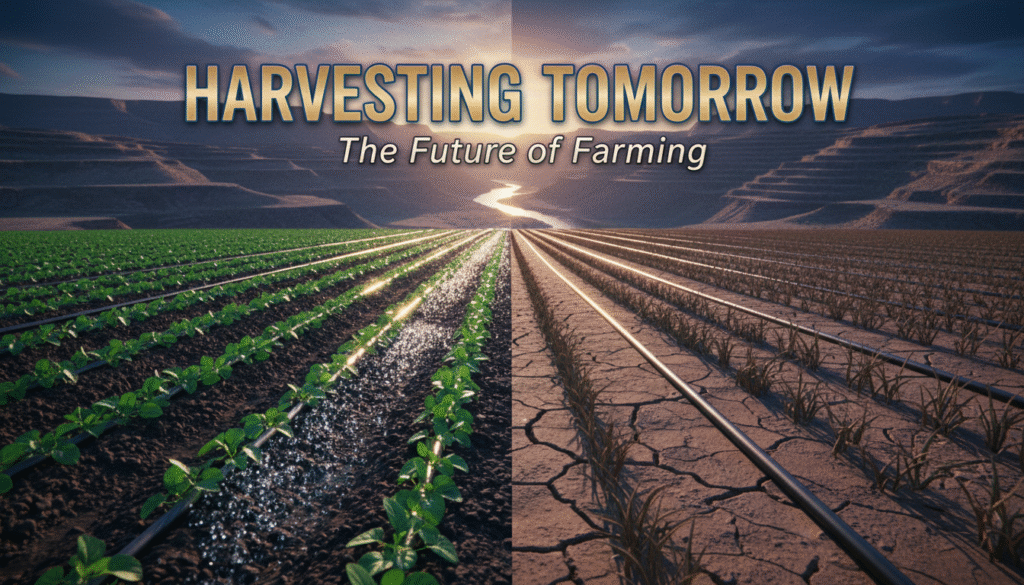
Agriculture uses nearly 70 percent of the world’s freshwater. As rainfall becomes unpredictable and groundwater levels drop, farming is becoming riskier. Wells are drying up, electricity costs are rising, and water conflicts are increasing between regions and communities.
Small farmers are the first to feel the pressure because they lack large reservoirs, advanced irrigation systems, or financial buffers.
4. Is Completely Stopping These Crops Realistic?
Completely stopping water-hungry crops may sound logical, but in reality, it is not practical for many farmers. Sudden bans or forced crop changes can destroy livelihoods if alternatives are not profitable or well supported.
A complete stop without planning can lead to food shortages, income loss, and rural distress. The solution lies in gradual reduction, not sudden elimination.
5. Economic Risks of Sudden Crop Abandonment
When farmers abandon familiar crops without proper market access for alternatives, they face price crashes and unsold produce. Many water-efficient crops do not yet have strong supply chains or guaranteed buyers.
Without storage, processing facilities, and fair pricing, switching crops can become a financial trap rather than a solution.
6. Environmental Impact of Water-Intensive Farming
Over-irrigation leads to soil salinity, land degradation, and loss of biodiversity. Excessive groundwater extraction also affects drinking water availability in nearby villages.
While these environmental impacts are serious, blaming farmers alone ignores the role of policy, market demand, and historical incentives.
7. Smarter Alternatives Instead of Complete Ban
Instead of stopping water-hungry crops completely, farmers can adopt balanced cropping systems. Crop diversification, intercropping, and mixed farming help reduce water stress while maintaining income.
Replacing a portion of land with millets, pulses, oilseeds, or horticultural crops can lower water use without eliminating cash crops entirely.
8. Role of Government and Policy Support
Governments play a critical role in guiding crop choices. Farmers need incentives for water-efficient crops, minimum support prices, insurance coverage, and assured market linkages.
Without policy backing, expecting farmers to shoulder the burden of water conservation alone is unfair and unrealistic.
9. Technology That Helps Save Water
Modern irrigation methods such as drip irrigation, sprinkler systems, and soil moisture sensors can reduce water use by up to 40 percent. Precision farming allows farmers to irrigate only when needed.
Training and subsidies are essential to ensure small farmers can access and trust these technologies.
10. Transition Strategies for Small Farmers
Transition should be slow, planned, and supported. Farmers can begin by reducing water-hungry crops on part of their land while testing alternatives. Community-level water management and shared learning help reduce risks.
Gradual adaptation protects both income and natural resources.
11. Real-World Examples from Farming Communities
In several regions, farmers have successfully reduced water usage without abandoning profitable crops. By adopting efficient irrigation and adjusting crop calendars, they maintained yields while conserving water.
These examples prove that balance is possible when farmers receive the right guidance.
12. Long-Term Vision for Sustainable Farming
Sustainable farming is not about choosing between income and environment. It is about designing systems that protect both. Climate-resilient crops, smart water use, and supportive policies form the foundation of future agriculture.
Small farmers must be partners in this transition, not victims of it.
13. Conclusion: A Balanced Way Forward
Small farmers should not be forced to completely stop growing water-hungry crops without realistic alternatives. The real solution lies in gradual change, smarter water use, supportive policies, and diversified farming systems. Protecting water resources is essential, but protecting farmer livelihoods is equally important. A balanced approach ensures both can survive together.


India GDP Growth 7.6% in FY26: New GDP Series Upgrades Growth but Lowers Economy Size

India Missing Out on Big Agriculture Export Opportunity: Path to $100 Billion by 2030

ಮ್ಯೂಚುವಲ್ ಫಂಡ್ SIP ಮೂಲಕ 15 ವರ್ಷಗಳಲ್ಲಿ ₹10 ಕೋಟಿ ರೂಪಾಯಿ ಗಳಿಸುವುದು ಹೇಗೆ?

Aadhar Model Smart Card To Farmers: ರೈತರಿಗೆ ಆಧಾರ್ ಮಾದರಿ ಸ್ಮಾರ್ಟ್ ಕಾರ್ಡ್ ಯೋಜನೆ – ಸಂಪೂರ್ಣ ಮಾಹಿತಿ, ಅನುಕೂಲತೆಗಳು ಮತ್ತು ನೋಂದಣಿ ವಿವರಗಳು

ಕೇಂದ್ರ ಬಜೆಟ್ 2026 ಕೃಷಿಕರಿಗೆ ಏನು ಕೊಡುಗೆ? ಭಾರತ್ ವಿಸ್ತಾರ್ AI ಪರಿಕರದಿಂದ ರೈತರಿಗೇನು ಲಾಭ?

Farming: ಹಳ್ಳಿಗಳಿಗೆ ಹಿಂದಿರುಗಿ ಕೃಷಿಯತ್ತ ಒಲವು ತೋರುತ್ತಿರುವ ವೃತ್ತಿಪರರು – ನಿಜವಾದ ಕಾರಣಗಳು ಮತ್ತು ಭವಿಷ್ಯದ ಜೀವನಶೈಲಿ

What Is the Best Climate for Saffron Cultivation?

ಕಾವೇರಿ 2.0 ಆಸ್ತಿ ನೋಂದಣಿ: 10 ನಿಮಿಷದಲ್ಲಿ ಸಂಪೂರ್ಣ ಕಾಗದರಹಿತ ಆಸ್ತಿ ನೋಂದಣಿ – ಅರ್ಜಿ ಸಲ್ಲಿಕೆ, ಲಾಭಗಳು & ಸಂಪೂರ್ಣ ಮಾರ್ಗದರ್ಶಿ

ಭಾರತ್-ವಿಸ್ತಾರ್ ಎಐ ಸಾಧನ: ರೈತರ ಕೃಷಿ ಸಮಸ್ಯೆಗೆ ಬೆರಳ ತುದಿಯಲ್ಲಿ ಎಐ ಪರಿಹಾರ | ಸಂಪೂರ್ಣ ಮಾಹಿತಿ

Bengaluru in Trouble: ಐಟಿ ಬಿದ್ದರೆ ಬೆಂಗಳೂರು ಬೀಳುತ್ತೆ – ಸಂಕಷ್ಟದಲ್ಲಿ ನಮ್ಮ ಬೆಂಗಳೂರು

What Is the Investment Required for Mushroom Farming?

What Are the Best Mushrooms to Grow for Profit?

Union Budget 2026–27 Agriculture Initiatives: Transforming Indian Farming for Global Markets

Budget 2026 Agriculture Policy: Push for High-Value Crops but Farmers Still Struggle

ಭಾರತದಲ್ಲಿ ಮಣ್ಣಿನ ಆರೋಗ್ಯ: ಸುಸ್ಥಿರ ಕೃಷಿ ಮತ್ತು ಆಹಾರ ಭದ್ರತೆಗೆ ಅಡಿಪಾಯ

2025ರ ವಾಣಿಜ್ಯ ಧಾನ್ಯ ಕೃಷಿಯ ಹೊಸ ಆವಿಷ್ಕಾರಗಳು: ಸ್ಮಾರ್ಟ್ ನೀರಾವರಿ, ಗೊಬ್ಬರ ಮತ್ತು ಪ್ರೆಸಿಷನ್ ಸ್ಪ್ರೇಯರ್ಗಳು

ಕೇಸರಿ ಕೃಷಿಗೆ ಎಷ್ಟು ಹೂಡಿಕೆ ಅಗತ್ಯವಿದೆ?
ಕೇಸರಿ (Saffron) ಬೆಳೆಯಲು ಅತ್ಯುತ್ತಮ ಹವಾಮಾನ ಯಾವುದು?
How to Start Kesari (Saffron) Farming in India?
