


Benefits
Is Organic Certification in India Worth the Time and Money?

Short Overview
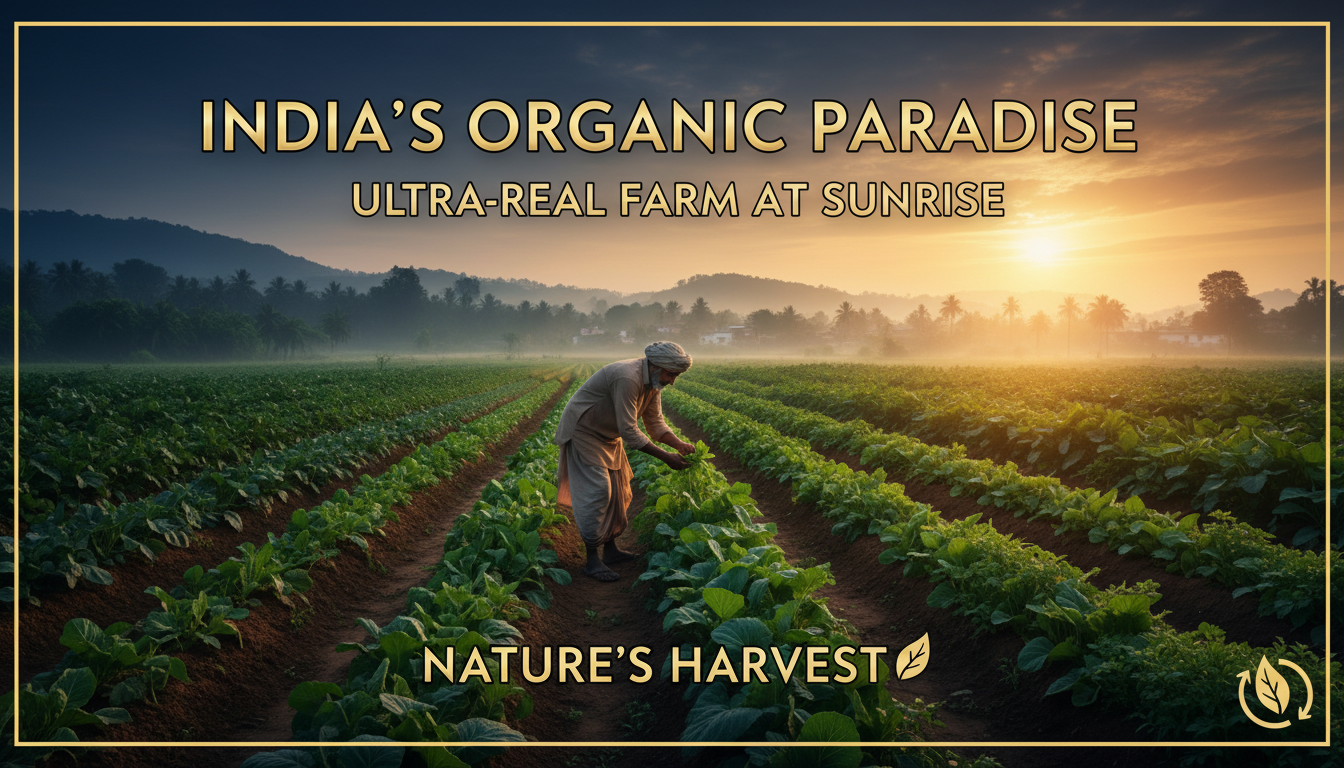
Organic farming is gaining attention across India, but many farmers, food businesses, and exporters still ask one honest question: is organic certification in India really worth the time, money, and effort it demands? This blog explains the reality behind organic certification in India in clear, simple language, covering costs, benefits, challenges, market value, and whether it truly pays off in the long run.
Is organic certification in India worth the time and money? This detailed guide explains the real cost, benefits, challenges, and profitability of organic certification for Indian farmers, food businesses, and exporters. Learn about certification processes, timelines, market demand, and whether organic certification truly delivers higher income, trust, and long-term sustainability. This article helps you decide if investing in organic certification is the right move for domestic or export markets while avoiding common mistakes.

Table of Contents
- Introduction to Organic Certification in India
- Understanding What Organic Certification Actually Means
- Why Organic Certification in India Exists
- Types of Organic Certification Systems in India
- The Step-by-Step Organic Certification Process
- Cost of Organic Certification in India
- Time Required for Organic Certification
- Benefits of Organic Certification for Farmers
- Benefits for Food Businesses and Exporters
- Challenges and Hidden Struggles of Organic Certification
- Is Organic Certification Profitable in the Indian Market?
- Organic Certification for Domestic vs Export Markets
- Who Should Seriously Consider Organic Certification
- Who May Not Need Organic Certification
- Real-World Scenarios and Practical Insights
- Final Verdict: Is Organic Certification in India Worth It?
Introduction to Organic Certification in India
Organic certification in India is a formal process that verifies that agricultural products are grown without synthetic chemicals, pesticides, genetically modified organisms, or artificial fertilizers. Over the past decade, rising health awareness, export demand, and environmental concerns have pushed organic farming into the spotlight. However, many farmers and agribusiness owners still struggle to understand whether organic certification in India is a smart investment or an unnecessary burden.
Understanding What Organic Certification Actually Means
Organic certification is not just a label; it is a legal and documented assurance that farming practices meet specific organic standards. In India, certification ensures that soil management, crop production, storage, processing, and packaging follow organic guidelines. The certification also involves inspections, records, compliance checks, and traceability systems, making it a long-term commitment rather than a one-time process.
Why Organic Certification in India Exists
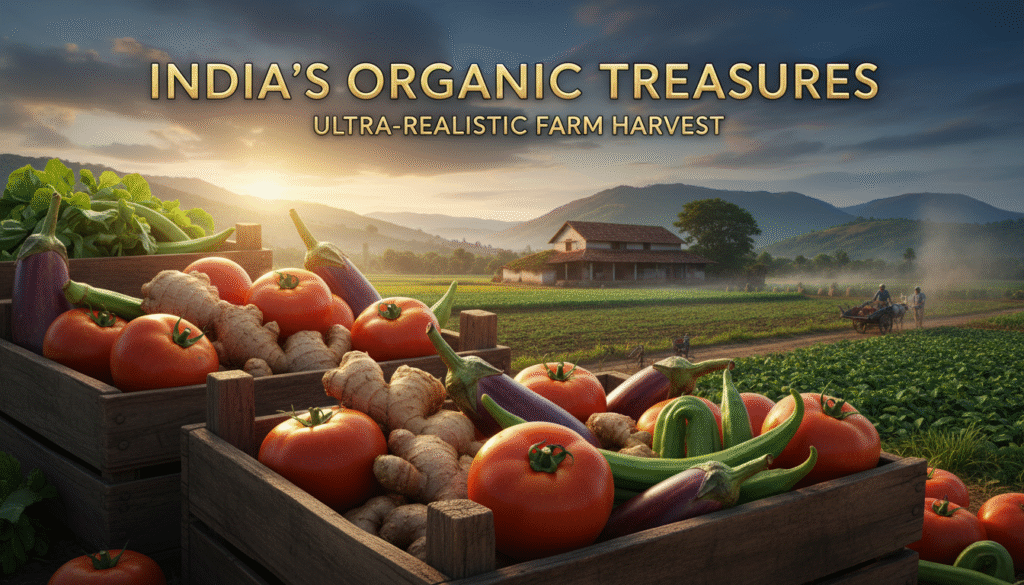
Organic certification in India exists to protect consumers from false organic claims and to help genuine organic producers access premium markets. Without certification, any product can be marketed as “organic,” which damages trust. Certification creates transparency, credibility, and uniform standards, especially for export markets where compliance is mandatory.
Types of Organic Certification Systems in India
India mainly follows two organic certification systems. One is the National Programme for Organic Production, which is mostly used for exports and large businesses. The other is the Participatory Guarantee System, which is more suitable for small and marginal farmers selling locally. Both systems aim to maintain organic integrity, but they differ in cost, complexity, and market acceptance.
The Step-by-Step Organic Certification Process
The organic certification process begins with application submission, followed by farm conversion, documentation, inspections, and final approval. During the conversion period, which usually lasts two to three years, farmers must follow organic practices without selling produce as certified organic. Regular inspections and record-keeping are required, making patience and discipline essential throughout the process.
Cost of Organic Certification in India
The cost of organic certification in India depends on farm size, certification type, inspection fees, documentation requirements, and renewal charges. For small farmers under group certification or PGS, the cost is relatively low. For individual farmers, exporters, and processing units, the cost can be significant. While certification fees may seem expensive initially, many certified producers recover the cost through premium pricing and better market access.
Time Required for Organic Certification
Organic certification is not an overnight achievement. The conversion period alone can take up to three years. During this time, farmers must invest effort without immediate financial rewards. This waiting period is often the biggest reason people hesitate, but it also ensures genuine organic practices and long-term soil health improvement.
Benefits of Organic Certification for Farmers
For farmers, organic certification in India opens doors to premium buyers, contract farming opportunities, government schemes, and export markets. Certified organic products often fetch higher prices than conventional produce. Over time, reduced input costs, improved soil fertility, and better resilience to climate stress add long-term economic stability.
Benefits for Food Businesses and Exporters
For food brands, processors, and exporters, organic certification builds trust and brand value. Certified products gain easier entry into international markets, retail chains, and health-conscious consumer segments. Organic certification also improves traceability, which is increasingly demanded by global buyers and regulators.
Challenges and Hidden Struggles of Organic Certification
Despite its benefits, organic certification in India comes with challenges. Complex documentation, inspection anxiety, yield reduction during transition, lack of awareness, and limited local markets can discourage farmers. In some regions, certified organic produce still sells at conventional prices due to weak demand, making certification less rewarding.
Is Organic Certification Profitable in the Indian Market?
Profitability depends largely on market access. Farmers selling directly to urban consumers, organic stores, exporters, or food companies often benefit significantly. However, those relying on traditional mandis may struggle to get premium prices. Organic certification is most profitable when combined with direct marketing, branding, or export channels.
Organic Certification for Domestic vs Export Markets
For exports, organic certification is almost mandatory. International buyers demand compliance, traceability, and certification proof. In the domestic market, certification is valuable but not always essential, especially for direct farm-to-consumer models where trust is built personally.
Who Should Seriously Consider Organic Certification
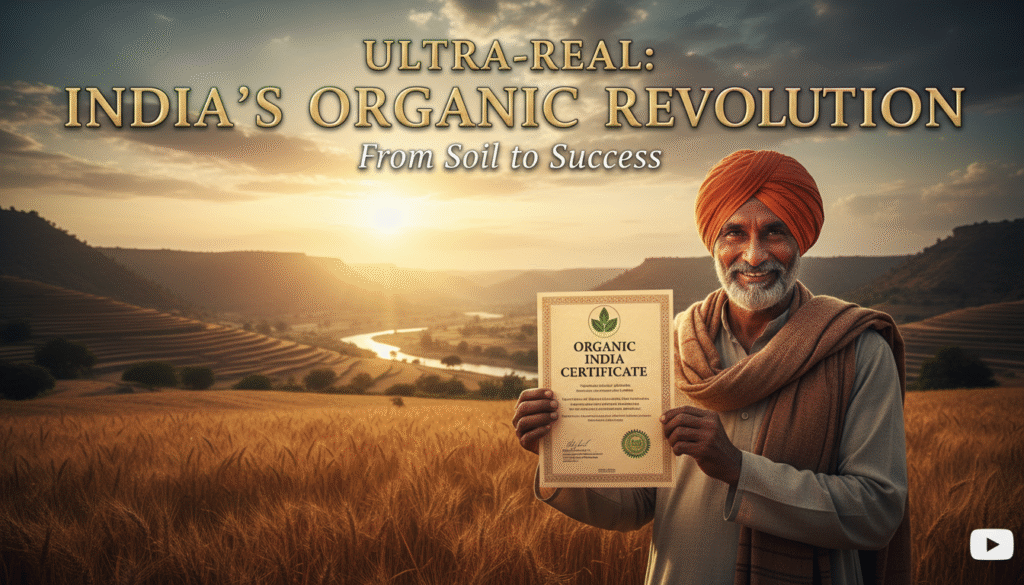
Organic certification is ideal for farmers planning long-term organic farming, exporters, food processors, and brands targeting premium consumers. It is also suitable for farmer groups willing to work collectively and follow documentation systems seriously.
Who May Not Need Organic Certification
Farmers selling locally with strong personal customer relationships may not need certification immediately. Small growers experimenting with organic methods or those without access to premium markets may benefit more from first stabilizing production before investing in certification.
Real-World Scenarios and Practical Insights
In real-world situations, organic certification works best when farmers are supported by training, market linkages, and advisory services. Many successful organic farmers in India did not see profits in the first year but achieved stability and growth over time. Organic certification rewards patience, planning, and market awareness.
Final Verdict: Is Organic Certification in India Worth It?
Organic certification in India is worth the time and money when approached with clear goals, proper market access, and long-term commitment. It is not a shortcut to instant profit, but it is a powerful tool for sustainable income, soil health, consumer trust, and global market entry. For those willing to invest time, discipline, and learning, organic certification becomes a valuable asset rather than a burden.


India GDP Growth 7.6% in FY26: New GDP Series Upgrades Growth but Lowers Economy Size

India Missing Out on Big Agriculture Export Opportunity: Path to $100 Billion by 2030

ಮ್ಯೂಚುವಲ್ ಫಂಡ್ SIP ಮೂಲಕ 15 ವರ್ಷಗಳಲ್ಲಿ ₹10 ಕೋಟಿ ರೂಪಾಯಿ ಗಳಿಸುವುದು ಹೇಗೆ?

Aadhar Model Smart Card To Farmers: ರೈತರಿಗೆ ಆಧಾರ್ ಮಾದರಿ ಸ್ಮಾರ್ಟ್ ಕಾರ್ಡ್ ಯೋಜನೆ – ಸಂಪೂರ್ಣ ಮಾಹಿತಿ, ಅನುಕೂಲತೆಗಳು ಮತ್ತು ನೋಂದಣಿ ವಿವರಗಳು

ಕೇಂದ್ರ ಬಜೆಟ್ 2026 ಕೃಷಿಕರಿಗೆ ಏನು ಕೊಡುಗೆ? ಭಾರತ್ ವಿಸ್ತಾರ್ AI ಪರಿಕರದಿಂದ ರೈತರಿಗೇನು ಲಾಭ?

Farming: ಹಳ್ಳಿಗಳಿಗೆ ಹಿಂದಿರುಗಿ ಕೃಷಿಯತ್ತ ಒಲವು ತೋರುತ್ತಿರುವ ವೃತ್ತಿಪರರು – ನಿಜವಾದ ಕಾರಣಗಳು ಮತ್ತು ಭವಿಷ್ಯದ ಜೀವನಶೈಲಿ

What Is the Best Climate for Saffron Cultivation?

ಕಾವೇರಿ 2.0 ಆಸ್ತಿ ನೋಂದಣಿ: 10 ನಿಮಿಷದಲ್ಲಿ ಸಂಪೂರ್ಣ ಕಾಗದರಹಿತ ಆಸ್ತಿ ನೋಂದಣಿ – ಅರ್ಜಿ ಸಲ್ಲಿಕೆ, ಲಾಭಗಳು & ಸಂಪೂರ್ಣ ಮಾರ್ಗದರ್ಶಿ

ಭಾರತ್-ವಿಸ್ತಾರ್ ಎಐ ಸಾಧನ: ರೈತರ ಕೃಷಿ ಸಮಸ್ಯೆಗೆ ಬೆರಳ ತುದಿಯಲ್ಲಿ ಎಐ ಪರಿಹಾರ | ಸಂಪೂರ್ಣ ಮಾಹಿತಿ

Bengaluru in Trouble: ಐಟಿ ಬಿದ್ದರೆ ಬೆಂಗಳೂರು ಬೀಳುತ್ತೆ – ಸಂಕಷ್ಟದಲ್ಲಿ ನಮ್ಮ ಬೆಂಗಳೂರು

What Is the Investment Required for Mushroom Farming?

What Are the Best Mushrooms to Grow for Profit?

Union Budget 2026–27 Agriculture Initiatives: Transforming Indian Farming for Global Markets

Budget 2026 Agriculture Policy: Push for High-Value Crops but Farmers Still Struggle

ಭಾರತದಲ್ಲಿ ಮಣ್ಣಿನ ಆರೋಗ್ಯ: ಸುಸ್ಥಿರ ಕೃಷಿ ಮತ್ತು ಆಹಾರ ಭದ್ರತೆಗೆ ಅಡಿಪಾಯ

2025ರ ವಾಣಿಜ್ಯ ಧಾನ್ಯ ಕೃಷಿಯ ಹೊಸ ಆವಿಷ್ಕಾರಗಳು: ಸ್ಮಾರ್ಟ್ ನೀರಾವರಿ, ಗೊಬ್ಬರ ಮತ್ತು ಪ್ರೆಸಿಷನ್ ಸ್ಪ್ರೇಯರ್ಗಳು

ಕೇಸರಿ ಕೃಷಿಗೆ ಎಷ್ಟು ಹೂಡಿಕೆ ಅಗತ್ಯವಿದೆ?
ಕೇಸರಿ (Saffron) ಬೆಳೆಯಲು ಅತ್ಯುತ್ತಮ ಹವಾಮಾನ ಯಾವುದು?
How to Start Kesari (Saffron) Farming in India?
