


Latest News
Liberating Agriculture in Bharat: A Long-Term Future for Farmers Through Farming with Trees

Short Overview
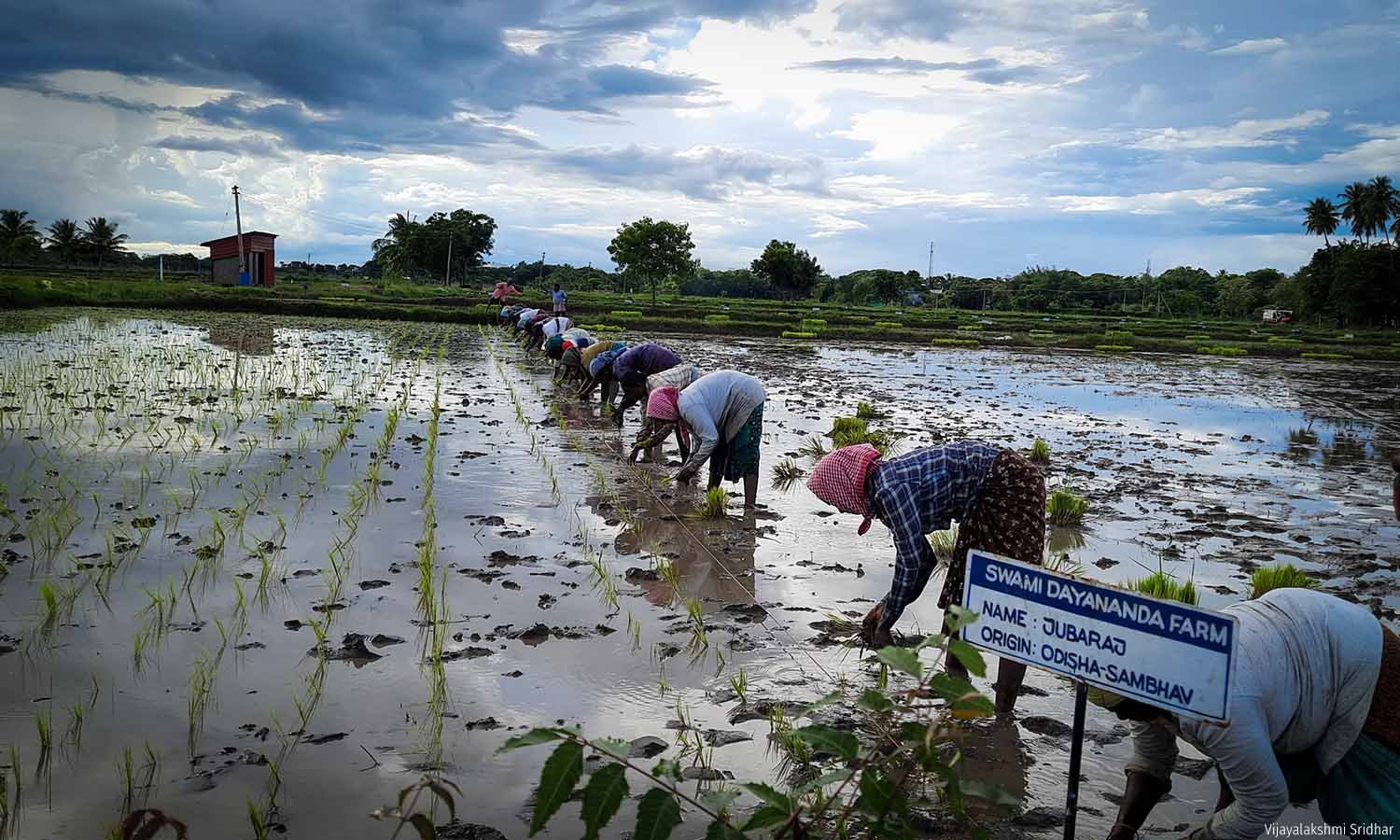
Agriculture is the most important part of Bharat, but millions of farmers still have trouble making ends meet because of poor soil health and crop yields that aren’t stable. Tree-based agriculture, also known as agroforestry, is a strong solution that is getting a lot of attention. Farmers can make a lot more money, improve the fertility of their soil, and make their farming systems more sustainable by planting trees alongside their crops. This method could change the economies of rural areas and make sure that farming in India has a bright future.
Learn how tree-based farming can free up agriculture in Bharat and change the lives of farmers. Find out how agroforestry can improve soil health, save water, and make farmers’ incomes go up by 300–800%. Look into India’s agricultural future by looking into policies, solutions, and chances.

Table of Contents
Introduction: The Truth About Farmers in Bharat
Why Farmers Are in Trouble Right Now
What is soil degradation in farming?
What is farming with trees?
How trees make soil, water, and crops more productive
Agroforestry can increase your income by 300 to 800%.
Why Trees Are Important in Traditional Indian Farming
Problems that Farmers Have When They Grow Trees
Changes to policies are needed to free up farming.
Bringing back the profitability of farming
The Government’s Job and Investments in Rural India
The Future of Sustainable Farming in India
Conclusion: A New Way of Looking at Farmers
Introduction: The Truth About Farmers in Bharat
For a long time, farming has been the basis of Bharat’s economy and society. More than half of the people in the country still rely on farming to make a living. Farmers grow the food that feeds the country, but a lot of them have trouble taking care of their own families.
The agricultural sector has had a lot of problems in the last few decades. Farmers have to deal with costs that keep going up, soil that isn’t as fertile as it used to be, weather that isn’t always predictable, and crop prices that aren’t always stable. These problems have caused a lot of financial stress in rural areas.
The sad truth is that a lot of farmers feel stuck in a cycle of debt and not knowing what to do. People often talk about loans and debts when they talk about farmer distress. But the real problem goes much deeper than just money problems. The real problem is that farming systems are losing their natural ecological balance and the soil is getting worse.
Bharat needs to change the way farming is done in order to fix this problem. Tree-based agriculture is a promising solution because it could restore the health of the soil, increase farmers’ incomes, and make the farming ecosystem more stable.
Why Farmers Are in Trouble Right Now
A lot of people think that farmers kill themselves because they can’t pay back their bank loans. Financial pressure is a factor, but the main problem is that farmland is becoming less productive.
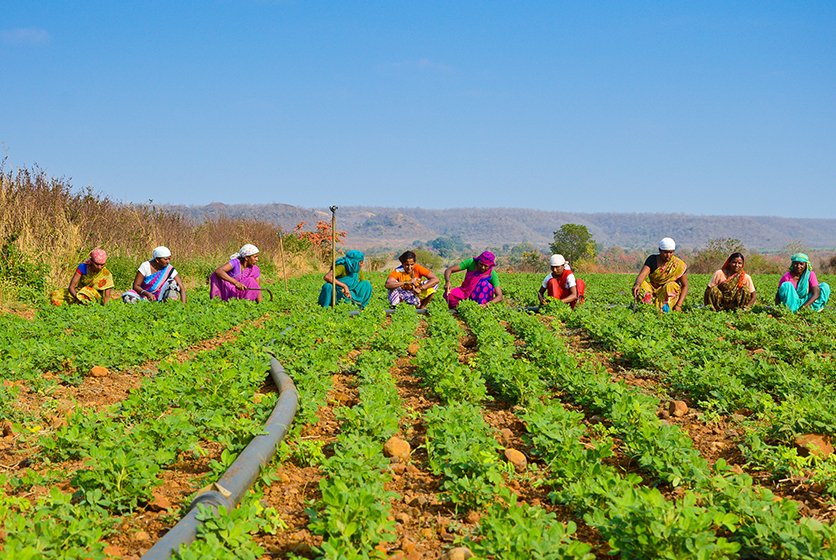
The basis of farming is healthy soil. When soil becomes weak and depleted, crop yields drop dramatically. Farmers have to spend more on fertilizers, pesticides, and irrigation to keep their crops growing. Over time, these costs go up and the returns go down.
Because of this imbalance, farmers are having trouble with money.
If a farmer owns land with rich soil, adequate water, and a stable ecosystem, farming becomes profitable and sustainable. However, when soil fertility declines, even the most hardworking farmer struggles to produce enough crops to survive.
Bharat’s farmers are facing more than just economic problems; they are also facing environmental ones.
Comprehending Soil Degradation in Agriculture
One of the biggest problems with farming today is that the soil is losing its organic matter. When farmers harvest crops such as wheat, rice, or sugarcane, they remove large quantities of nutrients from the land.
For example, harvesting one ton of sugarcane effectively removes a significant portion of topsoil nutrients. If these nutrients are not returned to the soil through natural processes, the soil gradually becomes infertile.
In traditional agriculture, soil fertility was maintained naturally through:
Leaves falling from trees
Animal waste used as organic manure
Crop residues returning to the soil
However, modern farming practices have disrupted this natural cycle. Many farms today lack livestock, and trees have been removed to increase crop space. As a result, soil organic matter continues to decline year after year.
Without trees and animals, the soil loses its natural fertility, leading to reduced crop yields and higher dependence on chemical fertilizers.
What Is Tree-Based Agriculture?
Tree-based agriculture, also known as agroforestry, is a farming system where trees are integrated with crops and sometimes livestock on the same land.
Instead of relying only on seasonal crops, farmers grow trees that provide long-term economic and ecological benefits.
These trees may produce:
Timber
Fruits
Medicinal products
Fuelwood
Fodder for livestock
The presence of trees creates a balanced ecosystem that supports both crop growth and soil health.
Agroforestry systems have been practiced in many parts of the world for centuries, and they are now being recognized as one of the most sustainable agricultural solutions.
How Trees Improve Soil, Water, and Crop Productivity
Trees play a crucial role in restoring and maintaining soil health. Their leaves fall naturally and decompose, adding organic matter back into the soil. This process improves soil structure, fertility, and microbial activity.
Tree roots also penetrate deep into the soil, helping to retain moisture and prevent erosion. This improves water absorption and reduces the impact of drought.
Another important benefit is that trees act as natural climate regulators. They provide shade, reduce temperature extremes, and protect crops from strong winds.
When trees are integrated into farming systems, they create a micro-environment that supports healthier crops and higher yields.
Over time, this leads to stronger soil, better water retention, and more stable agricultural productivity.
Income Potential: 300–800% Growth Through Agroforestry
One of the most exciting aspects of tree-based agriculture is its economic potential.
Studies and field demonstrations have shown that when farmers shift from crop-only farming to tree-based systems, their income can increase significantly.
In many cases, farmers can achieve 300% to 800% higher income within five to seven years.
This happens because trees provide multiple sources of income.
While crops generate seasonal earnings, trees offer long-term financial security through timber, fruits, or other valuable products.
High-value trees such as teak, sandalwood, and rosewood can generate substantial profits once they mature. This allows farmers to build financial stability over time.
Tree-based agriculture also reduces farming risks. Even if crop yields fluctuate due to weather conditions, trees continue to grow and maintain their value.
The Importance of Trees in Traditional Indian Farming
Historically, trees were an essential part of Indian agriculture.
In many traditional farming systems, every agricultural field had 25 to 50 trees along its boundaries. These trees provided shade, wood, fruits, and organic matter for the soil.
More importantly, they acted as a form of financial insurance.
If a farmer faced an emergency or needed money for family expenses, they could cut a mature tree and sell it. This provided immediate financial support without taking loans.
Unfortunately, over the last 40 years, many of these trees have disappeared. Farmers cleared them to maximize crop production, often due to policy pressures or market demands.
As a result, farms lost an important ecological and financial safety net.
Challenges Farmers Face in Growing Trees
Despite the clear benefits of tree-based agriculture, many farmers hesitate to plant trees.
One major reason is government regulations related to tree harvesting.
In some regions, farmers are required to obtain permission from forest authorities before cutting certain tree species. This process can be complicated and time-consuming.
Because of these restrictions, farmers fear that they might not be able to harvest trees when needed.
High-value species such as teak, sandalwood, and rosewood are often heavily regulated. As a result, farmers avoid planting them even though they have significant economic potential.
For tree-based agriculture to succeed, policies must support farmers rather than restrict them.
Policy Changes Needed to Liberate Agriculture
If Bharat wants to transform its agricultural system, supportive policies are essential.
Farmers should have the freedom to grow and harvest trees on their own land. Simplifying regulations around tree cultivation and harvesting would encourage millions of farmers to adopt agroforestry.
Another important issue is land ownership rights. In many cases, resources below a certain depth of land legally belong to the government due to colonial-era laws.
Reforming outdated regulations could empower farmers and increase their economic security.
Agricultural policies should also focus on creating open markets where farmers can sell their products freely. Allowing farmers to access global markets would increase competition and improve profitability.
Making Agriculture Profitable Again
For rural communities to thrive, agriculture must become a profitable profession once again.
Investments should flow into villages to support modern farming techniques, infrastructure, and technology. When agriculture becomes financially attractive, private investment will naturally follow.
Educational programs and agricultural training can also help farmers adopt innovative practices such as agroforestry, organic farming, and water conservation.
Experts from around the world can contribute knowledge and experience to develop sustainable agricultural models for Bharat.
The goal should not be short-term fixes but a long-term transformation of the entire agricultural system.
The Future of Sustainable Farming in Bharat
Bharat stands at an important turning point in its agricultural journey. The country must move toward a farming system that supports both economic growth and environmental sustainability.
Tree-based agriculture offers a powerful pathway toward this future. By integrating trees into farms, Bharat can restore soil fertility, conserve water, increase biodiversity, and improve farmer income.
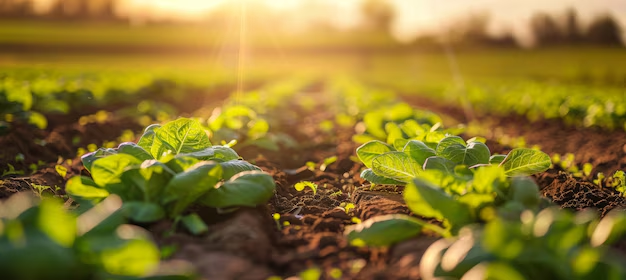
This approach also strengthens rural economies and creates new opportunities for employment and entrepreneurship.
If implemented on a large scale, agroforestry could transform millions of hectares of farmland and create a resilient agricultural landscape for future generations.
Conclusion: A New Vision for Farmers
The future of agriculture in Bharat depends on how effectively the country addresses the challenges faced by its farmers today.
Soil degradation, declining productivity, and financial stress cannot be solved through temporary policies alone. A deeper transformation is required.
Tree-based agriculture provides a practical and sustainable solution. It restores the ecological balance of farms while creating long-term economic security for farmers.
By encouraging agroforestry, simplifying regulations, and investing in rural development, Bharat can create a farming system that supports both people and the planet.
When farmers thrive, the nation thrives. Liberating agriculture is not just an economic necessity—it is essential for the future prosperity of Bharat.


Liberating Agriculture in Bharat: A Long-Term Future for Farmers Through Farming with Trees

FAO World Programme of Census of Agriculture 2030: A Global Data Revolution for the Future of Farming

India is running low on LPG in 2026, so hotels are switching to firewood as the government focuses on cooking gas for homes.

The economy of Karnataka is doing better than the national average. The state’s growth rate is 12% for the second year in a row.

Karnataka Budget 2026–27: Key Announcements, Infrastructure Plans, Welfare Schemes and Economic Impact

Israel–Iran War LIVE: Russia Reportedly Providing Iran With Info to Strike U.S. Military as Regional Conflict Intensifies

Sugar Shares Rally on Hopes of Higher Ethanol Blend Amid West Asia Crisis

AI Farming Tools and the Global Food System: Are Tech Giants Controlling What We Eat?

New GDP Series Makes Meeting Fiscal Targets and $4 Trillion Economy Goal More Difficult

BMRCL Deploys Eighth Trainset on Namma Metro Yellow Line: What It Means for Bengaluru Commuters

ಯೂನಿಯನ್ ಬಜೆಟ್ 2026 ಕೃಷಿ ಅನುದಾನ: ಭಾರತದ ಅಭಿವೃದ್ಧಿಯ ಬೆನ್ನೆಲುಬಾಗಿ ಕೃಷಿ

ಆರಂಭಿಕರು ಒಯ್ಸ್ಟರ್ ಮಶ್ರೂಮ್ ಕೃಷಿಯನ್ನು ಹೇಗೆ ಆರಂಭಿಸಬಹುದು?

What Is the Best Climate for Saffron Cultivation?

ಹ್ಯೂಮಸ್ ಕಾಂಪೋಸ್ಟ್ & ಮ್ಯಾನ್ಯುರ್

Farming: ಹಳ್ಳಿಗಳಿಗೆ ಹಿಂದಿರುಗಿ ಕೃಷಿಯತ್ತ ಒಲವು ತೋರುತ್ತಿರುವ ವೃತ್ತಿಪರರು – ನಿಜವಾದ ಕಾರಣಗಳು ಮತ್ತು ಭವಿಷ್ಯದ ಜೀವನಶೈಲಿ

ರೈತರಿಗೆ ಸಿದ್ದರಾಮಯ್ಯ ಭರ್ಜರಿ ಗುಡ್ ನ್ಯೂಸ್: ಕೃಷಿಭಾಗ್ಯ ಯೋಜನೆಗೆ ಮರು ಚಾಲನೆ – ಸಂಪೂರ್ಣ ಮಾಹಿತಿ

Bengaluru in Trouble: ಐಟಿ ಬಿದ್ದರೆ ಬೆಂಗಳೂರು ಬೀಳುತ್ತೆ – ಸಂಕಷ್ಟದಲ್ಲಿ ನಮ್ಮ ಬೆಂಗಳೂರು
Karnataka Budget 2026–27: Key Announcements, Infrastructure Plans, Welfare Schemes and Economic Impact

ಕೇಂದ್ರ ಬಜೆಟ್ 2026 ಕೃಷಿಕರಿಗೆ ಏನು ಕೊಡುಗೆ? ಭಾರತ್ ವಿಸ್ತಾರ್ AI ಪರಿಕರದಿಂದ ರೈತರಿಗೇನು ಲಾಭ?
