


Creative Ideas
How to Start Kesari (Saffron) Farming in India?

Short Overview
Kesari (Saffron) farming in India is becoming a highly profitable agricultural opportunity due to rising demand, low competition, and premium market prices. With the right climate, soil preparation, and modern farming techniques, farmers can earn strong returns even from small land areas. This guide explains everything you need to know about starting saffron farming in India in a simple and practical way.
Learn how to start Kesari (Saffron) farming in India with this complete step-by-step guide. Discover climate and soil requirements, bulb selection, planting method, irrigation, harvesting, cost, yield, and profit margin. This beginner-friendly saffron farming guide explains modern cultivation techniques, government subsidies, and marketing strategies in simple language. Perfect for farmers and entrepreneurs looking to start high-profit saffron cultivation in India with low land requirements and strong market demand.

Table of Contents
- Introduction to Kesari (Saffron) Farming
- What is Kesari (Saffron) and Why Is It So Valuable?
- Scope of Saffron Farming in India
- Climate and Soil Requirements for Saffron Cultivation
- Best Regions in India for Kesari Farming
- Land Preparation for Saffron Farming
- Selection of Saffron Bulbs (Corms)
- Planting Method and Spacing
- Irrigation Requirements for Saffron Crop
- Fertilizer and Nutrient Management
- Weed Control and Crop Care
- Flowering Stage and Harvesting Process
- Drying, Storage, and Packaging of Saffron
- Yield Per Acre and Profit Margin
- Cost of Saffron Farming in India
- Government Subsidies and Support
- Common Problems and Their Solutions
- Marketing and Selling Kesari Saffron
- Future of Saffron Farming in India
- Conclusion
Introduction to Kesari (Saffron) Farming
Kesari farming, commonly known as saffron farming, is one of the most premium and high-value agricultural practices in the world. Saffron is derived from the dried stigmas of the Crocus sativus flower and is widely used in food, medicine, cosmetics, and religious rituals. Due to its labor-intensive harvesting process and low yield per flower, saffron is often called “Red Gold.”
In India, saffron farming has traditionally been limited to a few regions, but with improved technology and controlled farming methods, it is now possible to grow saffron in many suitable areas.
What is Kesari (Saffron) and Why Is It So Valuable?
Kesari is not just a spice; it is a luxury agricultural product. Around 150,000 flowers are needed to produce just one kilogram of saffron, which explains its high market value. It is rich in antioxidants, has medicinal benefits, and enhances flavor and color in dishes.
Its limited production and growing demand make saffron farming a high-income opportunity for Indian farmers.
Scope of Saffron Farming in India
India imports a large quantity of saffron every year due to insufficient domestic production. This gap creates a strong opportunity for local farmers. With increasing awareness of organic products and Ayurvedic medicine, Indian-grown saffron has a promising future in both domestic and international markets.
Climate and Soil Requirements for Saffron Cultivation
Saffron grows best in a cool and dry climate. It requires cold winters and mild summers for proper flowering. The ideal temperature ranges between 15°C to 25°C during growth and slightly colder during dormancy.
Well-drained sandy loam soil rich in organic matter is ideal. Waterlogging can damage saffron bulbs, so drainage is critical.
Best Regions in India for Kesari Farming
Traditionally, saffron has been grown in Jammu & Kashmir, but farmers in Himachal Pradesh, Uttarakhand, parts of Maharashtra, Rajasthan, and even controlled environments in South India have successfully adopted saffron farming.
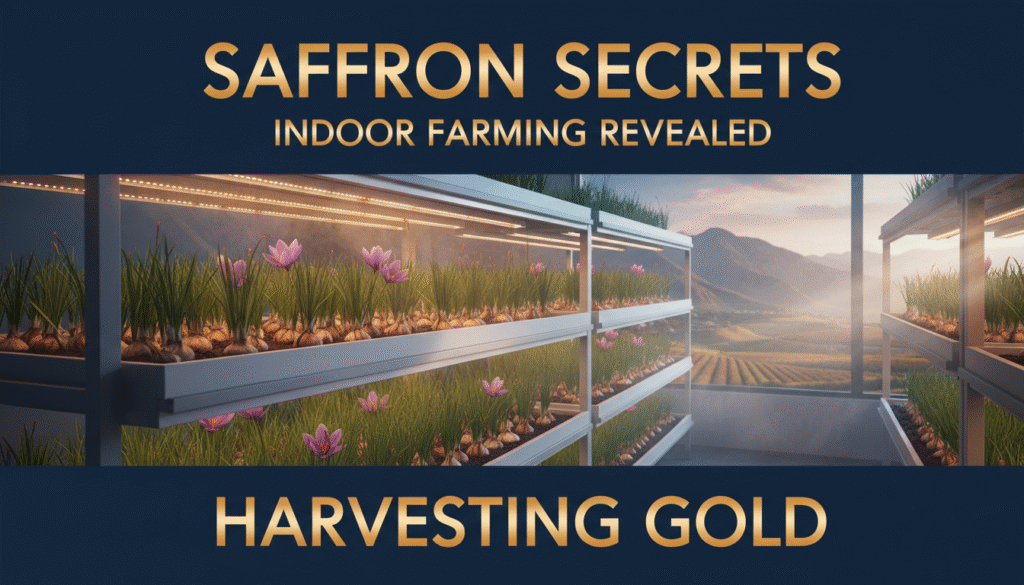
Indoor saffron farming using trays and hydroponic systems is also gaining popularity.
Land Preparation for Saffron Farming
Land preparation plays a major role in saffron yield. The soil should be deeply plowed and cleared of stones and weeds. Organic manure such as vermicompost or farmyard manure should be mixed thoroughly to enhance soil fertility.
Raised beds are recommended to improve drainage and root aeration.
Selection of Saffron Bulbs (Corms)
Healthy and disease-free saffron bulbs are the foundation of a successful crop. Bulbs should weigh at least 8–10 grams for better flowering. Bigger bulbs produce more flowers and higher-quality saffron strands.
Always purchase bulbs from certified or trusted suppliers.
Planting Method and Spacing
Saffron bulbs are planted at a depth of 10–15 cm with proper spacing to allow growth. Rows should be evenly spaced to ensure good airflow and sunlight penetration. Proper spacing also reduces the risk of fungal diseases.
Planting is usually done between June and August.
Irrigation Requirements for Saffron Crop
Saffron does not require heavy irrigation. Light watering after planting helps initiate growth, followed by minimal irrigation during flowering. Overwatering can cause bulb rot, so moisture control is essential.
Drip irrigation is highly recommended for water efficiency.
Fertilizer and Nutrient Management
Organic fertilizers are preferred for saffron farming. Compost, bone meal, and biofertilizers improve soil health and saffron quality. Chemical fertilizers should be avoided or used in limited amounts to maintain purity.
Weed Control and Crop Care
Weeds compete with saffron plants for nutrients and water. Manual weeding is the safest method. Mulching can also help suppress weeds and maintain soil moisture.
Regular field inspection ensures early detection of pests or diseases.
Flowering Stage and Harvesting Process
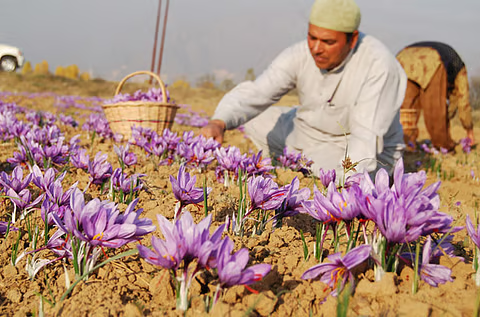
Saffron flowers bloom in autumn and must be harvested early in the morning before sunlight affects quality. Each flower contains three red stigmas, which are carefully hand-picked.
Harvesting is labor-intensive but crucial for premium-quality saffron.
Drying, Storage, and Packaging of Saffron
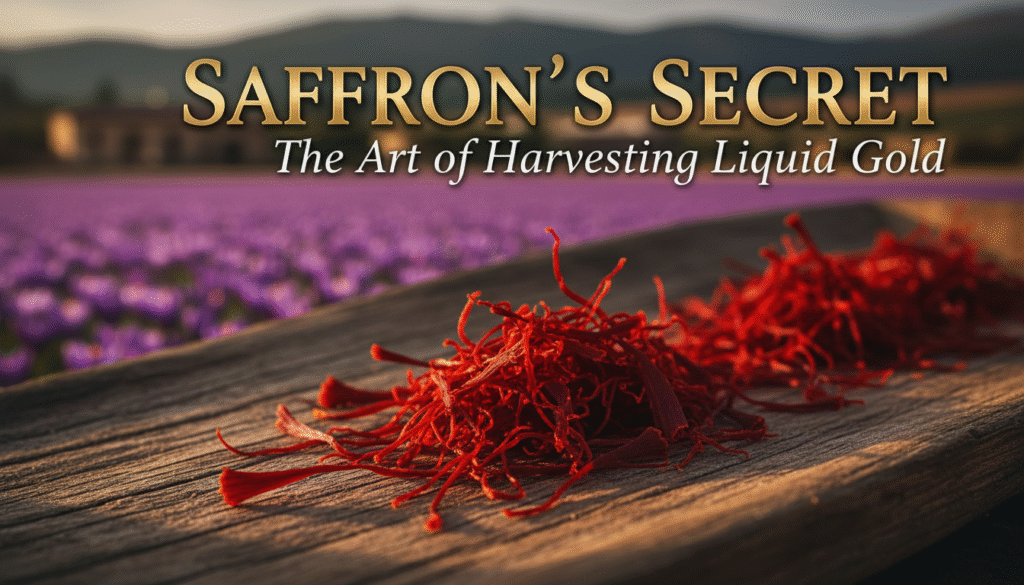
After harvesting, saffron stigmas are dried under controlled temperature to retain color and aroma. Proper drying enhances shelf life and market value.
Store saffron in airtight containers away from light and moisture.
Yield Per Acre and Profit Margin
On average, saffron farming can produce 2–4 kg per acre under good management. Given its high market price, farmers can earn lakhs of rupees annually from a small area.
Profit increases significantly after the second year as bulbs multiply.
Cost of Saffron Farming in India
Initial investment includes land preparation, bulbs, labor, and irrigation setup. While the first-year cost may seem high, saffron farming offers excellent long-term returns with minimal recurring expenses.
Government Subsidies and Support
The Indian government and state agriculture departments provide subsidies, training, and financial support for saffron cultivation under various horticulture schemes.
Farmers should consult local agriculture offices for updated schemes.
Common Problems and Their Solutions
Issues like bulb rot, fungal infections, and poor flowering are common. These can be prevented through proper drainage, healthy bulbs, and controlled irrigation.
Marketing and Selling Kesari Saffron
Saffron can be sold through local markets, online platforms, exporters, herbal companies, and direct-to-consumer branding. Proper packaging and certification help fetch premium prices.
Future of Saffron Farming in India
With rising demand, limited supply, and strong government support, saffron farming is poised to become one of India’s most profitable niche agricultural sectors.
Conclusion
Kesari (saffron) farming in India is a golden opportunity for farmers who are willing to invest in quality and patience. With the right knowledge, climate, and farming practices, saffron cultivation can deliver exceptional profits and long-term sustainability. As demand continues to rise, starting saffron farming today can secure a prosperous agricultural future.


Budget 2026 Agriculture Policy: Push for High-Value Crops but Farmers Still Struggle

Climate Smart Agriculture in Europe: Why Supporting Farmers Is the Key to a Resilient Food Future
How to Start Kesari (Saffron) Farming in India?

DJI Agriculture Drone: Market-Leading AgTech for Smarter Farming in 2026

Digital Agriculture for Farmland Biodiversity: Bridging Knowledge Gaps for Sustainable Farming

How to Start Mushroom Farming at Home?

What Is the Investment Required for Mushroom Farming?

Subsidies or Traps: Are Government Schemes Keeping Farmers Poor?

Microalgae in Modern Agriculture: The Quiet Technology Re-Engineering Sustainable Farming

Union Budget 2026 Agriculture Industry Demands: Tax Relief, Biofuel Push and Strong Infrastructure Support

Why Are Small Farmers Still Ignoring Drip Irrigation Despite Water Crisis?

Is Climate-Smart Farming Just a Buzzword with No Real ROI?

Why Are So Many Polyhouse Projects Failing in India?

Can One Profitable Cash Crop Replace Five Low-Margin Crops?

Is Organic Certification in India Worth the Time and Money?

Should Small Farmers Stop Growing Water-Hungry Crops Completely?

Canal Water in Punjab Agriculture: How Reaching the Last Field Is Transforming Farming, Saving Groundwater, and Building a Sustainable Future
Union Budget 2026 Agriculture Industry Demands: Tax Relief, Biofuel Push and Strong Infrastructure Support

Union Budget 2026 Fertiliser Reforms: Strengthening India’s Fertiliser Backbone for Sustainable Agriculture
