


Innovative News
What Is the Investment Required for Mushroom Farming?

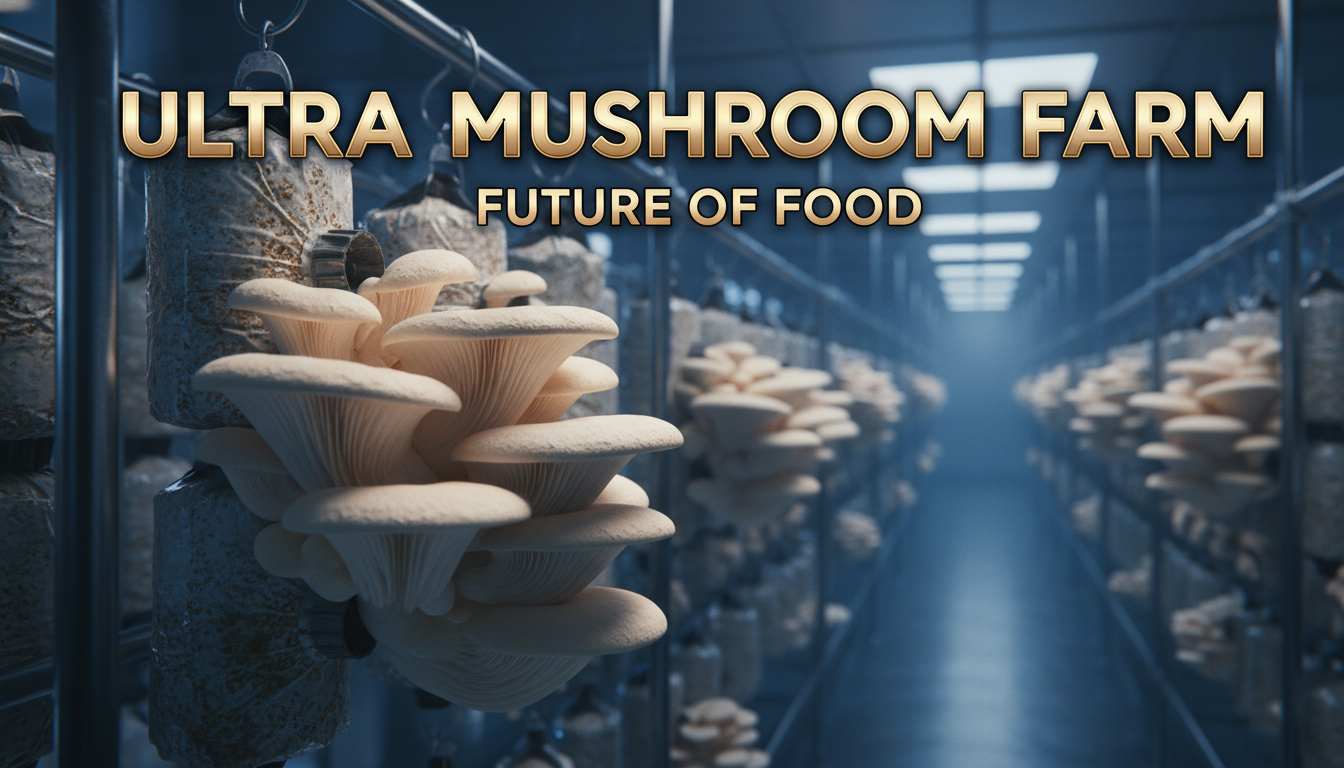
Short Overview
Mushroom farming is becoming one of the most profitable agribusiness ideas due to its low land requirement, fast returns, and growing demand. Many beginners want to know one simple thing before starting: how much investment is required for mushroom farming. This blog explains the exact cost in a clear and realistic way, covering small-scale to commercial setups, ongoing expenses, and profit expectations so you can make an informed decision.
Understanding the investment required for mushroom farming is essential before starting this profitable agribusiness. This detailed guide explains mushroom farming setup cost, raw material expenses, infrastructure investment, labor cost, and expected returns. Whether you plan a small-scale mushroom farming unit at home or a commercial mushroom farming business, this article gives a clear budget estimate in simple language. Learn how much capital is required, how to reduce costs, and when you can expect profits. Perfect for beginners, farmers, and entrepreneurs looking to start mushroom cultivation with confidence and proper financial planning.

Table of Contents
- Introduction to Mushroom Farming
Why Mushroom Farming Is Gaining Popularity
Types of Mushrooms and Their Cost Difference
Factors That Affect Mushroom Farming Investment
Investment Required for Small-Scale Mushroom Farming
Investment Required for Medium-Scale Mushroom Farming
Investment Required for Large-Scale Mushroom Farming
Cost Breakdown of Mushroom Farming
Infrastructure and Space Cost
Equipment and Tools Cost
Raw Material and Spawn Cost
Labor and Operational Expenses
Training and Miscellaneous Costs
Expected Returns and Profit Margin
Common Mistakes Beginners Should Avoid
Is Mushroom Farming Profitable for Beginners?
Government Subsidy and Support (Brief Insight)
Conclusion
Introduction to Mushroom Farming
Mushroom farming is a modern agricultural practice where edible mushrooms are grown under controlled conditions instead of open fields. Unlike traditional crops, mushrooms do not need sunlight or large farmland, which makes this business suitable for small farmers, house owners, and even urban entrepreneurs. The biggest question most beginners ask is about the investment required for mushroom farming, and this blog answers that in a clear and practical way.
Why Mushroom Farming Is Gaining Popularity
Mushroom farming is popular because it offers quick production cycles, high market demand, and better profit margins compared to many traditional crops. People are becoming more health-conscious, and mushrooms are known for their nutritional value, which increases demand year after year. Another reason is that the initial investment can be very flexible, depending on how big or small you want to start.

Types of Mushrooms and Their Cost Difference
The investment required for mushroom farming depends a lot on the type of mushroom you choose. Button mushrooms need controlled temperature and higher setup cost, while oyster mushrooms can be grown with very low investment. Milky mushrooms fall somewhere in between and are suitable for warm climates. Each type has a different market price, production cycle, and maintenance cost, which directly affects your investment.
Factors That Affect Mushroom Farming Investment
Several factors decide how much money you need to start mushroom farming. These include the scale of production, type of mushroom, availability of space, climate control requirements, labor cost, and local market access. If you already have a room or shed, your investment reduces significantly. Beginners should always start small and expand gradually to reduce risk.
Investment Required for Small-Scale Mushroom Farming
Small-scale mushroom farming is ideal for beginners and home-based entrepreneurs. The investment required for mushroom farming at a small level usually ranges between ₹30,000 to ₹80,000. This setup can be done in a single room or shed and is best for oyster or milky mushrooms. With proper care, this scale can generate a steady monthly income without much financial pressure.
Investment Required for Medium-Scale Mushroom Farming
Medium-scale mushroom farming needs a slightly higher budget and better planning. The investment generally falls between ₹1.5 lakh to ₹3 lakh. This scale requires multiple growing rooms, better ventilation, and more raw materials. Many farmers choose this level after gaining experience from small-scale farming, as it offers higher profits with manageable risk.
Investment Required for Large-Scale Mushroom Farming
Large-scale mushroom farming is a commercial operation that requires professional management. The investment required for mushroom farming at this level can range from ₹6 lakh to ₹15 lakh or more, depending on technology and automation. Button mushroom farms usually fall in this category because they require temperature-controlled environments. This scale is suitable for entrepreneurs targeting bulk supply to hotels, supermarkets, and exporters.
Cost Breakdown of Mushroom Farming
Understanding where your money goes is important before starting. Mushroom farming investment is mainly divided into infrastructure, equipment, raw materials, labor, and operating expenses. Each component plays an important role in the success of the farm. Planning these costs properly helps avoid unnecessary spending and financial stress later.
Infrastructure and Space Cost
Infrastructure cost includes room preparation, racks, flooring, and ventilation. If you already own a space, this cost becomes very low. For rented or newly built sheds, infrastructure can cost between ₹15,000 to ₹2 lakh, depending on size and materials used. Good hygiene and airflow are more important than expensive construction.
Equipment and Tools Cost
Basic equipment includes shelves, sprayers, humidity controllers, thermometers, and lighting. For small-scale farming, equipment cost remains minimal, usually under ₹10,000 to ₹20,000. Medium and large farms may require additional tools like exhaust fans and humidifiers, which increase the total investment.
Raw Material and Spawn Cost
Raw materials include straw, compost, poly bags, and mushroom spawn. This is a recurring cost and depends on production volume. On average, raw material costs range from ₹5,000 to ₹30,000 per cycle. High-quality spawn is crucial because it directly affects yield and profit.
Labor and Operational Expenses
Labor cost depends on the size of your farm. Small farms can be managed by family members, while medium and large farms may need hired workers. Operational expenses also include electricity, water, and transportation. These costs are usually manageable and predictable when planned properly.
Training and Miscellaneous Costs
Beginners should invest in basic training to avoid mistakes. Training programs, online courses, or workshops may cost a small amount but save a lot of money in the long run. Miscellaneous costs also include packaging, marketing, and minor repairs, which should always be included in your budget.
Expected Returns and Profit Margin
Mushroom farming offers attractive profit margins when done correctly. Small-scale farmers can earn ₹15,000 to ₹30,000 per month, while medium-scale farmers can earn much more. Large-scale farms can generate significant profits if market connections are strong. Returns usually start within 30 to 45 days, making it a fast-income agribusiness.
Common Mistakes Beginners Should Avoid
Many beginners fail due to lack of hygiene, poor quality spawn, and improper temperature control. Over-investing at the start without market research is another common mistake. Mushroom farming requires patience, cleanliness, and consistency rather than heavy spending.

Is Mushroom Farming Profitable for Beginners?
Yes, mushroom farming is profitable for beginners if started with the right guidance and realistic expectations. It is one of the few agribusinesses where you can start small, learn gradually, and scale up with experience. Proper planning and market understanding are more important than large investment.
Government Subsidy and Support
In many regions, governments offer subsidies and training programs for mushroom farming under agricultural and rural development schemes. These supports reduce the investment required for mushroom farming and encourage new entrepreneurs. Checking with local agriculture departments can be very helpful before starting.
Conclusion
The investment required for mushroom farming depends entirely on your goals, scale, and mushroom type. From small home-based setups to large commercial farms, this business offers flexibility, fast returns, and growing demand. With simple planning, basic training, and gradual expansion, mushroom farming can become a stable and profitable income source for beginners and experienced farmers alike.


OUAT Farmers Fair 2026: Helping Women Farmers Start Their Own Businesses and Moving Smart Agriculture Forward in India

India’s 2026 strategy for importing fertiliser: how India is making global supply chains stronger

The Effects of Global War on Farming in India: Why Prices Are Going Up and What Farmers Can Do

Digital Transformation in Agriculture: How Smart Technology is Changing the Way We Farm Today

The Truth About AI Stock Trading: An AI-Powered Trading Agent Turns ₹11 Lakh Into ₹40 Lakh Overnight

Organic Fertilizer Market Size and Forecast for 2026–2034: Trends in Growth, Future Demand, and Information on Sustainable Agriculture

Bharat-VISTAAR: India’s New AI Digital Platform Changing Farming for Millions of Farmers

Liberating Agriculture in Bharat: A Long-Term Future for Farmers Through Farming with Trees

FAO World Programme of Census of Agriculture 2030: A Global Data Revolution for the Future of Farming

India is running low on LPG in 2026, so hotels are switching to firewood as the government focuses on cooking gas for homes.

What Is the Best Climate for Saffron Cultivation?

Karnataka Budget 2026–27: Key Announcements, Infrastructure Plans, Welfare Schemes and Economic Impact
India is running low on LPG in 2026, so hotels are switching to firewood as the government focuses on cooking gas for homes.

Farming: ಹಳ್ಳಿಗಳಿಗೆ ಹಿಂದಿರುಗಿ ಕೃಷಿಯತ್ತ ಒಲವು ತೋರುತ್ತಿರುವ ವೃತ್ತಿಪರರು – ನಿಜವಾದ ಕಾರಣಗಳು ಮತ್ತು ಭವಿಷ್ಯದ ಜೀವನಶೈಲಿ

ಕೇಂದ್ರ ಬಜೆಟ್ 2026 ಕೃಷಿಕರಿಗೆ ಏನು ಕೊಡುಗೆ? ಭಾರತ್ ವಿಸ್ತಾರ್ AI ಪರಿಕರದಿಂದ ರೈತರಿಗೇನು ಲಾಭ?

Aadhar Model Smart Card To Farmers: ರೈತರಿಗೆ ಆಧಾರ್ ಮಾದರಿ ಸ್ಮಾರ್ಟ್ ಕಾರ್ಡ್ ಯೋಜನೆ – ಸಂಪೂರ್ಣ ಮಾಹಿತಿ, ಅನುಕೂಲತೆಗಳು ಮತ್ತು ನೋಂದಣಿ ವಿವರಗಳು

Sugar Shares Rally on Hopes of Higher Ethanol Blend Amid West Asia Crisis
FAO World Programme of Census of Agriculture 2030: A Global Data Revolution for the Future of Farming

ಮ್ಯೂಚುವಲ್ ಫಂಡ್ SIP ಮೂಲಕ 15 ವರ್ಷಗಳಲ್ಲಿ ₹10 ಕೋಟಿ ರೂಪಾಯಿ ಗಳಿಸುವುದು ಹೇಗೆ?
