


Sustainable Farming
How to Use Drip Irrigation for Small Farms: Save Water, Grow More


Discover how drip irrigation can help small farms save water, improve crop yields, and boost efficiency. This simple guide will help you set up and use drip systems effectively on your farm.
Table of Contents
- Introduction
- What Is Drip Irrigation?
- Benefits of Drip Irrigation for Small Farms
- How to Set Up Drip Irrigation
- Tips for Maximizing Drip Irrigation Efficiency
- Common Mistakes to Avoid
- Conclusion
1. Introduction
Water is one of the most critical resources for farming, but it can also be one of the scarcest. As small farms continue to grow and expand, finding efficient ways to use water is more important than ever. Drip irrigation is one of the most effective solutions for conserving water while improving crop yields. In this blog, we’ll explore how to use drip irrigation on small farms, covering everything from the basics to setup tips and common mistakes to avoid.

By adopting drip irrigation, small farmers can save water, reduce costs, and grow healthier crops. Let’s dive in and learn how drip irrigation can revolutionize the way you water your farm.

2. What Is Drip Irrigation?
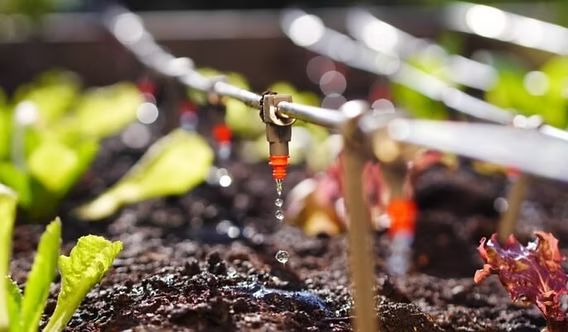
Drip irrigation is a method of watering plants that delivers water directly to the roots, minimizing evaporation and runoff. Unlike traditional sprinkler systems, which spray water over large areas, drip irrigation uses a network of tubing, pipes, and emitters to deliver water directly to the soil near the plant’s root zone.
This system allows for precise control over the amount of water delivered to each plant, making it highly efficient. It is especially beneficial for small farms, where water conservation and cost-effectiveness are crucial.
3. Benefits of Drip Irrigation for Small Farms
Drip irrigation offers several advantages for small farms, making it a top choice for sustainable farming practices:
- Water Conservation: Drip irrigation reduces water waste by delivering water directly to the roots where it is needed most. This method reduces evaporation and runoff, making it ideal for areas with limited water resources.
- Increased Efficiency: With drip irrigation, water is distributed evenly, ensuring that crops receive the right amount of moisture. This can lead to more consistent plant growth and improved yields.
- Reduced Weed Growth: By limiting the water exposure to areas outside of the plant’s root zone, drip irrigation helps reduce the growth of weeds, which are often fueled by excess water.
- Improved Soil Health: Drip systems allow for controlled watering, which helps prevent over-watering and soil erosion, promoting healthier, more fertile soil.
- Lower Water Bills: By using less water and targeting it more efficiently, farmers can reduce their overall water usage, leading to lower utility bills.
4. How to Set Up Drip Irrigation
Setting up a drip irrigation system on your small farm doesn’t have to be complicated. Here’s a step-by-step guide to getting started:
- Plan Your Layout: Before setting up your system, consider the layout of your farm. Decide where you want to place your drip lines, ensuring that they are positioned near the root zones of your crops.
- Choose the Right Components: A basic drip irrigation system consists of a water source (like a pump or faucet), drip tubing, emitters, filters, and connectors. Make sure you choose the right size tubing and emitters based on the crops you’re growing and the layout of your farm.
- Install the Tubing: Lay down the drip tubing along your rows of crops, ensuring the emitters are spaced evenly. Secure the tubing with stakes or other materials to prevent it from shifting during watering.
- Connect the System: Attach the tubing to the water source and connect all components. Be sure to install a filter to prevent debris from clogging the system and a pressure regulator to ensure consistent water flow.
- Test the System: Turn on the system and check that the emitters are releasing water evenly. Adjust the system as needed to ensure all plants receive adequate watering.

5. Tips for Maximizing Drip Irrigation Efficiency
To get the most out of your drip irrigation system, here are a few tips to help you maximize efficiency:
- Use Timers: Set up a timer to control when and how long the system runs. This ensures that your crops get the right amount of water at the right time of day, reducing water waste.
- Monitor Water Flow: Regularly check the system for clogs or leaks. Maintaining optimal water flow ensures that the system works efficiently and effectively.
- Mulch Around Plants: Adding mulch around your plants helps retain moisture, reducing the amount of water needed. It also helps control weeds and keeps the soil temperature stable.
- Use High-Quality Components: Invest in high-quality drip emitters, tubing, and connectors to prevent clogs and ensure long-term durability.
6. Common Mistakes to Avoid
While drip irrigation is highly effective, there are a few common mistakes to watch out for:
- Over-watering or Under-watering: If the system is not properly calibrated, you might end up over-watering or under-watering your crops. Regularly monitor soil moisture to ensure that the system is delivering the right amount of water.
- Ignoring Maintenance: Neglecting to clean filters or check for clogs can reduce the efficiency of your drip system. Perform routine maintenance to keep everything running smoothly.
- Not Adjusting for Seasonal Changes: As the seasons change, so do your crops’ water needs. Adjust your watering schedule and system settings to match the changing climate and plant growth stages.
7. Conclusion
Drip irrigation is a game-changer for small farms, offering a sustainable, efficient, and cost-effective way to conserve water and grow healthier crops. By implementing a drip system, you can reduce water waste, increase crop yields, and improve soil health—all while lowering your utility bills. Whether you’re growing vegetables, herbs, or fruit crops, drip irrigation is a valuable tool that can help you save water and grow more.
With proper setup and regular maintenance, your drip irrigation system can be a long-term investment that pays off year after year. Start small, plan your layout, and enjoy the benefits of using this innovative irrigation method on your farm.


Assembly Elections 2026 Live Updates: High-Stakes Battle Across Kerala, Assam & Puducherry

Farm Automation Tools That Increase Profitability for Vegetable Growers

Iran Israel War Latest News 2026: What’s Happening in West Asia and Why It Matters Globally
Smart Irrigation Systems Suitable for Water-Scarce Regions in India

Why India-Bound Iran Crude Oil Shipment Was Diverted to China: Full Story, Impact & What It Means for India

Best Software Platforms for Farm Management and Crop Monitoring in 2026

How to Implement IoT Solutions in Agriculture for Better Yields

New Income Tax Rules 2026: Complete Guide for Salaried Taxpayers in India

Best Smart Farming Tools for Small Farms in India

LPG Tankers from Strait of Hormuz Reach India: What It Means for Energy Security and Fuel Supply

The Effects of Global War on Farming in India: Why Prices Are Going Up and What Farmers Can Do

Potato Farming Crisis in Uttar Pradesh: Causes, Challenges, and Solutions for Farmers

Fibre Optic Sensors in Agriculture: The Future of Smart Farming and Soil Monitoring

FAO World Programme of Census of Agriculture 2030: A Global Data Revolution for the Future of Farming

The Truth About AI Stock Trading: An AI-Powered Trading Agent Turns ₹11 Lakh Into ₹40 Lakh Overnight

India’s 2026 strategy for importing fertiliser: how India is making global supply chains stronger

Bharat-VISTAAR: India’s New AI Digital Platform Changing Farming for Millions of Farmers

Iran Israel US War 2026: What the Conflict in West Asia Means for Oil, World Stability, and Daily Life

Organic Fertilizer Market Size and Forecast for 2026–2034: Trends in Growth, Future Demand, and Information on Sustainable Agriculture
