


Creative Ideas
How to Implement IoT Solutions in Agriculture for Better Yields

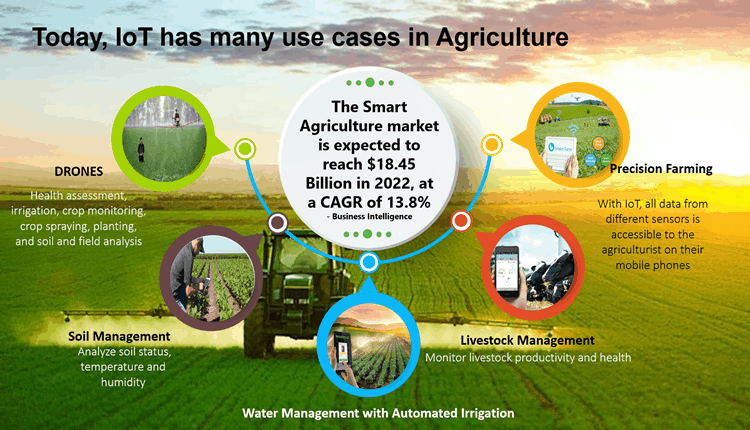
Short Overview
Agriculture is changing fast, and technology is leading this transformation. IoT (Internet of Things) is helping farmers make smarter decisions using real-time data. In this blog, you will learn how to implement IoT solutions in agriculture in a simple and practical way to improve crop yields, reduce waste, and increase profits.
Learn how to implement IoT solutions in agriculture for better yields with this complete beginner-friendly guide. Discover how smart farming technologies like sensors, automation, real-time monitoring, and data-driven decision-making can improve crop productivity, reduce water usage, and lower operational costs. This blog explains practical steps, tools, and strategies to adopt IoT in agriculture, even for small farmers. Whether you want to increase efficiency, prevent crop diseases, or optimize irrigation, this guide covers everything in simple and easy-to-understand language. Start your smart farming journey today and boost your agricultural output with the power of IoT technology.

Table of Contents
- Introduction to IoT in Agriculture
- Why IoT is Important for Modern Farming
- Key IoT Technologies Used in Agriculture
- Step-by-Step Guide to Implement IoT in Farming
- Real-Life Applications of IoT in Agriculture
- Benefits of Using IoT for Better Yields
- Challenges and How to Overcome Them
- Future of IoT in Agriculture
- Conclusion
Introduction to IoT in Agriculture
Farming is no longer only about hard work and experience. Today, it is also about smart decisions backed by data. The Internet of Things (IoT) connects devices like sensors, machines, and software to collect and analyze information in real time.
This means farmers can now monitor soil moisture, weather conditions, crop health, and irrigation systems without being physically present in the field all the time. With the help of IoT, agriculture becomes more efficient, predictable, and productive.
Why IoT is Important for Modern Farming
Traditional farming methods often depend on guesswork. This can lead to overwatering, poor crop health, and low yields. IoT removes this uncertainty by providing accurate data.
When farmers know exactly what their crops need, they can act quickly and effectively. This leads to better results with less effort. IoT also helps in saving resources like water, fertilizers, and energy, making farming more sustainable.
Key IoT Technologies Used in Agriculture
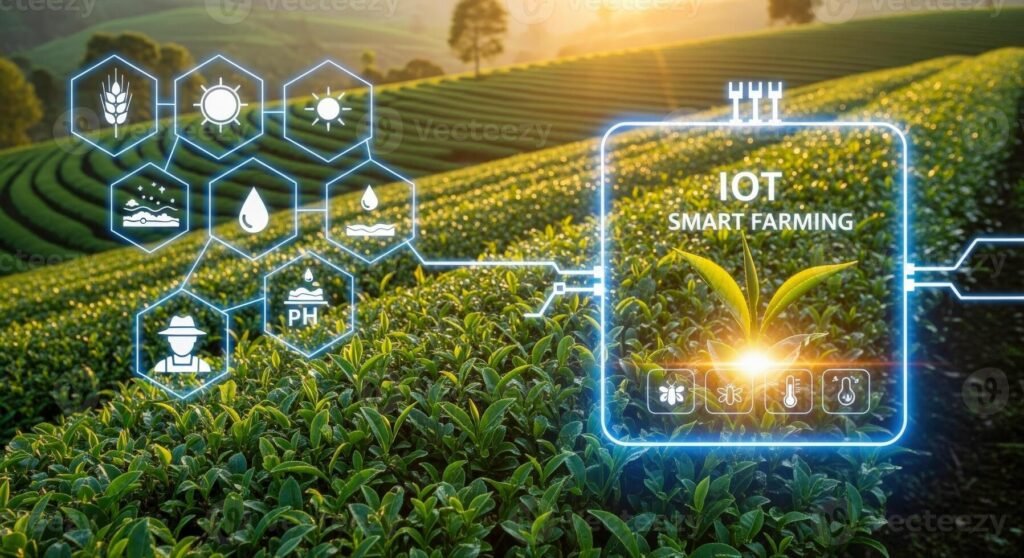
IoT in agriculture is made possible by a combination of smart technologies working together.
Sensors are used to collect data from the field. These sensors can measure soil moisture, temperature, humidity, and nutrient levels.
Drones and satellite imaging help in monitoring large fields and identifying problem areas.
Automated irrigation systems use real-time data to water crops only when needed.
Cloud platforms store and analyze data, helping farmers make informed decisions.
Mobile apps allow farmers to access all this information easily from their smartphones.
Step-by-Step Guide to Implement IoT in Farming
Implementing IoT in agriculture may sound complicated, but it can be done step by step in a simple way.
The first step is to identify your farming needs. Every farm is different, so it is important to understand what problems you want to solve. It could be water management, pest control, or improving crop yield.
Next, choose the right IoT devices. Start with basic sensors that monitor soil and weather conditions. These are affordable and easy to use.
After that, set up connectivity. IoT devices need internet access to send and receive data. Depending on your location, you can use Wi-Fi, mobile networks, or LPWAN technologies.
Then, integrate a data platform. This is where all the collected data is stored and analyzed. Many platforms provide simple dashboards that show insights clearly.
Finally, train yourself or your team. Understanding how to read data and take action is the key to success. Start small, learn from the results, and gradually expand your IoT system.
Real-Life Applications of IoT in Agriculture
IoT is already being used in many ways to improve farming.
Smart irrigation systems automatically water crops based on soil moisture levels. This prevents overwatering and saves water.
Livestock monitoring uses sensors to track animal health and behavior, improving productivity.
Greenhouse automation controls temperature, humidity, and light to create the perfect growing environment.
These applications show how IoT is making farming more efficient and reliable.
Benefits of Using IoT for Better Yields
The biggest advantage of IoT is increased productivity. Farmers can grow more crops with better quality.
It also reduces costs by optimizing the use of resources like water, fertilizers, and labor.
Real-time monitoring helps in quick decision-making, reducing risks and losses.
IoT also improves sustainability by minimizing waste and protecting natural resources.
In the long run, it helps farmers increase their income and build a more stable farming system.
Challenges and How to Overcome Them
While IoT offers many benefits, there are also some challenges.
The initial cost of devices and setup can be high. However, starting small and scaling gradually can solve this issue.
Connectivity can be a problem in remote areas. Using low-power wide-area networks can help.
Data management can feel overwhelming at first. Choosing user-friendly platforms makes it easier.
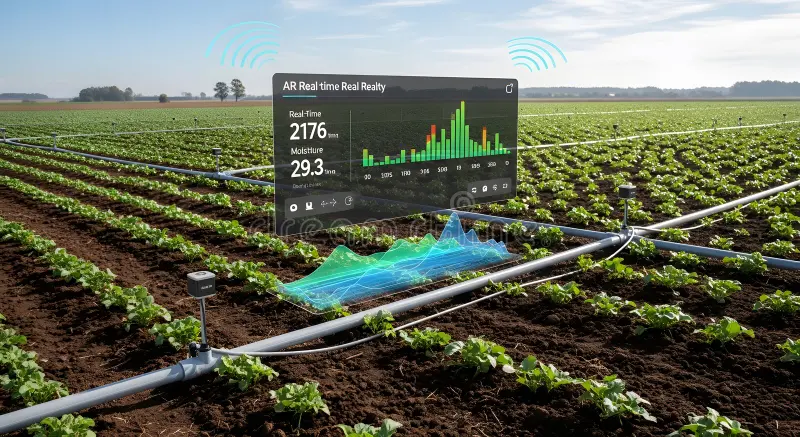
Training and awareness are also important. Farmers need basic knowledge to use IoT effectively.
With the right approach, these challenges can be managed easily.
Future of IoT in Agriculture
In the coming years, farms will become fully automated, where machines can make decisions without human intervention.
Precision farming will become more advanced, helping farmers achieve maximum yield with minimum resources.
This transformation will not only benefit farmers but also ensure food security for the growing global population.
Conclusion
IoT is changing the way agriculture works. It is making farming smarter, more efficient, and more profitable. By implementing IoT solutions step by step, even small farmers can benefit from this technology.
The key is to start simple, understand your needs, and use data to make better decisions. As technology continues to grow, those who adopt IoT early will have a strong advantage.
If you want better yields, lower costs, and a sustainable future, now is the right time to embrace IoT in agriculture.


How to Implement IoT Solutions in Agriculture for Better Yields

New Income Tax Rules 2026: Complete Guide for Salaried Taxpayers in India

Best Smart Farming Tools for Small Farms in India

LPG Tankers from Strait of Hormuz Reach India: What It Means for Energy Security and Fuel Supply

Stock Market Crash 2026: Why Markets Fell Over 2% Amid Rising Crude Prices

AI for Agriculture Innovation Initiative: Transforming Farming with Smart Technology

Digital Agriculture Mission India 2025: Complete Guide to Smart Farming Trends and Future Growth

Potato Farming Crisis in Uttar Pradesh: Causes, Challenges, and Solutions for Farmers

Fibre Optic Sensors in Agriculture: The Future of Smart Farming and Soil Monitoring

Iran Israel US War 2026: What the Conflict in West Asia Means for Oil, World Stability, and Daily Life

Karnataka Budget 2026–27: Key Announcements, Infrastructure Plans, Welfare Schemes and Economic Impact

India is running low on LPG in 2026, so hotels are switching to firewood as the government focuses on cooking gas for homes.

The Effects of Global War on Farming in India: Why Prices Are Going Up and What Farmers Can Do
Potato Farming Crisis in Uttar Pradesh: Causes, Challenges, and Solutions for Farmers
Fibre Optic Sensors in Agriculture: The Future of Smart Farming and Soil Monitoring

The Truth About AI Stock Trading: An AI-Powered Trading Agent Turns ₹11 Lakh Into ₹40 Lakh Overnight

FAO World Programme of Census of Agriculture 2030: A Global Data Revolution for the Future of Farming

India’s 2026 strategy for importing fertiliser: how India is making global supply chains stronger

Sugar Shares Rally on Hopes of Higher Ethanol Blend Amid West Asia Crisis
