


Latest News
Fibre Optic Sensors in Agriculture: The Future of Smart Farming and Soil Monitoring

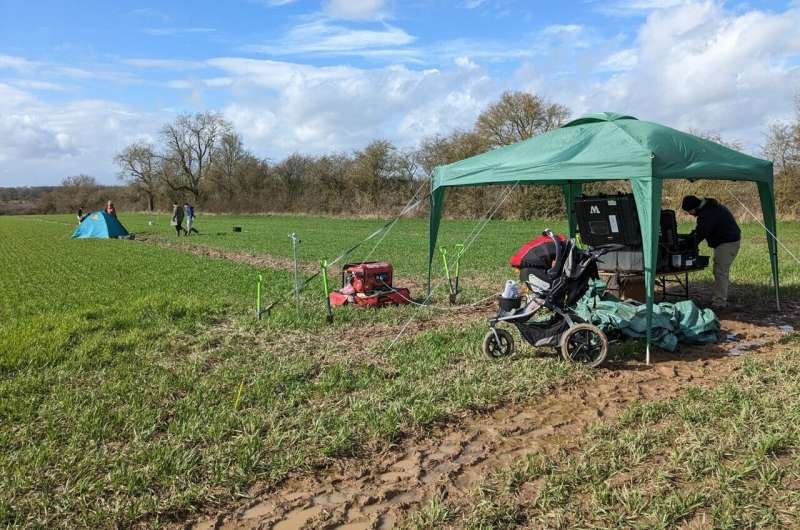
Short Overview
Invisible technology below the ground is changing the way crops grow, and modern farming is slowly entering a new era. Scientists have made fibre optic sensors that can “listen” to the world below ground. This helps farmers know what’s going on with the soil right away. This new discovery could make farming smarter and more sustainable than ever before, as well as increase crop yields and cut down on water waste.
Learn how fibre optic sensors are changing farming today by giving farmers real-time information about the soil, making crops healthier, and making better use of water. This cutting-edge smart agriculture technology helps farmers make better choices, cut down on waste, and boost productivity in a way that lasts. Find out how underground sensing systems work, how they help with precision farming, and why they will be important tools for farming in the future. This guide explains everything in simple terms, whether you are a farmer, an agritech fan, or a supporter of sustainability. Find out how fibre optic soil monitoring can change the way farmers do things, increase yields, and help farmers use more environmentally friendly methods in today’s quickly changing farming world.

Table of Contents
Getting Started with Smart Farming
What are sensors that use fibre optics?
How These Sensors Are Used in Farming
Why it’s more important than ever to keep an eye on the soil
The main benefits of using fibre optic technology in farming
How it works in real life in farming
How This Technology Makes Crops Grow Better
Benefits of Water Management and Sustainability
Problems and Restrictions
The Future of Smart Farming
Conclusion
Getting Started with Smart Farming
Farming isn’t just about working hard and having experience anymore. Today, it’s also about making smart choices based on data. Farmers all over the world are starting to use new technologies to learn more about their land, crops, and surroundings.
The use of fibre optic sensors is one of the most exciting new things in this field. Farmers can now see what they couldn’t before: the state of the soil beneath their feet.
This change isn’t just about making things easier. It’s about staying alive, being able to live for a long time, and growing more food with fewer resources.
What are sensors made of fibre optics?
Fibre optic sensors are thin strands of glass or plastic that can send light signals. These signals change depending on things like the temperature, pressure, or humidity in the air.
In short, they work like sensitive nerves buried in the ground that are always gathering data about the soil.
Farmers can now make better decisions based on real-time data instead of guessing what the soil needs.
How these sensors are used in farming
These sensors are buried in the ground all over the farmland. They send light signals through the fibre cables, and changes in the soil, like changes in temperature or moisture levels, change how the light travels.
Then, advanced systems look at this data to give farmers clear information.
Think about how great it would be to know exactly when your soil needs water or nutrients without having to guess. This is what this technology can do.
Why it’s more important than ever to keep an eye on the soil
People often don’t understand soil, even though it is the basis of farming. Many farmers still use old-fashioned methods, which can lead to too much water, bad crop growth, or wasted resources.
Climate change and a lack of water are becoming big problems, so precise soil monitoring is no longer an option; it is necessary.
Farmers can act quickly and protect their crops if they know what the soil is like right now.
The main benefits of fibre optic technology in farming
One of the best things about fibre optic sensors is that they are very accurate. Farmers don’t have to guess anymore.
They can keep an eye on the soil all the time, which helps them react more quickly to changes. This makes the crops healthier and gives them more fruit.
Another important benefit is how well it works. Using water, fertilisers, and energy only when they are needed cuts down on waste and saves money.
The technology also helps with environmentally friendly farming by limiting the damage it does to the environment.
How Agriculture Uses It in the Real World
Farmers can use fibre optic sensors to check the moisture level in the soil over a large area. This lets them water only the parts that really need it.
It can also tell when the temperature changes, which could affect how plants grow. It can even find early signs of disease or stress in crops in some cases.
It used to be very hard to get this level of insight.
How This Technology Helps Crops Grow Better
Farmers can make better choices when they have accurate information about the soil.
They know exactly when to change the conditions, water, or fertilise. This makes plants less stressed and helps them grow faster.
In the long run, this makes crops grow better and produce better food.
Farmers can stop problems before they happen instead of dealing with them after they happen.
Benefits of Water Management and Sustainability
Water is one of the most important things for farming. Sadly, it is often wasted because of bad irrigation methods.
Fibre optic sensors help fix this by giving accurate information about moisture.
Farmers can bring water to the right place at the right time, which saves resources and cuts down on waste.
This is good for the environment and saves money.
Problems and Limits
This technology has a lot of potential, but it also has some problems.
Installing it can be expensive at first, which may turn off small farmers.
To make sense of the data, you also need to know how to use technology.
But as technology gets better, these problems should get smaller.
The Future of Smart Farming
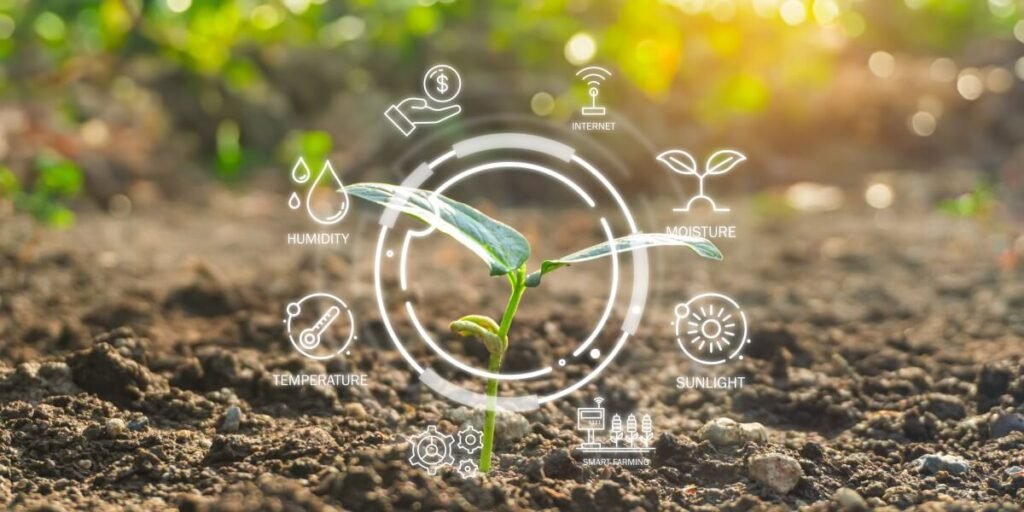
Technology has a big impact on the future of farming. Fibre optic sensors are only one part of a bigger movement toward more accurate farming.
We can expect even more advanced systems that use AI, automation, and real-time data in the next few years.
This will make farming more efficient, long-lasting, and productive.
Farmers will have more power than they ever have before.
Conclusion
Fibre optic sensors are changing how we think about farming. They help farmers make smarter and more informed decisions by giving them real-time information from below the ground.
This technology isn’t just about getting more crops. It’s about making the future last by using resources wisely.
As farming changes, new ideas like this will be very important for feeding the world and protecting the planet.
The future of farming isn’t just in the fields; it’s also in the data that lies beneath them.


Fibre Optic Sensors in Agriculture: The Future of Smart Farming and Soil Monitoring

Iran Israel US War 2026: What the Conflict in West Asia Means for Oil, World Stability, and Daily Life

OUAT Farmers Fair 2026: Helping Women Farmers Start Their Own Businesses and Moving Smart Agriculture Forward in India

India’s 2026 strategy for importing fertiliser: how India is making global supply chains stronger

The Effects of Global War on Farming in India: Why Prices Are Going Up and What Farmers Can Do

Digital Transformation in Agriculture: How Smart Technology is Changing the Way We Farm Today

The Truth About AI Stock Trading: An AI-Powered Trading Agent Turns ₹11 Lakh Into ₹40 Lakh Overnight

Organic Fertilizer Market Size and Forecast for 2026–2034: Trends in Growth, Future Demand, and Information on Sustainable Agriculture

Bharat-VISTAAR: India’s New AI Digital Platform Changing Farming for Millions of Farmers

Liberating Agriculture in Bharat: A Long-Term Future for Farmers Through Farming with Trees

India is running low on LPG in 2026, so hotels are switching to firewood as the government focuses on cooking gas for homes.

Farming: ಹಳ್ಳಿಗಳಿಗೆ ಹಿಂದಿರುಗಿ ಕೃಷಿಯತ್ತ ಒಲವು ತೋರುತ್ತಿರುವ ವೃತ್ತಿಪರರು – ನಿಜವಾದ ಕಾರಣಗಳು ಮತ್ತು ಭವಿಷ್ಯದ ಜೀವನಶೈಲಿ

Karnataka Budget 2026–27: Key Announcements, Infrastructure Plans, Welfare Schemes and Economic Impact

ಕೇಂದ್ರ ಬಜೆಟ್ 2026 ಕೃಷಿಕರಿಗೆ ಏನು ಕೊಡುಗೆ? ಭಾರತ್ ವಿಸ್ತಾರ್ AI ಪರಿಕರದಿಂದ ರೈತರಿಗೇನು ಲಾಭ?

Aadhar Model Smart Card To Farmers: ರೈತರಿಗೆ ಆಧಾರ್ ಮಾದರಿ ಸ್ಮಾರ್ಟ್ ಕಾರ್ಡ್ ಯೋಜನೆ – ಸಂಪೂರ್ಣ ಮಾಹಿತಿ, ಅನುಕೂಲತೆಗಳು ಮತ್ತು ನೋಂದಣಿ ವಿವರಗಳು

Sugar Shares Rally on Hopes of Higher Ethanol Blend Amid West Asia Crisis

AI Farming Tools and the Global Food System: Are Tech Giants Controlling What We Eat?

FAO World Programme of Census of Agriculture 2030: A Global Data Revolution for the Future of Farming

ಮ್ಯೂಚುವಲ್ ಫಂಡ್ SIP ಮೂಲಕ 15 ವರ್ಷಗಳಲ್ಲಿ ₹10 ಕೋಟಿ ರೂಪಾಯಿ ಗಳಿಸುವುದು ಹೇಗೆ?