


Innovative News
Vertical Farming at Home: Easy Tips for Urban Growers in 2025


Discover how to start vertical farming at home in 2025. These easy tips for urban growers will help you make the most of small spaces to grow fresh produce sustainably.
Table of Contents
- Introduction
- What is Vertical Farming?
- Benefits of Vertical Farming at Home
- How to Start Vertical Farming at Home
- a. Choosing the Right Space
- b. Selecting Plants for Vertical Farming
- c. Vertical Farming Systems
- a. Choosing the Right Space
- Maintenance Tips for Urban Vertical Gardens
- Conclusion
1. Introduction
With the rise of urban living, space is often limited, and so is access to fresh produce. That’s where vertical farming comes in. This innovative farming method allows you to grow fresh vegetables, herbs, and even fruits in the smallest of spaces, like apartments or rooftops. In 2025, more urban dwellers are turning to vertical farming to create self-sustaining mini-gardens right in their homes.

In this blog, we’ll explore simple and easy tips for starting vertical farming at home, perfect for urban growers who want to grow fresh produce without needing a large backyard. Whether you’re a seasoned gardener or a complete beginner, vertical farming is a great way to enjoy fresh, homegrown food while saving space and resources.

2. What is Vertical Farming?
Vertical farming is the practice of growing crops in stacked layers, often in a controlled indoor environment. By using vertical space, this method maximizes the use of limited land and resources. Vertical farming can be done in small spaces like balconies, countertops, or unused corners of your home. It can also be combined with hydroponics (growing plants in water without soil) or aeroponics (growing plants with roots suspended in the air), both of which reduce the need for soil and make farming more water-efficient.
Vertical farming is an excellent solution for urban environments, where traditional gardening methods might not be practical due to limited space or lack of direct sunlight.
3. Benefits of Vertical Farming at Home
There are several benefits to growing food vertically, especially in an urban setting:
- Maximizes Limited Space: Vertical farming makes the most of small spaces, allowing urban dwellers to grow more in less area.
- Sustainability: By growing your own food at home, you can reduce your carbon footprint and dependence on store-bought produce that requires transportation.
- Fresh, Healthy Produce: Having a vertical garden means access to fresh, chemical-free vegetables and herbs right at your doorstep.
- Water Efficiency: Vertical farming systems, especially those with hydroponics or aeroponics, use less water than traditional soil-based farming.
- Aesthetic Appeal: Vertical gardens can be an attractive addition to any room or balcony, enhancing your home’s decor while providing functional benefits.
4. How to Start Vertical Farming at Home
Starting a vertical garden at home is easier than you might think. Here are the steps to get you started:
a. Choosing the Right Space
Before you begin, decide where you want to set up your vertical farm. Here are some great spaces for vertical farming:
- Balconies: A balcony is an ideal spot to start a vertical garden if you have access to sunlight.
- Windowsills: If you don’t have a lot of outdoor space, your windowsills are great places for small vertical farming systems.
- Indoor Areas: You can set up vertical gardens indoors, especially if you have access to artificial grow lights to mimic natural sunlight.
Ensure the space has enough light, proper ventilation, and access to water.
b. Selecting Plants for Vertical Farming
The best plants for vertical farming are those that thrive in smaller spaces and can tolerate being grown close together. Some great options include:
- Leafy Greens: Lettuce, spinach, and kale are perfect for vertical farming because they have shallow root systems and grow quickly.
- Herbs: Basil, mint, cilantro, and parsley are well-suited for vertical farming, and they don’t need much space to thrive.
- Tomatoes and Peppers: With proper support, small tomato varieties and peppers can grow well in vertical systems, especially indoors.
- Strawberries: These are great for vertical gardens because they grow well in containers and can cascade down vertically.
c. Vertical Farming Systems
There are several types of vertical farming systems to choose from:
- Stacked Planter Systems: These are simple, stackable planters that allow you to grow multiple layers of plants. They’re great for small spaces and can be used indoors or outdoors.
- Hydroponic Systems: Hydroponic farming allows you to grow plants without soil, using nutrient-rich water instead. There are several types of hydroponic systems, such as the wick system or deep water culture.
- Tower Gardens: These are vertical systems with a central water reservoir and multiple levels for planting. Tower gardens are often used in homes and apartments and are easy to maintain.
- Vertical Garden Wall: A living wall or garden wall system consists of a frame with pockets or containers for plants to grow in. It’s a fantastic option for maximizing vertical space in a small area.

5. Maintenance Tips for Urban Vertical Gardens
To keep your vertical garden thriving, follow these maintenance tips:
- Monitor Light and Temperature: Ensure your plants get enough light. If growing indoors, consider adding artificial grow lights to supplement natural light.
- Water Regularly: Vertical farming uses less water, but it still needs to be replenished regularly. Make sure your system has proper drainage to avoid waterlogging.
- Clean Your System: If you’re using hydroponics or aeroponics, regularly clean the system to avoid clogs and algae build-up.
- Prune and Harvest: Regularly prune your plants to encourage healthy growth and harvest crops as they mature to keep your garden productive.
- Check for Pests: Though vertical farming is often less prone to pests, it’s still important to inspect your plants regularly for any signs of insects or disease.
6. Conclusion
Vertical farming is an exciting and sustainable way for urban growers to produce fresh, healthy food in small spaces. Whether you’re growing leafy greens on your balcony or cultivating tomatoes in your living room, vertical farming in 2025 is all about making the most of the space you have. With the right setup, a little care, and the right plants, you can create a thriving vertical garden at home. It’s a rewarding way to enjoy homegrown produce and reduce your environmental impact—all while enjoying the beauty of greenery in your urban space


Assembly Elections 2026 Live Updates: High-Stakes Battle Across Kerala, Assam & Puducherry

Farm Automation Tools That Increase Profitability for Vegetable Growers

Iran Israel War Latest News 2026: What’s Happening in West Asia and Why It Matters Globally
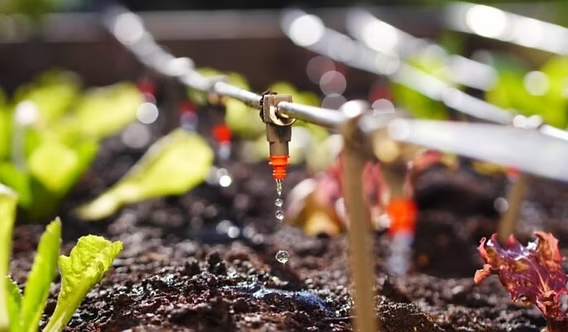
Smart Irrigation Systems Suitable for Water-Scarce Regions in India

Why India-Bound Iran Crude Oil Shipment Was Diverted to China: Full Story, Impact & What It Means for India

Best Software Platforms for Farm Management and Crop Monitoring in 2026

How to Implement IoT Solutions in Agriculture for Better Yields

New Income Tax Rules 2026: Complete Guide for Salaried Taxpayers in India

Best Smart Farming Tools for Small Farms in India

LPG Tankers from Strait of Hormuz Reach India: What It Means for Energy Security and Fuel Supply

The Effects of Global War on Farming in India: Why Prices Are Going Up and What Farmers Can Do

Potato Farming Crisis in Uttar Pradesh: Causes, Challenges, and Solutions for Farmers

Fibre Optic Sensors in Agriculture: The Future of Smart Farming and Soil Monitoring

FAO World Programme of Census of Agriculture 2030: A Global Data Revolution for the Future of Farming

The Truth About AI Stock Trading: An AI-Powered Trading Agent Turns ₹11 Lakh Into ₹40 Lakh Overnight

India’s 2026 strategy for importing fertiliser: how India is making global supply chains stronger

Bharat-VISTAAR: India’s New AI Digital Platform Changing Farming for Millions of Farmers

Iran Israel US War 2026: What the Conflict in West Asia Means for Oil, World Stability, and Daily Life

Organic Fertilizer Market Size and Forecast for 2026–2034: Trends in Growth, Future Demand, and Information on Sustainable Agriculture
