


Benefits
Can Direct-to-Consumer Farm Brands Beat Local Mandi Rates?

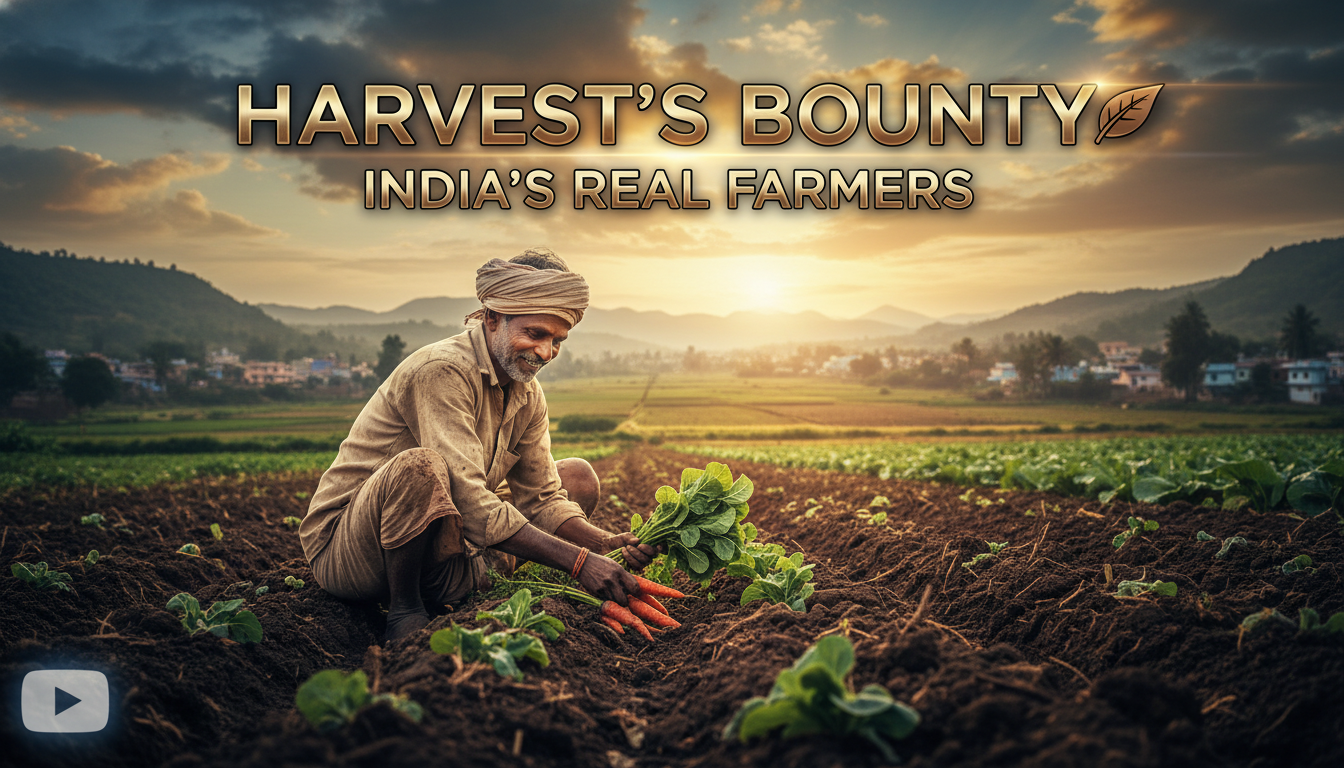
Short Overview
Direct-to-consumer farm brands are changing how people buy fruits, vegetables, grains, and dairy. Instead of relying on middlemen and traditional mandis, these brands sell directly to customers. This blog explores whether these farm brands can truly beat local mandi rates, how pricing works behind the scenes, and whether consumers actually save money while farmers earn more.
Can direct-to-consumer farm brands really offer better prices than local mandis? This in-depth blog explains how mandi rates work, why farmers earn less, and how D2C farm brands use technology, transparency, and efficient logistics to offer better value. Learn the real cost comparison, hidden consumer expenses, quality differences, and long-term sustainability of farm-to-home models. If you are curious whether buying directly from farmers saves money while ensuring better food quality, this guide breaks everything down in simple and easy-to-understand language.

Table of Contents
- Understanding Local Mandi Pricing
- What Are Direct-to-Consumer Farm Brands
- How Mandi Rates Are Decided
- Why Farmers Earn Less in Traditional Mandis
- How D2C Farm Brands Price Their Products
- Cost Comparison: D2C Farm Brands vs Local Mandis
- Hidden Costs Consumers Often Ignore
- Quality, Freshness, and Trust Factor
- Technology’s Role in Lowering Prices
- Are D2C Farm Brands Sustainable Long-Term
- Challenges Faced by Direct-to-Consumer Farm Brands
- Real-World Consumer Scenarios
- What the Future Looks Like
- Conclusion
Understanding Local Mandi Pricing
Local mandis have been the backbone of agricultural trade for decades. Farmers bring their produce early in the morning, traders bid on it, and prices fluctuate daily based on supply, demand, weather, and transportation conditions. While mandis offer transparency in theory, in reality many farmers depend heavily on commission agents. These agents often influence prices, add commissions, and delay payments.
For consumers, mandi rates appear cheaper at first glance, but they come with variations in quality, inconsistent availability, and time costs. A tomato priced low today may be expensive tomorrow, making budgeting unpredictable.
What Are Direct-to-Consumer Farm Brands
Direct-to-consumer farm brands connect farmers directly with end buyers through apps, websites, subscriptions, or community delivery models. Instead of passing through multiple hands, produce moves from farm to home with minimal intermediaries.
These brands focus on traceability, consistent quality, transparent pricing, and predictable supply. Some operate on subscription models, while others allow one-time purchases. The biggest promise they make is simple: fair prices for farmers and honest pricing for consumers.
How Mandi Rates Are Decided
Mandi rates are not fixed. They change every day depending on arrival volume, demand from traders, transportation availability, and even political factors. When supply is high, prices crash. When supply drops, prices rise sharply.
Farmers often have little bargaining power because produce is perishable. They must sell quickly, even at low prices, to avoid spoilage. This system benefits large traders more than individual farmers.
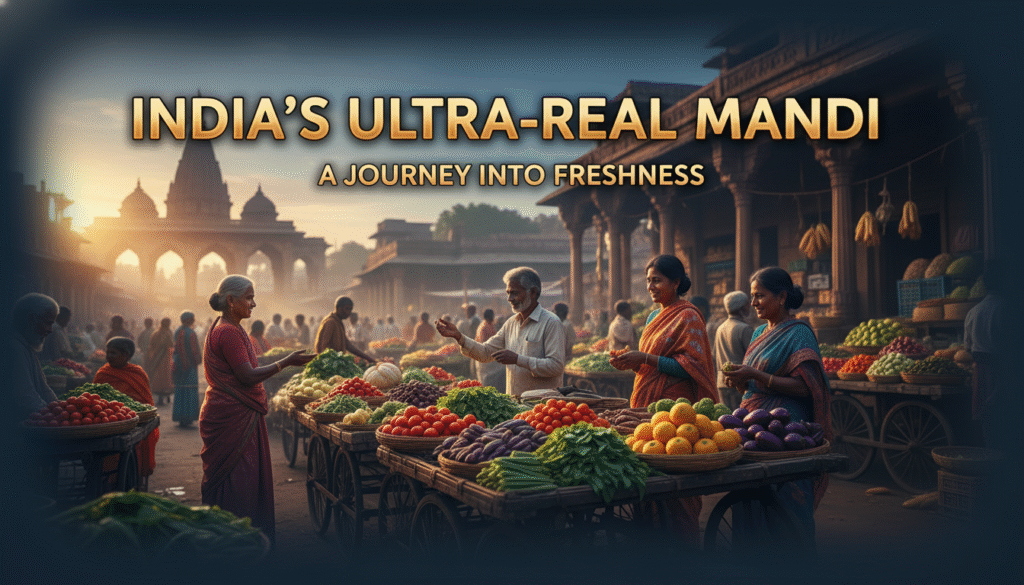
Why Farmers Earn Less in Traditional Mandis
Despite consumers paying market prices, farmers receive only a portion of that amount. Commission fees, loading and unloading charges, transport costs, and informal deductions reduce actual earnings.
Many farmers accept these losses because mandis are familiar, accessible, and require no digital skills. However, this system limits income growth and discourages long-term sustainability.
How D2C Farm Brands Price Their Products
Direct-to-consumer farm brands calculate pricing differently. They consider production cost, logistics, storage, packaging, technology, and a fair margin for farmers. Since middlemen are removed, savings are redistributed between farmers and consumers.
Prices are often stable rather than fluctuating daily. This stability helps consumers plan expenses while giving farmers predictable income. Although prices may look higher than mandi rates on some days, the overall value is often better.
Cost Comparison: D2C Farm Brands vs Local Mandis
On paper, mandi prices sometimes look cheaper. However, D2C brands often beat mandi rates when consistency, wastage reduction, and quality are considered. For example, vegetables bought from mandis may spoil faster, leading to hidden losses.
D2C brands usually deliver fresher produce harvested closer to delivery time. This freshness increases shelf life, reducing waste and making the effective cost per use lower.
Hidden Costs Consumers Often Ignore
When buying from local mandis, consumers spend time, fuel, and energy. They may also face inconsistent quality and hygiene issues. These indirect costs are rarely calculated but matter significantly in urban lifestyles.
D2C farm brands eliminate travel, save time, and offer doorstep delivery. For many families, this convenience offsets small price differences.
Quality, Freshness, and Trust Factor
Quality plays a major role in perceived value. D2C brands focus heavily on grading, sorting, and hygienic handling. Consumers know where their food comes from and how it was grown.
Mandis, while authentic, often mix produce from multiple sources, making traceability difficult. Trust becomes a major deciding factor for health-conscious buyers.
Technology’s Role in Lowering Prices
Technology helps D2C farm brands optimize logistics, predict demand, reduce waste, and manage inventory efficiently. Data-driven planning reduces unnecessary costs that traditionally increase final prices.
Digital payments also ensure farmers are paid on time, improving cash flow and reducing dependency on loans.
Are D2C Farm Brands Sustainable Long-Term
Sustainability depends on scale, operational efficiency, and consumer trust. While early-stage brands may struggle with logistics costs, mature brands benefit from optimized supply chains and loyal customers.
As consumer awareness grows and demand for clean food increases, D2C farm brands are likely to become more competitive with mandis.
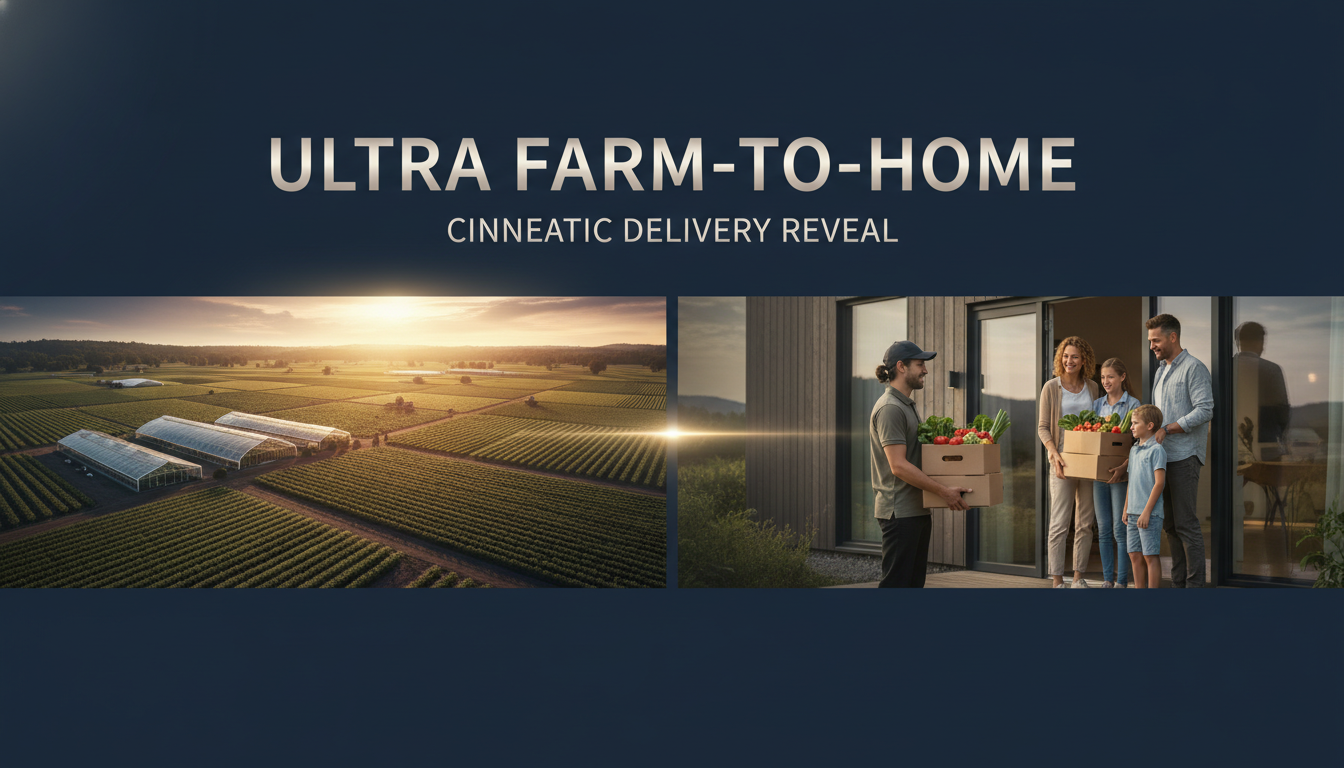
Challenges Faced by Direct-to-Consumer Farm Brands
Despite their advantages, D2C farm brands face challenges like last-mile delivery costs, cold storage requirements, and customer acquisition expenses. Competing with deeply rooted mandi systems is not easy.
However, innovation, partnerships, and community-driven models are helping overcome these hurdles.
Real-World Consumer Scenarios
Urban professionals prefer D2C brands for convenience and reliability. Families focused on nutrition appreciate consistent quality. Price-sensitive consumers may still prefer mandis for certain items.
This shows that D2C brands and mandis may coexist rather than replace each other completely.
What the Future Looks Like
The future of food supply is likely hybrid. Mandis will continue serving local markets, while D2C brands grow in urban and semi-urban areas. Increased transparency and farmer empowerment will push traditional systems to evolve.
Competition will ultimately benefit consumers and farmers alike.
Conclusion
So, can direct-to-consumer farm brands beat local mandi rates? The answer depends on how we define “cost.” While mandis may offer lower prices on certain days, D2C farm brands often deliver better overall value through quality, consistency, convenience, and fairness. For consumers who value time, trust, and nutrition, D2C brands are not just competitive—they are often the smarter choice. As the ecosystem matures, the gap between mandi rates and direct pricing is likely to narrow even further.


India GDP Growth 7.6% in FY26: New GDP Series Upgrades Growth but Lowers Economy Size

India Missing Out on Big Agriculture Export Opportunity: Path to $100 Billion by 2030

ಮ್ಯೂಚುವಲ್ ಫಂಡ್ SIP ಮೂಲಕ 15 ವರ್ಷಗಳಲ್ಲಿ ₹10 ಕೋಟಿ ರೂಪಾಯಿ ಗಳಿಸುವುದು ಹೇಗೆ?

Aadhar Model Smart Card To Farmers: ರೈತರಿಗೆ ಆಧಾರ್ ಮಾದರಿ ಸ್ಮಾರ್ಟ್ ಕಾರ್ಡ್ ಯೋಜನೆ – ಸಂಪೂರ್ಣ ಮಾಹಿತಿ, ಅನುಕೂಲತೆಗಳು ಮತ್ತು ನೋಂದಣಿ ವಿವರಗಳು

ಕೇಂದ್ರ ಬಜೆಟ್ 2026 ಕೃಷಿಕರಿಗೆ ಏನು ಕೊಡುಗೆ? ಭಾರತ್ ವಿಸ್ತಾರ್ AI ಪರಿಕರದಿಂದ ರೈತರಿಗೇನು ಲಾಭ?

Farming: ಹಳ್ಳಿಗಳಿಗೆ ಹಿಂದಿರುಗಿ ಕೃಷಿಯತ್ತ ಒಲವು ತೋರುತ್ತಿರುವ ವೃತ್ತಿಪರರು – ನಿಜವಾದ ಕಾರಣಗಳು ಮತ್ತು ಭವಿಷ್ಯದ ಜೀವನಶೈಲಿ

What Is the Best Climate for Saffron Cultivation?

ಕಾವೇರಿ 2.0 ಆಸ್ತಿ ನೋಂದಣಿ: 10 ನಿಮಿಷದಲ್ಲಿ ಸಂಪೂರ್ಣ ಕಾಗದರಹಿತ ಆಸ್ತಿ ನೋಂದಣಿ – ಅರ್ಜಿ ಸಲ್ಲಿಕೆ, ಲಾಭಗಳು & ಸಂಪೂರ್ಣ ಮಾರ್ಗದರ್ಶಿ

ಭಾರತ್-ವಿಸ್ತಾರ್ ಎಐ ಸಾಧನ: ರೈತರ ಕೃಷಿ ಸಮಸ್ಯೆಗೆ ಬೆರಳ ತುದಿಯಲ್ಲಿ ಎಐ ಪರಿಹಾರ | ಸಂಪೂರ್ಣ ಮಾಹಿತಿ

Bengaluru in Trouble: ಐಟಿ ಬಿದ್ದರೆ ಬೆಂಗಳೂರು ಬೀಳುತ್ತೆ – ಸಂಕಷ್ಟದಲ್ಲಿ ನಮ್ಮ ಬೆಂಗಳೂರು

What Is the Investment Required for Mushroom Farming?

What Are the Best Mushrooms to Grow for Profit?

Union Budget 2026–27 Agriculture Initiatives: Transforming Indian Farming for Global Markets

Budget 2026 Agriculture Policy: Push for High-Value Crops but Farmers Still Struggle

ಭಾರತದಲ್ಲಿ ಮಣ್ಣಿನ ಆರೋಗ್ಯ: ಸುಸ್ಥಿರ ಕೃಷಿ ಮತ್ತು ಆಹಾರ ಭದ್ರತೆಗೆ ಅಡಿಪಾಯ

2025ರ ವಾಣಿಜ್ಯ ಧಾನ್ಯ ಕೃಷಿಯ ಹೊಸ ಆವಿಷ್ಕಾರಗಳು: ಸ್ಮಾರ್ಟ್ ನೀರಾವರಿ, ಗೊಬ್ಬರ ಮತ್ತು ಪ್ರೆಸಿಷನ್ ಸ್ಪ್ರೇಯರ್ಗಳು

ಕೇಸರಿ ಕೃಷಿಗೆ ಎಷ್ಟು ಹೂಡಿಕೆ ಅಗತ್ಯವಿದೆ?
ಕೇಸರಿ (Saffron) ಬೆಳೆಯಲು ಅತ್ಯುತ್ತಮ ಹವಾಮಾನ ಯಾವುದು?
How to Start Kesari (Saffron) Farming in India?
