


Latest News
Digital Transformation in Agriculture: How Smart Technology is Changing the Way We Farm Today

Short Overview
Digital transformation in agriculture is changing how farmers grow crops, take care of their land, and make food. Farmers can now understand their fields in ways that weren’t possible ten years ago thanks to new technologies like AI, drones, satellite monitoring, and smart sensors. Farmers can make better decisions that boost crop yields, cut costs, and protect the environment by gathering and analyzing data in real time. Digital farming solutions are becoming more important as the world’s demand for food grows. These solutions will help make farming more efficient and sustainable.
Digital transformation in agriculture is changing the way farming is done around the world by adding smart technologies like artificial intelligence, precision agriculture, IoT sensors, drones, and data analytics. With data-driven decision making, farmers can now keep an eye on their crops, take care of the health of the soil, cut down on waste, and boost productivity. This change in technology helps farms become more efficient, sustainable, and profitable while also meeting the needs of the world’s food supply and fighting climate change. More and more, governments, farming groups, and tech companies are putting money into digital farming solutions to help farmers and bring agriculture up to date. We talk about how digital agriculture works, the technologies that make it possible, the benefits for farmers, and why digital transformation is becoming the basis for the future global food system.

Table of Contents
Getting to Know Digital Agriculture
Why digital transformation is important for farming
Important Technologies That Make Smart Farming Possible
Data-Driven Farming and Artificial Intelligence
Smart farming and precision agriculture methods
Digital transformation in agriculture has its benefits.
Problems that Farmers Have with Going Digital
The Future of Digital Farming: A Conclusion
Getting to know digital agriculture
Agriculture has always been one of the most important fields in the world. It feeds people, keeps economies going, and keeps millions of people alive. But traditional farming methods often can’t keep up with the growing demand for food around the world, climate change, and limited natural resources. The agricultural industry is going through a big change because of these problems.
Digital transformation in agriculture is when farmers use new technologies to make their work easier and more productive. Farmers can keep an eye on their crops, control the conditions of the soil, and make better guesses about the weather thanks to technologies like artificial intelligence, data analytics, drones, and Internet of Things (IoT) sensors.
It’s not just about technology that agriculture is going digital. It’s about helping farmers make better choices, use less, and get more done. Agriculture is getting smarter, more sustainable, and more resilient by using digital tools in farming.
Why agriculture needs to go digital
By 2050, the world’s population is expected to be close to ten billion. To feed this many people, food production needs to get a lot better. Without putting more strain on land, water, and other natural resources, traditional farming methods alone can’t meet this demand.
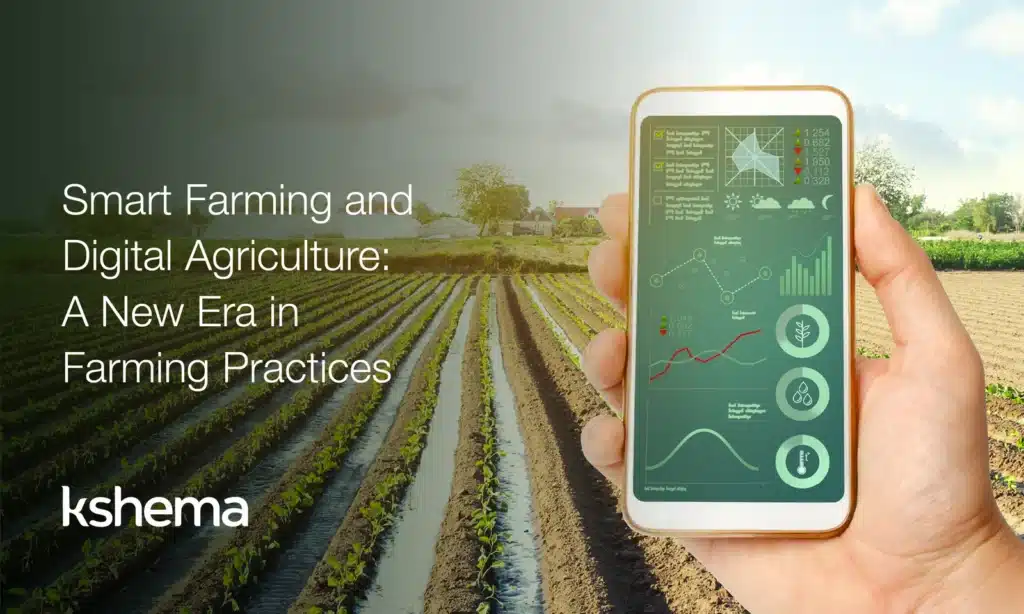
Digital transformation can help with a lot of these problems. Farmers can now learn more about their fields than ever before by collecting and analyzing data in new ways. Soil sensors, for instance, can help farmers use fertilizers and water more effectively by measuring moisture levels, nutrient levels, and temperature.
Another big reason why digital agriculture is growing is climate change. Unpredictable weather, droughts, and very hot or cold weather can hurt crops and lower yields. Farmers can use digital tools to keep an eye on the weather and the environment and respond quickly when they change.
Digital agriculture also helps the environment stay healthy. Farmers can cut down on pesticide use, waste, and water use by using data-driven insights. This method helps keep ecosystems safe while keeping farming productive.
Technologies That Are Changing Farming Digitally
There are many technologies that work together to make farming better in digital agriculture. The Internet of Things is one of the most important technologies. IoT sensors in fields gather information about the temperature, humidity, soil conditions, and health of the crops. Farmers can look at this information in real time on digital platforms.
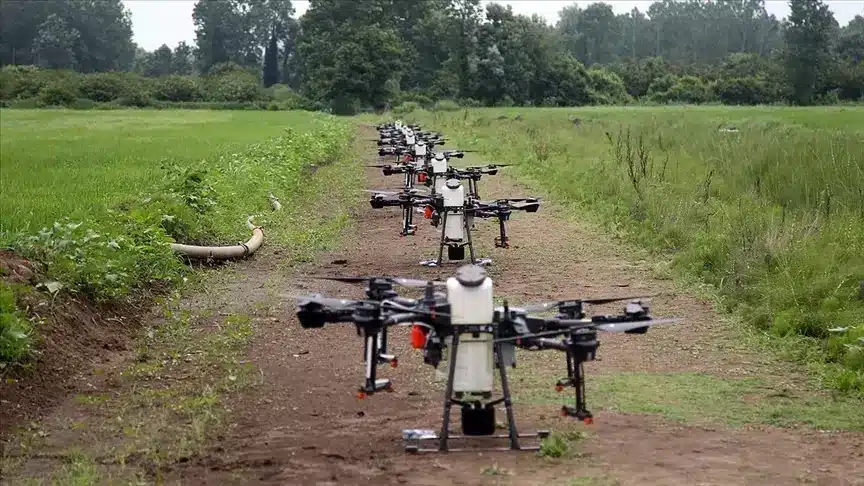
Drone technology is another important type of technology. People use agricultural drones to keep an eye on the growth of crops, find disease outbreaks, and check the conditions of the fields. Drones give farmers detailed information that is hard to get from the ground by taking pictures from the air.
Digital farming also relies heavily on satellite monitoring. Satellite images can help keep an eye on crop growth, check on the health of plants, and find possible problems in big farming areas. Farmers can act before problems get worse thanks to these insights.
Artificial intelligence and machine learning make digital farming even better by looking at a lot of agricultural data. AI systems can tell you when to plant your crops, how much they will yield, and whether or not your plants are sick. As these technologies get better, they are becoming very useful for farming today.
AI and farming based on data
AI is one of the most important new technologies in farming. AI systems look at data from sensors, drones, and satellites to give farmers useful information. Farmers can now make choices based on accurate data instead of just their gut feelings and experience.
AI can, for instance, look at weather forecasts and soil conditions to suggest the best time to plant crops. It can also check on the health of plants by looking at pictures taken by drones or cameras. Farmers get alerts when early signs of disease show up so they can act quickly.
Data-driven farming also helps make the best use of resources. AI systems can figure out exactly how much fertilizer or water each part of a field needs by looking at soil data and the needs of the crops. This level of accuracy cuts costs and stops chemicals from hurting the environment by being used too much.
The use of AI in farming is still growing, but it has a lot of potential. Farming will become more efficient and sustainable as more farms start using AI-powered tools.
Smart farming and precision agriculture
Digital transformation in farming relies heavily on precision agriculture. It means using technology to take care of crops in a very accurate and efficient way. Farmers can change what they do in different parts of a field instead of treating the whole field the same way.
GPS technology is a big part of precision farming. Farmers can plant seeds, apply fertilizers, and spray pesticides with GPS-guided tools that are very accurate. This cuts down on waste and makes sure that plants get exactly what they need.
Another example of precision farming is smart irrigation systems. These systems use weather data and sensors to figure out when and how much water crops need. Farmers can save resources and lower the cost of irrigation by only giving water when it’s needed.
Precision farming also makes it easier to keep an eye on crops. Farmers can use digital tools to keep an eye on how their crops are growing, look at the conditions in the fields, and find problems before they get worse. This proactive approach helps keep crops safe and get the most out of them.
Advantages of Digital Transformation in Farming
Farmers and the agricultural industry as a whole benefit in many ways from using digital technologies. One of the best things about it is that it makes people more productive. Farmers can better plan when to plant, keep an eye on soil health, and keep an eye on crop growth by using data-driven insights.
Digital farming also makes things run more smoothly. Smart equipment and automated systems make many farming tasks take less time and effort. This lets farmers spend less time on manual work and more time on making strategic decisions.
Another big plus is that it lasts. Using precision farming methods cuts down on the overuse of water, fertilizers, and pesticides. This not only saves money, but it also protects the environment and makes ecosystems healthier.
Digital transformation also helps farmers manage risk better. Farmers can figure out what problems might come up and take steps to avoid them by looking at weather data and crop conditions. This helps keep food production steady and lowers crop losses.
Problems with using digital farming
Digital agriculture has many benefits, but farmers also have to deal with some problems. The cost of technology is one of the biggest problems. Drones, sensors, and AI platforms are examples of advanced tools that can cost a lot of money.
Getting to digital infrastructure is another problem. In a lot of rural areas, it’s hard to get reliable internet. Farmers may have trouble using cloud-based agricultural platforms if they can’t get a stable internet connection.
Another important thing is education and training. Farmers need to know how to use digital tools well. Governments and agricultural groups are very important in setting up training programs that help farmers learn how to use new technologies.
Even with these problems, digital agriculture has many long-term benefits. More farmers will be able to take part in the digital farming revolution as technology becomes cheaper and easier to get.
The Future of Digital Farming
Technological innovation is very important for the future of farming. As digital tools get better, farming will become smarter and more efficient. New technologies like robotics, blockchain, and advanced AI systems are likely to be very important in the future of farming.
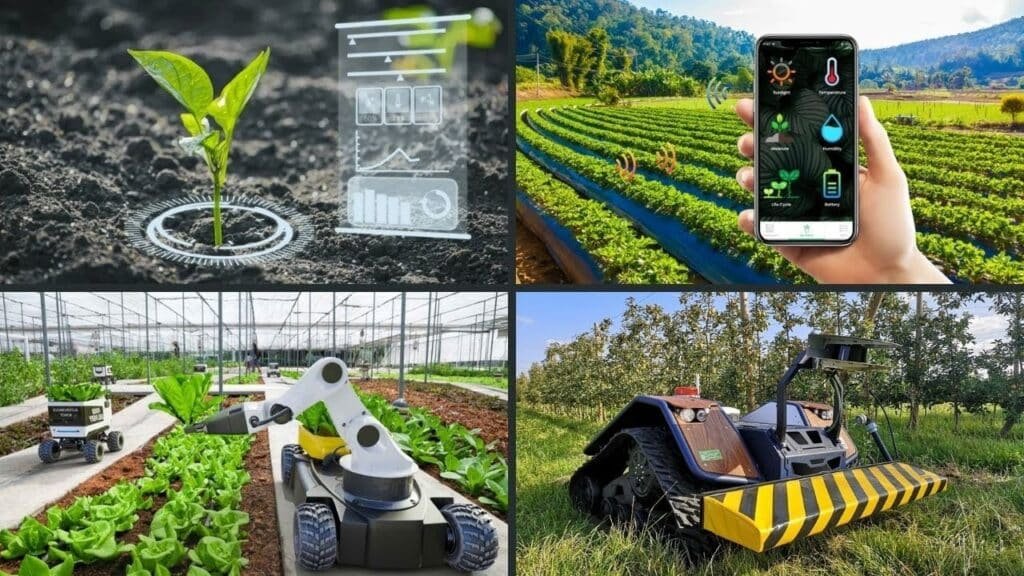
People are already making agricultural robots that can do things like pick crops, plant seeds, and get rid of weeds. These robots can work with great accuracy and help farmers who don’t have enough workers.
Blockchain technology could also change the way agricultural supply chains work. Blockchain can help with food traceability and make sure that products are real by making records that are clear and safe.
Digital transformation will keep changing farming around the world in the years to come. Farmers who use these new ideas will be better able to meet the world’s food needs while protecting natural resources.
In conclusion
One of the biggest changes in farming history is the move to digital technology. Farmers can make better decisions and take better care of their fields by using technologies like artificial intelligence, drones, IoT sensors, and data analytics.
This change in technology is making farming more productive, efficient, and long-lasting. Farmers can cut down on waste, save resources, and quickly adapt to changes in the environment. Digital farming solutions also help the world work together to make sure that a growing population has enough food.
Digital agriculture has a lot of potential in the long run, even though there are still problems like high costs and lack of infrastructure. Digital transformation will be a key part of the future of farming and building a strong global food system as technology keeps getting better.


Digital Transformation in Agriculture: How Smart Technology is Changing the Way We Farm Today

The Truth About AI Stock Trading: An AI-Powered Trading Agent Turns ₹11 Lakh Into ₹40 Lakh Overnight

Organic Fertilizer Market Size and Forecast for 2026–2034: Trends in Growth, Future Demand, and Information on Sustainable Agriculture

Bharat-VISTAAR: India’s New AI Digital Platform Changing Farming for Millions of Farmers

Liberating Agriculture in Bharat: A Long-Term Future for Farmers Through Farming with Trees

FAO World Programme of Census of Agriculture 2030: A Global Data Revolution for the Future of Farming

India is running low on LPG in 2026, so hotels are switching to firewood as the government focuses on cooking gas for homes.

The economy of Karnataka is doing better than the national average. The state’s growth rate is 12% for the second year in a row.

Karnataka Budget 2026–27: Key Announcements, Infrastructure Plans, Welfare Schemes and Economic Impact

Israel–Iran War LIVE: Russia Reportedly Providing Iran With Info to Strike U.S. Military as Regional Conflict Intensifies

What Is the Best Climate for Saffron Cultivation?

Farming: ಹಳ್ಳಿಗಳಿಗೆ ಹಿಂದಿರುಗಿ ಕೃಷಿಯತ್ತ ಒಲವು ತೋರುತ್ತಿರುವ ವೃತ್ತಿಪರರು – ನಿಜವಾದ ಕಾರಣಗಳು ಮತ್ತು ಭವಿಷ್ಯದ ಜೀವನಶೈಲಿ
Karnataka Budget 2026–27: Key Announcements, Infrastructure Plans, Welfare Schemes and Economic Impact
India is running low on LPG in 2026, so hotels are switching to firewood as the government focuses on cooking gas for homes.

ರೈತರಿಗೆ ಸಿದ್ದರಾಮಯ್ಯ ಭರ್ಜರಿ ಗುಡ್ ನ್ಯೂಸ್: ಕೃಷಿಭಾಗ್ಯ ಯೋಜನೆಗೆ ಮರು ಚಾಲನೆ – ಸಂಪೂರ್ಣ ಮಾಹಿತಿ

Bengaluru in Trouble: ಐಟಿ ಬಿದ್ದರೆ ಬೆಂಗಳೂರು ಬೀಳುತ್ತೆ – ಸಂಕಷ್ಟದಲ್ಲಿ ನಮ್ಮ ಬೆಂಗಳೂರು

ಕೇಂದ್ರ ಬಜೆಟ್ 2026 ಕೃಷಿಕರಿಗೆ ಏನು ಕೊಡುಗೆ? ಭಾರತ್ ವಿಸ್ತಾರ್ AI ಪರಿಕರದಿಂದ ರೈತರಿಗೇನು ಲಾಭ?

Aadhar Model Smart Card To Farmers: ರೈತರಿಗೆ ಆಧಾರ್ ಮಾದರಿ ಸ್ಮಾರ್ಟ್ ಕಾರ್ಡ್ ಯೋಜನೆ – ಸಂಪೂರ್ಣ ಮಾಹಿತಿ, ಅನುಕೂಲತೆಗಳು ಮತ್ತು ನೋಂದಣಿ ವಿವರಗಳು

ಭಾರತ್-ವಿಸ್ತಾರ್ ಎಐ ಸಾಧನ: ರೈತರ ಕೃಷಿ ಸಮಸ್ಯೆಗೆ ಬೆರಳ ತುದಿಯಲ್ಲಿ ಎಐ ಪರಿಹಾರ | ಸಂಪೂರ್ಣ ಮಾಹಿತಿ
