


Innovative News
Digital Agriculture Mission India 2025: Complete Guide to Smart Farming Trends and Future Growth

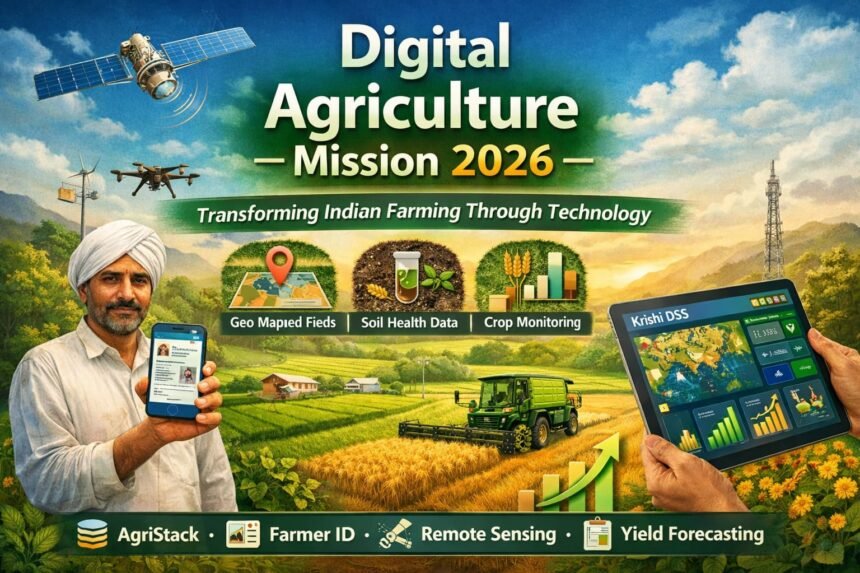
Short Overview
India is rapidly transforming its agriculture sector with the Digital Agriculture Mission 2025. This initiative is not just about technology but about empowering farmers, improving productivity, and ensuring sustainability. From AI-powered crop monitoring to smart irrigation systems, digital tools are reshaping how farming is done across the country. This blog explores key trends, insights, and future possibilities in simple, easy-to-understand language.
Explore the Digital Agriculture Mission India 2025 and discover how advanced technologies like AI, IoT, satellite imaging, and data-driven farming are transforming Indian agriculture. Learn about key trends, government initiatives, benefits for farmers, and future opportunities in smart farming. This detailed guide explains everything in simple language, making it easy to understand how digital tools are improving productivity, sustainability, and profitability in agriculture. Whether you are a farmer, agribusiness owner, or student, this blog provides valuable insights into the future of farming in India and how digital innovation is reshaping the agricultural landscape for better growth and efficiency.

Table of Contents
- Introduction
- Understanding Digital Agriculture Mission 2025
- Importance of Digital Farming in India
- Technologies Transforming Agriculture
- Top Digital Agriculture Trends in 2025
- Government Initiatives and Policies
- How Farmers Benefit from Digital Tools
- Challenges in Implementation
- Future of Digital Agriculture in India
- Conclusion
Introduction
Agriculture has always been the backbone of India’s economy, but today it is going through a major transformation. With the rise of digital technology, farming is no longer limited to traditional methods. The Digital Agriculture Mission 2025 is helping farmers adopt modern tools that make farming smarter, faster, and more profitable.
This shift is not just about using machines but about making better decisions using data, technology, and innovation.
Understanding Digital Agriculture Mission 2025
The Digital Agriculture Mission 2025 is a government initiative aimed at integrating technology into agriculture. Its main goal is to improve farm productivity, reduce risks, and increase farmers’ income.
This mission focuses on building digital infrastructure such as farmer databases, land records, and crop data systems. It also promotes the use of advanced tools like artificial intelligence, drones, and satellite imaging.
Why Digital Agriculture Matters in India
India has millions of small farmers who face challenges like unpredictable weather, low productivity, and lack of market access. Digital agriculture helps solve these problems by providing accurate information and better tools.
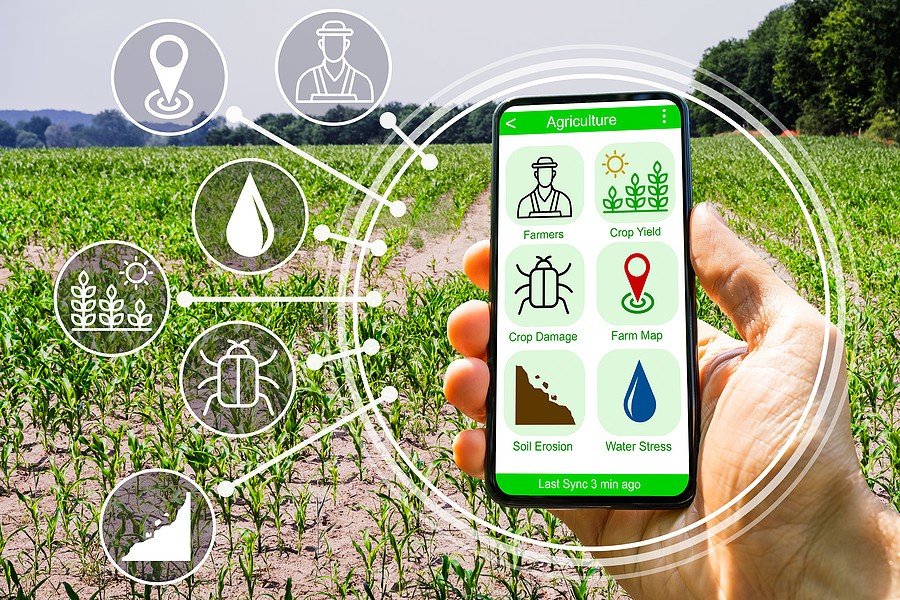
Farmers can now check weather forecasts, monitor crop health, and get real-time advice. This reduces uncertainty and helps them make better decisions.
Digital farming also helps in reducing waste and improving efficiency, which is important for sustainable agriculture.
Technologies Transforming Agriculture
Artificial Intelligence and Machine Learning
AI helps farmers predict crop diseases, improve yield, and optimize farming practices. It analyzes large amounts of data and provides useful insights.
Internet of Things (IoT)
IoT devices like sensors monitor soil moisture, temperature, and humidity. This helps farmers manage irrigation and improve crop health.
Drones and Satellite Imaging
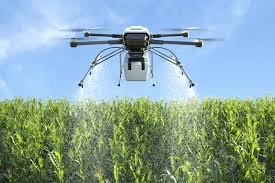
Drones are used for crop monitoring, spraying fertilizers, and collecting data. Satellite images provide a bigger picture of farm conditions.
Big Data and Analytics
Data plays a key role in digital agriculture. Farmers can use data to understand trends and improve productivity.
Top Trends in Digital Agriculture 2025
One of the biggest trends is precision farming, where farmers use data to apply water, fertilizers, and pesticides only where needed. This reduces costs and increases efficiency.
Another important trend is the use of mobile apps that provide real-time information to farmers. These apps are becoming more popular because they are easy to use and accessible.
Blockchain technology is also gaining attention as it helps in improving transparency in the supply chain.
Smart irrigation systems are helping farmers save water and improve crop yield.
Overall, digital tools are making agriculture more efficient and sustainable.
Role of Government and Private Sector
The government is playing a major role in promoting digital agriculture through various schemes and policies. It is also collaborating with private companies to develop innovative solutions.
Private companies are investing in agri-tech startups and developing platforms that help farmers access better tools and services.
This collaboration is essential for the success of digital agriculture in India.
Benefits for Farmers
Digital agriculture provides many benefits to farmers. It helps them increase productivity by using data-driven insights.
Another important benefit is risk reduction. With accurate weather forecasts and crop monitoring, farmers can avoid losses.
Digital tools also help in improving soil health and promoting sustainable farming practices.
Challenges in Implementation
Despite its benefits, digital agriculture faces some challenges. One of the main issues is lack of digital literacy among farmers. Many farmers are not familiar with technology.
Another challenge is poor internet connectivity in rural areas. Without proper infrastructure, it becomes difficult to use digital tools.
Cost is also a concern for small farmers who cannot afford advanced technology.
However, these challenges can be solved through training programs, government support, and affordable solutions.
Future of Digital Agriculture in India
The future of agriculture in India looks promising with the adoption of digital technologies.
In the coming years, we can expect more advanced tools and solutions that make farming easier and more efficient.
Digital agriculture will also create new opportunities for startups and entrepreneurs.
With continuous innovation and support, India can become a global leader in smart farming.
Conclusion
The Digital Agriculture Mission 2025 is a significant step towards transforming Indian agriculture. It is helping farmers adopt modern practices and improve their livelihoods.
By combining technology with traditional knowledge, India is moving towards a more sustainable and efficient agricultural system.
The journey may have challenges, but the benefits are much greater. Digital agriculture is not just the future—it is the present, and it is here to stay.


Digital Agriculture Mission India 2025: Complete Guide to Smart Farming Trends and Future Growth

Potato Farming Crisis in Uttar Pradesh: Causes, Challenges, and Solutions for Farmers

Fibre Optic Sensors in Agriculture: The Future of Smart Farming and Soil Monitoring

Iran Israel US War 2026: What the Conflict in West Asia Means for Oil, World Stability, and Daily Life

OUAT Farmers Fair 2026: Helping Women Farmers Start Their Own Businesses and Moving Smart Agriculture Forward in India

India’s 2026 strategy for importing fertiliser: how India is making global supply chains stronger

The Effects of Global War on Farming in India: Why Prices Are Going Up and What Farmers Can Do

Digital Transformation in Agriculture: How Smart Technology is Changing the Way We Farm Today

The Truth About AI Stock Trading: An AI-Powered Trading Agent Turns ₹11 Lakh Into ₹40 Lakh Overnight

Organic Fertilizer Market Size and Forecast for 2026–2034: Trends in Growth, Future Demand, and Information on Sustainable Agriculture

India is running low on LPG in 2026, so hotels are switching to firewood as the government focuses on cooking gas for homes.

Karnataka Budget 2026–27: Key Announcements, Infrastructure Plans, Welfare Schemes and Economic Impact
Potato Farming Crisis in Uttar Pradesh: Causes, Challenges, and Solutions for Farmers
Fibre Optic Sensors in Agriculture: The Future of Smart Farming and Soil Monitoring
The Effects of Global War on Farming in India: Why Prices Are Going Up and What Farmers Can Do

Aadhar Model Smart Card To Farmers: ರೈತರಿಗೆ ಆಧಾರ್ ಮಾದರಿ ಸ್ಮಾರ್ಟ್ ಕಾರ್ಡ್ ಯೋಜನೆ – ಸಂಪೂರ್ಣ ಮಾಹಿತಿ, ಅನುಕೂಲತೆಗಳು ಮತ್ತು ನೋಂದಣಿ ವಿವರಗಳು

FAO World Programme of Census of Agriculture 2030: A Global Data Revolution for the Future of Farming

Sugar Shares Rally on Hopes of Higher Ethanol Blend Amid West Asia Crisis

AI Farming Tools and the Global Food System: Are Tech Giants Controlling What We Eat?
