


Latest News
Sugar Shares Rally on Hopes of Higher Ethanol Blend Amid West Asia Crisis

Short Overview
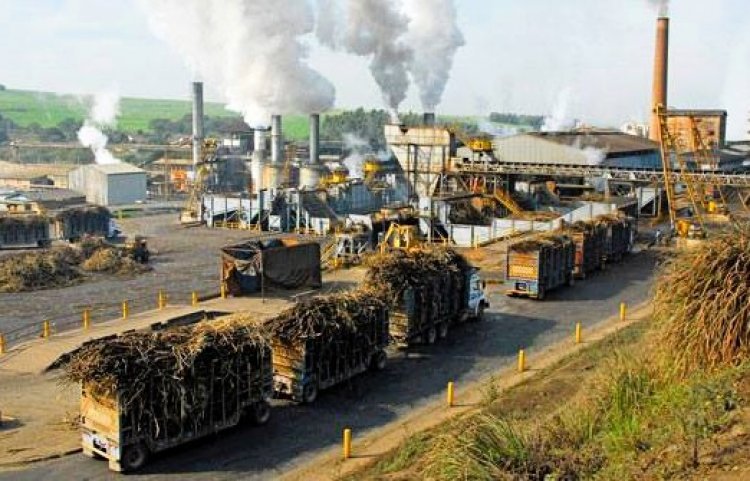
Indian sugar stocks witnessed a strong rally recently as the ongoing West Asia crisis pushed crude oil prices higher. This sudden rise in oil prices has sparked expectations that the Indian government may revise ethanol prices and increase the ethanol blending mandate beyond the current 20 percent target. If this happens, sugar companies could benefit significantly because ethanol production is closely linked to sugar mills. At the same time, lower sugar production estimates and potential global supply tightening have further supported the bullish sentiment in sugar stocks.
Indian sugar shares rallied strongly as rising crude oil prices during the West Asia crisis sparked hopes of higher ethanol blending in India. Investors expect the government to revise ethanol prices and increase blending targets beyond the current 20 percent mandate. This development could significantly benefit sugar companies, ethanol producers, and the broader agriculture sector. As global sugar supply tightens and Brazil shifts more sugar toward ethanol production, Indian sugar stocks have gained momentum despite weakness in broader markets. In this detailed analysis, we explain why sugar stocks are rising, how ethanol policy impacts the industry, what the West Asia crisis means for crude oil prices, and whether Indian sugar companies could see long-term growth opportunities.

Table of Contents
- Introduction
- West Asia Crisis and Oil Price Surge
- Why Oil Prices Influence Ethanol Production
- India’s Ethanol Blending Program Explained
- Why Sugar Stocks Are Rising
- Lower Sugar Production Supporting Prices
- Brazil’s Role in Global Sugar Supply
- Top Sugar Stocks That Surged
- Challenges in Sugar Export Markets
- Impact of Rising Oil Prices on Indian Economy
- Future Outlook for Sugar and Ethanol Sector
- Conclusion
Introduction
Indian sugar stocks have recently gained strong attention from investors as several companies witnessed sharp price increases. The rally happened even when the broader stock market remained weak. One of the biggest reasons behind this surge is the rising crude oil prices caused by the ongoing West Asia crisis.
When oil prices rise, countries often try to reduce their dependence on fossil fuels. In India, one of the key alternatives is ethanol blending with petrol. Because sugar mills produce ethanol from sugarcane and molasses, higher ethanol demand directly benefits sugar companies.
Market participants believe that if oil prices continue to rise, the government may revise ethanol prices and possibly increase the ethanol blending target from 20 percent to around 27 percent. This expectation has created strong bullish sentiment around sugar stocks.
West Asia Crisis and Oil Price Surge
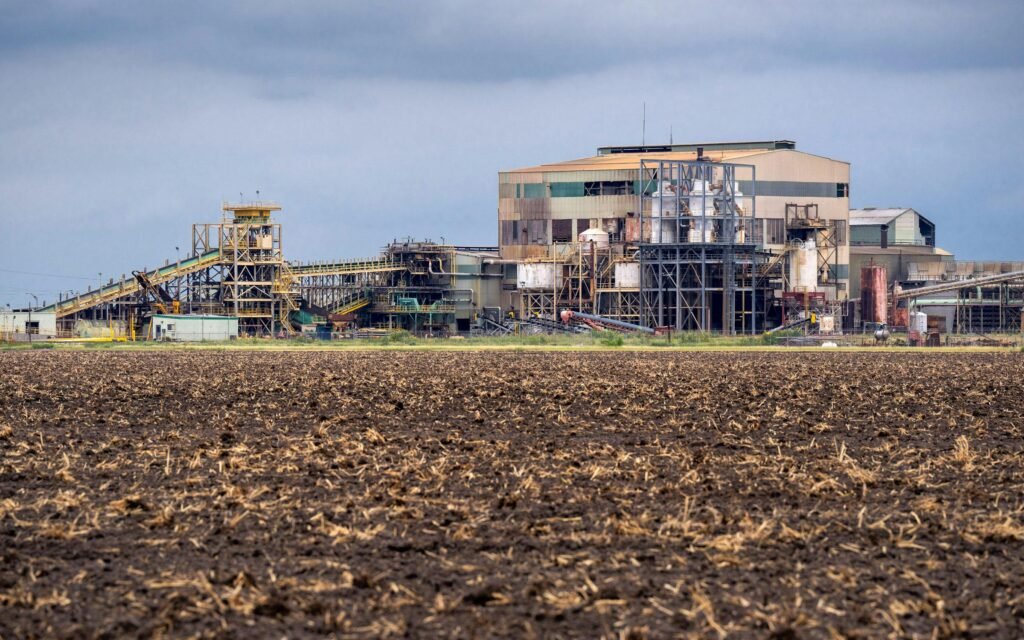
The geopolitical tensions in West Asia have had a direct impact on global oil markets. Since the beginning of the conflict, crude oil prices have surged significantly, rising by nearly 12 percent in a short period.
This sudden jump in oil prices has created concerns for oil-importing countries like India. India imports nearly 85 percent of its crude oil needs from international markets. When global oil prices rise, it increases import costs and puts pressure on the country’s economy.
Higher oil prices can lead to rising inflation, increased transportation costs, and higher production expenses across industries. Because of this, governments often look for alternative energy solutions. One of the most practical options available to India is expanding ethanol blending in petrol.
This possibility has played a key role in boosting investor confidence in sugar companies.
Why Oil Prices Influence Ethanol Production
Ethanol is considered a cleaner and renewable fuel that can be blended with petrol. Many countries use ethanol blending to reduce dependence on crude oil imports and lower carbon emissions.
In India, ethanol is primarily produced from sugarcane and its by-products. Sugar mills convert molasses and sugarcane juice into ethanol, which is then supplied to oil marketing companies.
When crude oil prices increase, ethanol becomes more economically attractive as an alternative fuel component. Governments may increase blending targets or revise ethanol procurement prices to encourage production.
For sugar companies, this creates an additional revenue stream beyond traditional sugar sales. In recent years, ethanol has become one of the most important profit drivers for Indian sugar mills.
This is why investors closely monitor oil price movements when evaluating the sugar industry.
India’s Ethanol Blending Program Explained
India has been actively promoting ethanol blending to reduce oil imports and support farmers. The government initially targeted a 10 percent ethanol blending rate, which was later increased to 20 percent.
The Ethanol Blended Petrol (EBP) program has significantly transformed the sugar industry. Many sugar mills have invested heavily in ethanol production capacity because it offers better price stability compared to sugar.
However, ethanol procurement prices have remained largely unchanged for nearly three years. With rising production costs and higher crude oil prices, industry participants are expecting the government to revise ethanol prices.
There are also discussions that the blending mandate could be increased beyond the current 20 percent target. Some analysts believe it could reach as high as 27 percent in the coming years.
If this happens, the demand for ethanol will increase substantially, which could boost the profitability of sugar companies.
Why Sugar Stocks Are Rising
The recent rally in sugar stocks is mainly driven by expectations of policy changes and global market developments.
Investors believe that rising oil prices could accelerate ethanol adoption in India. Since sugar mills play a key role in ethanol production, higher ethanol demand directly supports their business model.
At the same time, global sugar markets are also showing signs of tightening supply. If international sugar production decreases or if major producers divert sugar toward ethanol production, global sugar prices may rise.
Higher sugar prices combined with strong ethanol demand create a favorable environment for sugar companies. This combination has led to renewed investor interest in the sector.
Lower Sugar Production Supporting Prices
Another important factor supporting the rally in sugar stocks is the decline in expected sugar production in India for the 2025–26 season.
Earlier projections estimated sugar production at around 29.5 million tonnes. However, recent estimates suggest production could drop to around 28 million tonnes.
This decline in supply could help stabilize sugar prices in domestic markets. When supply decreases and demand remains strong, prices tend to rise.
For sugar mills, stable or rising sugar prices improve profitability and help strengthen balance sheets.
The lower production estimates have therefore added another layer of positive sentiment in the sector.
Brazil’s Role in Global Sugar Supply
Brazil is one of the largest producers and exporters of sugar in the world. The country also produces a significant amount of ethanol from sugarcane.
When global oil prices rise, Brazilian producers often shift more sugarcane toward ethanol production instead of sugar manufacturing. This reduces global sugar supply.
If Brazil increases ethanol production due to higher crude oil prices, it could tighten global sugar availability. This situation may push global sugar prices higher.
Indian sugar companies may benefit indirectly from such global supply changes, as higher international sugar prices improve overall market sentiment.
Top Sugar Stocks That Surged
Several Indian sugar companies witnessed strong gains during the recent rally.
Shares of Bajaj Hindustan rose significantly, closing more than ten percent higher. Ponni Sugar Erode also recorded a similar jump in its stock price.
Other companies such as Dwarikesh Sugar, Rana Sugar, and Ugar Sugar Works also posted strong gains during the trading session.
Interestingly, this rally occurred even as broader Indian equity markets remained under pressure due to concerns over rising oil prices and geopolitical tensions.
The divergence between sugar stocks and the broader market highlights the strong sector-specific optimism among investors.
Challenges in Sugar Export Markets
Despite the positive momentum in sugar stocks, exports remain a challenge for Indian sugar mills.
Although the government has permitted exports of around two million tonnes of sugar for the 2025–26 season, actual exports may remain limited.
One of the main reasons is that Indian sugar prices remain higher than global market prices. This makes Indian sugar less competitive in international markets.
Industry experts believe that mills may only be able to export around 0.7 to 0.8 million tonnes due to this price gap.
However, strong domestic demand and ethanol production opportunities may compensate for the export limitations.
Impact of Rising Oil Prices on Indian Economy
The surge in crude oil prices has also created concerns for India’s broader economy.
Higher oil prices increase the country’s import bill and put pressure on foreign exchange reserves. It can also contribute to inflation, affecting consumer spending and economic growth.
Financial markets often react negatively to rising oil prices because they increase business costs and reduce corporate profit margins.
As a result, investors sometimes move funds into safer assets during periods of geopolitical uncertainty.
This trend explains why broader stock markets weakened even as sugar stocks rallied.
Future Outlook for Sugar and Ethanol Sector
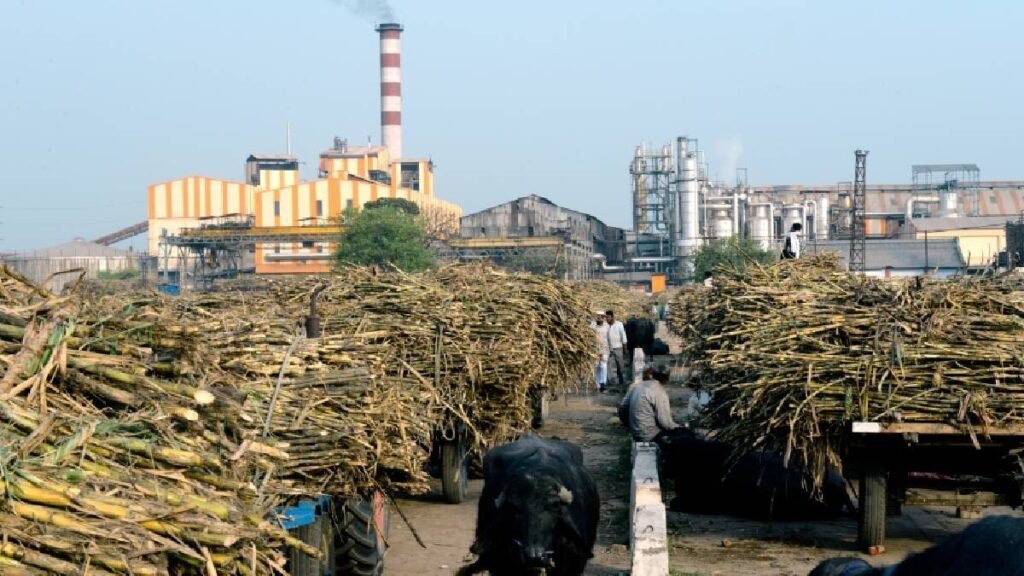
Looking ahead, the long-term outlook for the Indian sugar and ethanol industry remains promising.
Government policies supporting ethanol blending are likely to continue because they help reduce oil imports, support farmers, and promote cleaner energy.
If ethanol blending targets increase beyond 20 percent, sugar mills could see significant revenue growth from ethanol production.
Additionally, global sugar supply dynamics and domestic production trends will continue to influence sugar prices.
For investors, the sector offers opportunities but also requires careful monitoring of government policies, oil prices, and global commodity markets.
Conclusion
The recent rally in Indian sugar stocks reflects a combination of global and domestic factors. Rising crude oil prices triggered by the West Asia crisis have raised expectations of stronger ethanol demand in India. At the same time, lower sugar production estimates and possible global supply tightening have added further support to the sector.
If the government revises ethanol prices and increases blending targets, sugar companies could experience a new phase of growth. However, challenges such as limited export competitiveness and volatile oil markets remain important considerations.
Overall, the sugar and ethanol industry stands at an interesting turning point where energy policy, agriculture, and global commodity markets are closely interconnected.


Sugar Shares Rally on Hopes of Higher Ethanol Blend Amid West Asia Crisis

AI Farming Tools and the Global Food System: Are Tech Giants Controlling What We Eat?

New GDP Series Makes Meeting Fiscal Targets and $4 Trillion Economy Goal More Difficult

BMRCL Deploys Eighth Trainset on Namma Metro Yellow Line: What It Means for Bengaluru Commuters

Indian Airlines Halt West Asia Flights After Israel-US Attack on Iran Triggers Major Airspace Shutdown

India GDP Growth 7.6% in FY26: New GDP Series Upgrades Growth but Lowers Economy Size

India Missing Out on Big Agriculture Export Opportunity: Path to $100 Billion by 2030

ಮ್ಯೂಚುವಲ್ ಫಂಡ್ SIP ಮೂಲಕ 15 ವರ್ಷಗಳಲ್ಲಿ ₹10 ಕೋಟಿ ರೂಪಾಯಿ ಗಳಿಸುವುದು ಹೇಗೆ?

Aadhar Model Smart Card To Farmers: ರೈತರಿಗೆ ಆಧಾರ್ ಮಾದರಿ ಸ್ಮಾರ್ಟ್ ಕಾರ್ಡ್ ಯೋಜನೆ – ಸಂಪೂರ್ಣ ಮಾಹಿತಿ, ಅನುಕೂಲತೆಗಳು ಮತ್ತು ನೋಂದಣಿ ವಿವರಗಳು

ಕೇಂದ್ರ ಬಜೆಟ್ 2026 ಕೃಷಿಕರಿಗೆ ಏನು ಕೊಡುಗೆ? ಭಾರತ್ ವಿಸ್ತಾರ್ AI ಪರಿಕರದಿಂದ ರೈತರಿಗೇನು ಲಾಭ?

Union Budget 2026–27 Agriculture Initiatives: Transforming Indian Farming for Global Markets

What Are the Best Mushrooms to Grow for Profit?

Budget 2026 Agriculture Policy: Push for High-Value Crops but Farmers Still Struggle

ಭಾರತದಲ್ಲಿ ಮಣ್ಣಿನ ಆರೋಗ್ಯ: ಸುಸ್ಥಿರ ಕೃಷಿ ಮತ್ತು ಆಹಾರ ಭದ್ರತೆಗೆ ಅಡಿಪಾಯ

2025ರ ವಾಣಿಜ್ಯ ಧಾನ್ಯ ಕೃಷಿಯ ಹೊಸ ಆವಿಷ್ಕಾರಗಳು: ಸ್ಮಾರ್ಟ್ ನೀರಾವರಿ, ಗೊಬ್ಬರ ಮತ್ತು ಪ್ರೆಸಿಷನ್ ಸ್ಪ್ರೇಯರ್ಗಳು

ಕೇಸರಿ (Saffron) ಬೆಳೆಯಲು ಅತ್ಯುತ್ತಮ ಹವಾಮಾನ ಯಾವುದು?

ಕೇಸರಿ ಕೃಷಿಗೆ ಎಷ್ಟು ಹೂಡಿಕೆ ಅಗತ್ಯವಿದೆ?

ಕಬ್ಬು ಬೆಳೆಯಲು ಸೂಕ್ತ ಸಲಹೆಗಳು – ಹೆಚ್ಚಿನ ಇಳುವರಿ ಮತ್ತು ಲಾಭಕ್ಕಾಗಿ ಸಂಪೂರ್ಣ ಮಾರ್ಗದರ್ಶಿ

ಯೂನಿಯನ್ ಬಜೆಟ್ 2026 ಕೃಷಿ ಅನುದಾನ: ಭಾರತದ ಅಭಿವೃದ್ಧಿಯ ಬೆನ್ನೆಲುಬಾಗಿ ಕೃಷಿ
