


Creative Ideas
Smart Irrigation Systems: Genuine Water Saver or Expensive Gadget?

Short Overview
Smart irrigation systems promise to save water, reduce bills, and remove the guesswork from watering plants. With rising water scarcity and increasing utility costs, these systems sound like a smart solution. But many people still wonder whether smart irrigation systems are genuinely useful or simply expensive gadgets with fancy features. This article takes a clear, honest, and practical look at how these systems work, their real benefits, potential drawbacks, and whether they truly deliver on their promises.
Smart irrigation systems are changing how we water gardens, lawns, and farms, but are they truly effective water savers or just costly tech gadgets? This in-depth guide explores how smart irrigation systems work, their real-world benefits, costs, limitations, and whether they are worth the investment for homeowners and farmers. Learn how weather-based irrigation, soil moisture sensors, and automated watering schedules can reduce water waste, lower bills, and support sustainable landscaping. If you are considering upgrading your irrigation setup, this article will help you decide if a smart irrigation system is the right choice for your needs.
Table of Contents
- Introduction
- What Are Smart Irrigation Systems
- How Smart Irrigation Systems Work
- The Problem of Water Waste
- Benefits of Smart Irrigation Systems
- Do Smart Irrigation Systems Really Save Water
- Cost vs Value Analysis
- Drawbacks and Challenges
- Residential vs Agricultural Use
- Environmental Benefits
- Buying Guide
- Final Verdict
Introduction to Smart Irrigation Systems
Water is becoming one of the most valuable resources in the world, yet traditional irrigation methods still waste a large amount of it. Sprinklers often run during rainfall, lawns get watered even when soil is already wet, and human error leads to overwatering. Smart irrigation systems were designed to solve these exact problems by using technology to water plants only when needed. The question many people ask, however, is whether these systems truly save water or if they are simply modern gadgets with a high price tag.

What Smart Irrigation Systems Actually Are
Smart irrigation systems are automated watering solutions that use data instead of fixed schedules. Unlike traditional timers, they adjust watering based on real-time information such as weather forecasts, soil moisture levels, temperature, and plant needs. These systems connect to the internet and are often controlled through mobile apps, allowing users to monitor and adjust irrigation remotely. The goal is simple: provide the right amount of water at the right time without waste.
How Smart Irrigation Systems Work in Real Life
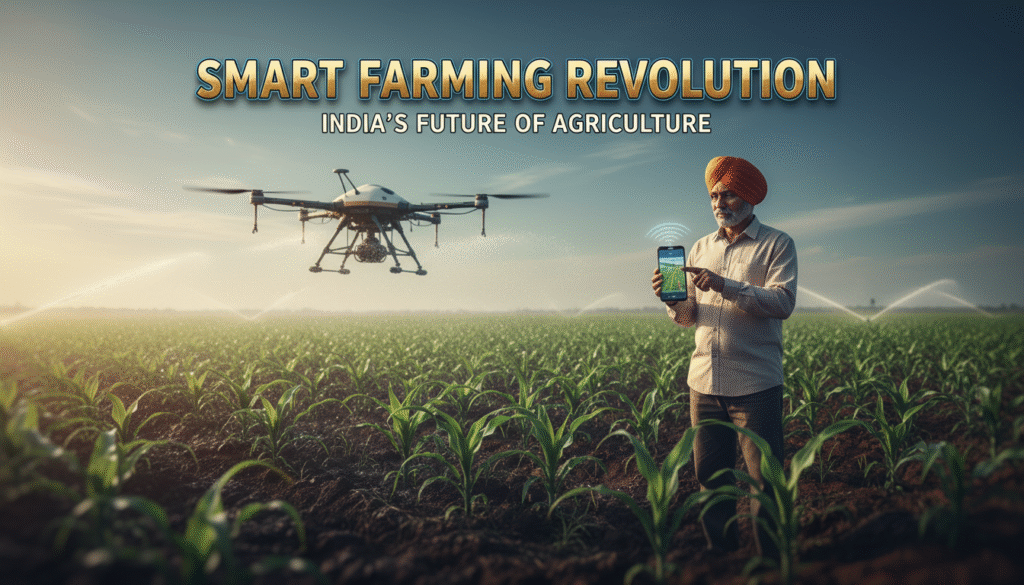
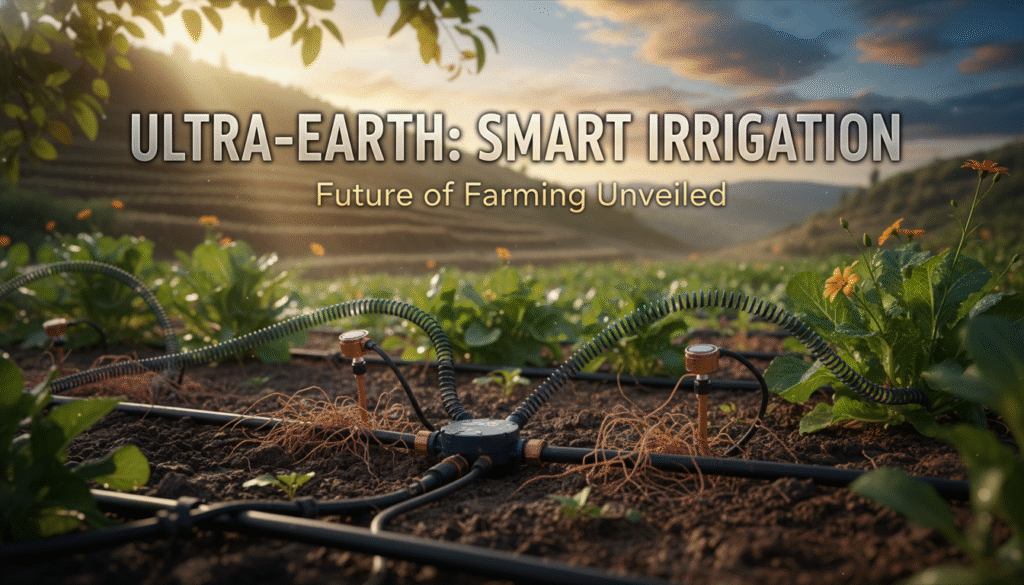
In real-world use, smart irrigation systems rely on sensors and software to make decisions. Weather-based systems pull data from local forecasts and delay watering when rain is expected. Soil moisture-based systems measure how wet the ground is and only activate irrigation when plants actually need water. Some advanced systems combine both approaches, creating a highly efficient watering schedule that adapts automatically to changing conditions without daily user input.
Why Water Waste Is a Growing Problem
Water waste is no longer a minor issue. Urban expansion, climate change, and inefficient irrigation practices have placed immense pressure on water supplies. Traditional irrigation systems often operate on fixed schedules that ignore environmental conditions, leading to overwatering. This not only wastes water but also harms plants, increases runoff, and raises utility bills. Smart irrigation systems were created in response to these growing concerns, aiming to balance plant health with responsible water use.
Key Benefits of Smart Irrigation Systems
One of the biggest advantages of smart irrigation systems is water efficiency. By watering only when necessary, these systems significantly reduce water waste. Another benefit is convenience, as users no longer need to manually adjust schedules during seasonal changes. Smart systems also promote healthier plants by preventing overwatering and underwatering. Over time, many users notice lower water bills, improved landscape health, and less environmental impact.
Do Smart Irrigation Systems Really Save Water
Studies and real-world usage show that smart irrigation systems can reduce water consumption by a noticeable margin when compared to traditional systems. The savings largely depend on climate, system quality, and proper installation. Homes and farms in areas with unpredictable weather see the highest benefits. While results vary, most users experience meaningful reductions in water usage, proving that these systems are more than just expensive gadgets when used correctly.
Cost Breakdown and Long-Term Value
The upfront cost of smart irrigation systems is higher than traditional timers, which often raises concerns. Prices vary depending on system complexity, number of zones, and sensor types. However, when water savings, reduced maintenance, and improved plant health are considered, the long-term value becomes clearer. Many users recover their investment over time through lower water bills and fewer landscape repairs caused by improper watering.
Limitations and Common Concerns
Despite their benefits, smart irrigation systems are not perfect. Initial setup can be confusing for non-technical users, and reliable internet connectivity is often required. Sensors may occasionally need calibration or replacement. In some regions, water savings may be less dramatic due to already efficient watering habits. These limitations do not make the systems ineffective, but they highlight the importance of realistic expectations.
Smart Irrigation for Homes vs Farms
Residential users often focus on lawn care, gardens, and landscaping, while farmers use smart irrigation systems to manage crops efficiently. For homeowners, convenience and water savings are the primary benefits. In agriculture, the focus shifts to yield improvement, precise water delivery, and sustainability. Although system scale differs, the underlying principle remains the same: delivering water based on actual need rather than guesswork.
Environmental Impact and Sustainability
Smart irrigation systems play a key role in sustainable water management. By reducing runoff and overuse, they help preserve local water supplies and protect ecosystems. Efficient irrigation also reduces energy consumption associated with water pumping and treatment. As sustainability becomes a global priority, these systems contribute positively by aligning everyday water use with environmental responsibility.
How to Choose the Right Smart Irrigation System
Choosing the right system depends on landscape size, climate, budget, and user comfort with technology. Systems with weather-based controls are ideal for areas with frequent rainfall changes, while soil moisture systems work well for gardens and farms. Compatibility with existing irrigation setups and mobile app usability should also be considered. A well-matched system delivers better results than the most expensive option.
Are Smart Irrigation Systems Worth the Investment
For most users, smart irrigation systems are worth the investment when water efficiency, convenience, and sustainability are priorities. They are not magic solutions, but when properly installed and used, they deliver real value. Those expecting instant savings without setup or learning may be disappointed, but informed users often find these systems practical and cost-effective over time.
Conclusion
Smart irrigation systems are not just flashy gadgets, nor are they perfect solutions. They are practical tools designed to address real problems in water management. While the initial cost may seem high, the long-term benefits of water savings, healthier plants, and environmental responsibility make them a worthwhile consideration for many homeowners and farmers. When chosen wisely and used correctly, smart irrigation systems prove to be genuine water savers rather than unnecessary expenses.


India GDP Growth 7.6% in FY26: New GDP Series Upgrades Growth but Lowers Economy Size

India Missing Out on Big Agriculture Export Opportunity: Path to $100 Billion by 2030

ಮ್ಯೂಚುವಲ್ ಫಂಡ್ SIP ಮೂಲಕ 15 ವರ್ಷಗಳಲ್ಲಿ ₹10 ಕೋಟಿ ರೂಪಾಯಿ ಗಳಿಸುವುದು ಹೇಗೆ?

Aadhar Model Smart Card To Farmers: ರೈತರಿಗೆ ಆಧಾರ್ ಮಾದರಿ ಸ್ಮಾರ್ಟ್ ಕಾರ್ಡ್ ಯೋಜನೆ – ಸಂಪೂರ್ಣ ಮಾಹಿತಿ, ಅನುಕೂಲತೆಗಳು ಮತ್ತು ನೋಂದಣಿ ವಿವರಗಳು

ಕೇಂದ್ರ ಬಜೆಟ್ 2026 ಕೃಷಿಕರಿಗೆ ಏನು ಕೊಡುಗೆ? ಭಾರತ್ ವಿಸ್ತಾರ್ AI ಪರಿಕರದಿಂದ ರೈತರಿಗೇನು ಲಾಭ?

Farming: ಹಳ್ಳಿಗಳಿಗೆ ಹಿಂದಿರುಗಿ ಕೃಷಿಯತ್ತ ಒಲವು ತೋರುತ್ತಿರುವ ವೃತ್ತಿಪರರು – ನಿಜವಾದ ಕಾರಣಗಳು ಮತ್ತು ಭವಿಷ್ಯದ ಜೀವನಶೈಲಿ

What Is the Best Climate for Saffron Cultivation?

ಕಾವೇರಿ 2.0 ಆಸ್ತಿ ನೋಂದಣಿ: 10 ನಿಮಿಷದಲ್ಲಿ ಸಂಪೂರ್ಣ ಕಾಗದರಹಿತ ಆಸ್ತಿ ನೋಂದಣಿ – ಅರ್ಜಿ ಸಲ್ಲಿಕೆ, ಲಾಭಗಳು & ಸಂಪೂರ್ಣ ಮಾರ್ಗದರ್ಶಿ

ಭಾರತ್-ವಿಸ್ತಾರ್ ಎಐ ಸಾಧನ: ರೈತರ ಕೃಷಿ ಸಮಸ್ಯೆಗೆ ಬೆರಳ ತುದಿಯಲ್ಲಿ ಎಐ ಪರಿಹಾರ | ಸಂಪೂರ್ಣ ಮಾಹಿತಿ

Bengaluru in Trouble: ಐಟಿ ಬಿದ್ದರೆ ಬೆಂಗಳೂರು ಬೀಳುತ್ತೆ – ಸಂಕಷ್ಟದಲ್ಲಿ ನಮ್ಮ ಬೆಂಗಳೂರು

What Is the Investment Required for Mushroom Farming?

What Are the Best Mushrooms to Grow for Profit?

Union Budget 2026–27 Agriculture Initiatives: Transforming Indian Farming for Global Markets

Budget 2026 Agriculture Policy: Push for High-Value Crops but Farmers Still Struggle

ಭಾರತದಲ್ಲಿ ಮಣ್ಣಿನ ಆರೋಗ್ಯ: ಸುಸ್ಥಿರ ಕೃಷಿ ಮತ್ತು ಆಹಾರ ಭದ್ರತೆಗೆ ಅಡಿಪಾಯ

2025ರ ವಾಣಿಜ್ಯ ಧಾನ್ಯ ಕೃಷಿಯ ಹೊಸ ಆವಿಷ್ಕಾರಗಳು: ಸ್ಮಾರ್ಟ್ ನೀರಾವರಿ, ಗೊಬ್ಬರ ಮತ್ತು ಪ್ರೆಸಿಷನ್ ಸ್ಪ್ರೇಯರ್ಗಳು

ಕೇಸರಿ ಕೃಷಿಗೆ ಎಷ್ಟು ಹೂಡಿಕೆ ಅಗತ್ಯವಿದೆ?
ಕೇಸರಿ (Saffron) ಬೆಳೆಯಲು ಅತ್ಯುತ್ತಮ ಹವಾಮಾನ ಯಾವುದು?
How to Start Kesari (Saffron) Farming in India?
