


Innovative News
Why Are Small Farmers Still Ignoring Drip Irrigation Despite Water Crisis?

Short Overview
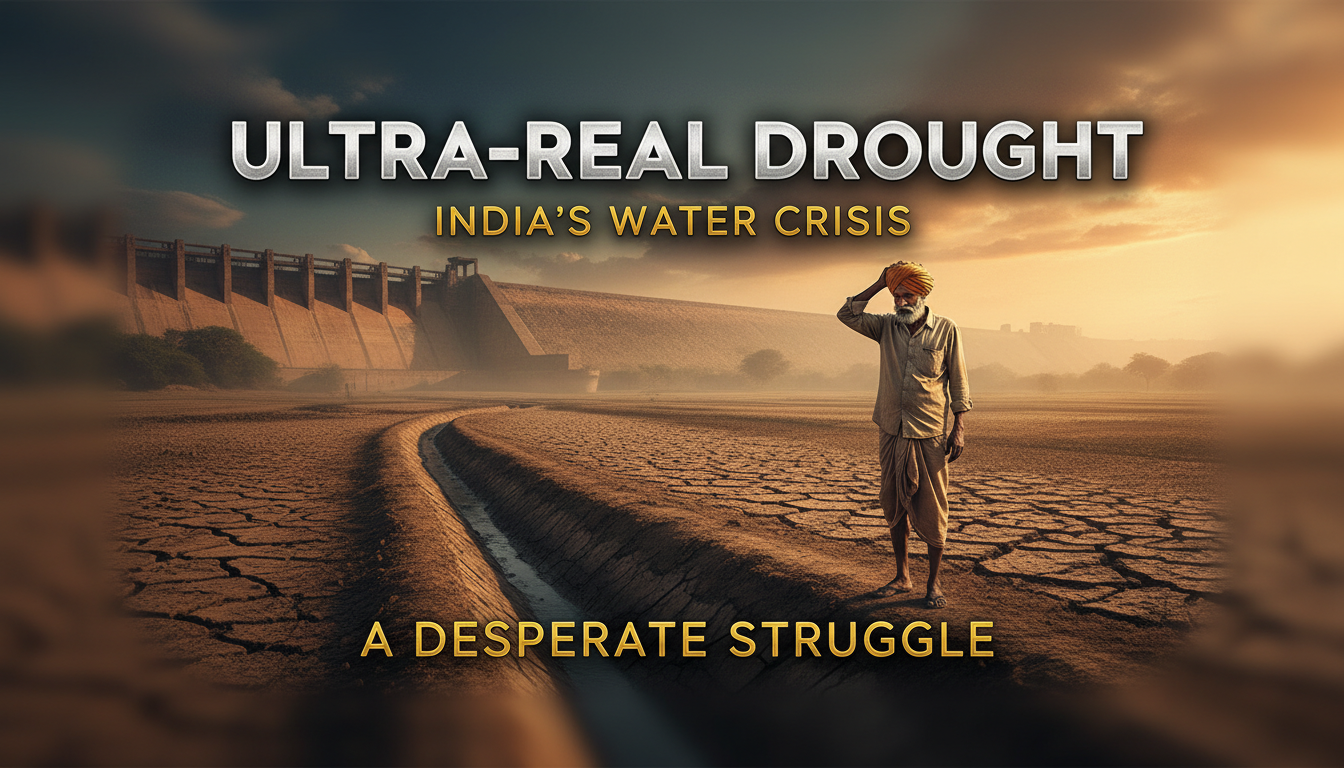
Water scarcity is no longer a future threat—it is a daily reality for millions of small farmers. Governments promote drip irrigation as a solution, experts recommend it, and success stories exist everywhere. Yet, many small farmers still hesitate to adopt drip irrigation systems. This blog explains why small farmers ignore drip irrigation despite water crisis, uncovering economic, psychological, social, and technical reasons in a simple and honest way—while also exploring how this gap can realistically be bridged.
Small farmers face increasing water scarcity, yet many still avoid drip irrigation. This detailed guide explains why small farmers ignore drip irrigation despite water crisis, covering cost concerns, lack of awareness, traditional practices, and trust issues. Learn the real challenges behind slow adoption, understand the hidden benefits of drip irrigation, and explore practical solutions that can help farmers save water, improve yields, and secure sustainable farming for the future. Perfect for agricultural experts, policymakers, and farmers seeking real insights.
Table of Contents
- Introduction: The Growing Water Crisis and Small Farmers
- Understanding Drip Irrigation in Simple Terms
- Why Water Crisis Is Hitting Small Farmers the Hardest
- High Initial Cost: The Biggest Mental Barrier
- Fear of Technology and System Failure
- Lack of Proper Awareness and Training
- Traditional Farming Mindset and Cultural Resistance
- Trust Issues with Government Schemes and Subsidies
- Maintenance Challenges and After-Sales Support Problems
- Land Size, Crop Type, and Practical Limitations
- Social Influence and Peer Pressure in Rural Areas
- Real Benefits of Drip Irrigation That Farmers Often Miss
- How Education and Demonstration Can Change Perception
- Role of Local Leaders, NGOs, and Agri-Experts
- What Needs to Change for Wider Adoption
- The Future of Small Farming in a Water-Scarce World
- Conclusion: Bridging the Gap Between Fear and Need
1. Introduction: The Growing Water Crisis and Small Farmers
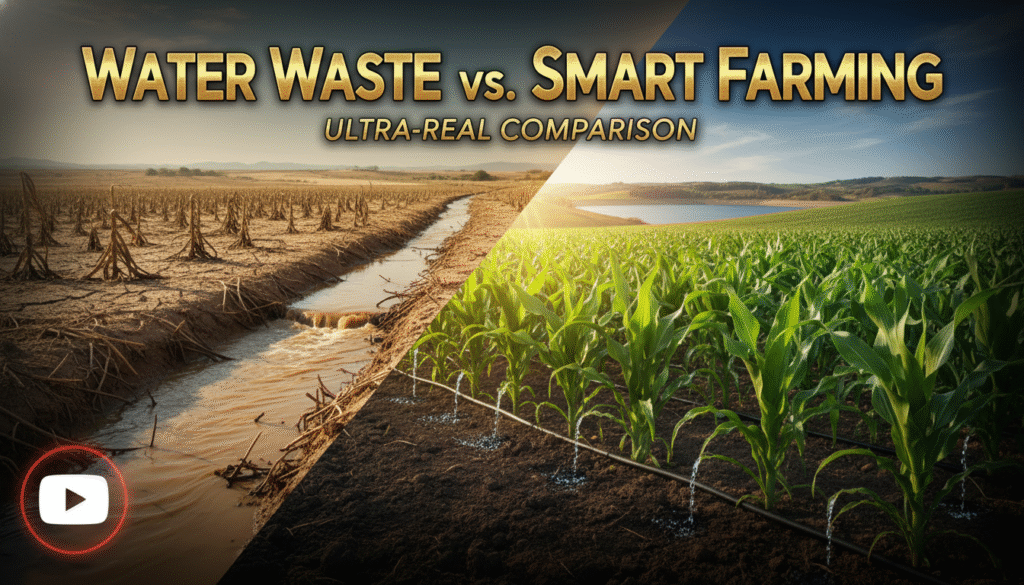
Across many agricultural regions, groundwater levels are dropping fast. Rainfall patterns are unpredictable, wells dry up early, and traditional flood irrigation wastes more water than farmers can afford to lose. Small farmers, who depend entirely on seasonal water availability, are the first to feel this pressure. Ironically, even with rising water stress, many still avoid drip irrigation, a system designed specifically to save water and improve crop yield.

2. Understanding Drip Irrigation in Simple Terms
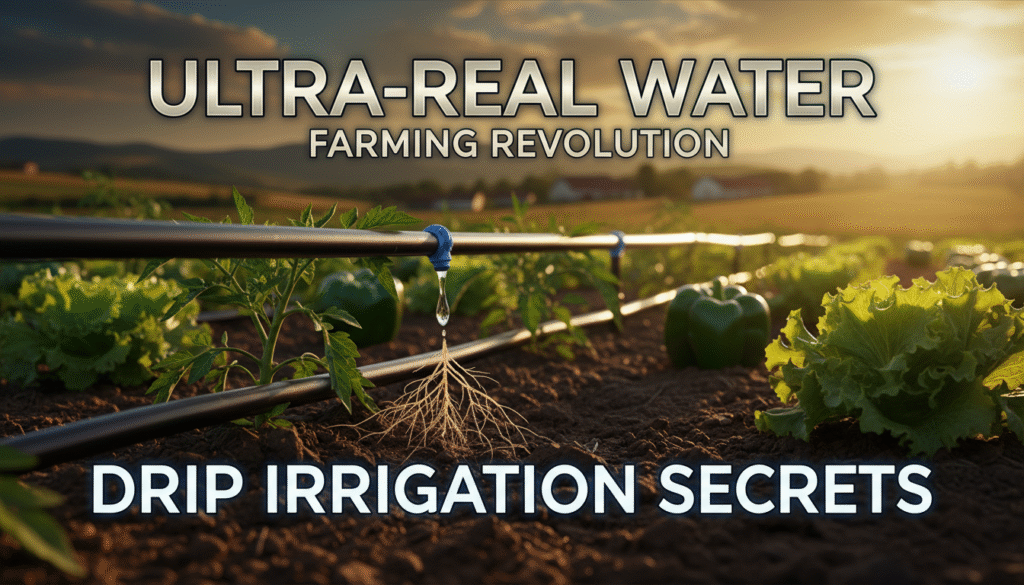
Drip irrigation is a method where water is delivered slowly and directly to plant roots through pipes and emitters. Instead of flooding entire fields, it provides controlled moisture exactly where needed. This reduces water waste, improves fertilizer efficiency, and keeps soil healthy. Despite these advantages, the system often appears complex and intimidating to small farmers.
3. Why Water Crisis Is Hitting Small Farmers the Hardest
Small farmers usually rely on shallow wells, rainfall, or shared water sources. When water becomes scarce, they lack alternatives such as deep borewells or expensive pumping systems. Crop failure affects not just income but food security and debt levels. In such fragile conditions, even beneficial innovations feel risky if they require upfront investment.
4. High Initial Cost: The Biggest Mental Barrier
The most common reason small farmers ignore drip irrigation despite water crisis is cost perception. Even when subsidies are available, farmers focus on the total price rather than long-term savings. For someone already struggling with loans, seeds, and fertilizers, drip irrigation feels like an additional financial burden instead of an investment.
5. Fear of Technology and System Failure
Drip irrigation involves pipes, filters, valves, and pressure control systems. For farmers who have irrigated fields manually for decades, this looks complicated. There is fear of pipe damage, clogging, or system failure during critical crop stages. This fear increases when technical support is unavailable nearby.
6. Lack of Proper Awareness and Training
Many farmers hear about drip irrigation only through advertisements or short government meetings. They rarely receive hands-on demonstrations or training. Without understanding how the system works in real field conditions, farmers assume it is unsuitable for their crops or land.
7. Traditional Farming Mindset and Cultural Resistance
Farming is deeply rooted in tradition. Techniques are often passed down through generations. Any deviation from familiar methods feels like a risk. When neighbors continue flood irrigation, adopting drip irrigation can make a farmer feel isolated or judged, especially if early results are slow.
8. Trust Issues with Government Schemes and Subsidies
Delayed subsidies, complex paperwork, and poor implementation reduce trust. Some farmers have experienced situations where promised support never arrived. As a result, they hesitate to depend on government drip irrigation schemes, fearing financial loss or administrative trouble.
9. Maintenance Challenges and After-Sales Support Problems
Drip systems require periodic maintenance. Emitters can clog, filters need cleaning, and pipes may break. In remote areas, service centers are far away. Farmers worry about what happens if the system fails during peak irrigation time when help is unavailable.
10. Land Size, Crop Type, and Practical Limitations
Small farmers often cultivate mixed crops on fragmented land. Drip irrigation works best when planned carefully. Farmers assume it is suitable only for large farms or specific crops like fruits and vegetables, not for cereals or traditional crops.
11. Social Influence and Peer Pressure in Rural Areas
Farmers rely heavily on peer experiences. If one farmer’s drip system fails or produces average results, others quickly lose interest. Negative word-of-mouth spreads faster than success stories, shaping collective decisions.
12. Real Benefits of Drip Irrigation That Farmers Often Miss
When implemented correctly, drip irrigation can reduce water use by up to 50 percent, improve yields, reduce weed growth, and lower fertilizer costs. It also saves labor and allows farming during dry seasons. Unfortunately, these long-term benefits are often overshadowed by short-term fears.
13. How Education and Demonstration Can Change Perception
Farmers trust what they see. Field demonstrations, model farms, and local success stories help break misconceptions. When farmers witness neighboring fields thriving with less water, confidence grows naturally.
14. Role of Local Leaders, NGOs, and Agri-Experts
Local influencers play a crucial role. When trusted village leaders or agricultural experts promote drip irrigation with practical guidance, adoption increases. NGOs and cooperatives can bridge the gap between technology providers and farmers.
15. What Needs to Change for Wider Adoption
To increase adoption, drip irrigation must be affordable, simple, and supported. Transparent subsidies, reliable maintenance services, and continuous education are essential. Policies should focus on farmer convenience rather than just targets.
16. The Future of Small Farming in a Water-Scarce World
Water scarcity will intensify. Small farmers who adapt early will survive and thrive. Drip irrigation is not a luxury—it is becoming a necessity. The challenge is not technology but trust, understanding, and accessibility.
17. Conclusion: Bridging the Gap Between Fear and Need
Small farmers are not ignoring drip irrigation because they are unaware of water crisis. They hesitate because of fear, cost, and uncertainty. When systems become farmer-friendly and support becomes reliable, adoption will rise naturally. The future of sustainable farming depends on turning drip irrigation from a perceived risk into a trusted ally.


India GDP Growth 7.6% in FY26: New GDP Series Upgrades Growth but Lowers Economy Size

India Missing Out on Big Agriculture Export Opportunity: Path to $100 Billion by 2030

ಮ್ಯೂಚುವಲ್ ಫಂಡ್ SIP ಮೂಲಕ 15 ವರ್ಷಗಳಲ್ಲಿ ₹10 ಕೋಟಿ ರೂಪಾಯಿ ಗಳಿಸುವುದು ಹೇಗೆ?

Aadhar Model Smart Card To Farmers: ರೈತರಿಗೆ ಆಧಾರ್ ಮಾದರಿ ಸ್ಮಾರ್ಟ್ ಕಾರ್ಡ್ ಯೋಜನೆ – ಸಂಪೂರ್ಣ ಮಾಹಿತಿ, ಅನುಕೂಲತೆಗಳು ಮತ್ತು ನೋಂದಣಿ ವಿವರಗಳು

ಕೇಂದ್ರ ಬಜೆಟ್ 2026 ಕೃಷಿಕರಿಗೆ ಏನು ಕೊಡುಗೆ? ಭಾರತ್ ವಿಸ್ತಾರ್ AI ಪರಿಕರದಿಂದ ರೈತರಿಗೇನು ಲಾಭ?

Farming: ಹಳ್ಳಿಗಳಿಗೆ ಹಿಂದಿರುಗಿ ಕೃಷಿಯತ್ತ ಒಲವು ತೋರುತ್ತಿರುವ ವೃತ್ತಿಪರರು – ನಿಜವಾದ ಕಾರಣಗಳು ಮತ್ತು ಭವಿಷ್ಯದ ಜೀವನಶೈಲಿ

What Is the Best Climate for Saffron Cultivation?

ಕಾವೇರಿ 2.0 ಆಸ್ತಿ ನೋಂದಣಿ: 10 ನಿಮಿಷದಲ್ಲಿ ಸಂಪೂರ್ಣ ಕಾಗದರಹಿತ ಆಸ್ತಿ ನೋಂದಣಿ – ಅರ್ಜಿ ಸಲ್ಲಿಕೆ, ಲಾಭಗಳು & ಸಂಪೂರ್ಣ ಮಾರ್ಗದರ್ಶಿ

ಭಾರತ್-ವಿಸ್ತಾರ್ ಎಐ ಸಾಧನ: ರೈತರ ಕೃಷಿ ಸಮಸ್ಯೆಗೆ ಬೆರಳ ತುದಿಯಲ್ಲಿ ಎಐ ಪರಿಹಾರ | ಸಂಪೂರ್ಣ ಮಾಹಿತಿ

Bengaluru in Trouble: ಐಟಿ ಬಿದ್ದರೆ ಬೆಂಗಳೂರು ಬೀಳುತ್ತೆ – ಸಂಕಷ್ಟದಲ್ಲಿ ನಮ್ಮ ಬೆಂಗಳೂರು

What Is the Investment Required for Mushroom Farming?

What Are the Best Mushrooms to Grow for Profit?

Union Budget 2026–27 Agriculture Initiatives: Transforming Indian Farming for Global Markets

Budget 2026 Agriculture Policy: Push for High-Value Crops but Farmers Still Struggle

ಭಾರತದಲ್ಲಿ ಮಣ್ಣಿನ ಆರೋಗ್ಯ: ಸುಸ್ಥಿರ ಕೃಷಿ ಮತ್ತು ಆಹಾರ ಭದ್ರತೆಗೆ ಅಡಿಪಾಯ

2025ರ ವಾಣಿಜ್ಯ ಧಾನ್ಯ ಕೃಷಿಯ ಹೊಸ ಆವಿಷ್ಕಾರಗಳು: ಸ್ಮಾರ್ಟ್ ನೀರಾವರಿ, ಗೊಬ್ಬರ ಮತ್ತು ಪ್ರೆಸಿಷನ್ ಸ್ಪ್ರೇಯರ್ಗಳು

ಕೇಸರಿ ಕೃಷಿಗೆ ಎಷ್ಟು ಹೂಡಿಕೆ ಅಗತ್ಯವಿದೆ?
ಕೇಸರಿ (Saffron) ಬೆಳೆಯಲು ಅತ್ಯುತ್ತಮ ಹವಾಮಾನ ಯಾವುದು?
How to Start Kesari (Saffron) Farming in India?
