


Latest News
LPG Tankers from Strait of Hormuz Reach India: What It Means for Energy Security and Fuel Supply

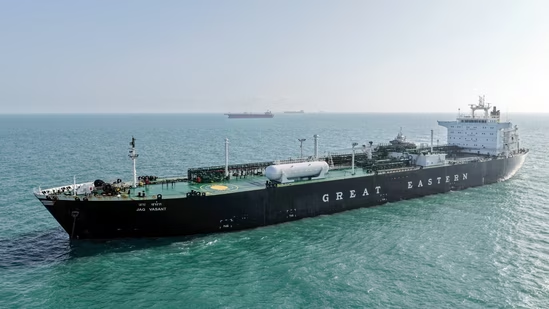
Short Overview
India has recently received LPG tankers arriving from the Strait of Hormuz, a globally critical energy route. This development is not just about fuel delivery—it reflects India’s growing focus on energy security, supply chain resilience, and economic stability. With global tensions affecting oil and gas transport, these shipments highlight how India is managing risks while ensuring uninterrupted LPG supply for households and industries.
India receives LPG tankers from the Strait of Hormuz, ensuring stable fuel supply despite global uncertainties. Explore how LPG imports impact energy security, domestic gas prices, and India’s supply chain strategy. Learn about global risks, government policies, and future outlook of LPG availability in India. This detailed guide explains everything in simple language, helping readers understand the importance of LPG tanker arrivals, their effect on households, and how India manages fuel demand efficiently. Stay updated with the latest LPG news and insights that matter for consumers, businesses, and energy planning in India.

Table of Contents
- Introduction
- Understanding the Strait of Hormuz’s Importance
- Recent LPG Tanker Arrivals in India
- Why LPG Supply Matters for India
- Global Energy Risks and Challenges
- India’s Strategy for Energy Security
- Impact on Domestic LPG Prices
- Role of Government Policies
- Future Outlook of LPG Supply Chain
- Conclusion
Introduction
In today’s interconnected world, energy supply is one of the most critical aspects of a country’s stability. India, being one of the largest consumers of liquefied petroleum gas (LPG), depends heavily on imports to meet its domestic demand. Recently, two LPG tankers successfully reached Indian ports, while two more are on their way from the Strait of Hormuz.
This might sound like a routine update, but it actually carries significant importance for India’s energy security, especially at a time when global tensions are affecting shipping routes. Understanding this situation helps us see how India ensures that millions of households continue to get cooking gas without disruption.
Understanding the Strait of Hormuz’s Importance
The Strait of Hormuz is one of the most crucial maritime routes in the world. It connects the Persian Gulf to the Arabian Sea and is used by major oil and gas exporting countries like Saudi Arabia, Iran, Iraq, and the UAE.
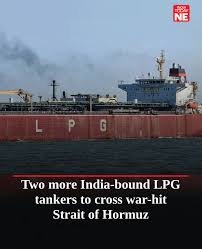
A large percentage of the world’s oil and gas passes through this narrow passage every day. Because of this, any disruption in the Strait of Hormuz can impact global energy prices and supply chains instantly.
For India, this route is especially important because a major portion of its LPG imports comes through this region. Any delay or blockage can directly affect fuel availability across the country.
Recent LPG Tanker Arrivals in India
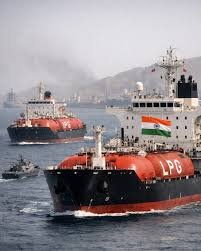
According to recent developments, two Indian LPG tankers have already reached ports safely, while two additional tankers are still en route from the Strait of Hormuz.
This arrival is a positive sign, especially considering the uncertainties in global shipping routes. It shows that India’s supply chain is functioning efficiently despite geopolitical challenges.
The smooth arrival of these tankers ensures that LPG distribution remains stable across different states. It also reduces the risk of sudden shortages that could affect households and businesses.
Why LPG Supply Matters for India
LPG is not just another fuel in India—it is a lifeline for millions of families. From cooking meals to supporting small businesses, LPG plays a crucial role in everyday life.
Over the years, government initiatives like the Ujjwala Yojana have increased LPG accessibility in rural and urban areas. As a result, the demand for LPG has grown significantly.
If supply is disrupted, it can lead to price hikes, shortages, and inconvenience for consumers. Therefore, ensuring a steady flow of LPG imports is essential for maintaining economic and social stability.
Global Energy Risks and Challenges
The global energy market is currently facing multiple challenges. Political tensions in the Middle East, shipping risks, and fluctuating oil prices all contribute to uncertainty.
The Strait of Hormuz, in particular, has been a sensitive region due to geopolitical conflicts. Any escalation can lead to delays or disruptions in tanker movement.
These risks make it essential for countries like India to diversify their energy sources and strengthen supply chain strategies. The recent tanker arrivals indicate that India is actively managing these risks.
India’s Strategy for Energy Security
India has been working on multiple strategies to ensure long-term energy security. One of the key approaches is diversifying import sources so that dependence on a single region is reduced.
In addition, India is investing in strategic petroleum reserves, which act as a backup during emergencies. These reserves help the country manage short-term supply disruptions without affecting consumers.
The government is also focusing on renewable energy sources to reduce reliance on fossil fuels over time. However, LPG will continue to remain important in the near future.
Impact on Domestic LPG Prices
One of the biggest concerns for consumers is the price of LPG cylinders. When global supply chains are stable, prices tend to remain steady.
The recent arrival of LPG tankers is expected to help maintain price stability in the domestic market. It reduces the chances of sudden price increases caused by supply shortages.
However, global factors such as crude oil prices and currency exchange rates still play a role in determining final LPG costs.
Role of Government Policies
Government policies play a significant role in managing LPG supply and pricing. Subsidies, distribution systems, and import regulations all contribute to ensuring affordability and availability.
Programs aimed at increasing LPG coverage have made it essential for the government to maintain a consistent supply chain. The timely arrival of tankers reflects effective coordination between government agencies and oil companies.
Policy decisions also focus on reducing dependency on imports by encouraging alternative energy solutions.
Future Outlook of LPG Supply Chain
Looking ahead, India is expected to continue strengthening its LPG supply chain. Investments in infrastructure, storage facilities, and logistics will play a key role.
The country is also likely to explore new trade partnerships to reduce risks associated with specific regions like the Strait of Hormuz.
At the same time, the shift towards cleaner energy sources will gradually change the energy landscape. However, LPG will remain a crucial part of India’s energy mix for years to come.
Conclusion
The arrival of LPG tankers from the Strait of Hormuz is more than just a routine update—it is a reflection of India’s resilience in managing global energy challenges.
By ensuring uninterrupted supply, maintaining price stability, and strengthening energy strategies, India is taking important steps toward long-term energy security.
For consumers, this means continued access to LPG without major disruptions. For the country, it represents a strong and reliable energy framework capable of handling global uncertainties.
As the world continues to face energy challenges, India’s proactive approach will play a crucial role in shaping its economic and social stability.


LPG Tankers from Strait of Hormuz Reach India: What It Means for Energy Security and Fuel Supply

Stock Market Crash 2026: Why Markets Fell Over 2% Amid Rising Crude Prices

AI for Agriculture Innovation Initiative: Transforming Farming with Smart Technology

Digital Agriculture Mission India 2025: Complete Guide to Smart Farming Trends and Future Growth

Potato Farming Crisis in Uttar Pradesh: Causes, Challenges, and Solutions for Farmers

Fibre Optic Sensors in Agriculture: The Future of Smart Farming and Soil Monitoring

Iran Israel US War 2026: What the Conflict in West Asia Means for Oil, World Stability, and Daily Life

OUAT Farmers Fair 2026: Helping Women Farmers Start Their Own Businesses and Moving Smart Agriculture Forward in India

India’s 2026 strategy for importing fertiliser: how India is making global supply chains stronger

The Effects of Global War on Farming in India: Why Prices Are Going Up and What Farmers Can Do

Karnataka Budget 2026–27: Key Announcements, Infrastructure Plans, Welfare Schemes and Economic Impact

India is running low on LPG in 2026, so hotels are switching to firewood as the government focuses on cooking gas for homes.
Potato Farming Crisis in Uttar Pradesh: Causes, Challenges, and Solutions for Farmers
The Effects of Global War on Farming in India: Why Prices Are Going Up and What Farmers Can Do
Fibre Optic Sensors in Agriculture: The Future of Smart Farming and Soil Monitoring

The Truth About AI Stock Trading: An AI-Powered Trading Agent Turns ₹11 Lakh Into ₹40 Lakh Overnight

FAO World Programme of Census of Agriculture 2030: A Global Data Revolution for the Future of Farming

Sugar Shares Rally on Hopes of Higher Ethanol Blend Amid West Asia Crisis

AI Farming Tools and the Global Food System: Are Tech Giants Controlling What We Eat?