


Latest News
India is running low on LPG in 2026, so hotels are switching to firewood as the government focuses on cooking gas for homes.


Short Overview
India is temporarily having trouble getting commercial LPG cylinders because of political tensions in West Asia that are affecting energy supply routes. The government has promised that cooking gas for homes will stay safe, but many hotels and restaurants across the country are already saying they are running out of commercial cylinders. To keep their kitchens running, some businesses are cutting back on menu items, shortening their hours, or even going back to using old-fashioned firewood stoves. The government says that production is going up and that a committee has been set up to deal with complaints from the affected sectors.
India is worried about a lack of commercial LPG in 2026 because the government is focusing on making sure there is enough cooking gas for people in India. This is happening because of geopolitical tensions around the world that are making it hard to import fuel. Hotels and restaurants in cities like Bengaluru, Mumbai, Chennai, and Kochi have said that they are having trouble getting LPG cylinders. Some of these places have had to switch to traditional firewood stoves or cut back on their business. The crisis is connected to the closure of the Strait of Hormuz due to rising violence in West Asia, which has affected India’s LPG import routes. The government has increased the production of LPG, set up a grievance committee with major oil companies, and used the Essential Commodities Act to deal with the situation. Here is a full explanation of what is going on, why it matters, and how it could affect businesses and people who buy things.

Contents
An Overview of India’s LPG Supply Situation
Why the supply of LPG will be interrupted in 2026
How the West Asia Crisis is Affecting India’s Fuel Supply
What the government did about the LPG shortage
Hotels and restaurants are having trouble running their businesses.
Restaurants Going Back to Old Ways of Cooking
Effects on Big Cities All Over India
India’s Dependence on Imports and Use of LPG
Possible Solutions and What the Future Holds
Conclusion
A look at the LPG supply situation in India
In India, the supply of commercial LPG cylinders has become a big problem lately, especially for hotels and restaurants that rely on cooking gas. Several reports from different states say that a number of businesses are having trouble getting the commercial LPG cylinders they need for their daily cooking.
Households still get first dibs on domestic cooking gas, but the commercial sector is seeing delays and less supply. Many restaurant owners have said they are worried about how long they can keep their businesses going if the shortage lasts for a long time. Some hotels have already started cutting back on their menus, and others are looking into other ways to cook.
People are now wondering how stable India’s LPG supply chain is and how conflicts between countries can affect businesses and daily life in India.
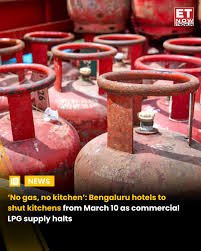
Why the LPG Supply Will Be Disrupted in 2026
The current lack of LPG is mostly due to political tensions in West Asia. Disputes in the area have made global energy supply routes less stable, especially for oil and gas transportation through important maritime channels.
The closure of the Strait of Hormuz, which is a major route for transporting a lot of the world’s oil and LPG, is one of the most important events. India gets a lot of its LPG from West Asian countries like Saudi Arabia and Qatar. So, when this route is blocked, it puts pressure on supply.
Even though India has gotten its energy from a wider range of sources over the years, sudden changes in the geopolitical landscape can still make it hard to keep fuel supplies steady in the short term.
How the Crisis in West Asia is Affecting India’s Fuel Supply
The ongoing war between countries in West Asia has made it hard to predict how fuel will be moved around the world. The Strait of Hormuz is a major shipping route that connects oil and gas exporters to markets around the world.
When shipping routes are blocked or unsafe, it takes longer or costs more to get goods to their destinations. India gets more than half of its LPG needs from other countries, so even a small problem with transportation routes can have big effects on the energy sector.
Government sources say that India now gets almost 70% of its crude oil from places other than this route. However, West Asian suppliers still play a big role in LPG imports. This dependence makes the country weak when there are sudden geopolitical crises.
What the government is doing about the LPG shortage
The Indian government has done a number of things to keep LPG supplies stable and stop people from panicking in the market. Officials have told people that there is no nationwide crisis in petroleum products and that they are keeping a close eye on the situation.
A group of senior executives from major public sector oil companies has been put together to look over requests from businesses like hotels and restaurants. This group is in charge of looking over supply requests and making sure that they are fairly distributed based on need.
Authorities have also told refineries and petrochemical plants to make more LPG. Some hydrocarbon streams are also being redirected specifically to LPG production to make it more available to domestic customers.
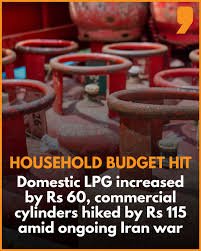
The government has also changed the way people book LPG. The time between two domestic cylinder bookings has been lengthened a little bit to stop people from hoarding and selling them on the black market.
Hotels and restaurants are having trouble running their businesses.
The current LPG shortage has hit hotels and restaurants the hardest. Commercial kitchens use a lot more cylinders every day than households do, which usually only use one cylinder for a few weeks.
Depending on how big the restaurant is, it may need five to ten LPG cylinders every day. Even more may be needed by big hotels, catering companies, and banquet kitchens.
Restaurant owners in cities like Bengaluru, Mumbai, Chennai, and Kochi are having a hard time deciding how to run their businesses because of supply problems. Some businesses have started to cut down on their menu items to save gas, while others have cut back on the hours they work to save fuel.
Restaurant groups have also said they are worried that long-term shortages could force many places to close for a short time.
Restaurants Going Back to Old-Fashioned Cooking Methods
To deal with the lack of food, restaurant owners in some parts of the country have begun to try out traditional cooking methods. Firewood stoves, which used to be common in Indian kitchens, are making a short comeback in some small hotels.
A hotel owner in Kochi recently said that his kitchen had to cook rice on a firewood stove because there weren’t any commercial LPG cylinders available. It is hard to completely shut down operations because the business has more than twenty employees.
Even though these kinds of solutions can help businesses stay alive for a short time, they are not good for the long term. Cooking with firewood takes more work, makes smoke, and may not meet the safety and cleanliness standards that are expected in commercial kitchens today.
Effects on Big Cities All Over India
Reports of the effects of LPG supply problems have come in from many cities across the country. Restaurant groups in Bengaluru warned that some restaurants might have to close for a short time if commercial gas cylinders weren’t delivered on time.
Hotel associations in Chennai said that banquet bookings and catering services for schools and offices could be affected. Restaurants that deliver food to IT parks and hostels are especially worried about keeping their businesses running smoothly.
Meanwhile, restaurants in Mumbai and Gurugram say they are using backup cylinders and keeping a close eye on the situation. Some restaurants have already started making their menus easier by taking off slow-cooking dishes that need more gas.
India’s Dependence on Imports and LPG Use
India uses more than 31 million tons of LPG every year, making it one of the biggest LPG markets in the world. Most of this use comes from homes in the country that use LPG to cook every day.
About 87% of the country’s LPG use is in homes, while the rest is used by businesses like hotels, restaurants, and catering services.
India still imports a lot of its LPG needs, even though domestic production has been rising over the years. Imports, mostly from countries in West Asia, make up about 62 percent of the total need.
This reliance on imports is why problems with international shipping routes can quickly affect the availability of goods in the country.
Possible Answers and the Future
Experts in energy think that the current problem with the supply of LPG is probably only temporary. To make sure things stay stable, the government has already started making more and looking into other ways to get supplies.
India has also been increasing its strategic petroleum reserves and finding new ways to get crude oil and gas from other countries. In the long run, these steps might make the country less likely to be affected by sudden changes in the world.
The situation shows how important it is for businesses in the hospitality industry to have backup energy systems or other ways to cook. Some restaurants may also think about buying electric cooking equipment or hybrid energy systems as a way to manage risk over the long term.
Conclusion
The current problems with LPG supply in India show how quickly changes in global politics can affect businesses and daily life in a specific area. Households will still be given priority for cooking gas, but restaurants and hotels are having temporary problems because international fuel transportation routes are not working properly.
The government has already done a lot to boost LPG production, control its distribution, and stop people from hoarding it. Officials are still sure that things will settle down soon as they look into other ways to get supplies.
For now, businesses in the hospitality industry are finding creative ways to keep running. Restaurants are finding ways to deal with the situation while hoping for normal supply to resume. They are doing this by cutting back on menu items, using less gas, or going back to old-fashioned cooking methods for a short time.


India is running low on LPG in 2026, so hotels are switching to firewood as the government focuses on cooking gas for homes.

The economy of Karnataka is doing better than the national average. The state’s growth rate is 12% for the second year in a row.

Karnataka Budget 2026–27: Key Announcements, Infrastructure Plans, Welfare Schemes and Economic Impact

Israel–Iran War LIVE: Russia Reportedly Providing Iran With Info to Strike U.S. Military as Regional Conflict Intensifies

Sugar Shares Rally on Hopes of Higher Ethanol Blend Amid West Asia Crisis

AI Farming Tools and the Global Food System: Are Tech Giants Controlling What We Eat?

New GDP Series Makes Meeting Fiscal Targets and $4 Trillion Economy Goal More Difficult

BMRCL Deploys Eighth Trainset on Namma Metro Yellow Line: What It Means for Bengaluru Commuters

Indian Airlines Halt West Asia Flights After Israel-US Attack on Iran Triggers Major Airspace Shutdown

India GDP Growth 7.6% in FY26: New GDP Series Upgrades Growth but Lowers Economy Size

ಭಾರತದಲ್ಲಿ ಮಣ್ಣಿನ ಆರೋಗ್ಯ: ಸುಸ್ಥಿರ ಕೃಷಿ ಮತ್ತು ಆಹಾರ ಭದ್ರತೆಗೆ ಅಡಿಪಾಯ

2025ರ ವಾಣಿಜ್ಯ ಧಾನ್ಯ ಕೃಷಿಯ ಹೊಸ ಆವಿಷ್ಕಾರಗಳು: ಸ್ಮಾರ್ಟ್ ನೀರಾವರಿ, ಗೊಬ್ಬರ ಮತ್ತು ಪ್ರೆಸಿಷನ್ ಸ್ಪ್ರೇಯರ್ಗಳು

ಆರಂಭಿಕರು ಒಯ್ಸ್ಟರ್ ಮಶ್ರೂಮ್ ಕೃಷಿಯನ್ನು ಹೇಗೆ ಆರಂಭಿಸಬಹುದು?

ಯೂನಿಯನ್ ಬಜೆಟ್ 2026 ಕೃಷಿ ಅನುದಾನ: ಭಾರತದ ಅಭಿವೃದ್ಧಿಯ ಬೆನ್ನೆಲುಬಾಗಿ ಕೃಷಿ

ಹ್ಯೂಮಸ್ ಕಾಂಪೋಸ್ಟ್ & ಮ್ಯಾನ್ಯುರ್

What Is the Best Climate for Saffron Cultivation?

Farming: ಹಳ್ಳಿಗಳಿಗೆ ಹಿಂದಿರುಗಿ ಕೃಷಿಯತ್ತ ಒಲವು ತೋರುತ್ತಿರುವ ವೃತ್ತಿಪರರು – ನಿಜವಾದ ಕಾರಣಗಳು ಮತ್ತು ಭವಿಷ್ಯದ ಜೀವನಶೈಲಿ

ರೈತರಿಗೆ ಸಿದ್ದರಾಮಯ್ಯ ಭರ್ಜರಿ ಗುಡ್ ನ್ಯೂಸ್: ಕೃಷಿಭಾಗ್ಯ ಯೋಜನೆಗೆ ಮರು ಚಾಲನೆ – ಸಂಪೂರ್ಣ ಮಾಹಿತಿ

Bengaluru in Trouble: ಐಟಿ ಬಿದ್ದರೆ ಬೆಂಗಳೂರು ಬೀಳುತ್ತೆ – ಸಂಕಷ್ಟದಲ್ಲಿ ನಮ್ಮ ಬೆಂಗಳೂರು
