


Creative Ideas
Farmer Producer Companies: Real Power Shift or Just New Middlemen?


Short Overview
Farmer Producer Companies (FPCs) were introduced as a revolutionary idea to give farmers control over markets, prices, and profits. On paper, they promise empowerment, collective strength, and freedom from exploitative middlemen. But in reality, are FPCs truly shifting power to farmers, or are they quietly becoming another layer of intermediaries? This blog explores the truth, challenges, benefits, and future of Farmer Producer Companies in India—without jargon, without bias, and with real ground-level understanding.
Farmer Producer Companies are transforming Indian agriculture, but are they genuinely empowering farmers or simply replacing traditional middlemen? This detailed guide explains what FPCs are, how they work, their benefits, challenges, government support, market access, and real impact on farmer incomes. Written in simple and clear language, this article helps farmers, agri-entrepreneurs, policymakers, and researchers understand whether FPCs truly represent a power shift or risk becoming another layer in the supply chain. Learn about success stories, failures, legal structures, and the future of Farmer Producer Companies in India.

Table of Contents
- Introduction: Why Farmer Producer Companies Matter Today
- What Are Farmer Producer Companies (FPCs)?
- Why FPCs Were Created: The Original Vision
- How Farmer Producer Companies Work in Reality
- Are FPCs Empowering Farmers or Creating New Middlemen?
- Benefits of Farmer Producer Companies for Small and Marginal Farmers
- Hidden Challenges Faced by Farmer Producer Companies
- Role of Government and Policy Support for FPCs
- Market Access, Pricing Power, and Farmer Income
- Real-World Success Stories and Failures
- The Role of Professionals, CEOs, and External Agencies
- Future of Farmer Producer Companies in India
- Conclusion: Real Power Shift or Half-Finished Reform?
1. Introduction: Why Farmer Producer Companies Matter Today
Indian agriculture has always struggled with one major problem—farmers produce food, but rarely control its price. From local traders to commission agents, multiple intermediaries stand between the farmer and the consumer. Farmer Producer Companies were introduced as a solution to break this cycle. The idea sounded powerful: farmers coming together as owners, decision-makers, and profit-sharers. But after years of implementation, a serious question arises—has the promise been fulfilled?
2. What Are Farmer Producer Companies (FPCs)?
Farmer Producer Companies are legally registered companies owned and managed by farmers. Unlike cooperatives, FPCs are governed under the Companies Act, giving them a more professional structure. Each farmer is a shareholder, and profits are distributed among members rather than external investors. In simple words, an FPC is a business owned by farmers, run for farmers, and meant to protect farmers’ interests.
3. Why FPCs Were Created: The Original Vision
The original vision behind Farmer Producer Companies was to give farmers collective bargaining power. Small and marginal farmers often lack scale, storage, transport, and negotiation strength. By forming FPCs, farmers could buy inputs cheaply, sell produce collectively, access larger markets, and reduce dependency on middlemen. The goal was economic empowerment, not charity.
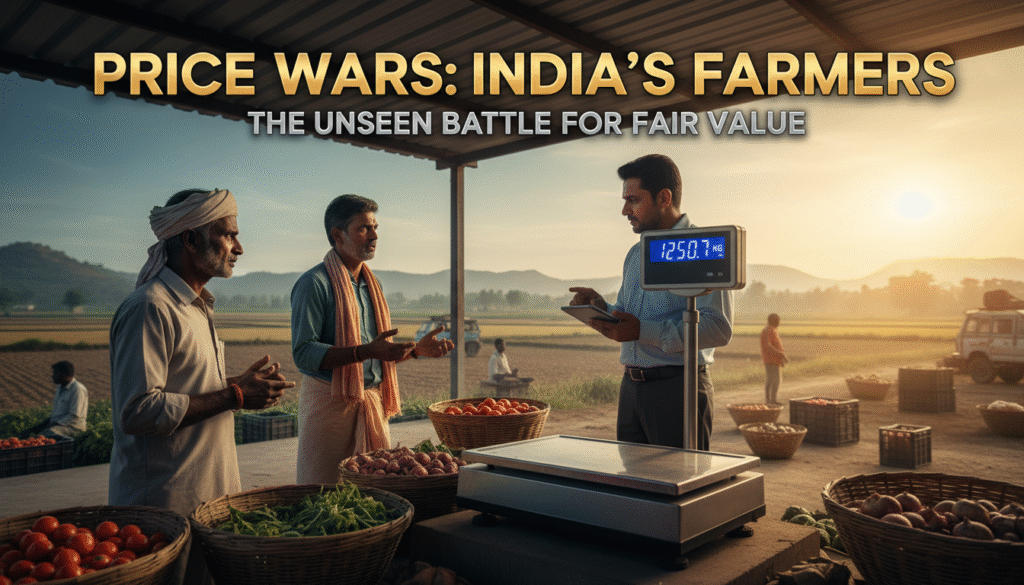
4. How Farmer Producer Companies Work in Reality
In practice, an FPC collects produce from its members, aggregates it, and sells it to buyers such as wholesalers, processors, or exporters. Some FPCs also provide services like seeds, fertilizers, storage, and technical advice. A Board of Directors, mostly farmers, oversees operations, often with a hired CEO or professional manager handling day-to-day business.
5. Are FPCs Empowering Farmers or Creating New Middlemen?
This is where reality becomes complicated. In some cases, FPCs genuinely empower farmers by increasing income and transparency. In other cases, farmers remain passive members while professionals or external agencies control decisions. When farmers do not understand pricing, contracts, or governance, FPCs risk becoming another intermediary—just with a new name.
6. Benefits of Farmer Producer Companies for Small and Marginal Farmers
When implemented correctly, FPCs offer real benefits. Farmers get better prices through collective selling. Input costs reduce due to bulk purchases. Access to credit improves because banks trust organized entities. Farmers also gain exposure to markets beyond their villages. Most importantly, profits stay within the farming community instead of flowing outward.
7. Hidden Challenges Faced by Farmer Producer Companies
Despite good intentions, many FPCs struggle. Lack of business knowledge among farmers is a major issue. Poor governance, weak leadership, limited working capital, and dependency on government grants reduce sustainability. In some cases, farmers lose trust when promised benefits do not materialize. Without capacity building, FPCs cannot survive in competitive markets.
8. Role of Government and Policy Support for FPCs
The government has actively promoted Farmer Producer Companies through schemes, subsidies, and training programs. While support is essential during early stages, excessive dependence can weaken independence. True empowerment comes when FPCs become market-driven businesses rather than grant-driven organizations.
9. Market Access, Pricing Power, and Farmer Income
Market access is the real test of any FPC. Those that establish direct links with processors, exporters, or retailers tend to succeed. Transparent pricing mechanisms build farmer trust. However, when FPCs fail to secure stable buyers, farmers often revert to traditional traders. Income improvement depends not just on price, but also on volume, quality, and cost control.

10. Real-World Success Stories and Failures
India has examples of both success and failure. Successful FPCs focus on a single crop, maintain quality standards, and involve farmers in decision-making. Failed FPCs often expand too fast, lack financial discipline, or operate without farmer participation. The difference lies in leadership and ownership, not policy alone.
11. The Role of Professionals, CEOs, and External Agencies
Professionals play a crucial role in scaling FPCs, but balance is essential. When professionals dominate decisions, farmers feel disconnected. The best models blend farmer wisdom with professional expertise, ensuring transparency and shared control.
12. Future of Farmer Producer Companies in India
The future of Farmer Producer Companies depends on farmer education, digital tools, market integration, and policy refinement. If farmers truly understand ownership and governance, FPCs can reshape Indian agriculture. Otherwise, they risk becoming another layer between farmer and consumer.
13. Conclusion: Real Power Shift or Half-Finished Reform?
Farmer Producer Companies are neither a miracle nor a failure. They are a powerful tool—but only when farmers lead from the front. Without awareness, participation, and accountability, FPCs can quietly turn into new middlemen. The real power shift will happen only when farmers move from being suppliers to being decision-makers. Until then, the journey remains incomplete.


India GDP Growth 7.6% in FY26: New GDP Series Upgrades Growth but Lowers Economy Size

India Missing Out on Big Agriculture Export Opportunity: Path to $100 Billion by 2030

ಮ್ಯೂಚುವಲ್ ಫಂಡ್ SIP ಮೂಲಕ 15 ವರ್ಷಗಳಲ್ಲಿ ₹10 ಕೋಟಿ ರೂಪಾಯಿ ಗಳಿಸುವುದು ಹೇಗೆ?

Aadhar Model Smart Card To Farmers: ರೈತರಿಗೆ ಆಧಾರ್ ಮಾದರಿ ಸ್ಮಾರ್ಟ್ ಕಾರ್ಡ್ ಯೋಜನೆ – ಸಂಪೂರ್ಣ ಮಾಹಿತಿ, ಅನುಕೂಲತೆಗಳು ಮತ್ತು ನೋಂದಣಿ ವಿವರಗಳು

ಕೇಂದ್ರ ಬಜೆಟ್ 2026 ಕೃಷಿಕರಿಗೆ ಏನು ಕೊಡುಗೆ? ಭಾರತ್ ವಿಸ್ತಾರ್ AI ಪರಿಕರದಿಂದ ರೈತರಿಗೇನು ಲಾಭ?

Farming: ಹಳ್ಳಿಗಳಿಗೆ ಹಿಂದಿರುಗಿ ಕೃಷಿಯತ್ತ ಒಲವು ತೋರುತ್ತಿರುವ ವೃತ್ತಿಪರರು – ನಿಜವಾದ ಕಾರಣಗಳು ಮತ್ತು ಭವಿಷ್ಯದ ಜೀವನಶೈಲಿ

What Is the Best Climate for Saffron Cultivation?

ಕಾವೇರಿ 2.0 ಆಸ್ತಿ ನೋಂದಣಿ: 10 ನಿಮಿಷದಲ್ಲಿ ಸಂಪೂರ್ಣ ಕಾಗದರಹಿತ ಆಸ್ತಿ ನೋಂದಣಿ – ಅರ್ಜಿ ಸಲ್ಲಿಕೆ, ಲಾಭಗಳು & ಸಂಪೂರ್ಣ ಮಾರ್ಗದರ್ಶಿ

ಭಾರತ್-ವಿಸ್ತಾರ್ ಎಐ ಸಾಧನ: ರೈತರ ಕೃಷಿ ಸಮಸ್ಯೆಗೆ ಬೆರಳ ತುದಿಯಲ್ಲಿ ಎಐ ಪರಿಹಾರ | ಸಂಪೂರ್ಣ ಮಾಹಿತಿ

Bengaluru in Trouble: ಐಟಿ ಬಿದ್ದರೆ ಬೆಂಗಳೂರು ಬೀಳುತ್ತೆ – ಸಂಕಷ್ಟದಲ್ಲಿ ನಮ್ಮ ಬೆಂಗಳೂರು

What Is the Investment Required for Mushroom Farming?

What Are the Best Mushrooms to Grow for Profit?

Union Budget 2026–27 Agriculture Initiatives: Transforming Indian Farming for Global Markets

Budget 2026 Agriculture Policy: Push for High-Value Crops but Farmers Still Struggle

ಭಾರತದಲ್ಲಿ ಮಣ್ಣಿನ ಆರೋಗ್ಯ: ಸುಸ್ಥಿರ ಕೃಷಿ ಮತ್ತು ಆಹಾರ ಭದ್ರತೆಗೆ ಅಡಿಪಾಯ

2025ರ ವಾಣಿಜ್ಯ ಧಾನ್ಯ ಕೃಷಿಯ ಹೊಸ ಆವಿಷ್ಕಾರಗಳು: ಸ್ಮಾರ್ಟ್ ನೀರಾವರಿ, ಗೊಬ್ಬರ ಮತ್ತು ಪ್ರೆಸಿಷನ್ ಸ್ಪ್ರೇಯರ್ಗಳು

ಕೇಸರಿ ಕೃಷಿಗೆ ಎಷ್ಟು ಹೂಡಿಕೆ ಅಗತ್ಯವಿದೆ?
ಕೇಸರಿ (Saffron) ಬೆಳೆಯಲು ಅತ್ಯುತ್ತಮ ಹವಾಮಾನ ಯಾವುದು?
How to Start Kesari (Saffron) Farming in India?
